
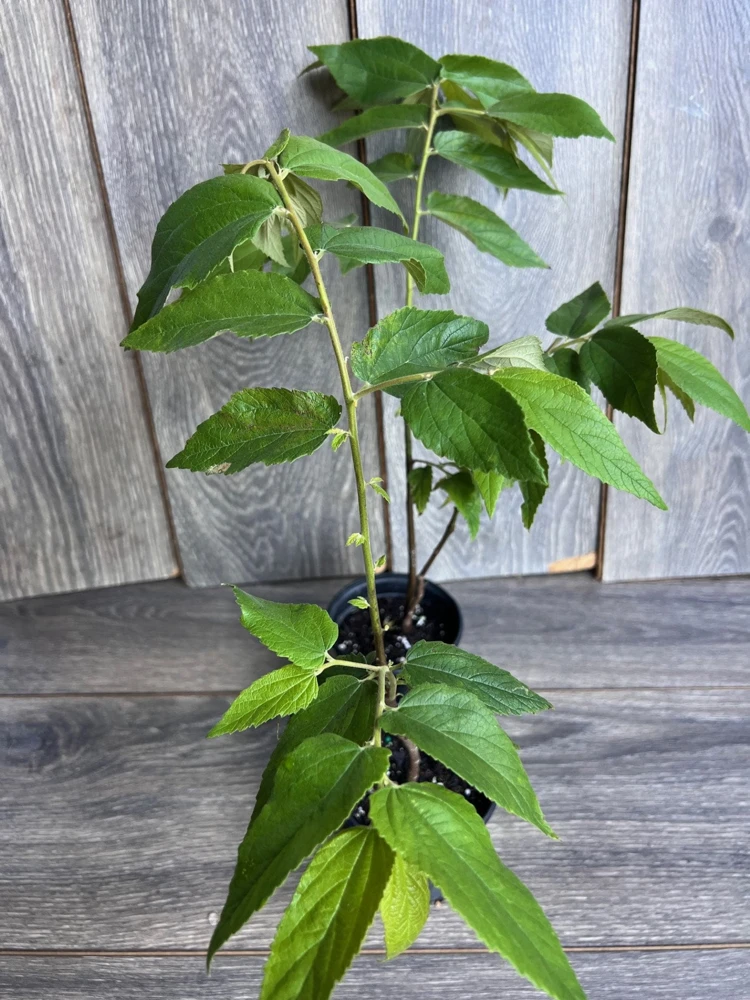
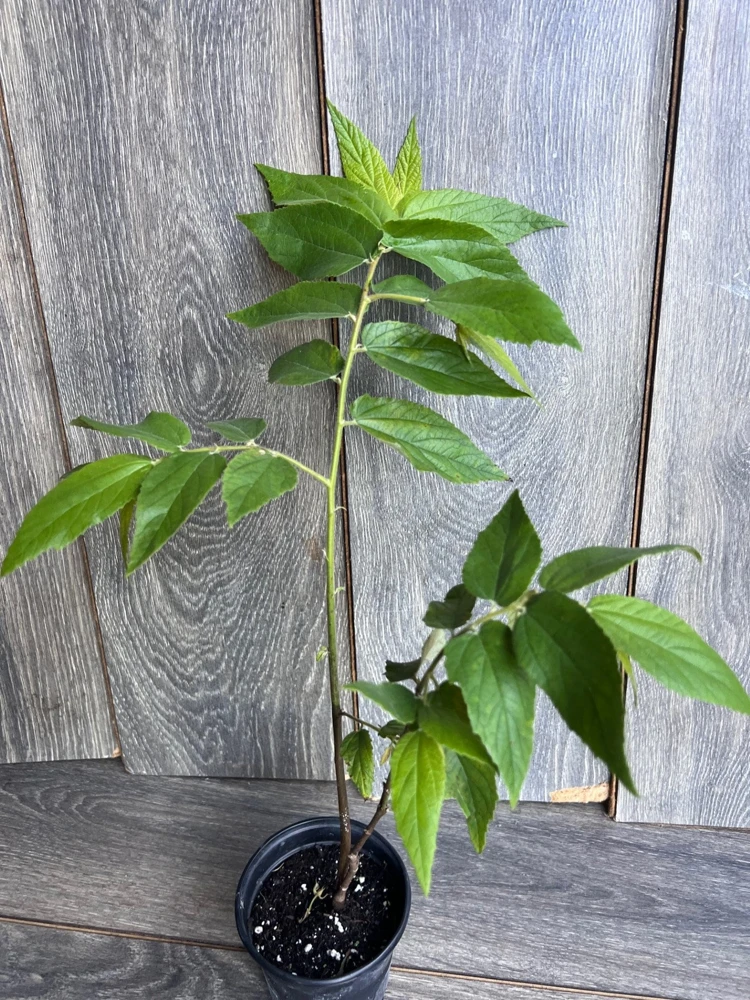
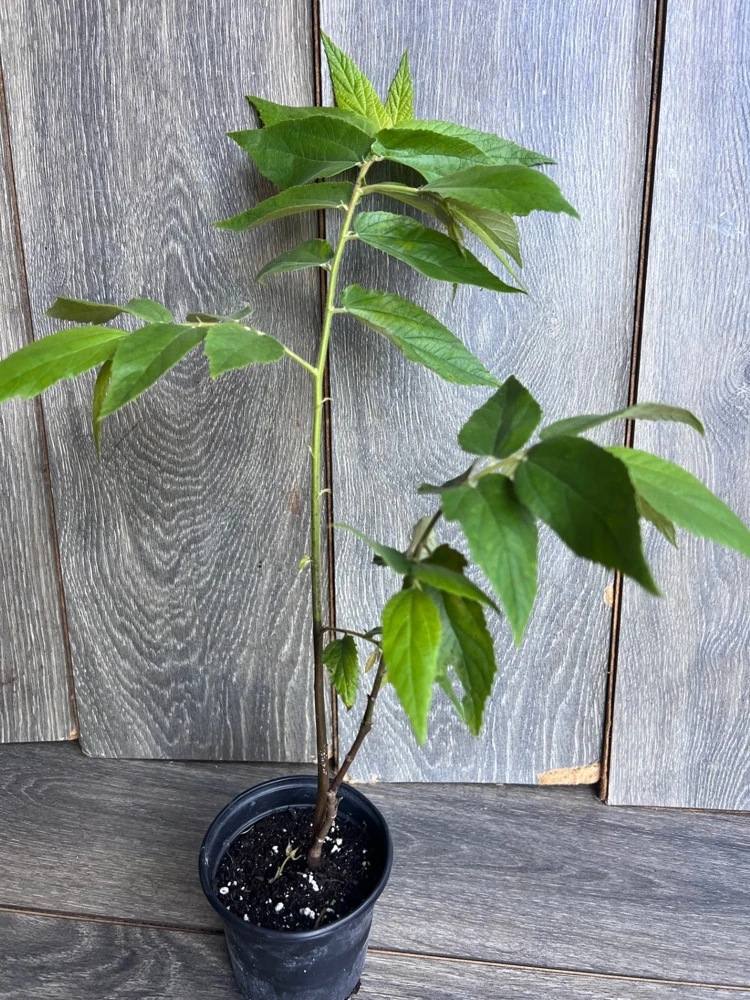
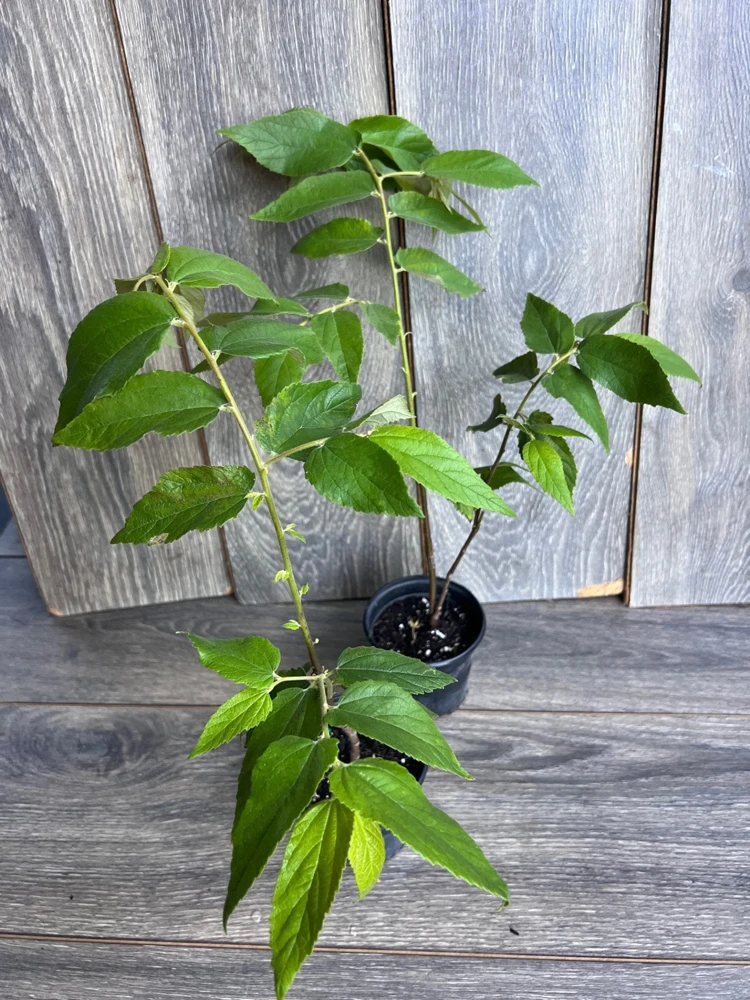
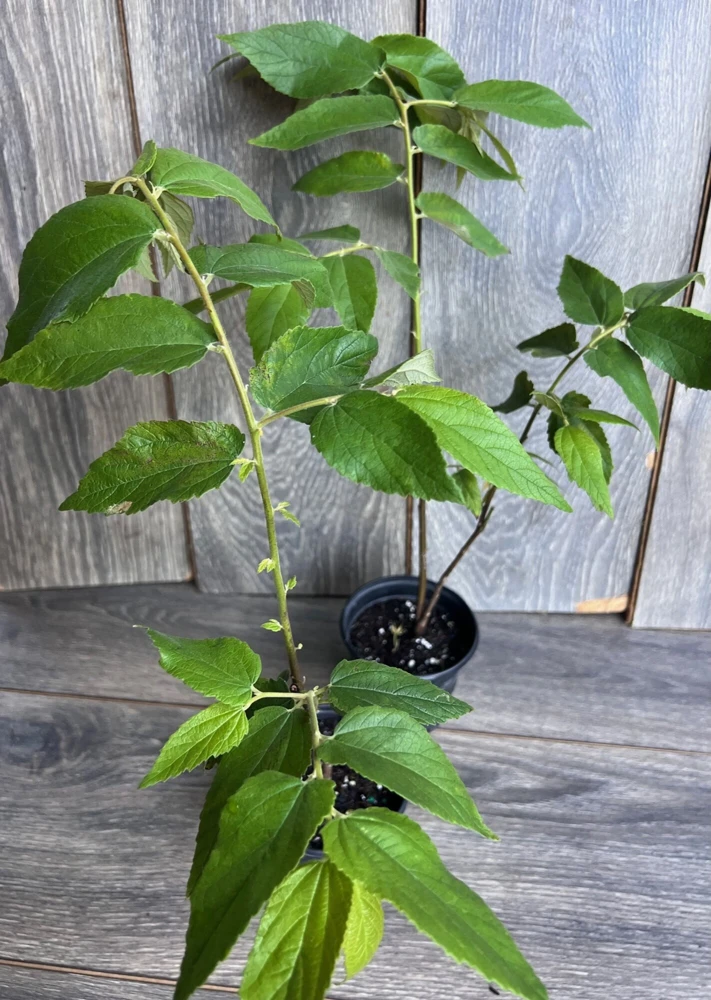
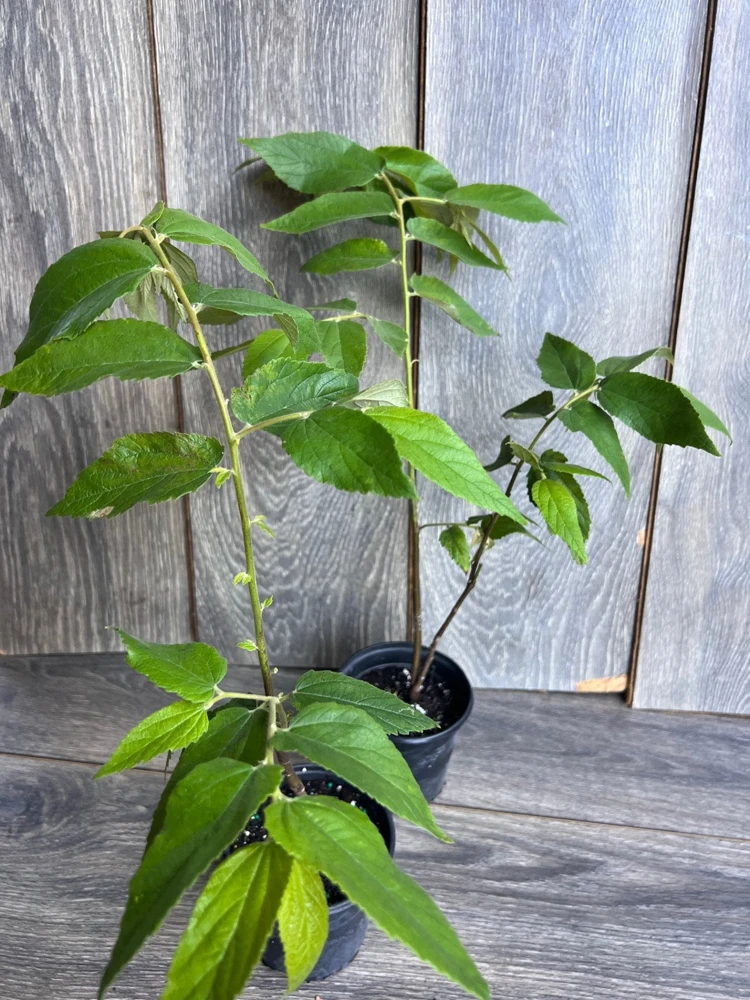
Strawberry Tree Plant (Muntingia calabura) – Jamaican Cherry Live Plant in 6″ Pot – Cannot ship to CA
Original price was: $83.13.$51.53Current price is: $51.53.
Bring the tropics to your garden with the strawberry tree live plant, also known as Muntingia calabura plant or Jamaican Cherry tree. This fast-growing tropical fruit tree yields abundant, sweet red fruits year-round in warm climates. Perfect for outdoor landscapes or container growing with proper pruning. Your live plant comes in a 6-inch pot, ready to thrive in full to partial sun.
Shipping and Return policies:
We stand behind our plants with our Alive & Thrive Guarantee. If you experience any issues within the first 30 days, please email us, and our team will be happy to help. When needed, we’ll send you a one-time replacement free of charge to make sure your garden keeps growing strong.

Reasonable Price
We offer reasonable price

Support 24/7
Contact us 24 hrs a day
100% Money Back
You’ve 30 days to Return
Payment Secure
100% secure payment
Overview
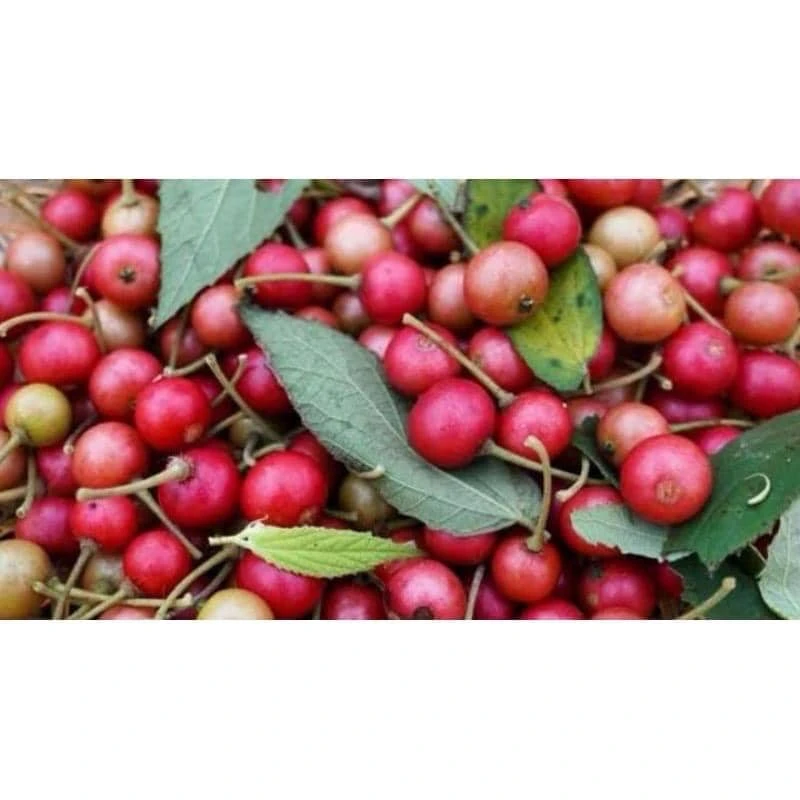
Discover the delightful strawberry tree live plant, scientifically known as Muntingia calabura. Also fondly called the Jamaican Cherry tree, this medium-sized tropical fruit tree is a fantastic addition to any garden or patio. It’s renowned for its rapid growth and continuous production of small, sweet, red, pea-sized fruits that are a true delicacy. While its common name, “Strawberry Tree,” might suggest strawberry-like fruit, it actually refers to the delicate flowers that resemble those of traditional strawberry plants. This resilient and rewarding tropical plant offers both ornamental beauty and a constant supply of delicious, edible fruit, making it a unique and valuable specimen for fruit enthusiasts and gardeners alike. Cultivating a muntingia calabura plant means enjoying fresh, sweet berries almost year-round in suitable climates.
The strawberry tree live plant is highly adaptable, thriving in various settings. Whether you’re looking to establish a new fruit tree in your landscape or prefer to cultivate it in a container on your balcony, this tree is an excellent choice. Its vigorous growth habit ensures a quick establishment and a bountiful harvest. The fruits are not only tasty but also attractive, adding a splash of color to your green space. Embrace the joy of growing your own tropical fruits with this exceptional and easy-to-care-for plant.
Key Benefits
The strawberry tree live plant offers a multitude of benefits, making it a highly desirable addition to any plant collection. From its delicious fruit to its fast growth, this plant is a true garden gem. Enjoy these advantages when you bring a muntingia calabura plant into your home or garden:
- Abundant Sweet Fruit: Enjoy a continuous supply of small, sweet, red fruits that are incredibly delicious and can be harvested year-round in tropical climates. These berries are perfect for fresh eating, jams, or desserts, offering a unique flavor profile.
- Fast-Growing Nature: This tree is known for its rapid growth rate, quickly establishing itself and providing shade and fruit sooner than many other fruit trees. Its vigorous nature makes it a rewarding plant for impatient gardeners.
- Attractive Flowers: Despite its common name, the beauty of the strawberry tree live plant lies in its charming white flowers, which resemble traditional strawberry blossoms, adding an ornamental touch to your garden.
- Versatile Growing Options: The Jamaican Cherry tree can be grown in the ground, reaching impressive heights, or maintained in containers with regular pruning, making it suitable for various garden sizes and styles.
- Attracts Wildlife: The sweet fruits and nectar-rich flowers can attract beneficial wildlife, such as birds and pollinators, enhancing the biodiversity of your garden space.
- Low Maintenance: Once established, this tropical fruit tree is relatively easy to care for, requiring consistent watering and fertilizing to maintain its health and productivity.
- Adaptable to Sun Conditions: Thrives in full sun but can also tolerate partial shade, offering flexibility in planting location within your landscape or patio.
Plant Care & Growing Tips
Caring for your strawberry tree live plant is straightforward, ensuring a healthy and productive tree that yields delicious fruit. This tropical beauty thrives with consistent attention to its basic needs. For optimal growth and fruit production, your muntingia calabura plant prefers a location with full sun exposure, meaning at least 6-8 hours of direct sunlight daily. While it tolerates partial shade, more sun generally leads to more fruit. Ensure consistent moisture, especially during its first few years of establishment. Once mature, it can tolerate occasional dry periods, but regular watering is best for continuous fruiting.
The ideal soil for a Jamaican Cherry tree is a well-draining, loamy soil with a slightly alkaline pH. Good drainage is crucial to prevent root rot. Fertilize regularly during the growing season with a balanced fertilizer to support its vigorous growth and heavy fruiting. While the tree can grow quite large in the ground (15-25 feet), it adapts well to container life with regular pruning to maintain a manageable size and shape. Pruning a few times a year will encourage bushier growth and more flowers and fruit. Protect your strawberry tree live plant from frost, as it is a tropical species.
Keep an eye out for common pests and diseases, though the strawberry tree live plant is generally robust. Ensure good air circulation and avoid overwatering to prevent fungal issues. With proper care, your tropical fruit tree will be a continuous source of sweet berries and a beautiful focal point in your garden. Understanding the specific needs for a healthy strawberry tree care regimen will lead to a thriving plant.
Size & Details
Your strawberry tree live plant (Muntingia calabura) will arrive in a 6-inch pot, providing a well-established young specimen ready for planting or continued container growth. These plants are fast-growing and can reach heights of 15 to 25 feet when planted directly in the ground in suitable climates. In containers, their size can be managed through regular pruning, making them versatile for various garden spaces, including patios and smaller yards. The plant will be shipped securely, ensuring it arrives in excellent condition, ready to thrive in its new environment. Expect your plant to begin producing its characteristic sweet red fruits within a relatively short period after planting, given adequate care and warm conditions.
The Jamaican Cherry tree is a vigorous grower, quickly developing a bushy canopy that provides ample shade and a continuous display of delicate white flowers. The fruits, though small, are produced in abundance, offering a consistent harvest. This tropical fruit tree is a long-lived perennial, providing years of enjoyment and delicious produce. The 6-inch pot size is ideal for transplanting into a larger container or directly into your garden bed, allowing for immediate growth and establishment.
Frequently Asked Questions
- Q: How big does the strawberry tree live plant get? A: When planted in the ground, the Jamaican Cherry tree can reach heights of 15 to 25 feet. If grown in a container, its size can be kept smaller with regular pruning, making it adaptable for various spaces.
- Q: What size pot does the plant come in? A: Your strawberry tree live plant will be shipped in a 6-inch pot, providing a healthy root system and a good start for your new tropical tree.
- Q: Is this an indoor or outdoor plant? A: The muntingia calabura plant is a tropical species best suited for outdoor growing in warm climates (USDA zones 9-11). In colder regions, it can be grown in containers and brought indoors during winter months.
- Q: How much sunlight does it need? A: The strawberry tree live plant thrives in full sun, requiring at least 6-8 hours of direct sunlight per day for optimal growth and fruit production. It can tolerate partial shade, but fruiting may be reduced.
- Q: Is this plant easy to care for? A: Yes, this tropical fruit tree is relatively easy to care for, especially once established. It requires consistent watering, regular fertilization, and occasional pruning to maintain its shape and encourage fruit production.
- Q: What condition will it arrive in? A: Your plant will arrive healthy and securely packaged in its 6-inch nursery pot, ready to be transplanted or placed in its new home. We take great care to ensure safe delivery.
- Q: Can I use the fruit of the Jamaican Cherry tree? A: Absolutely! The small red fruits are sweet and delicious, perfect for fresh eating, making jams, or adding to desserts. They are a popular treat in tropical regions.
- Q: How long until it blooms and fruits? A: The strawberry tree live plant is known for its fast growth and can start blooming and producing fruit within a relatively short period, often within the first year or two after planting, given ideal conditions.
- Q: What’s the best soil for strawberry tree care? A: This plant prefers well-draining, loamy soil with a slightly alkaline pH. Good drainage is essential to prevent root issues, and enriching the soil with organic matter will benefit its growth.
- Q: Will it survive winter in my zone? A: The muntingia calabura plant is sensitive to frost. It thrives in USDA zones 9-11. If you live in a colder zone, it’s best to grow it in a container and bring it indoors to a bright, protected location during winter.
Be the first to review “Strawberry Tree Plant (Muntingia calabura) – Jamaican Cherry Live Plant in 6″ Pot – Cannot ship to CA”
You must be logged in to post a review.
People also Viewed
Sold 50 products
$32.38
Sold 50 products
$27.38
Sold 50 products
$32.38
Sold 50 products
$19.88
Sold 50 products
$62.38
Sold 50 products
$24.88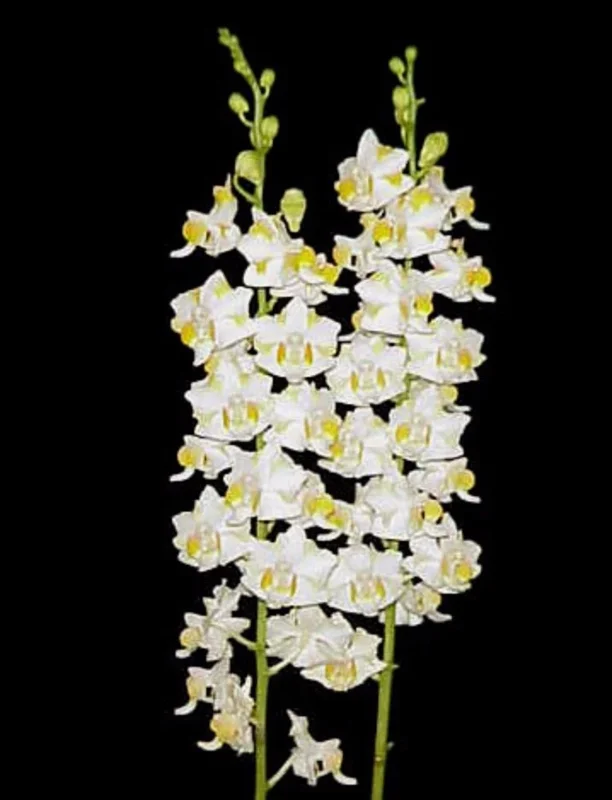
Houseplants
Phalaenopsis pulcherrima ‘Mauna Kea Snow’ Orchid Live Plant – White Flowers, Potted 2.5 in
Sold 50 products
$49.88
Sold 50 products
$49.88RELATED posts
Awapuhi Wild Ginger Plant: Zones, Care, and Propagation
Learn which USDA zones suit awapuhi wild ginger, plus sunlight, water, planting, propagation, pests, size, [...]
Awapuhi Shampoo Ginger – Care, Growing Zones, and Differences
Learn how to grow awapuhi (shampoo) ginger, its USDA zones, watering schedule, propagation tips, and [...]
Awapuhi Shampoo Plant Buying Guide – Choose the Right Zingiber zerumbet
META: Learn which awapuhi (shampoo ginger) plant or rhizome pack gives the best natural shampoo, [...]
Awapuhi Plant for Sale: Complete Buying Guide
Find the right awapuhi (shampoo ginger) plant, size, price, soil mix, and online source. Practical [...]
Shampoo Ginger Plant for Sale – Buying Guide & Tips
Find the right shampoo ginger plant, size, price, and care tips. Quick guide for U.S. [...]
Shampoo Ginger Plant (Awapuhi) Care Guide
Learn how to grow, care for, and use shampoo ginger (Zingiber zerumbet), the tropical awapuhi [...]
How to Grow Cuban Oregano Plants: A Complete Care Guide
If you’ve ever wanted a plant that combines the culinary punch of traditional oregano with [...]
Aug
How to Grow Habanero Pepper Plants: A Step-by-Step Guide
Habanero pepper plants are prized for their vibrant colors, intense heat, and exceptional flavor, making [...]
Aug
Reviews
There are no reviews yet.