
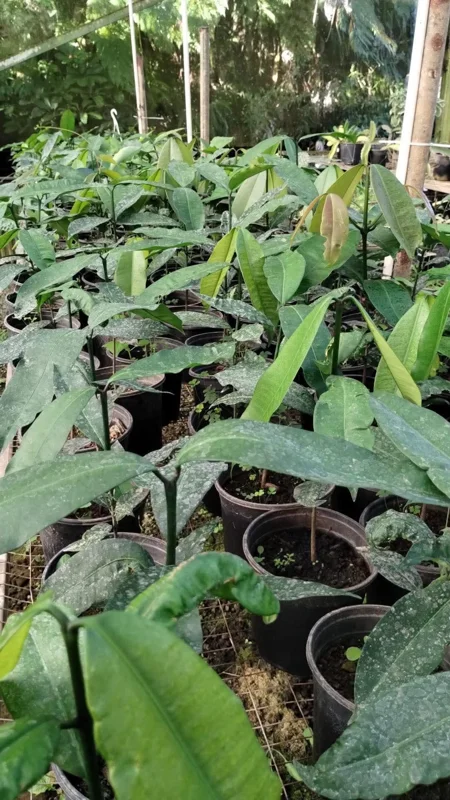
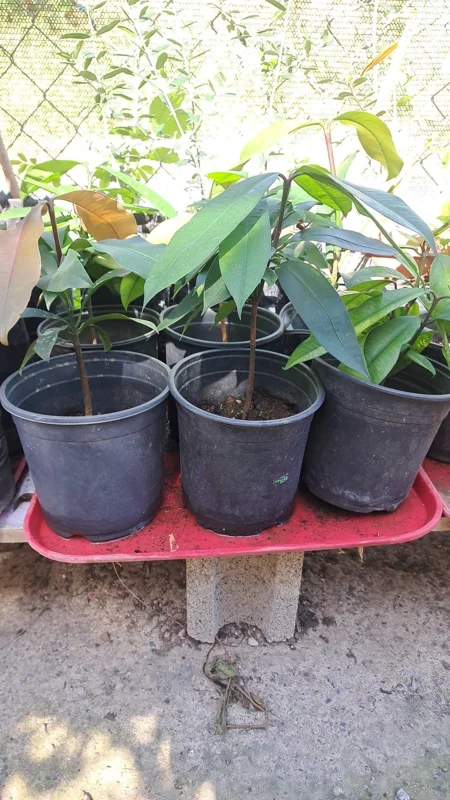
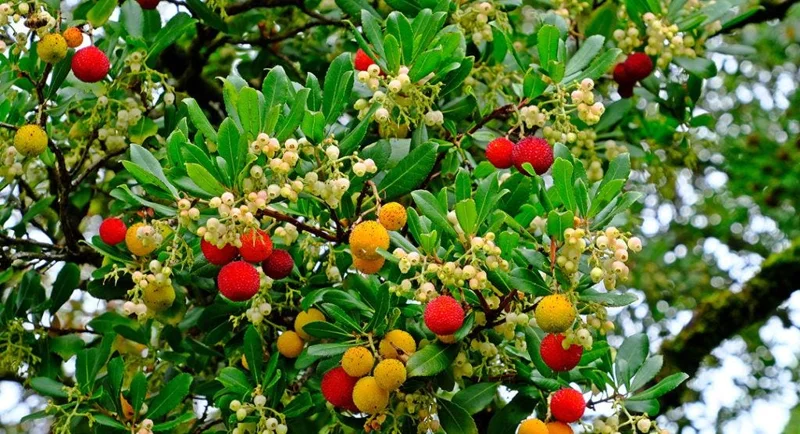
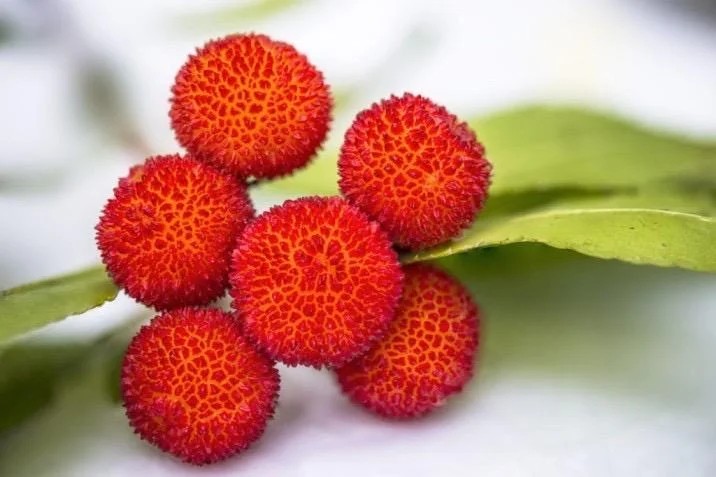
Strawberry Tree Live Plant – Arbutus Unedo Fruit Tree 10-24 inches tall, Outdoor
$127.50
Bring home a beautiful strawberry tree live plant (Arbutus unedo), known for its striking reddish bark, evergreen foliage, and delicious, edible fruit. This versatile tree adds year-round interest to any garden.
Shipping and Return policies:
We stand behind our plants with our Alive & Thrive Guarantee. If you experience any issues within the first 30 days, please email us, and our team will be happy to help. When needed, we’ll send you a one-time replacement free of charge to make sure your garden keeps growing strong.

Reasonable Price
We offer reasonable price

Support 24/7
Contact us 24 hrs a day
100% Money Back
You’ve 30 days to Return
Payment Secure
100% secure payment
Overview
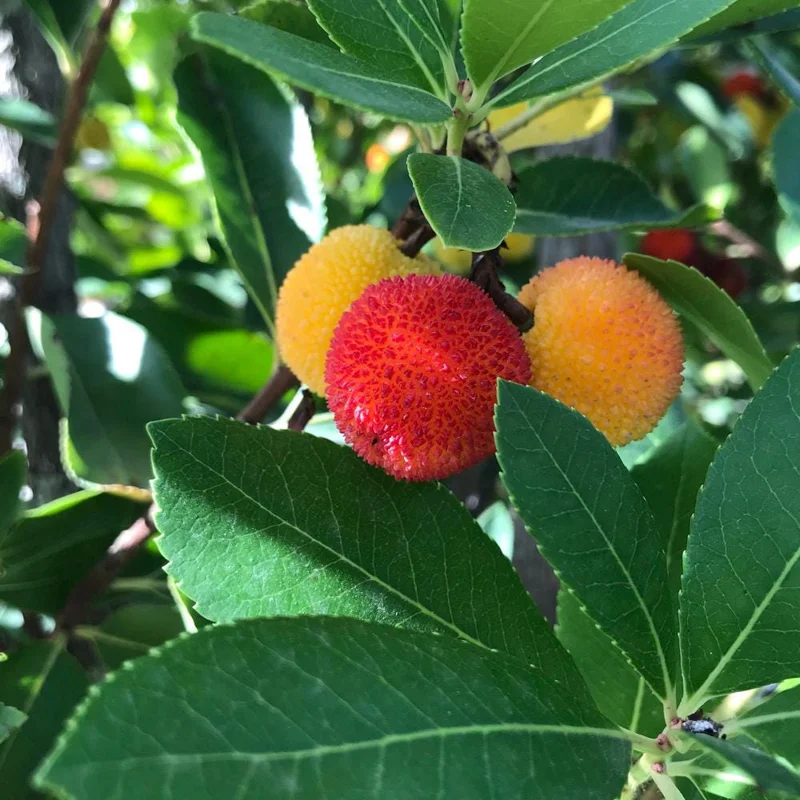
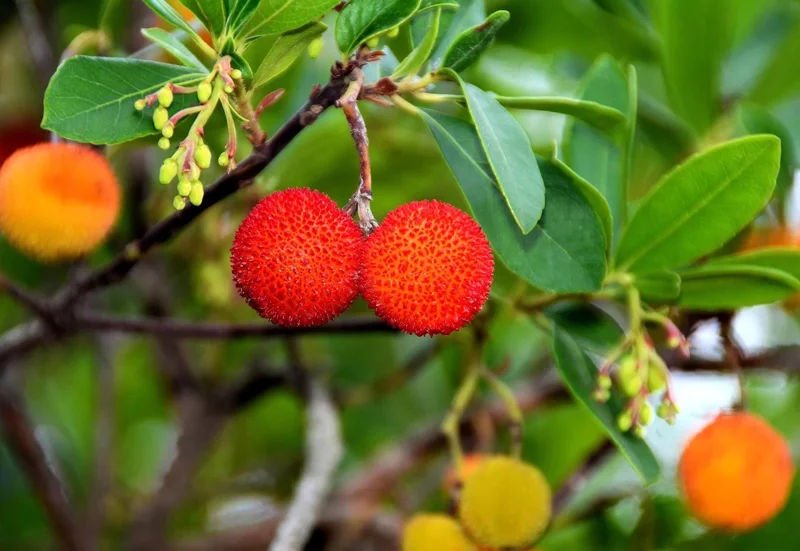
Introduce a unique and captivating specimen to your landscape with the strawberry tree live plant, scientifically known as Arbutus unedo. Often referred to as the Madroño tree, this evergreen marvel is prized for its ornamental qualities and edible fruit. Native to the Mediterranean region and Western Europe, the arbutus unedo is a slow-growing, long-lived tree that offers year-round visual interest. Its distinctive reddish trunk, which peels to reveal smooth, gray-brown bark, provides a striking contrast to its glossy green leaves. In autumn, the tree simultaneously displays delicate, bell-shaped white or pinkish flowers and ripe, red, strawberry-like fruits, making it a true showstopper. This madroño tree is an excellent choice for gardeners looking for a resilient, attractive, and fruitful addition to their outdoor space.
The strawberry tree live plant is not only beautiful but also resilient, adapting well to various soil conditions once established. Its ability to produce both flowers and fruit concurrently in the fall and winter months makes it a unique and valuable asset for any garden. The fruits, while resembling strawberries, have a slightly gritty texture and a sweet, subtly tart flavor, often used in jams, liqueurs, or eaten fresh. This particular offering is a healthy, established specimen, ranging from 10 to 24 inches in height, ready to thrive in your garden and provide years of enjoyment.
Key Benefits
The strawberry tree live plant offers a multitude of benefits, making it an excellent choice for diverse garden settings. Its unique characteristics contribute to both aesthetic appeal and ecological value.
- Year-Round Beauty: As an evergreen, the arbutus unedo maintains its vibrant green foliage throughout the year. Its reddish bark and autumn flowers and fruit ensure continuous visual interest, even during colder months.
- Edible & Ornamental Fruit: The distinctive red, globular fruits are not only visually appealing but also edible, offering a unique flavor profile that can be enjoyed fresh or processed into various culinary delights.
- Attractive Bark: The tree’s exfoliating reddish bark adds significant textural interest to the landscape, providing a unique focal point, especially in winter.
- Pollinator Friendly: The bell-shaped flowers that bloom in autumn provide a valuable nectar source for bees and other pollinators when many other plants have finished flowering.
- Drought Tolerance: Once established, the madroño tree is remarkably drought-tolerant, making it a sustainable choice for water-wise gardening in appropriate climates.
- Versatile Landscaping: Suitable for a variety of landscape uses, from a standalone specimen tree to an attractive hedge or screen, adding structure and beauty.
- Low Maintenance: Generally, the strawberry tree live plant is a low-maintenance tree, requiring minimal pruning and pest management once established, allowing you more time to enjoy its beauty.
Plant Care & Growing Tips
Caring for your strawberry tree live plant is relatively straightforward, especially once it has established itself in your garden. This resilient tree thrives with proper attention to its basic needs. For optimal growth and fruit production, ensure it receives adequate sunlight. The arbutus unedo prefers full sun to partial shade, meaning at least 6 hours of direct sunlight per day. While it can tolerate some shade, more sun generally leads to denser foliage and more abundant fruiting. Provide good air circulation around the tree to help prevent fungal issues.
When it comes to watering, young madroño tree specimens require regular irrigation to help them establish strong root systems. Once mature, they are quite drought-tolerant and will only need occasional watering during prolonged dry spells. The key is to ensure the soil is well-draining, as soggy conditions can lead to root rot. A slightly acidic to neutral soil pH is ideal, and it can tolerate a range of soil types from sandy to clay, provided drainage is good. Fertilization is generally not heavily required; a balanced, slow-release fertilizer in early spring can be beneficial for younger trees or those in poor soil. Pruning should be minimal, primarily to remove dead or damaged branches or to shape the tree, ideally after fruiting is complete. Protect young trees from hard freezes in colder zones.
Understanding strawberry tree care will ensure your plant flourishes. Pay attention to its leaves for any signs of stress, such as yellowing or wilting, which might indicate over or under-watering. While generally pest-resistant, keep an eye out for common garden pests. The tree is hardy and adapts well, making it a rewarding addition for gardeners looking for a resilient and attractive fruiting tree.
Size & Details
This offering is for a vibrant strawberry tree live plant (Arbutus unedo) that stands approximately 10 to 24 inches tall. These young trees are well-rooted and ready for planting in your garden. The growth rate of the arbutus unedo is considered moderate, typically adding about 12-24 inches in height per year under ideal conditions. When mature, a madroño tree can reach heights of 15-30 feet with a similar spread, forming a dense, rounded crown. The tree will arrive as a potted plant, ensuring minimal transplant shock and a smooth transition to its new home. Expect the first fruits to appear within a few years of planting, with increasing yields as the tree matures. The evergreen nature ensures continuous visual appeal, making it a valuable long-term investment for your landscape.
Frequently Asked Questions
- Q: How big does this strawberry tree get? A: This strawberry tree live plant is currently 10-24 inches tall. When mature, it can reach heights of 15-30 feet with a similar spread, making it a medium-sized tree suitable for many landscapes.
- Q: Is this an indoor or outdoor plant? A: The arbutus unedo is primarily an outdoor plant. It thrives in temperate climates and is best suited for garden planting, though it can be grown in large containers on patios in its hardiness zones.
- Q: How much sunlight does the strawberry tree need? A: This tree prefers full sun to partial shade, ideally receiving at least 6 hours of direct sunlight daily for optimal growth and fruit production.
- Q: What condition will the strawberry tree arrive in? A: Your strawberry tree live plant will arrive as a healthy, well-rooted potted specimen, carefully packaged to ensure its safe journey and readiness for planting.
- Q: Are the fruits of the strawberry tree edible? A: Yes, the fruits of the madroño tree are edible. They have a slightly gritty texture and a sweet, mildly tart flavor, often used in jams, jellies, or consumed fresh.
- Q: When is the best time to plant a strawberry tree? A: The best time to plant a strawberry tree live plant is typically in the spring or fall, allowing it to establish its root system before extreme summer heat or winter cold.
- Q: Will it survive winter in my zone? A: The arbutus unedo is generally hardy in USDA Zones 7-10. If you are in a colder zone, consider providing winter protection or growing it in a container that can be moved indoors.
- Q: Is this plant easy to care for? A: Yes, once established, the strawberry tree care is relatively easy. It is drought-tolerant and requires minimal pruning and maintenance, making it a good choice for both experienced and novice gardeners.
Be the first to review “Strawberry Tree Live Plant – Arbutus Unedo Fruit Tree 10-24 inches tall, Outdoor”
You must be logged in to post a review.
People also Viewed
Sold 50 products
Original price was: $37.48.$23.98Current price is: $23.98.
Sold 50 products
$32.38
Sold 50 products
$27.38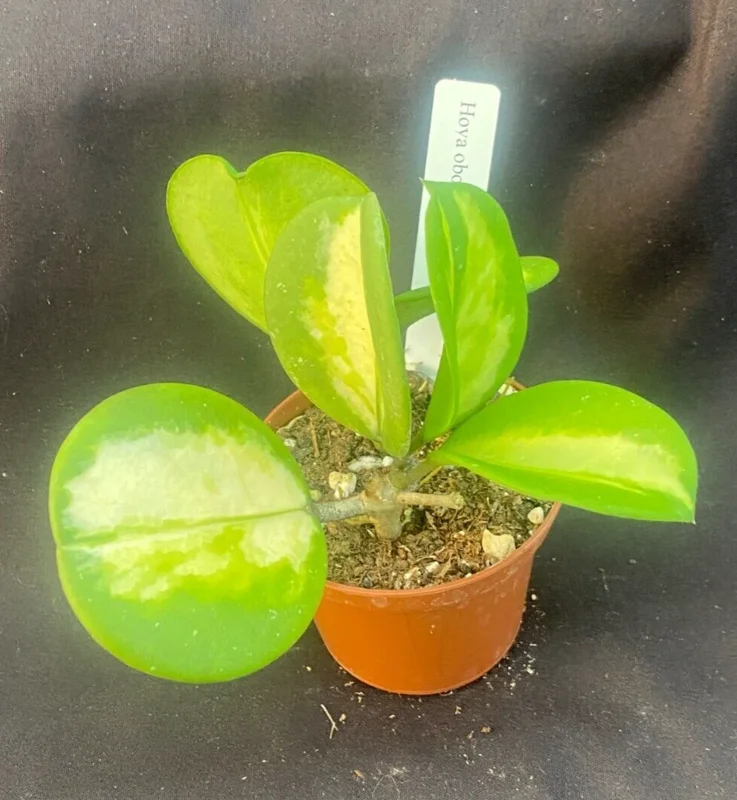
Sold 50 products
$32.38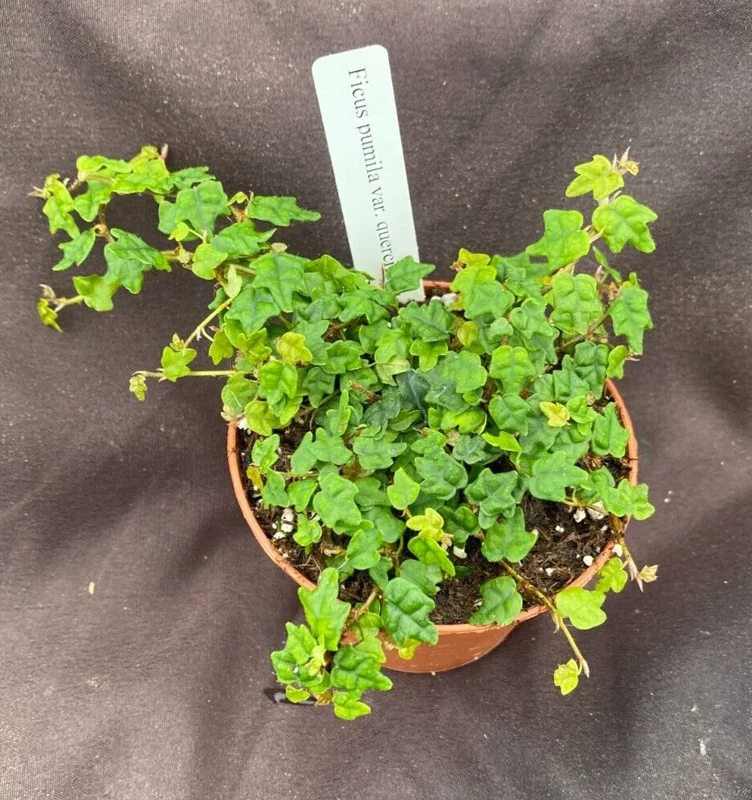
Sold 50 products
$19.88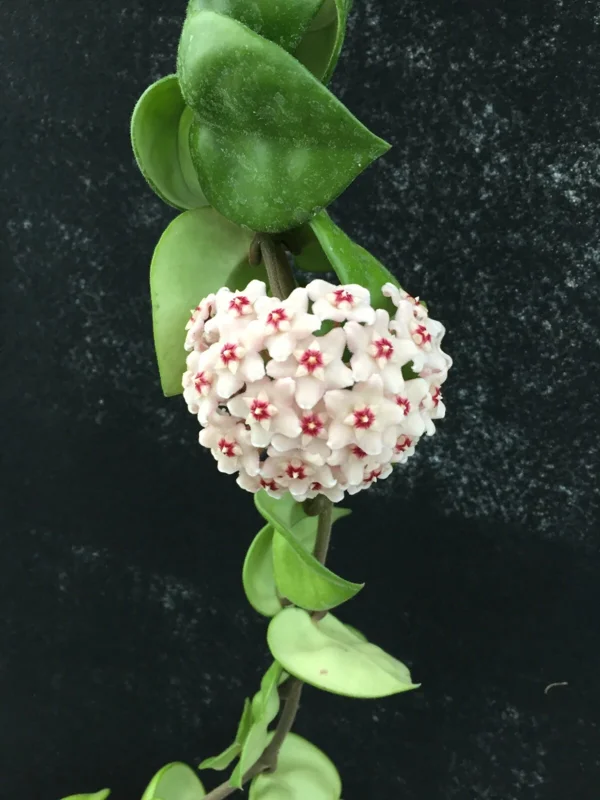
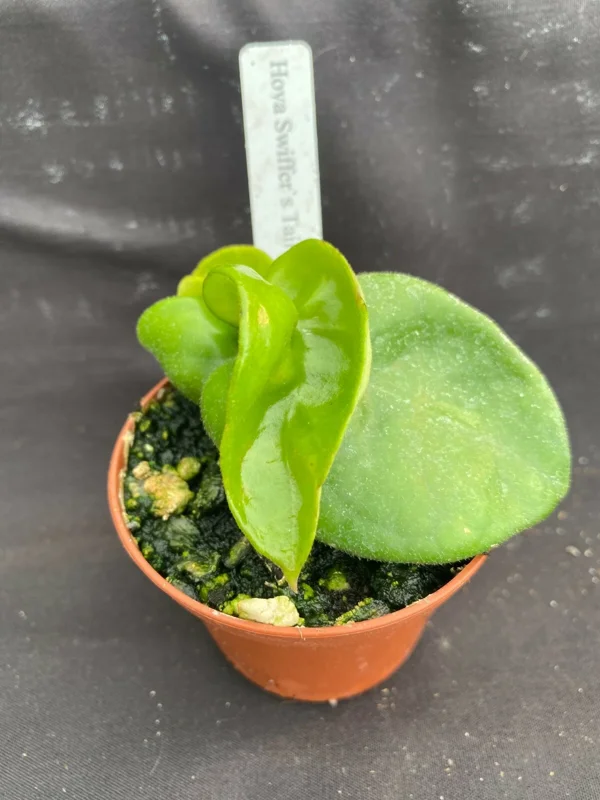
Sold 50 products
$62.38
Sold 50 products
$24.88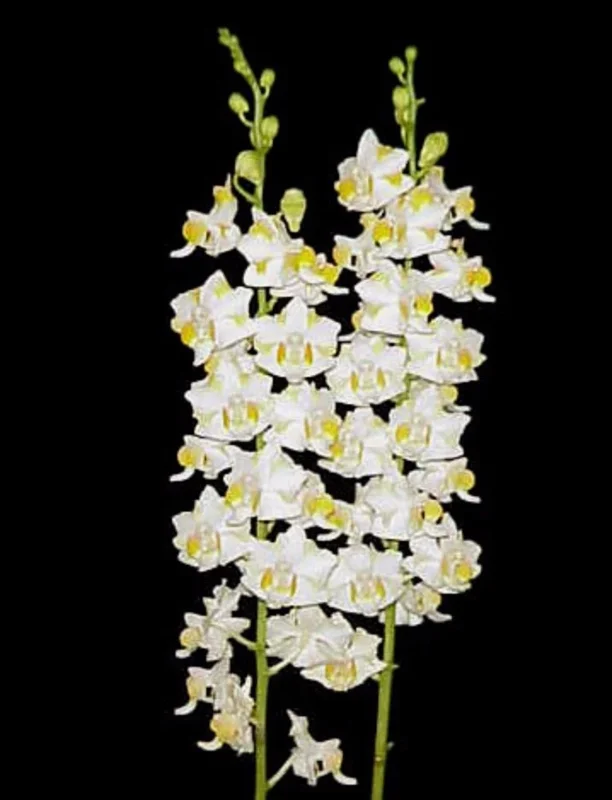
Houseplants
Phalaenopsis pulcherrima ‘Mauna Kea Snow’ Orchid Live Plant – White Flowers, Potted 2.5 in
Sold 50 products
$49.88RELATED posts
Awapuhi Wild Ginger Plant: Zones, Care, and Propagation
Learn which USDA zones suit awapuhi wild ginger, plus sunlight, water, planting, propagation, pests, size, [...]
Awapuhi Shampoo Ginger – Care, Growing Zones, and Differences
Learn how to grow awapuhi (shampoo) ginger, its USDA zones, watering schedule, propagation tips, and [...]
Awapuhi Shampoo Plant Buying Guide – Choose the Right Zingiber zerumbet
META: Learn which awapuhi (shampoo ginger) plant or rhizome pack gives the best natural shampoo, [...]
Awapuhi Plant for Sale: Complete Buying Guide
Find the right awapuhi (shampoo ginger) plant, size, price, soil mix, and online source. Practical [...]
Shampoo Ginger Plant for Sale – Buying Guide & Tips
Find the right shampoo ginger plant, size, price, and care tips. Quick guide for U.S. [...]
Shampoo Ginger Plant (Awapuhi) Care Guide
Learn how to grow, care for, and use shampoo ginger (Zingiber zerumbet), the tropical awapuhi [...]
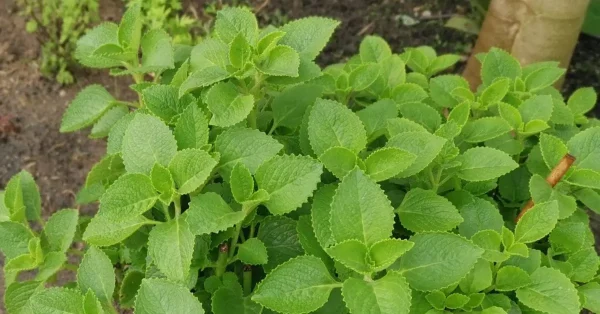
How to Grow Cuban Oregano Plants: A Complete Care Guide
If you’ve ever wanted a plant that combines the culinary punch of traditional oregano with [...]
Aug
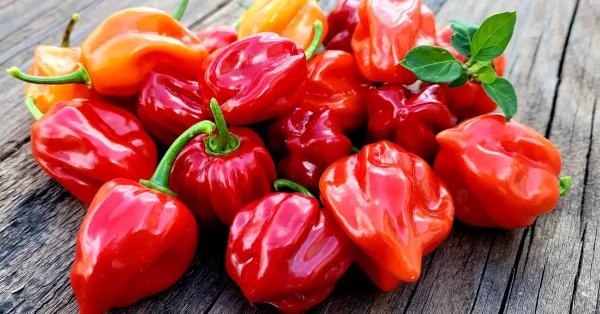
How to Grow Habanero Pepper Plants: A Step-by-Step Guide
Habanero pepper plants are prized for their vibrant colors, intense heat, and exceptional flavor, making [...]
Aug
Reviews
There are no reviews yet.