
Strawberry Palestine Clover Seeds – 800 Heirloom Trifolium Seeds for Soil & Forage
Original price was: $31.99.$11.99Current price is: $11.99.
Cultivate a vibrant and healthy garden with strawberry palestine clover seeds. This versatile heirloom Trifolium is perfect for soil improvement, ground cover, and attracting pollinators. Enhance your soil ecosystem with these easy-to-grow nitrogen-fixing seeds.
Shipping and Return policies:
We stand behind our plants with our Alive & Thrive Guarantee. If you experience any issues within the first 30 days, please email us, and our team will be happy to help. When needed, we’ll send you a one-time replacement free of charge to make sure your garden keeps growing strong.

Reasonable Price
We offer reasonable price

Support 24/7
Contact us 24 hrs a day
100% Money Back
You’ve 30 days to Return
Payment Secure
100% secure payment
Overview
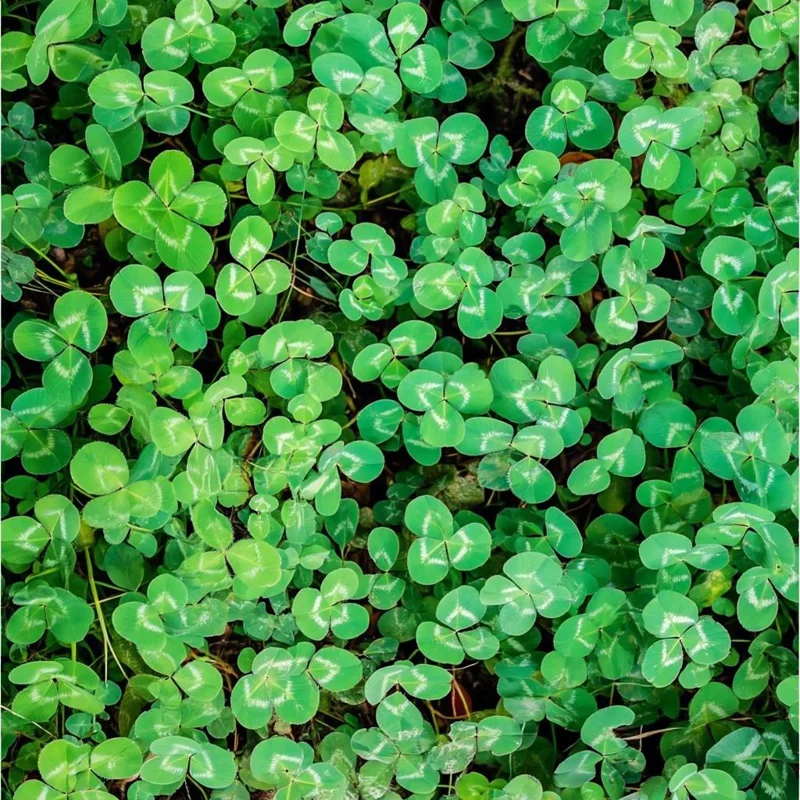
Transform your garden with our premium strawberry palestine clover seeds, an excellent choice for gardeners seeking both beauty and utility. This heirloom Trifolium species (Trifolium sp.) is celebrated for its remarkable nitrogen-fixing capabilities, which naturally enrich soil fertility and promote healthier plant growth without the need for chemical fertilizers. Known for its dense growth habit and charming strawberry-like foliage, this clover variety creates a lush, green carpet wherever it’s sown. Whether you’re looking to improve garden beds, establish an attractive ground cover, provide forage for livestock, or create a welcoming habitat for pollinators, these heirloom clover seeds are an ideal solution. Hardy and resilient, strawberry palestine clover seeds offer a sustainable and eco-friendly way to enhance your landscape while contributing to a thriving ecosystem.
Our trifolium seeds are carefully selected to ensure high germination rates and robust plant development, making them suitable for both novice and experienced gardeners. The unique foliage adds an ornamental touch, making this clover not just functional but also visually appealing. Embrace the benefits of natural soil enrichment and ecological balance with this exceptional clover variety.
Key Benefits
Integrating strawberry palestine clover seeds into your gardening plan offers a multitude of advantages for your soil and local environment. This adaptable plant provides aesthetic appeal while performing vital ecological functions. Here are some key benefits:
- Superior Soil Enrichment: As a legume, this clover excels in nitrogen fixation, drawing atmospheric nitrogen into the soil. This natural process significantly improves soil fertility, reducing the need for synthetic nitrogen fertilizers and supporting vigorous growth for surrounding plants. Investing in clover for soil improvement is a wise choice for long-term garden health.
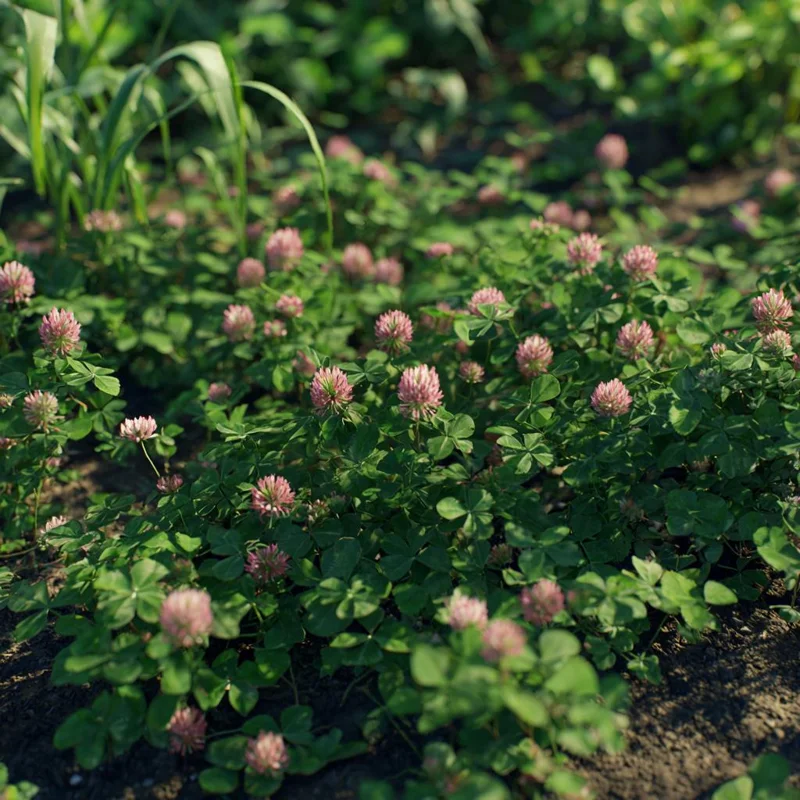
- Effective Ground Cover: The dense, spreading growth habit of Strawberry Palestine Clover makes it an excellent choice for ground cover. It helps suppress weeds, prevents soil erosion, and maintains consistent soil moisture, creating a neat and attractive landscape.
- Pollinator Attraction: The subtle yet numerous blooms of this clover are a magnet for beneficial pollinators, including bees and butterflies. By planting these seeds, you contribute to local biodiversity and support the health of essential pollinator populations in your garden.
- Forage for Livestock: Beyond its garden benefits, this clover serves as nutritious forage for various livestock, providing a valuable food source that is rich in protein and other essential nutrients.
- Low Maintenance: Once established, Strawberry Palestine Clover is remarkably hardy and requires minimal care. It’s drought-tolerant and resilient, making it a great option for gardeners seeking sustainable solutions with less effort.
- Heirloom Quality: These are heirloom clover seeds, meaning they come from a lineage of plants that have been passed down through generations, ensuring genetic integrity and reliable performance.
- Erosion Control: Its extensive root system helps to bind soil, making it highly effective in preventing erosion, especially on slopes or in areas prone to runoff.
Plant Care & Growing Tips
Growing strawberry palestine clover seeds is straightforward, making it an excellent choice for gardeners of all skill levels. For best results, sow seeds directly outdoors in early spring or fall when soil temperatures are consistently above 50°F (10°C). Prepare a well-drained, fertile soil bed, ensuring it is free of large debris. Plant the small trifolium seeds approximately ¼ inch deep, gently pressing the soil over them to ensure good seed-to-soil contact. Germination typically occurs within 7–14 days, given adequate moisture and warmth. For ground cover, you can broadcast the seeds evenly across the desired area, or for more structured planting, space rows about 12–18 inches apart.
This clover thrives in full sun to partial shade, requiring at least 4-6 hours of direct sunlight daily for optimal growth. While adaptable, it prefers moderately fertile, well-drained soil. Consistent moisture is crucial during the establishment phase; water regularly to keep the soil evenly moist but not waterlogged. Once established, it becomes more drought-tolerant, though occasional watering during dry spells will promote healthier growth. A light layer of mulch can help conserve soil moisture and suppress weeds. Fertilization is generally not necessary due to its nitrogen-fixing ability, but a light application of a balanced fertilizer can be given if soil appears particularly poor. Periodically trimming or mowing the clover will encourage denser growth and maintain healthy foliage. This contributes to vibrant clover for soil improvement and a beautiful landscape.
Strawberry Palestine Clover is a hardy plant, typically suited for USDA zones 4-9, making it adaptable to a wide range of climates. It’s quite resilient to various conditions, but protecting young seedlings from extreme temperatures is advisable. Monitor for common garden pests, though clover is generally robust. Its ability to attract pollinators also makes it a valuable addition to any ecological garden design.
Size & Details
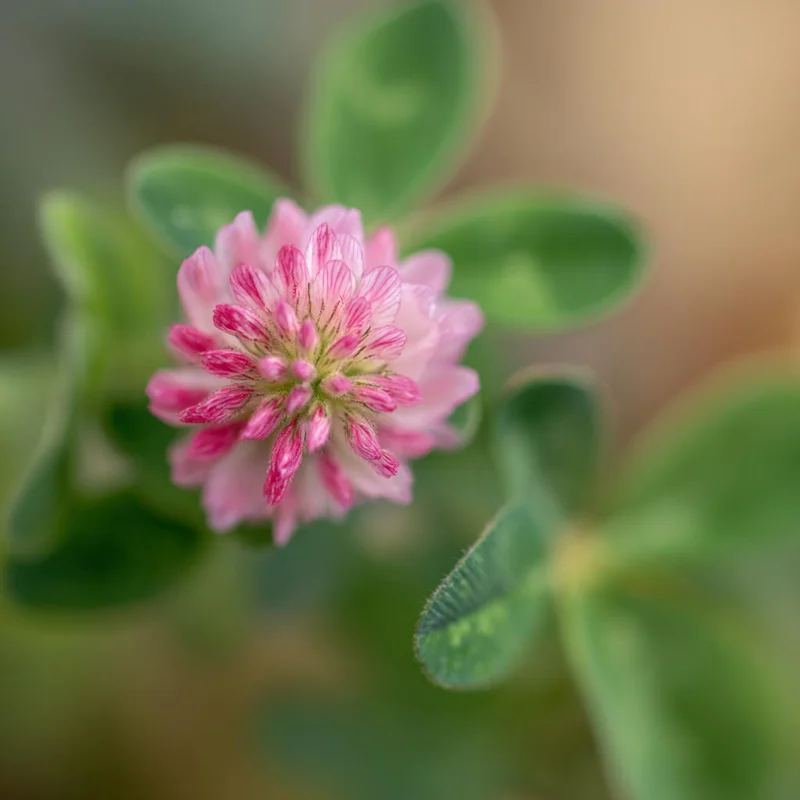
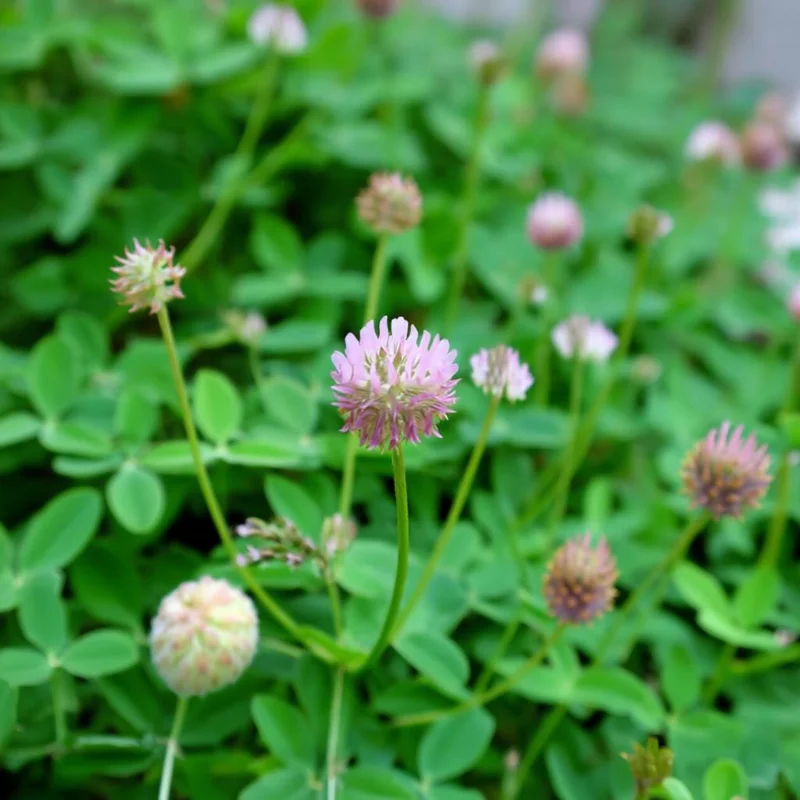
This offering includes 800 heirloom trifolium seeds of Strawberry Palestine Clover, providing ample quantity for establishing a significant area of ground cover or for multiple planting projects. Each seed is small, approximately 1-2mm in diameter, ensuring efficient coverage when broadcast. Once established, plants typically reach a height of 6-12 inches, forming a dense, spreading mat that can extend several feet wide over time. The growth rate is moderate, with noticeable coverage developing within a few weeks of germination and full establishment within one growing season. These seeds are shipped in a protective packet, ensuring their viability upon arrival. Expect the plants to produce their characteristic strawberry-like foliage and small, white to pinkish-white flowers throughout the growing season, especially in spring and early summer. The seeds are ideal for creating a natural, self-sustaining landscape element that will continue to benefit your garden for years to come.
Frequently Asked Questions
- Q: How many strawberry palestine clover seeds are included in this pack? A: This pack contains approximately 800 high-quality heirloom clover seeds, providing ample coverage for various gardening projects.
- Q: What is the best time to plant these trifolium seeds? A: The ideal time to plant is in early spring or fall, once the danger of hard frost has passed and soil temperatures are conducive to germination.
- Q: Is this clover suitable for all types of soil? A: While adaptable, Strawberry Palestine Clover prefers well-drained, moderately fertile soil. It can improve poorer soils over time due to its nitrogen-fixing properties.
- Q: How much sunlight does strawberry palestine clover need? A: This clover thrives in full sun to partial shade, requiring at least 4-6 hours of direct sunlight daily for optimal growth and flowering.
- Q: Will this clover attract bees and other pollinators? A: Yes, the small flowers of Strawberry Palestine Clover are very attractive to bees, butterflies, and other beneficial pollinators, enhancing your garden’s biodiversity.
- Q: How tall does Strawberry Palestine Clover grow? A: Once mature, this clover typically grows to a height of 6-12 inches, forming a dense ground cover.
- Q: Is this clover good for erosion control? A: Absolutely. Its dense growth and extensive root system make it an excellent choice for preventing soil erosion on slopes and other vulnerable areas.
- Q: Can I use this clover for livestock forage? A: Yes, Strawberry Palestine Clover is a nutritious and palatable forage crop for various types of livestock.
- Q: How long does it take for the seeds to germinate? A: Germination typically occurs within 7–14 days after planting, provided optimal soil moisture and temperature conditions.
- Q: What USDA zones are suitable for growing this clover? A: This clover is generally hardy and suitable for USDA zones 4 through 9, adapting well to a range of climates.
Be the first to review “Strawberry Palestine Clover Seeds – 800 Heirloom Trifolium Seeds for Soil & Forage”
You must be logged in to post a review.
People also Viewed
Sold 50 products
Original price was: $37.48.$23.98Current price is: $23.98.
Sold 50 products
$32.38
Sold 50 products
$27.38
Sold 50 products
$32.38
Sold 50 products
$19.88
Sold 50 products
$62.38
Sold 50 products
$24.88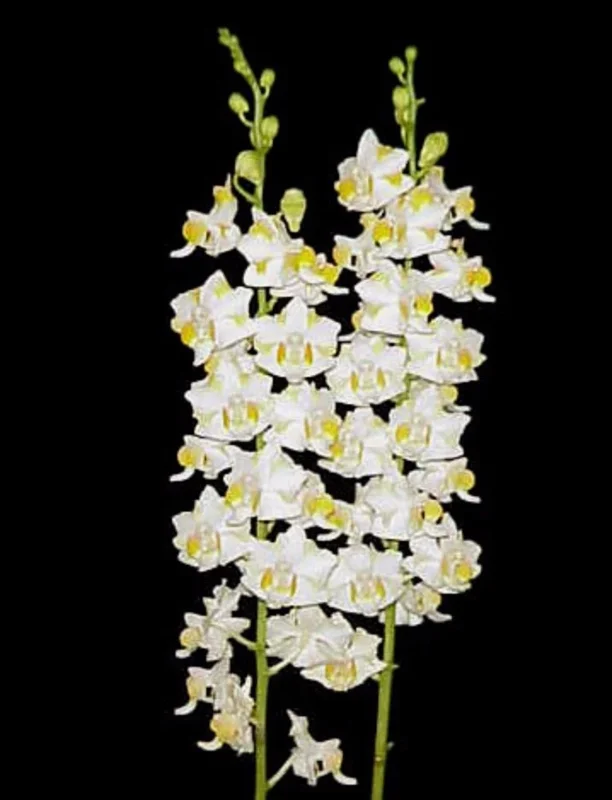
Houseplants
Phalaenopsis pulcherrima ‘Mauna Kea Snow’ Orchid Live Plant – White Flowers, Potted 2.5 in
Sold 50 products
$49.88RELATED posts
Awapuhi Wild Ginger Plant: Zones, Care, and Propagation
Learn which USDA zones suit awapuhi wild ginger, plus sunlight, water, planting, propagation, pests, size, [...]
Awapuhi Shampoo Ginger – Care, Growing Zones, and Differences
Learn how to grow awapuhi (shampoo) ginger, its USDA zones, watering schedule, propagation tips, and [...]
Awapuhi Shampoo Plant Buying Guide – Choose the Right Zingiber zerumbet
META: Learn which awapuhi (shampoo ginger) plant or rhizome pack gives the best natural shampoo, [...]
Awapuhi Plant for Sale: Complete Buying Guide
Find the right awapuhi (shampoo ginger) plant, size, price, soil mix, and online source. Practical [...]
Shampoo Ginger Plant for Sale – Buying Guide & Tips
Find the right shampoo ginger plant, size, price, and care tips. Quick guide for U.S. [...]
Shampoo Ginger Plant (Awapuhi) Care Guide
Learn how to grow, care for, and use shampoo ginger (Zingiber zerumbet), the tropical awapuhi [...]
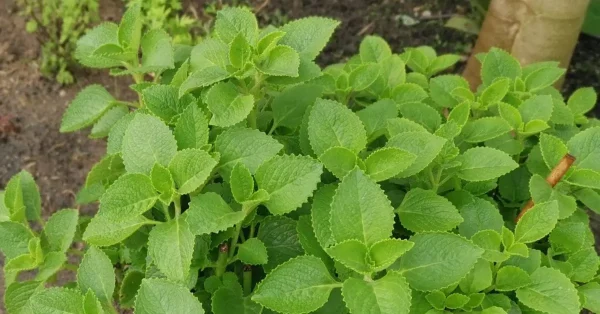
How to Grow Cuban Oregano Plants: A Complete Care Guide
If you’ve ever wanted a plant that combines the culinary punch of traditional oregano with [...]
Aug
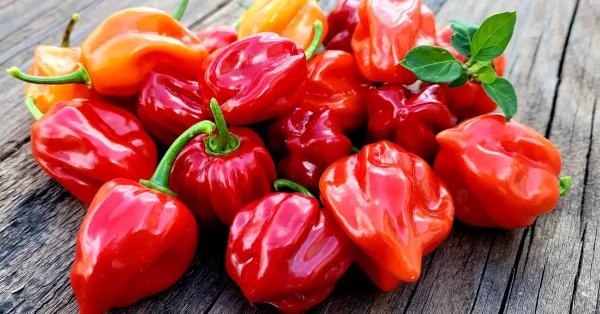
How to Grow Habanero Pepper Plants: A Step-by-Step Guide
Habanero pepper plants are prized for their vibrant colors, intense heat, and exceptional flavor, making [...]
Aug


Reviews
There are no reviews yet.