
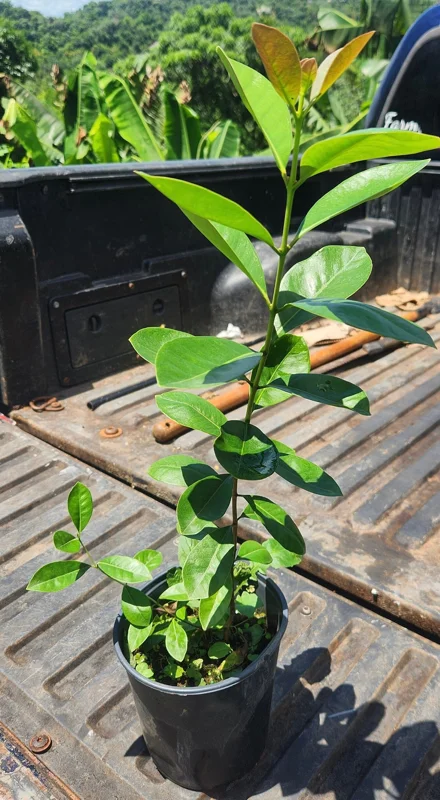
Strawberry Guava Live Fruit Tree (Psidium cattleyanum) 2-3ft Tall – Tropical Fruit Plant
$135.00
Bring the tropics to your home with a strawberry guava live fruit tree. This 2-3ft tall plant offers sweet, aromatic fruit and is a beautiful addition to any garden or patio. Easy to grow and maintain, it’s perfect for both beginners and experienced gardeners.
Shipping and Return policies:
We stand behind our plants with our Alive & Thrive Guarantee. If you experience any issues within the first 30 days, please email us, and our team will be happy to help. When needed, we’ll send you a one-time replacement free of charge to make sure your garden keeps growing strong.

Reasonable Price
We offer reasonable price

Support 24/7
Contact us 24 hrs a day
100% Money Back
You’ve 30 days to Return
Payment Secure
100% secure payment
Overview
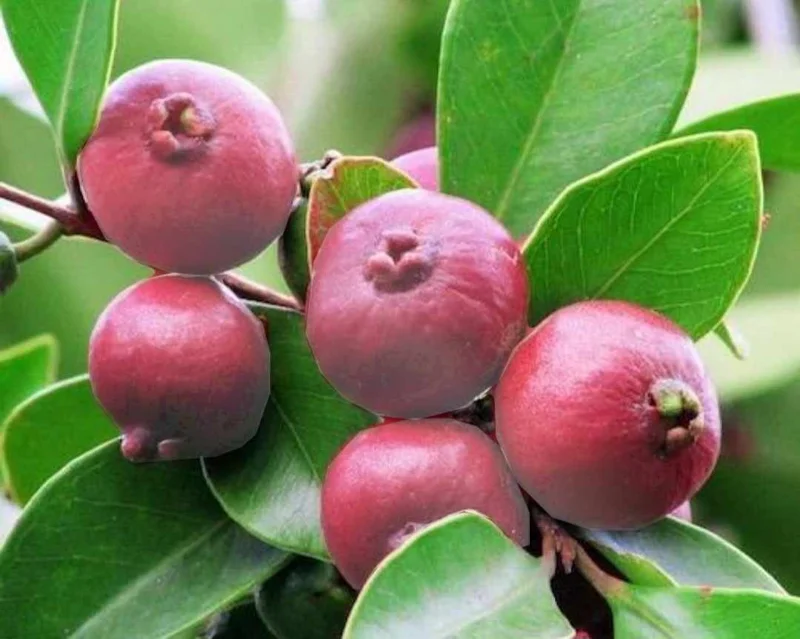
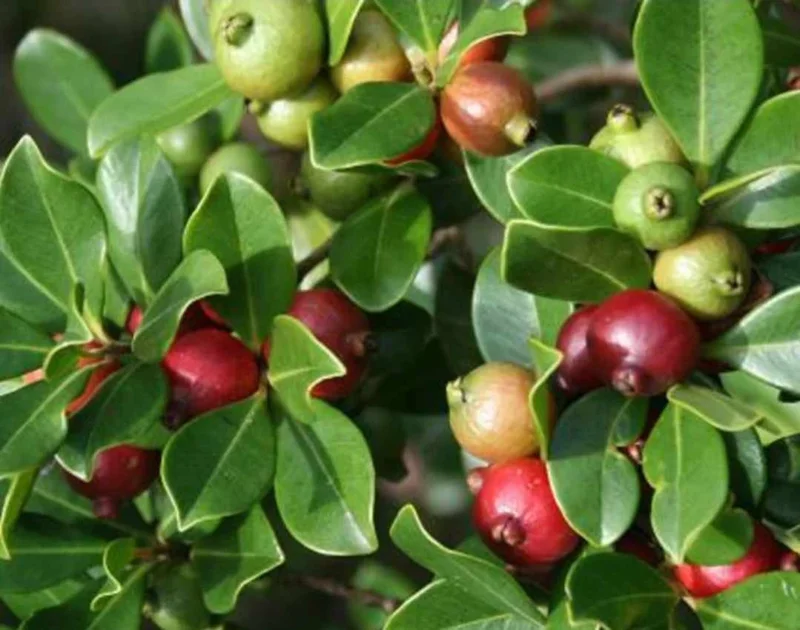
Cultivate your own exotic flavors with the strawberry guava live fruit tree. This vibrant plant, scientifically known as Psidium cattleyanum (often referred to as Psidium cattleianum), is a fantastic addition for anyone looking to enjoy fresh, homegrown tropical fruit. Originating from Brazil, the strawberry guava live fruit tree is celebrated for its small, round, red or yellow fruits that boast a sweet, tangy flavor reminiscent of strawberries and passionfruit. Growing to an impressive 2-3 feet in height at maturity (or when shipped, depending on the specific offering), this live plant is suitable for various growing environments, including containers on patios or as a standalone shrub in the garden. Its glossy green leaves and attractive bark add ornamental value, making it a dual-purpose plant for both beauty and bounty. Experience the joy of harvesting your own delicious, vitamin C-rich guavas right from your backyard or balcony.
The strawberry guava live fruit tree is known for its resilience and adaptability. Unlike some more finicky tropical plants, it can tolerate a range of conditions, making it a popular choice for gardeners in diverse climates. The fruit is not only tasty when eaten fresh but can also be used in jams, jellies, desserts, and beverages, offering a versatile culinary experience. This particular offering provides a healthy, established plant, ready to thrive in its new home and begin its journey towards fruit production. With proper care, you can expect this tropical gem to flourish and provide abundant harvests for years to come.
Key Benefits
The strawberry guava live fruit tree offers a multitude of benefits, making it an excellent choice for any plant enthusiast. From its delicious fruit to its ornamental appeal, this plant is truly a garden treasure.
- Homegrown Tropical Fruit: Enjoy the unparalleled taste of fresh, sweet, and tangy strawberry guavas directly from your own plant. These fruits are a delightful treat, perfect for snacking or culinary creations.
- Ornamental Value: Beyond its fruit, the Psidium cattleyanum plant features attractive glossy green foliage and often reddish bark, adding a lush, tropical aesthetic to your garden, patio, or indoor space.
- Easy to Grow: Known for its hardiness and adaptability, the strawberry guava is relatively low-maintenance compared to many other tropical fruit trees, making it suitable for gardeners of all skill levels.
- Container Friendly: Its manageable size means it can be successfully grown in large pots or containers, allowing even those with limited garden space to enjoy fresh tropical fruit.
- Nutrient Rich: Strawberry guavas are packed with vitamin C, antioxidants, and fiber, contributing to a healthy diet and offering numerous health benefits.
- Versatile Culinary Use: The fruit is incredibly versatile, ideal for eating fresh, making jams, jellies, sauces, pies, or adding a unique flavor to smoothies and drinks.
- Fast Production: While maturity varies, this plant can often begin producing fruit within 2-3 years, rewarding your efforts relatively quickly. Learn how to grow strawberry guava with ease.
Plant Care & Growing Tips
Caring for your strawberry guava live fruit tree is a rewarding experience that will lead to delicious fruit. These plants are relatively forgiving, but understanding their preferences will ensure a thriving specimen. They prefer a location with full sun, meaning at least 6-8 hours of direct sunlight per day. If growing indoors, place it near a bright, south-facing window or supplement with grow lights. Ensure good air circulation to prevent fungal issues.
When it comes to watering, the strawberry guava prefers consistently moist soil but dislikes being waterlogged. Water deeply when the top inch or two of soil feels dry to the touch. During hot, dry periods, this might mean daily watering, while in cooler months, you can reduce the frequency. Good drainage is crucial; use a well-draining potting mix for container plants and ensure your garden soil drains effectively. The ideal soil pH ranges from slightly acidic to neutral (5.5 to 7.0).
Fertilize your red strawberry guava tree every 2-3 months during the growing season (spring through fall) with a balanced, slow-release fertilizer or one formulated for fruit trees. Reduce fertilization in winter. The plant is generally hardy in USDA Zones 9-11, tolerating light frosts once established. In colder zones, it’s best to grow it in a container and bring it indoors during winter, or provide adequate protection. Pruning can be done to maintain shape, size, and to encourage more fruit production. Remove any dead or crossing branches to promote healthy growth. Understanding tropical fruit tree care is key to a bountiful harvest.
Size & Details
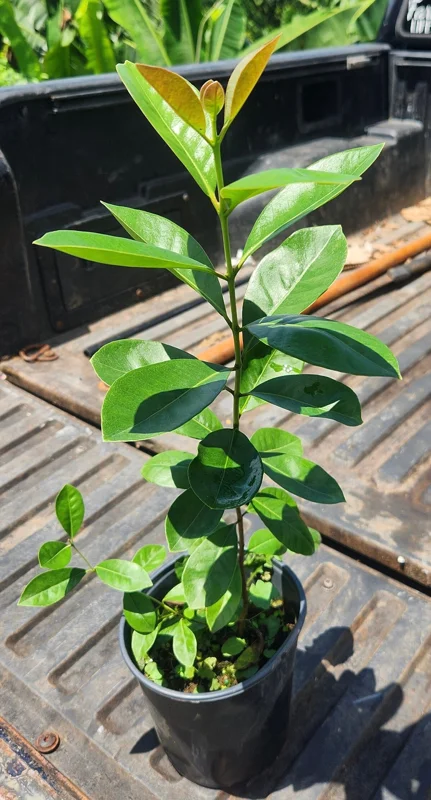
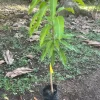
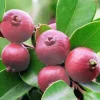
This offering is for a healthy strawberry guava live fruit tree that typically stands between 2-3 feet (24-36 inches) tall at the time of shipping. The exact height may vary slightly based on individual plant growth and recent pruning. These plants are well-rooted and established, ready to be transplanted into a larger pot or directly into your garden. They are shipped in a nursery pot, ensuring the root system is protected during transit. The plant’s growth rate is moderate, and with proper care, it can reach a mature height of 10-15 feet in the ground, though it can be kept smaller with regular pruning, especially when grown in containers. Expect fruit production to begin within 2-3 years from planting, with peak harvests typically occurring during late summer to fall, depending on your climate and specific growing conditions. The fruit itself is small, generally 1-1.5 inches in diameter, and can be red or yellow when ripe, offering a delightful aroma and taste.
Frequently Asked Questions
- Q: How big does this plant get? A: This strawberry guava live fruit tree is typically 2-3 feet tall when shipped. In the ground, it can grow up to 10-15 feet, but it can be maintained at a smaller size (around 5-8 feet) with regular pruning, especially when grown in containers.
- Q: Is this an indoor or outdoor plant? A: The Psidium cattleyanum plant can be grown both indoors and outdoors. It thrives outdoors in USDA Zones 9-11. In colder climates, it is best grown in a container and brought indoors during the winter months.
- Q: How much sunlight does it need? A: Strawberry guava plants prefer full sun, which means at least 6-8 hours of direct sunlight per day. If growing indoors, place it in the brightest spot available, ideally a south-facing window.
- Q: Is this plant easy to care for? A: Yes, the strawberry guava live fruit tree is considered relatively easy to care for. It’s known for its hardiness and adaptability, making it a good choice for both beginner and experienced gardeners.
- Q: Can I use strawberry guava in cooking? A: Absolutely! The fruits are delicious when eaten fresh, but they are also excellent for making jams, jellies, sauces, pies, and adding a unique tropical flavor to smoothies and other desserts.
- Q: How long until it blooms and fruits? A: With good care, your plant may start to flower and produce fruit within 2-3 years after planting. The main fruiting season typically occurs in late summer to fall.
- Q: What condition will it arrive in? A: Your red strawberry guava plant will arrive as a healthy, established live plant in a nursery pot, with its root system carefully protected to ensure a smooth transition to your home.
- Q: What’s the minimum temperature it can tolerate? A: Established strawberry guava plants can tolerate brief dips in temperature down to about 25-28°F (-4 to -2°C). For prolonged cold or freezing temperatures, protection or moving indoors is recommended.
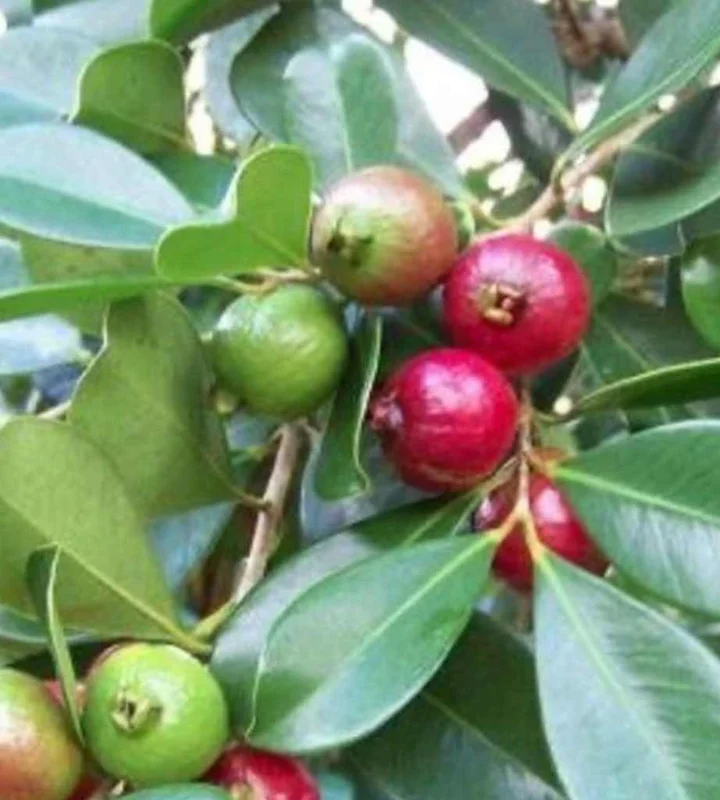
- Q: How do I know when the fruit is ripe? A: The fruit is ripe when it changes color from green to red or yellow, becomes soft to the touch, and easily detaches from the branch. It will also have a strong, sweet, fragrant aroma.
- Q: Is it good for beginners who want to grow strawberry guava? A: Yes, due to its resilience and relatively low maintenance requirements compared to other tropical fruit trees, it’s an excellent choice for beginners looking to grow their first fruit tree.
Be the first to review “Strawberry Guava Live Fruit Tree (Psidium cattleyanum) 2-3ft Tall – Tropical Fruit Plant”
You must be logged in to post a review.
People also Viewed
Sold 50 products
Original price was: $37.48.$23.98Current price is: $23.98.
Sold 50 products
$32.38
Sold 50 products
$27.38
Sold 50 products
$32.38
Sold 50 products
$19.88
Sold 50 products
$62.38
Sold 50 products
$24.88
Houseplants
Phalaenopsis pulcherrima ‘Mauna Kea Snow’ Orchid Live Plant – White Flowers, Potted 2.5 in
Sold 50 products
$49.88RELATED posts
Awapuhi Wild Ginger Plant: Zones, Care, and Propagation
Learn which USDA zones suit awapuhi wild ginger, plus sunlight, water, planting, propagation, pests, size, [...]
Awapuhi Shampoo Ginger – Care, Growing Zones, and Differences
Learn how to grow awapuhi (shampoo) ginger, its USDA zones, watering schedule, propagation tips, and [...]
Awapuhi Shampoo Plant Buying Guide – Choose the Right Zingiber zerumbet
META: Learn which awapuhi (shampoo ginger) plant or rhizome pack gives the best natural shampoo, [...]
Awapuhi Plant for Sale: Complete Buying Guide
Find the right awapuhi (shampoo ginger) plant, size, price, soil mix, and online source. Practical [...]
Shampoo Ginger Plant for Sale – Buying Guide & Tips
Find the right shampoo ginger plant, size, price, and care tips. Quick guide for U.S. [...]
Shampoo Ginger Plant (Awapuhi) Care Guide
Learn how to grow, care for, and use shampoo ginger (Zingiber zerumbet), the tropical awapuhi [...]
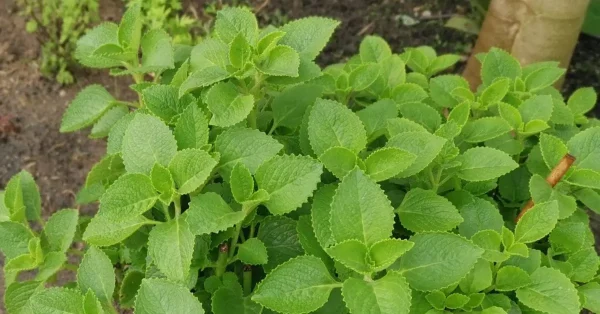
How to Grow Cuban Oregano Plants: A Complete Care Guide
If you’ve ever wanted a plant that combines the culinary punch of traditional oregano with [...]
Aug
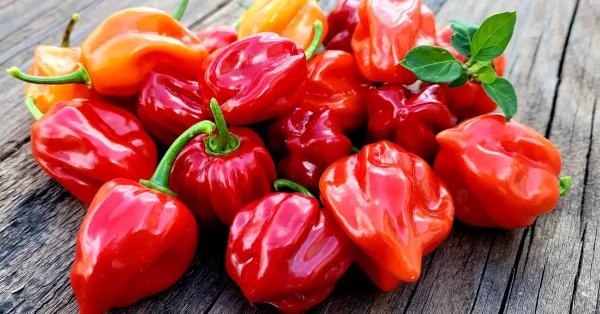
How to Grow Habanero Pepper Plants: A Step-by-Step Guide
Habanero pepper plants are prized for their vibrant colors, intense heat, and exceptional flavor, making [...]
Aug
Reviews
There are no reviews yet.