
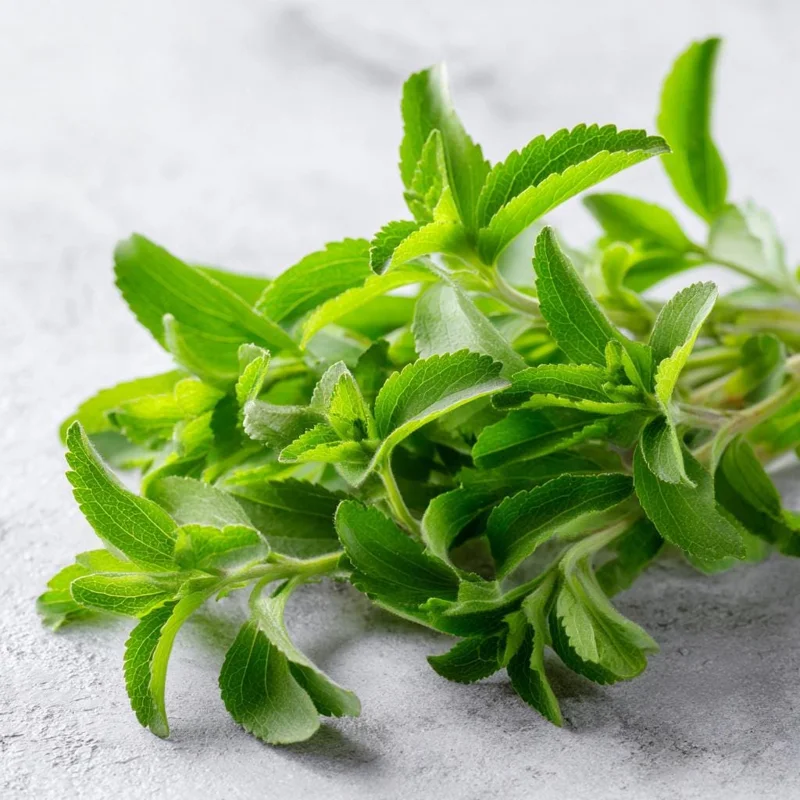
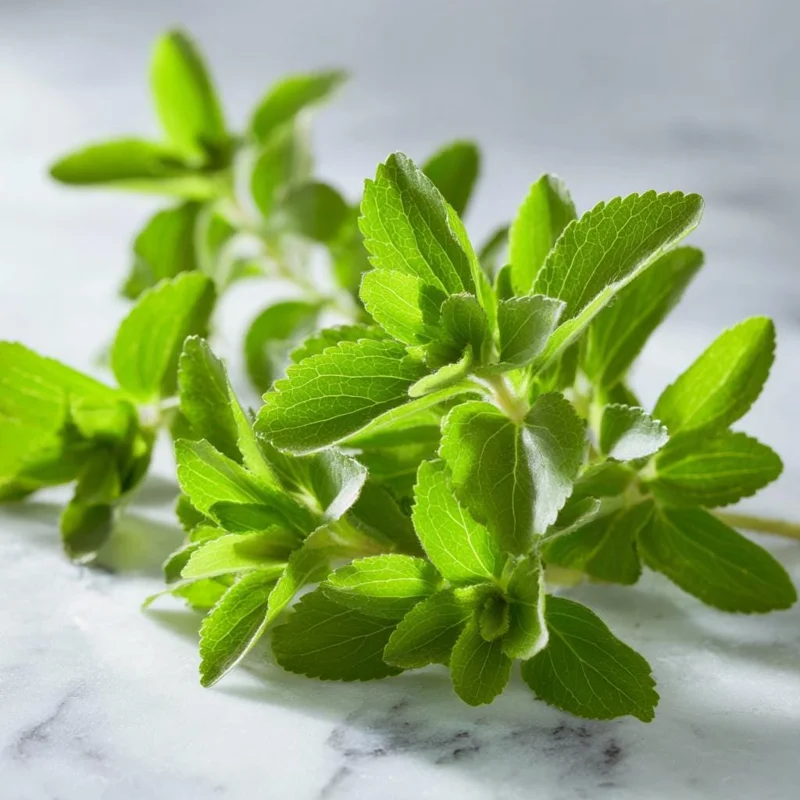
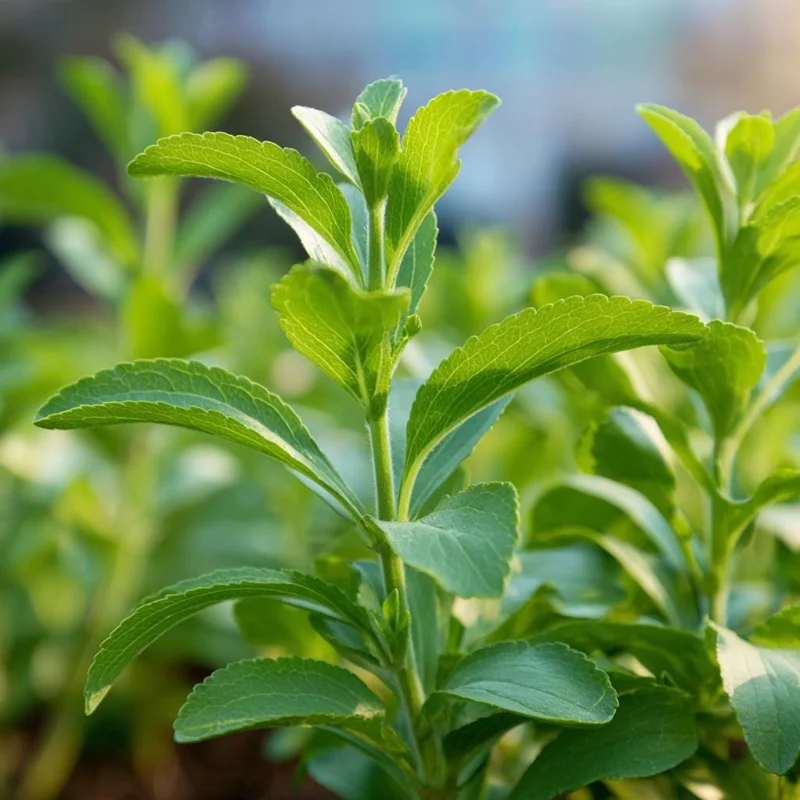
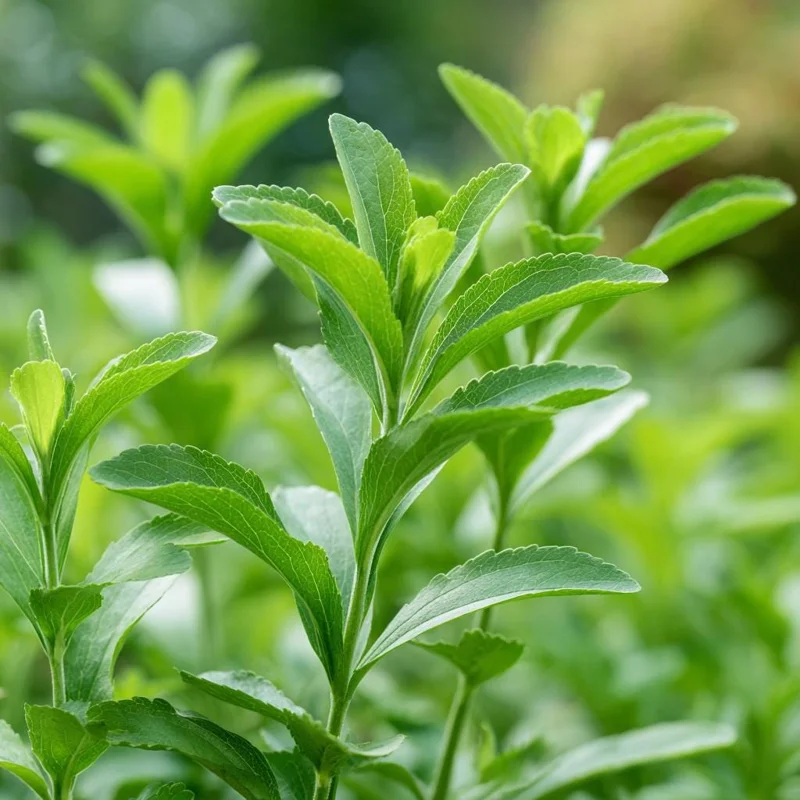
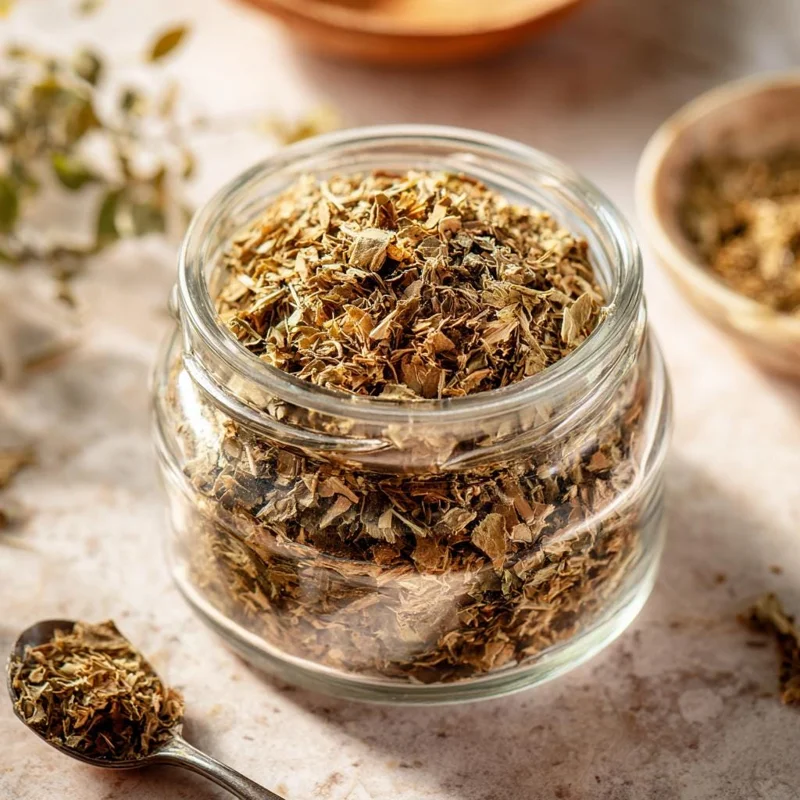
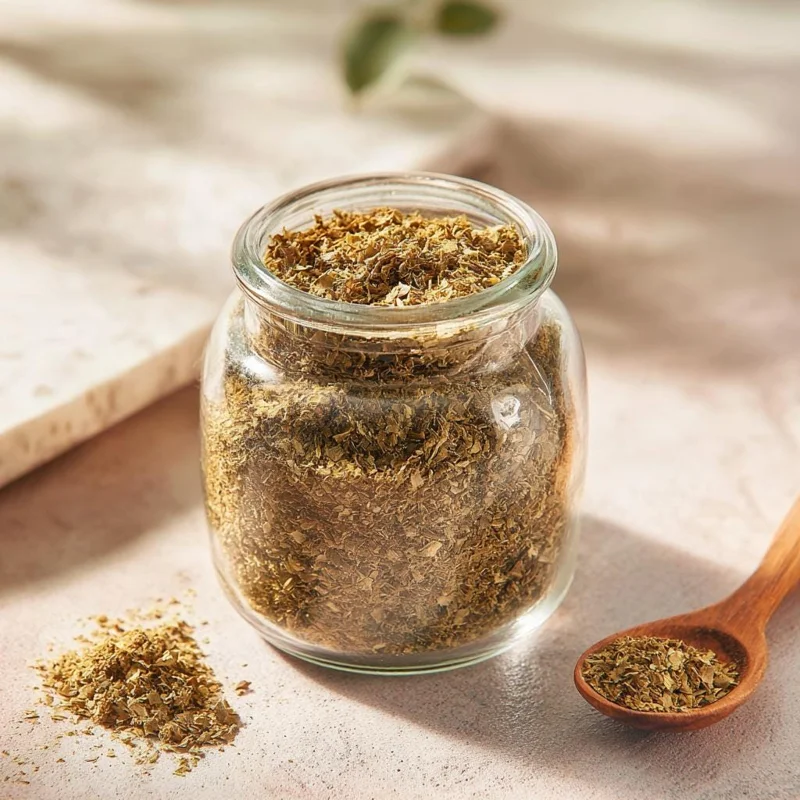
Stevia Sugar Leaf Seeds – 50 Heirloom Seeds for Natural Sweetener Plant
Original price was: $32.99.$12.99Current price is: $12.99.
Cultivate your own organic sweetener with stevia sugar leaf seeds. This heirloom natural sweetener plant (Stevia rebaudiana) produces sweet leaves for teas, drinks, and desserts. Easy to grow indoors or out, bringing healthy sweetness to your garden.
Shipping and Return policies:
We stand behind our plants with our Alive & Thrive Guarantee. If you experience any issues within the first 30 days, please email us, and our team will be happy to help. When needed, we’ll send you a one-time replacement free of charge to make sure your garden keeps growing strong.

Reasonable Price
We offer reasonable price

Support 24/7
Contact us 24 hrs a day
100% Money Back
You’ve 30 days to Return
Payment Secure
100% secure payment
Overview
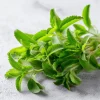
Discover the joy of growing your own natural sugar alternative with our premium stevia sugar leaf seeds. Stevia (Stevia rebaudiana) is a highly valued heirloom herb renowned for its intensely sweet leaves, which serve as an excellent, calorie-free sugar substitute. This low-growing perennial plant yields vibrant green, flavorful foliage that can be used fresh or dried in teas, beverages, desserts, and various culinary applications. Our heirloom stevia seeds are non-GMO, making them a sustainable and healthy choice for any gardener looking to reduce sugar intake. Beyond its sweet offerings, the stevia plant also attracts beneficial insects, contributing to a thriving garden ecosystem. Cultivating stevia rebaudiana seeds allows you to enjoy sweetness directly from your garden, offering a unique and rewarding gardening experience.
Whether you’re an experienced gardener or just starting, learning to grow stevia from seed is a straightforward process that promises a bountiful harvest of sweet leaves. These seeds are perfect for creating a sustainable source of natural sweetener right in your backyard or even in containers on a sunny balcony. The satisfaction of harvesting your own stevia leaves for a variety of uses, from sweetening your morning coffee to enhancing baked goods, is unparalleled. Embrace a healthier lifestyle by incorporating this wonderful natural sweetener plant into your home garden.
Key Benefits
Growing stevia from seed offers numerous advantages, both for your health and your garden. This remarkable plant provides a sustainable source of sweetness while being relatively easy to care for, making it a favorite among health-conscious gardeners.
- Natural Sweetener: Enjoy a calorie-free, natural alternative to sugar. The leaves of the stevia sugar leaf seeds plant are significantly sweeter than sugar, making them ideal for sweetening drinks and food without the added calories or artificial ingredients.
- Culinary Versatility: Fresh or dried stevia leaves can be used in a wide array of recipes, including teas, smoothies, baked goods, and desserts. This allows for creative and healthy substitutions in your daily diet.
- Heirloom & Non-GMO: Our heirloom stevia seeds ensure you’re growing a pure, unadulterated variety, free from genetic modification, supporting biodiversity and traditional gardening practices.
- Easy to Grow: Stevia is a relatively low-maintenance plant once established, thriving in sunny conditions with well-drained soil. It’s a rewarding plant for both novice and experienced gardeners, making it simple to grow stevia from seed.
- Attracts Beneficial Insects: Beyond its sweet leaves, the stevia plant can help attract pollinators and other beneficial insects to your garden, contributing to a healthier and more productive ecosystem.
- Sustainable & Cost-Effective: Growing your own provides a continuous supply of natural sweetener, reducing your reliance on store-bought options and saving money in the long run.
- Health-Conscious Choice: For those managing blood sugar levels or looking to reduce sugar intake, stevia rebaudiana seeds offer a perfect solution for guilt-free sweetness.
Plant Care & Growing Tips
Successfully cultivating stevia from seed requires attention to a few key environmental factors, ensuring a healthy and productive plant. To begin, sow your stevia sugar leaf seeds indoors approximately 8–10 weeks before the last expected frost date. Stevia seeds require light for germination, so sow them lightly on the soil surface and gently press them in, rather than burying them deep. Maintain a consistent soil temperature between 70–75°F (21–24°C) and keep the soil consistently moist but not waterlogged. Germination typically occurs within 10–21 days. Once seedlings are strong enough and the danger of frost has passed, transplant them outdoors, spacing each plant 12–18 inches apart. This spacing allows for adequate air circulation and growth.
For optimal growth, plant stevia in a location that receives full sun to partial shade. While it tolerates some shade, more sun generally leads to sweeter leaves. The soil should be well-drained and fertile; amending with compost can improve soil structure and nutrient content. Regular watering is crucial, especially during dry spells, but allow the top inch of soil to dry out between waterings to prevent root rot. Applying a layer of mulch around the base of the plants will help conserve soil moisture, regulate soil temperature, and suppress weed growth. Harvest leaves regularly to encourage bushier growth and prevent the plant from flowering, as flowering can reduce leaf sweetness. In colder climates, where temperatures drop below freezing, stevia is often grown as an annual or brought indoors as a container plant for the winter. This ensures you can continue to enjoy your natural sweetener plant year-round.
Fertilize your stevia plants sparingly; an all-purpose organic fertilizer applied once or twice during the growing season is usually sufficient. Over-fertilization can sometimes lead to reduced sweetness in the leaves. Keep an eye out for common garden pests, though stevia is generally quite resistant. Ensuring good air circulation and appropriate watering practices will also help prevent fungal diseases. With these care tips, you’ll be well on your way to a thriving crop of stevia rebaudiana seeds, providing you with a continuous supply of natural sweetness.
Size & Details
This product includes a packet of 50 high-quality stevia sugar leaf seeds, providing ample opportunity to establish a robust patch of this beneficial herb. Stevia plants typically grow to a height of 1-3 feet (30-90 cm) and a similar width, forming a bushy, compact perennial in warmer climates. When grown from heirloom stevia seeds, plants usually begin producing harvestable leaves within 60-90 days after transplanting. The leaves are the primary harvest, and their sweetness is most concentrated before the plant flowers. These seeds are suitable for planting in USDA hardiness zones 8-11 as a perennial, or as an annual in zones 4-7. They can also be successfully grown in containers, which allows for easy relocation indoors during colder months, extending your harvest season.
Each seed packet contains 50 individual stevia sugar leaf seeds, carefully selected for viability and genetic purity. The germination rate is typically good when proper conditions are met, ensuring a high yield of plants from your planting efforts. These seeds arrive ready for immediate sowing, providing you with everything needed to start your natural sweetener plant journey. The average lifespan of a well-cared-for stevia plant can be several years in suitable climates, offering a long-term supply of natural sweetness.
Frequently Asked Questions
- Q: How big does this plant get? A: Stevia plants typically grow to about 1 to 3 feet (30-90 cm) tall and wide, forming a compact, bushy plant. This size makes them suitable for both garden beds and larger containers.
- Q: Is this an indoor or outdoor plant? A: Stevia can be grown both indoors and outdoors. It thrives outdoors in warm climates (USDA zones 8-11) as a perennial, and as an annual or container plant brought indoors during winter in colder regions.
- Q: How much sunlight does it need? A: Stevia prefers full sun to partial shade. For the sweetest leaves, aim for at least 6 hours of direct sunlight per day.
- Q: What condition will the stevia sugar leaf seeds arrive in? A: Your stevia sugar leaf seeds will arrive in a sealed packet, ensuring their freshness and viability. They are ready for sowing upon receipt.
- Q: Is this plant easy to care for? A: Yes, stevia is considered relatively easy to care for once established. It requires consistent watering, well-drained soil, and adequate sunlight.
- Q: When is the best time to plant heirloom stevia seeds? A: It’s best to start heirloom stevia seeds indoors 8-10 weeks before the last frost date in your area. Transplant them outdoors after all danger of frost has passed.
- Q: Can I use stevia leaves in cooking? A: Absolutely! Stevia leaves are perfect for sweetening teas, coffee, smoothies, desserts, and various other culinary creations. They can be used fresh or dried.
- Q: What type of soil does stevia prefer? A: Stevia thrives in well-drained, fertile soil. Amending your soil with compost or organic matter can greatly improve its quality and support healthy growth.
- Q: How long until I can harvest leaves from my natural sweetener plant? A: You can typically start harvesting stevia leaves about 60-90 days after transplanting your seedlings. Regular harvesting encourages more leaf production.
- Q: Will my stevia rebaudiana seeds survive winter in my zone? A: If you are in USDA zones 8-11, your stevia plant may overwinter as a perennial. In colder zones, it’s best to treat it as an annual or bring it indoors as a container plant during winter.
Be the first to review “Stevia Sugar Leaf Seeds – 50 Heirloom Seeds for Natural Sweetener Plant”
You must be logged in to post a review.
People also Viewed
Sold 50 products
$32.38
Sold 50 products
$27.38
Sold 50 products
$32.38
Sold 50 products
$19.88
Sold 50 products
$62.38
Sold 50 products
$24.88
Houseplants
Phalaenopsis pulcherrima ‘Mauna Kea Snow’ Orchid Live Plant – White Flowers, Potted 2.5 in
Sold 50 products
$49.88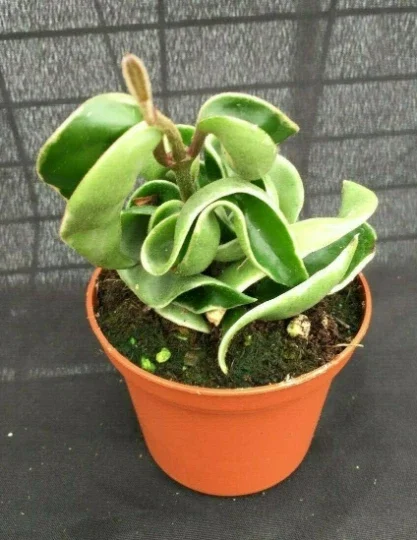
Sold 50 products
$49.88RELATED posts
Awapuhi Wild Ginger Plant: Zones, Care, and Propagation
Learn which USDA zones suit awapuhi wild ginger, plus sunlight, water, planting, propagation, pests, size, [...]
Awapuhi Shampoo Ginger – Care, Growing Zones, and Differences
Learn how to grow awapuhi (shampoo) ginger, its USDA zones, watering schedule, propagation tips, and [...]
Awapuhi Shampoo Plant Buying Guide – Choose the Right Zingiber zerumbet
META: Learn which awapuhi (shampoo ginger) plant or rhizome pack gives the best natural shampoo, [...]
Awapuhi Plant for Sale: Complete Buying Guide
Find the right awapuhi (shampoo ginger) plant, size, price, soil mix, and online source. Practical [...]
Shampoo Ginger Plant for Sale – Buying Guide & Tips
Find the right shampoo ginger plant, size, price, and care tips. Quick guide for U.S. [...]
Shampoo Ginger Plant (Awapuhi) Care Guide
Learn how to grow, care for, and use shampoo ginger (Zingiber zerumbet), the tropical awapuhi [...]
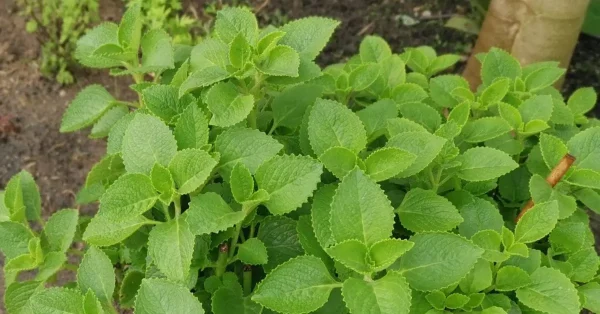
How to Grow Cuban Oregano Plants: A Complete Care Guide
If you’ve ever wanted a plant that combines the culinary punch of traditional oregano with [...]
Aug
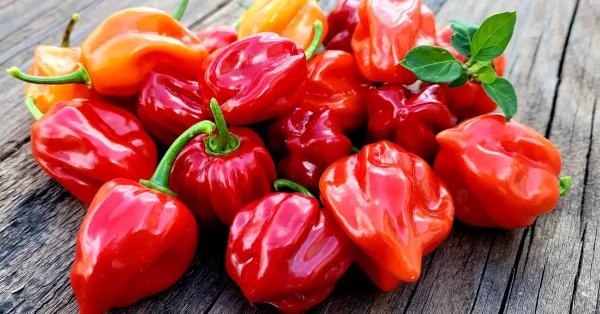
How to Grow Habanero Pepper Plants: A Step-by-Step Guide
Habanero pepper plants are prized for their vibrant colors, intense heat, and exceptional flavor, making [...]
Aug
Reviews
There are no reviews yet.