
Sesbania Sesban Seeds – Egyptian Riverhemp Tree Seeds – 10 Count
Original price was: $25.00.$17.50Current price is: $17.50.
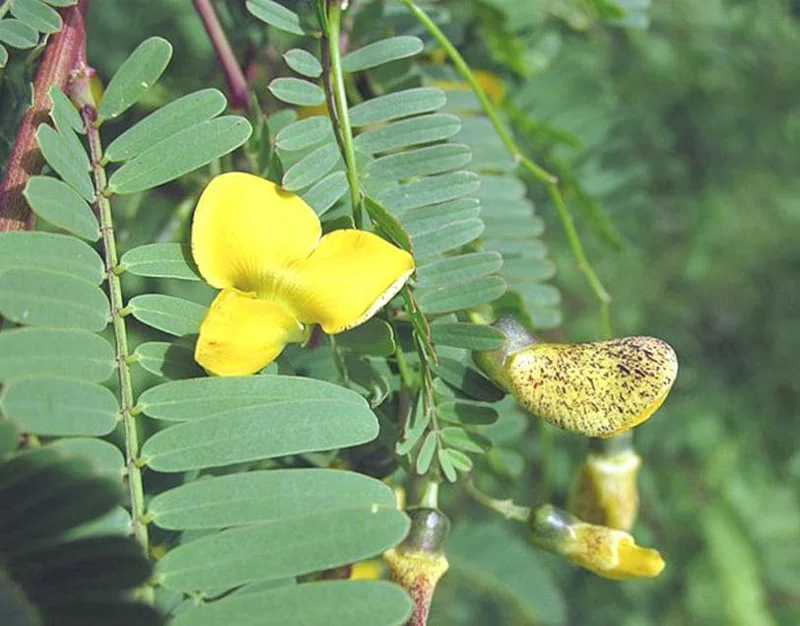
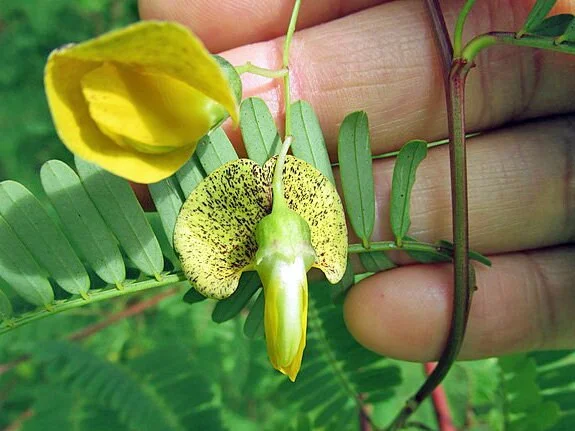
Cultivate the versatile Sesbania sesban seeds, also known as Egyptian Riverhemp seeds. These fast-growing, nitrogen-fixing tree seeds are perfect for enriching soil, agroforestry, and creating stunning displays of red to yellow flowers. Each pack contains 10 high-quality seeds ready for planting.
Shipping and Return policies:
We stand behind our plants with our Alive & Thrive Guarantee. If you experience any issues within the first 30 days, please email us, and our team will be happy to help. When needed, we’ll send you a one-time replacement free of charge to make sure your garden keeps growing strong.

Reasonable Price
We offer reasonable price

Support 24/7
Contact us 24 hrs a day
100% Money Back
You’ve 30 days to Return
Payment Secure
100% secure payment
Overview
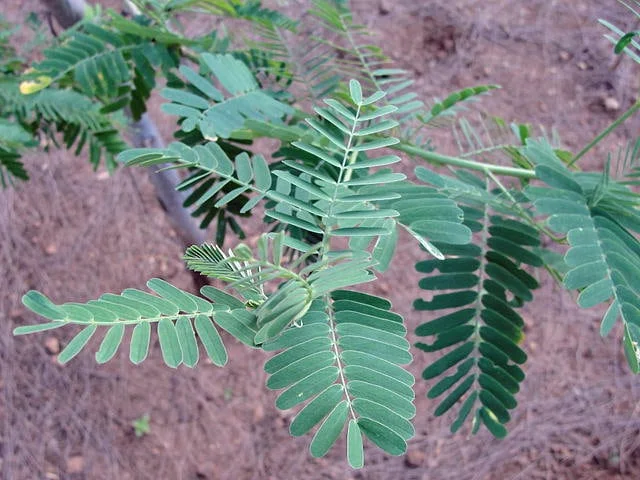
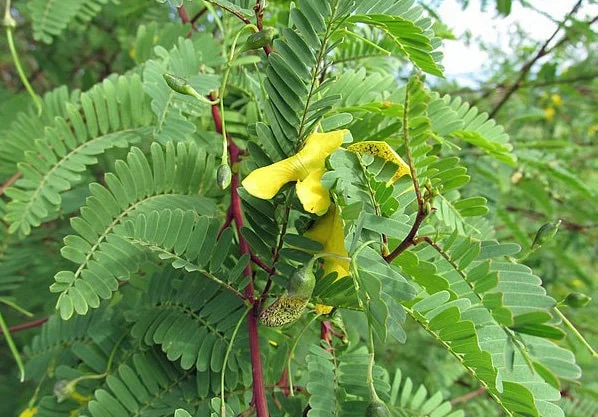
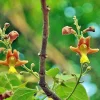
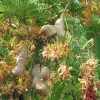
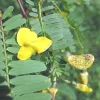
Embark on a rewarding gardening journey by planting Sesbania sesban seeds, commonly known as Egyptian Riverhemp seeds or Sesban. This remarkable species, native to Africa and parts of Asia, is a fast-growing, nitrogen-fixing deciduous shrub or small tree that offers both ecological benefits and ornamental appeal. Perfect for those interested in sustainable landscaping, agroforestry, or simply adding a unique, vibrant plant to their garden, these seeds promise to grow into robust specimens. The plant’s slender, airy form and delicate pinnate leaves create an elegant silhouette, while its striking display of bright, showy red to yellow tubular flowers adds a burst of color during warm seasons, attracting a variety of pollinators like bees and butterflies. The adaptability of Sesbania sesban seeds to diverse soil conditions makes them a resilient choice for various climates.
Key Benefits
Growing Sesbania sesban seeds offers a multitude of advantages, making it a valuable addition to any landscape. From ecological benefits to aesthetic appeal, these seeds provide a comprehensive solution for gardeners and land managers alike. Discover the unique qualities that make Egyptian Riverhemp seeds a smart choice:
- Soil Enrichment: As a potent nitrogen-fixing plant, Sesbania sesban naturally enriches the soil, enhancing fertility and reducing the need for synthetic fertilizers. This makes it an excellent choice for improving agricultural landscapes and reforestation efforts.
- Rapid Growth: Known for its exceptionally fast growth rate, this tree quickly establishes itself, providing shade, structure, and ecological benefits in a relatively short period. This rapid development makes it ideal for quick impact projects.
- Pollinator Attraction: The vibrant red to yellow tubular flowers are a magnet for essential pollinators such as bees and butterflies, contributing to local biodiversity and supporting healthy ecosystems. Planting Sesbania tree seeds helps create a thriving habitat.
- Adaptability: Egyptian Riverhemp seeds sprout into plants that are highly adaptable to various soil conditions, including those that are poor or saline, making them suitable for challenging environments where other plants might struggle.
- Versatile Use: Beyond its ecological contributions, Sesbania sesban is widely utilized in agroforestry systems, as a fodder crop for livestock, and for erosion control, showcasing its multifaceted utility.
- Showy Blooms: The abundance of bright, attractive flowers produced during warm seasons provides significant ornamental value, adding a tropical and lively touch to any garden or landscape.
- Sustainable Choice: By enriching soil and supporting pollinators, planting these nitrogen-fixing plant seeds contributes to more sustainable and environmentally friendly gardening practices.
Plant Care & Growing Tips
Successfully growing Sesbania sesban from seed requires attention to specific conditions, though the plant is generally adaptable once established. To initiate germination, scarification of the hard seed coat is often necessary. This can be achieved by gently nicking or filing the seed coat, which aids in water absorption and promotes quicker sprouting. After scarification, soak the Sesbania sesban seeds in warm water for approximately 24 hours to further soften the coat. Following this treatment, sow the seeds in a well-draining potting mix or directly into your desired garden location at a depth of about 1-2 centimeters. Providing consistent moisture and warmth is crucial; ideal temperatures for germination range between 70-85°F (21-29°C), with germination typically occurring within 7-14 days.
Once seedlings emerge, ensure they receive adequate light for healthy development. While young plants benefit from consistent moisture, mature fast-growing tree seeds develop into plants that are quite drought-tolerant. They thrive in full sun conditions, requiring at least 6 hours of direct sunlight daily to produce the most prolific blooms and robust growth. In terms of soil, while adaptable, a well-draining soil type is preferred. Fertilization is generally not heavily required due to its nitrogen-fixing capabilities, but a balanced, slow-release fertilizer can be applied sparingly during the growing season if soil nutrients are particularly poor. The plant is hardy in USDA Zones 10-11, where it can be grown as a perennial. In cooler zones, it can be cultivated as an annual or brought indoors during winter. Keep an eye out for common garden pests, though Sesbania sesban is generally resilient.
Size & Details
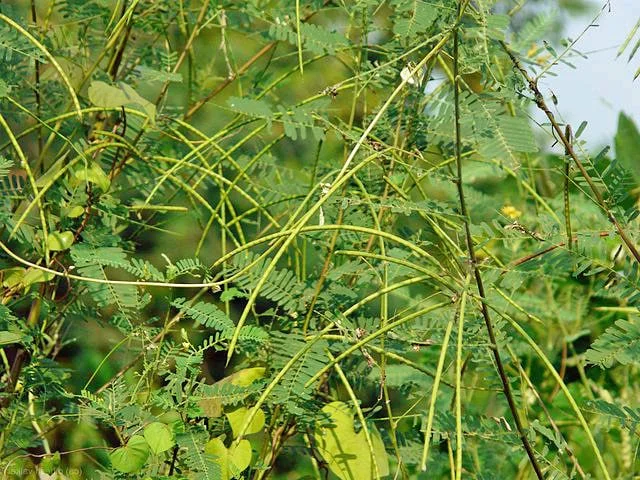
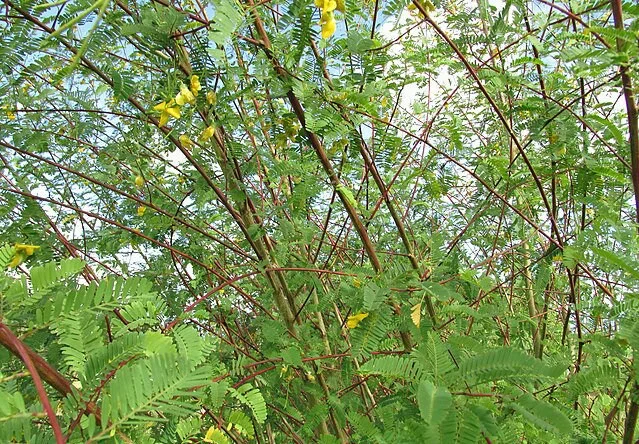
These Sesbania sesban seeds are provided in a pack of 10, ready for planting. Once germinated, the plant is known for its rapid growth, quickly developing into a substantial shrub or small tree. Mature plants typically reach heights of 6-15 meters (approximately 20-50 feet), showcasing a slender and airy form. The delicate, pinnate leaves are comprised of numerous small leaflets, contributing to its graceful appearance. The striking red to yellow tubular flowers are produced in abundance during the warm seasons, followed by elongated pods filled with new seeds. This species is often utilized in agroforestry and reforestation efforts due to its ability to enrich the soil with nitrogen, enhancing soil fertility in diverse agricultural landscapes. Expect vigorous growth and a stunning display of blooms within the first few years, especially when provided with optimal growing conditions. The product consists of high-quality Egyptian Riverhemp seeds, ensuring a strong start for your plants.
Frequently Asked Questions
- Q: How big does this plant get? A: Sesbania sesban is a fast-growing shrub or small tree that can typically reach heights of 6-15 meters (20-50 feet) at maturity, depending on growing conditions and climate. It develops a slender and airy form.
- Q: Is this an indoor or outdoor plant? A: Sesbania sesban is primarily an outdoor plant, thriving in full sun. It is hardy in USDA Zones 10-11. In cooler climates, it can be grown as an annual or overwintered indoors if space allows, but it prefers outdoor conditions.
- Q: How much sunlight does it need? A: This plant requires full sun exposure, meaning at least 6 hours of direct sunlight per day, to achieve optimal growth and prolific flowering. Adequate sunlight is crucial for healthy development from Sesbania tree seeds.
- Q: Is this plant easy to care for? A: Once established, Sesbania sesban is relatively low-maintenance and adaptable to various soil conditions. The main care requirements are proper scarification and soaking of the fast-growing tree seeds for germination, and then ensuring adequate sunlight and well-draining soil.
- Q: What condition will the seeds arrive in? A: You will receive 10 high-quality, viable Sesbania sesban seeds. They are carefully packaged to ensure their integrity during transit, ready for your scarification and planting process.
- Q: How long until it blooms? A: With proper care and optimal growing conditions, Sesbania sesban can start producing its showy red to yellow tubular flowers within the first year or two after germination, typically during the warm seasons.
- Q: What’s the minimum temperature it can tolerate? A: Sesbania sesban is best suited for warmer climates, thriving in USDA Zones 10-11. It can tolerate temperatures down to about 30-40°F (-1 to 4°C) but is sensitive to prolonged freezing temperatures.
- Q: Can these seeds be used for soil improvement? A: Yes, one of the primary benefits of Sesbania sesban seeds is their ability to grow into plants that fix nitrogen in the soil. This natural process significantly enriches soil fertility, making it excellent for agroforestry and land restoration projects.
- Q: What type of soil is best for growing these seeds? A: While adaptable to various soil types, Sesbania sesban prefers well-draining soil. It can tolerate poor or even saline soils, making it a resilient choice for challenging environments.
- Q: Do these plants attract pollinators? A: Absolutely! The bright, tubular flowers of Sesbania sesban are highly attractive to a variety of pollinators, including bees and butterflies, contributing positively to local ecosystems and garden biodiversity.
Be the first to review “Sesbania Sesban Seeds – Egyptian Riverhemp Tree Seeds – 10 Count”
You must be logged in to post a review.
People also Viewed
Sold 50 products
Original price was: $109.95.$79.98Current price is: $79.98.
Sold 50 products
Original price was: $25.00.$17.50Current price is: $17.50.
Flower Seeds
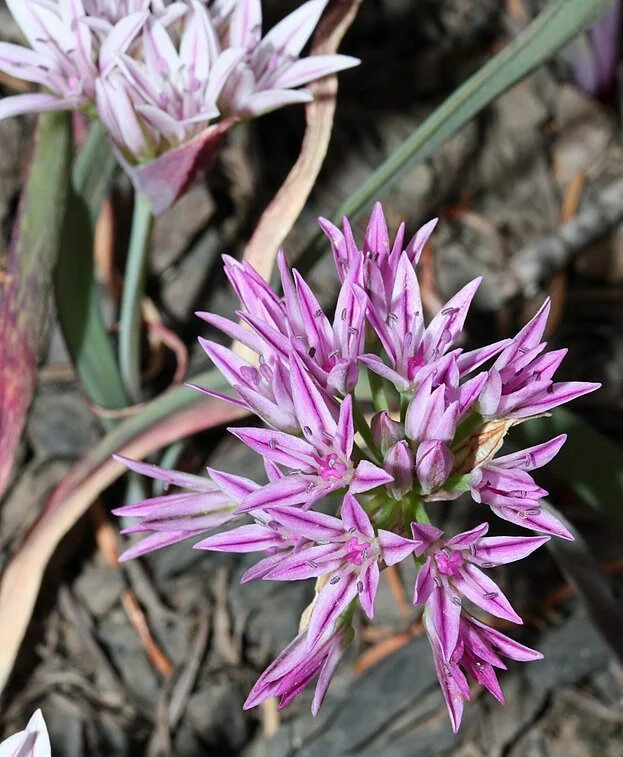
Olympic Onion Seeds – Allium crenulatum Flower Seeds – 10 Seed Pack – Outdoor Native Plant
Sold 50 products
Original price was: $25.00.$17.50Current price is: $17.50.
Sold 50 products
Original price was: $25.00.$17.50Current price is: $17.50.
Flower Seeds
Fuchsia vulcanica Seeds – 20 Pack – Vibrant Orange Coral Flowers for Garden & Containers
Sold 50 products
Original price was: $25.00.$17.50Current price is: $17.50.
Sold 50 products
Original price was: $116.98.$95.68Current price is: $95.68.
Sold 50 products
Original price was: $21.00.$14.10Current price is: $14.10.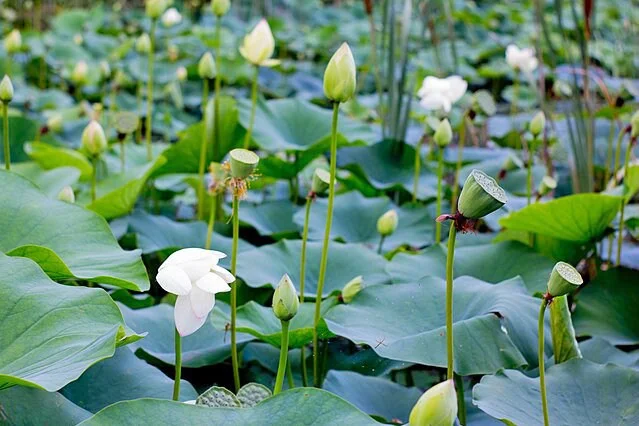
Aquatic Plant Seeds
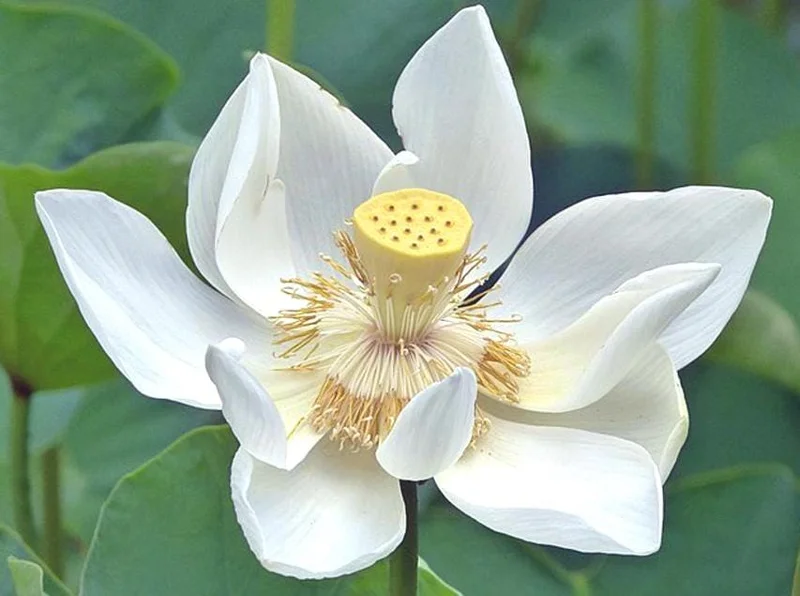
White Lotus Seeds – Nelumbo Nucifera Aquatic Pond Plant – 5 Seeds for Water Garden
Sold 50 products
Original price was: $29.00.$20.90Current price is: $20.90.RELATED posts
Awapuhi Wild Ginger Plant: Zones, Care, and Propagation
Learn which USDA zones suit awapuhi wild ginger, plus sunlight, water, planting, propagation, pests, size, [...]
Awapuhi Shampoo Ginger – Care, Growing Zones, and Differences
Learn how to grow awapuhi (shampoo) ginger, its USDA zones, watering schedule, propagation tips, and [...]
Awapuhi Shampoo Plant Buying Guide – Choose the Right Zingiber zerumbet
META: Learn which awapuhi (shampoo ginger) plant or rhizome pack gives the best natural shampoo, [...]
Awapuhi Plant for Sale: Complete Buying Guide
Find the right awapuhi (shampoo ginger) plant, size, price, soil mix, and online source. Practical [...]
Shampoo Ginger Plant for Sale – Buying Guide & Tips
Find the right shampoo ginger plant, size, price, and care tips. Quick guide for U.S. [...]
Shampoo Ginger Plant (Awapuhi) Care Guide
Learn how to grow, care for, and use shampoo ginger (Zingiber zerumbet), the tropical awapuhi [...]
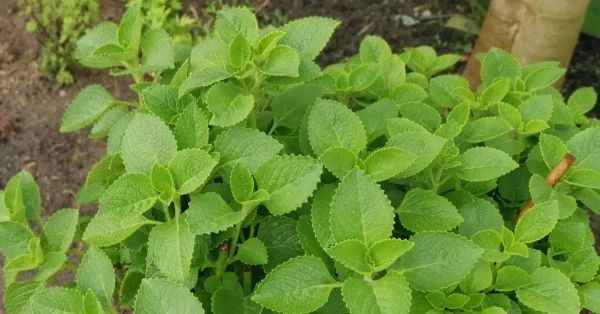
How to Grow Cuban Oregano Plants: A Complete Care Guide
If you’ve ever wanted a plant that combines the culinary punch of traditional oregano with [...]
Aug
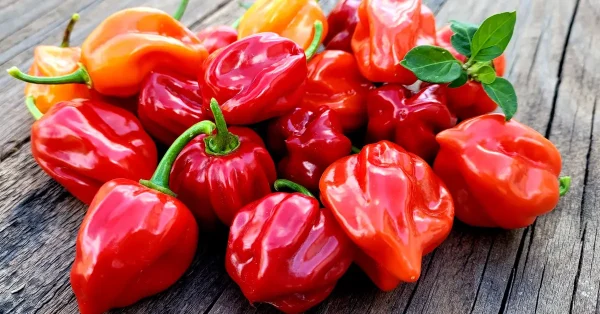
How to Grow Habanero Pepper Plants: A Step-by-Step Guide
Habanero pepper plants are prized for their vibrant colors, intense heat, and exceptional flavor, making [...]
Aug
Reviews
There are no reviews yet.