
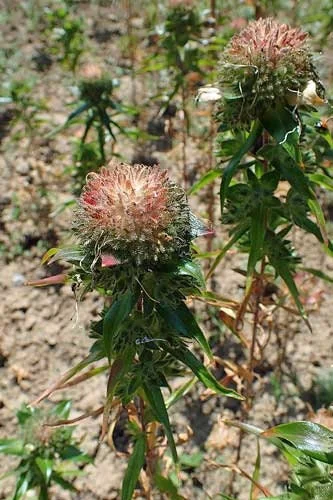
Scarlet Gilia Seeds – Ipomopsis rubra, Red Texas Star, 25 Seed Pack, Outdoor
Original price was: $25.00.$17.50Current price is: $17.50.
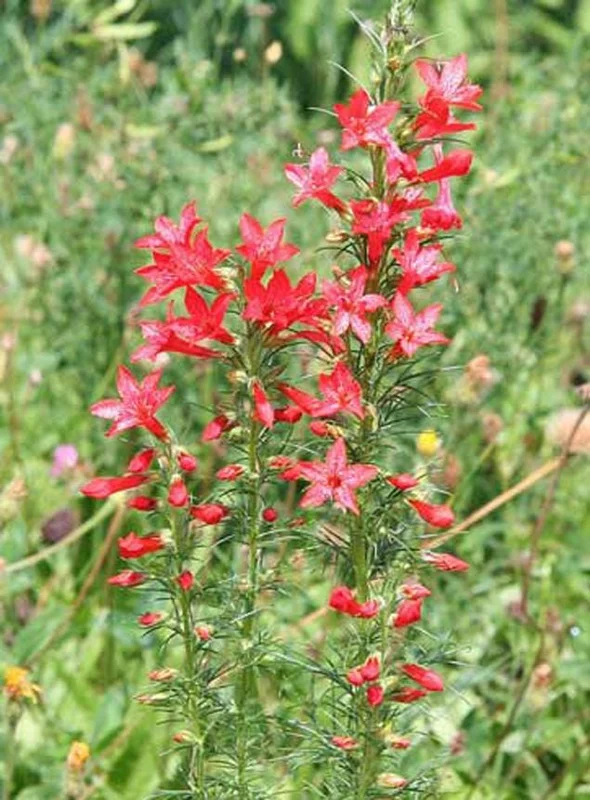
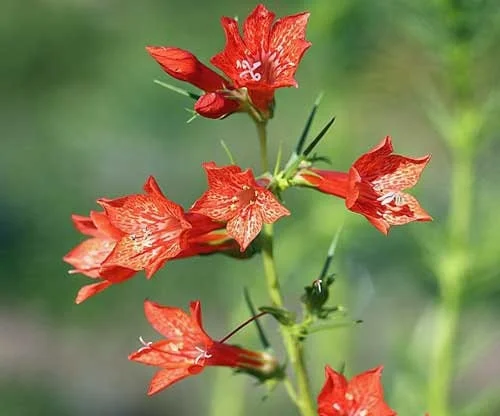
Cultivate stunning Scarlet Gilia seeds (Ipomopsis rubra) in your garden. Known as Red Texas Star or Standing Cypress, these vibrant flowers are a magnet for hummingbirds, bees, and butterflies, thriving in full sun and offering drought tolerance once established. Each pack contains 25 seeds.
Shipping and Return policies:
We stand behind our plants with our Alive & Thrive Guarantee. If you experience any issues within the first 30 days, please email us, and our team will be happy to help. When needed, we’ll send you a one-time replacement free of charge to make sure your garden keeps growing strong.

Reasonable Price
We offer reasonable price

Support 24/7
Contact us 24 hrs a day
100% Money Back
You’ve 30 days to Return
Payment Secure
100% secure payment
Overview
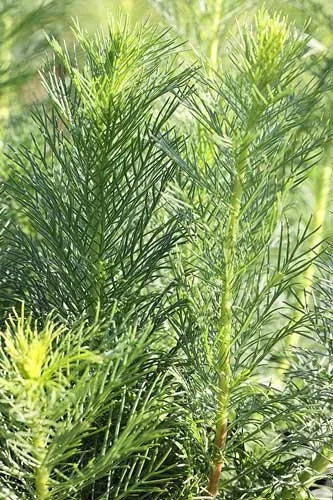
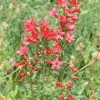
Introduce the captivating beauty of the American wilderness to your garden with scarlet gilia seeds. Also known by its botanical name Ipomopsis rubra, this herbaceous biennial is a true showstopper, celebrated for its vivid red, trumpet-shaped flowers that bloom in profusion. Commonly referred to as Red Texas Star, Scarlet Gilia, Standing Cypress, or Texas Plume, this plant is native to the central and eastern United States, making it a robust and adaptable choice for many climates. Growing from a taproot, it can reach an impressive height of up to 5 feet, creating a dramatic vertical element in any landscape. The delicate, cypress-like foliage provides an elegant backdrop to the fiery blooms, ensuring visual interest throughout its growing season. Perfect for attracting pollinators, these ipomopsis rubra seeds promise a dynamic and lively garden space.
These scarlet gilia seeds are ideal for gardeners looking to create a vibrant, low-maintenance display that supports local wildlife. The plant’s self-seeding nature means it will return year after year, establishing a long-lasting presence in your garden. Whether you’re aiming for a cottage garden feel, a native plant landscape, or simply want to add a splash of intense color, the Standing Cypress will deliver. Its striking appearance and ecological benefits make it a valuable addition to any outdoor space, providing a consistent source of nectar for visiting creatures.
Key Benefits
Growing scarlet gilia seeds offers a multitude of benefits, transforming your garden into a thriving ecosystem and a visual delight. These plants are not only beautiful but also incredibly beneficial for local wildlife and remarkably easy to care for.
- Attracts Pollinators: The bright red flowers are an irresistible lure for hummingbirds, bees, and butterflies, making your garden a lively hub of activity. This helps support local ecosystems and promotes biodiversity.
- Vibrant Floral Display: Enjoy a spectacular show of intensely red, trumpet-shaped flowers that stand out in any garden setting. The unique bloom structure adds an exotic touch to your landscape.
- Drought Tolerant: Once established, Ipomopsis rubra is highly tolerant of dry conditions, requiring minimal water. This makes it an excellent choice for xeriscaping or gardens in arid climates, reducing your water usage.
- Self-Seeding Nature: These plants readily reseed themselves, ensuring a continuous display of flowers year after year without the need for replanting. This makes it a sustainable and low-effort option for long-term garden beauty.
- Low Maintenance: Thriving in full sun with average water needs, red texas star seeds are perfect for gardeners seeking beautiful results with minimal fuss. They are generally pest-resistant and require little intervention once established.
- Vertical Interest: Reaching heights of up to 5 feet, Scarlet Gilia adds significant vertical dimension to garden beds, borders, and naturalized areas, creating a dynamic and layered landscape.
- Native Plant Appeal: As a native species to the central and eastern U.S., growing standing cypress seeds helps support local wildlife and contributes to a healthier native plant community.
Plant Care & Growing Tips
Cultivating scarlet gilia seeds is a rewarding experience, especially with the right care. This herbaceous biennial thrives in specific conditions that mimic its native habitat. For optimal growth, ensure your plants receive plenty of sunlight. They prefer to grow in full sun, meaning at least 6-8 hours of direct sunlight per day. Choose a location in your garden that is unshaded for most of the day to encourage robust flowering and strong stem development. Proper light exposure is crucial for the vibrant red blooms that make Scarlet Gilia so appealing to hummingbirds and other pollinators.
When it comes to watering, ipomopsis rubra seeds are quite adaptable. While they appreciate average water during establishment, they become remarkably drought-tolerant once their taproot system is fully developed. This makes them an excellent choice for gardens in drier regions or for gardeners who prefer low-water landscaping. Ensure the soil is well-draining, as these plants do not tolerate soggy conditions. A good sandy loam or a mix with plenty of organic matter will provide the ideal environment. For soil preparation, a blend of potting soil, sand, vermiculite, and peat moss creates an excellent growing medium. Fertilization is generally not heavily required in good soil, but a balanced, slow-release granular fertilizer applied in early spring can support vigorous growth.
Standing cypress seeds are hardy in USDA Zones 3-9, making them suitable for a wide range of climates. They prefer moderate temperatures during germination, ideally between 64-75°F. Once established, they can withstand both heat and some cold. When sowing, press seeds gently into the prepared media and cover with a thin layer of long-fibered sphagnum moss. Keep the media moist by misting, and consider covering the tray with clear plastic poked with small holes to maintain humidity. Place under bright, indirect light until germination. Common problems are rare, but ensuring good air circulation can prevent fungal issues, especially in humid climates.
Size & Details
This product includes a pack of 25 scarlet gilia seeds, allowing you to cultivate a beautiful patch of these striking wildflowers. Ipomopsis rubra is a biennial plant, meaning it grows foliage in its first year and then blooms and sets seed in its second year before completing its life cycle. From these small seeds, plants can grow to an impressive height of up to 5 feet tall, developing a strong taproot system that aids in its drought tolerance. The slender, cypress-like leaves add a delicate texture to the garden before the vibrant red flowers emerge.
Expected time to bloom is typically in the second year of growth, usually from late spring through summer, providing a long season of color and pollinator activity. The plants will naturally self-seed, ensuring a continuous presence in your garden for years to come. These hummingbird attractant seeds are shipped as dry seeds, ready for planting according to the provided germination instructions. Their mature size and self-seeding habit make them perfect for creating naturalized areas, wildflower meadows, or adding height to perennial borders.
Frequently Asked Questions
- Q: How big does Scarlet Gilia get? A: Scarlet Gilia seeds can grow into plants that reach an impressive height of up to 5 feet tall. They develop a strong taproot system and slender foliage, culminating in tall spikes of vibrant red flowers.
- Q: Is this an indoor or outdoor plant? A: Scarlet Gilia (Ipomopsis rubra) is primarily an outdoor plant, thriving in full sun in garden beds, borders, and naturalized areas. It is best suited for direct outdoor planting.
- Q: How much sunlight does it need? A: This plant requires full sun, meaning at least 6-8 hours of direct sunlight per day, to produce the most abundant and vibrant blooms. Choose a sunny spot in your garden for best results.
- Q: Is this plant easy to care for? A: Yes, ipomopsis rubra seeds are considered relatively easy to care for once established. They are drought-tolerant and low-maintenance, making them suitable for both experienced and novice gardeners.
- Q: What condition will the seeds arrive in? A: The product consists of 25 scarlet gilia seeds, which will arrive as dry seeds in a protective packet, ready for you to plant according to the included germination instructions.
- Q: How long until it blooms? A: Scarlet Gilia is a biennial plant, so it typically forms foliage in its first year and then blooms in its second year, usually from late spring through summer.
- Q: Will it survive winter in my zone? A: Red Texas Star seeds are hardy in USDA Zones 3-9. In these zones, the plant will generally survive winter and return to bloom in its second year.
- Q: What is the best soil for Scarlet Gilia? A: Scarlet Gilia prefers well-draining soil, such as sandy loam. A mix of potting soil, sand, vermiculite, and peat moss is ideal for starting seeds.
- Q: Do I need to fertilize Scarlet Gilia? A: While not heavy feeders, a balanced, slow-release fertilizer can be applied in early spring to support vigorous growth. Ensure the soil is well-draining to prevent nutrient lockout.
- Q: Is Scarlet Gilia a good plant for beginners? A: Yes, its drought tolerance and low maintenance nature make standing cypress seeds a good choice for beginner gardeners looking for a striking and pollinator-friendly plant.
Be the first to review “Scarlet Gilia Seeds – Ipomopsis rubra, Red Texas Star, 25 Seed Pack, Outdoor”
You must be logged in to post a review.
People also Viewed
Sold 50 products
Original price was: $109.95.$79.98Current price is: $79.98.
Sold 50 products
Original price was: $25.00.$17.50Current price is: $17.50.
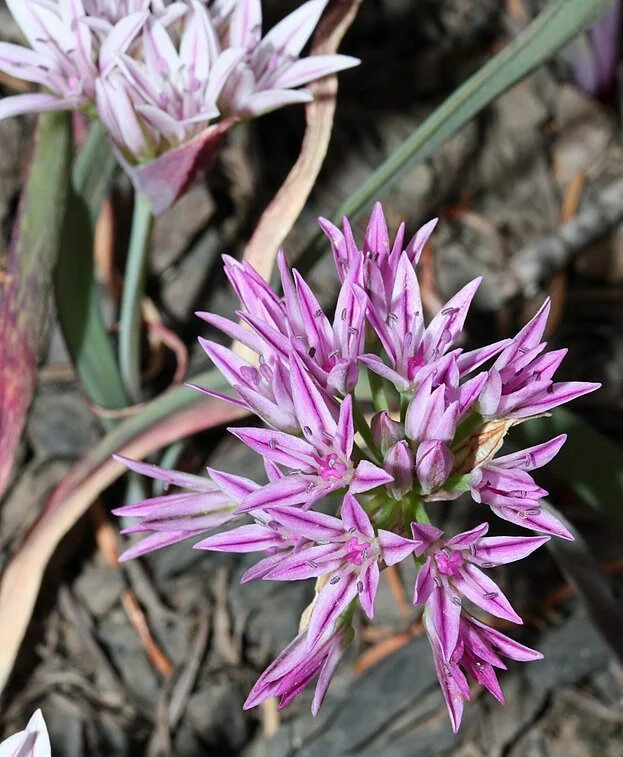
Flower Seeds
Olympic Onion Seeds – Allium crenulatum Flower Seeds – 10 Seed Pack – Outdoor Native Plant
Sold 50 products
Original price was: $25.00.$17.50Current price is: $17.50.
Sold 50 products
Original price was: $25.00.$17.50Current price is: $17.50.
Flower Seeds
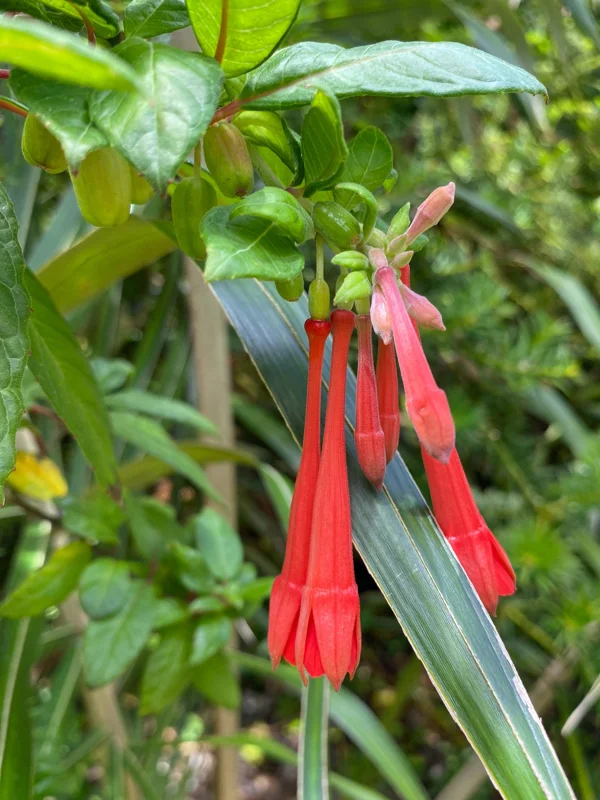
Fuchsia vulcanica Seeds – 20 Pack – Vibrant Orange Coral Flowers for Garden & Containers
Sold 50 products
Original price was: $25.00.$17.50Current price is: $17.50.
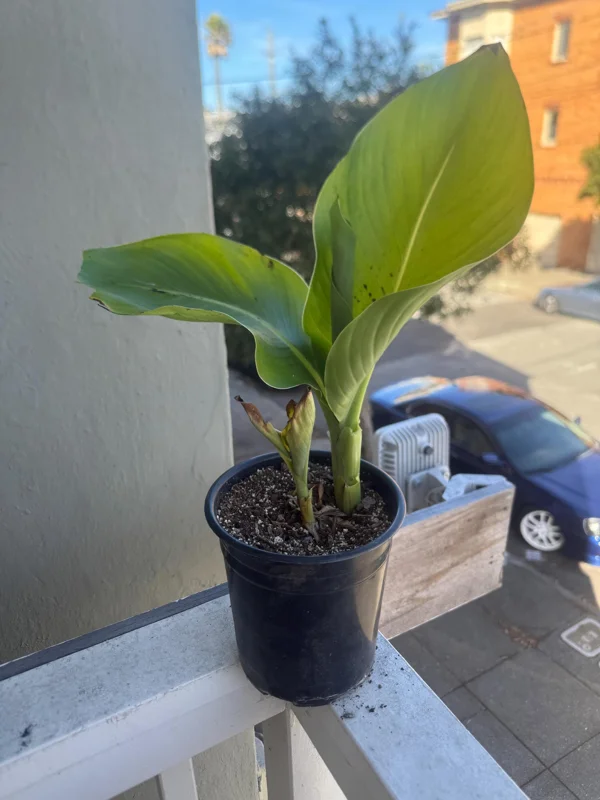
Sold 50 products
Original price was: $116.98.$95.68Current price is: $95.68.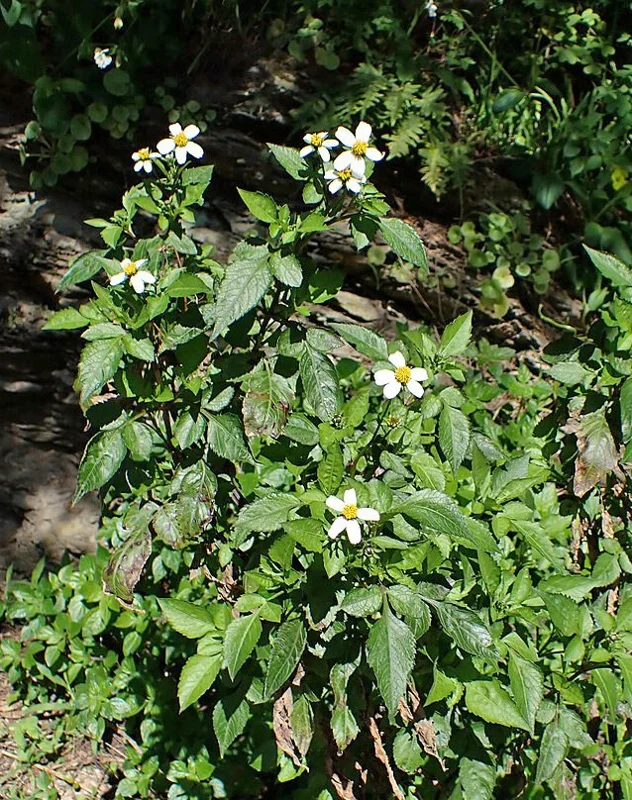
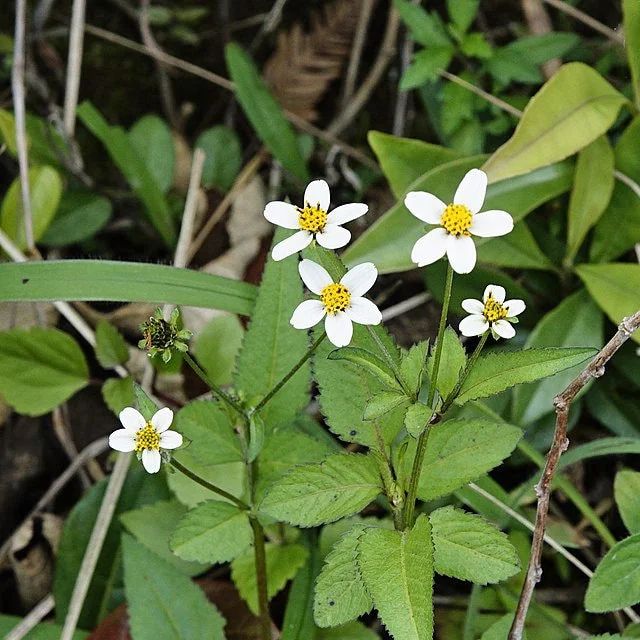
Sold 50 products
Original price was: $21.00.$14.10Current price is: $14.10.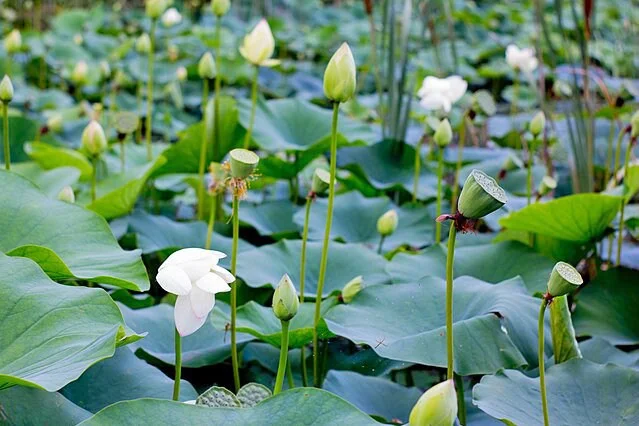
Aquatic Plant Seeds
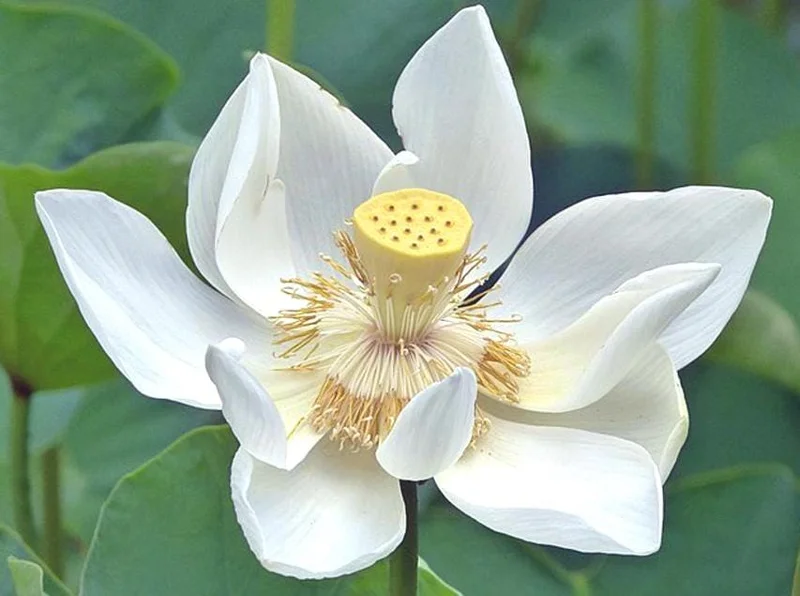
White Lotus Seeds – Nelumbo Nucifera Aquatic Pond Plant – 5 Seeds for Water Garden
Sold 50 products
Original price was: $29.00.$20.90Current price is: $20.90.RELATED posts
Awapuhi Wild Ginger Plant: Zones, Care, and Propagation
Learn which USDA zones suit awapuhi wild ginger, plus sunlight, water, planting, propagation, pests, size, [...]
Awapuhi Shampoo Ginger – Care, Growing Zones, and Differences
Learn how to grow awapuhi (shampoo) ginger, its USDA zones, watering schedule, propagation tips, and [...]
Awapuhi Shampoo Plant Buying Guide – Choose the Right Zingiber zerumbet
META: Learn which awapuhi (shampoo ginger) plant or rhizome pack gives the best natural shampoo, [...]
Awapuhi Plant for Sale: Complete Buying Guide
Find the right awapuhi (shampoo ginger) plant, size, price, soil mix, and online source. Practical [...]
Shampoo Ginger Plant for Sale – Buying Guide & Tips
Find the right shampoo ginger plant, size, price, and care tips. Quick guide for U.S. [...]
Shampoo Ginger Plant (Awapuhi) Care Guide
Learn how to grow, care for, and use shampoo ginger (Zingiber zerumbet), the tropical awapuhi [...]
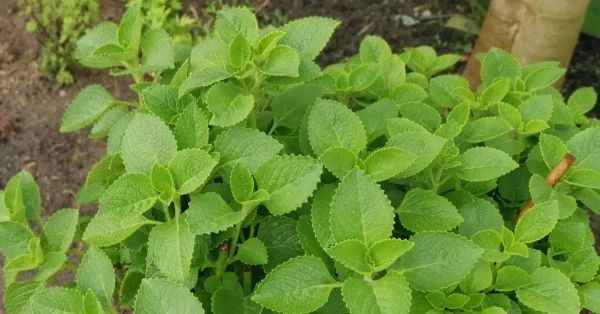
How to Grow Cuban Oregano Plants: A Complete Care Guide
If you’ve ever wanted a plant that combines the culinary punch of traditional oregano with [...]
Aug
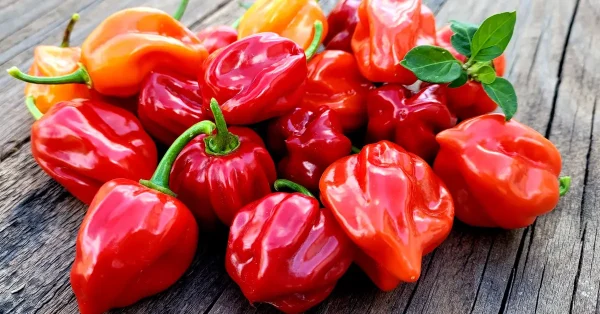
How to Grow Habanero Pepper Plants: A Step-by-Step Guide
Habanero pepper plants are prized for their vibrant colors, intense heat, and exceptional flavor, making [...]
Aug
Reviews
There are no reviews yet.