
Saskatoon Serviceberry Seeds – Amelanchier alnifolia – 5 Seed Pack – Outdoor Edible Fruit Shrub
Original price was: $25.00.$17.50Current price is: $17.50.
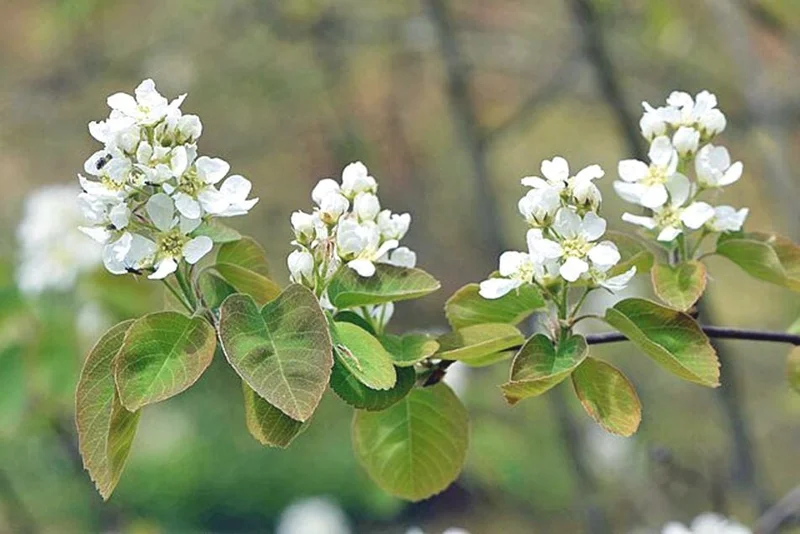
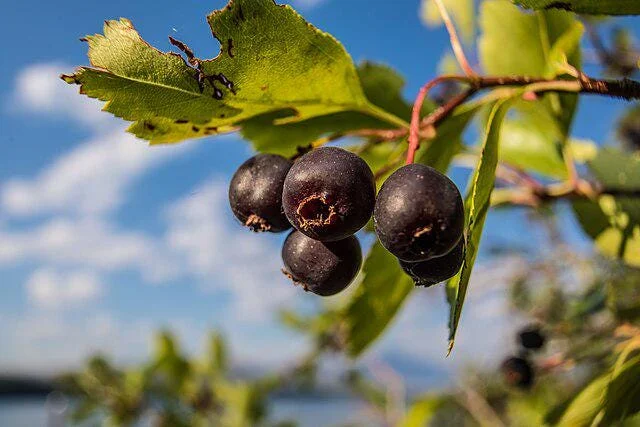
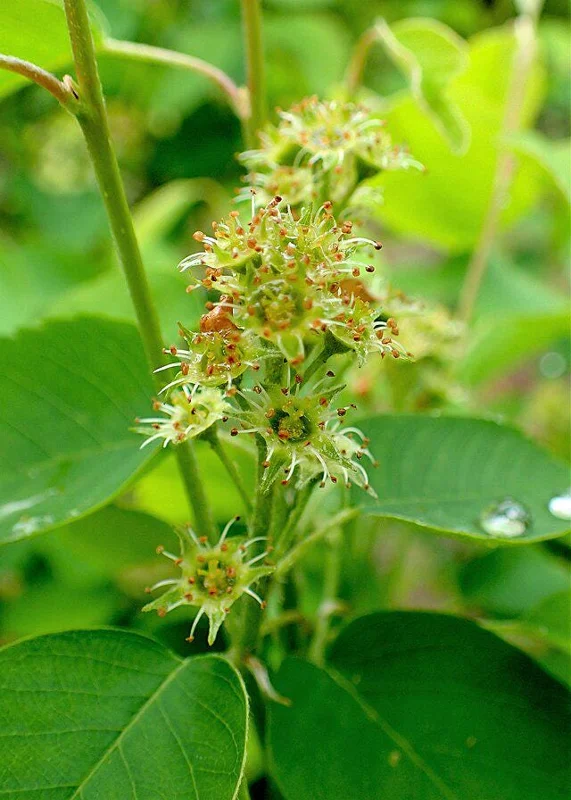
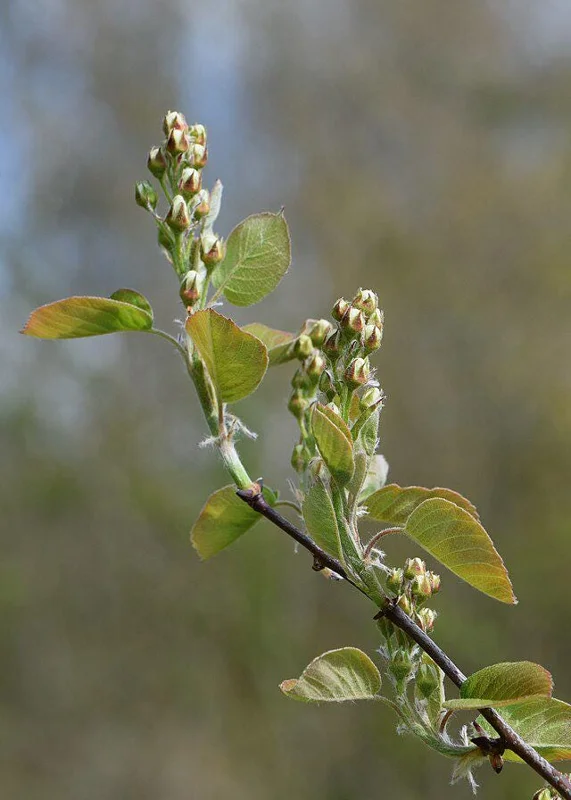
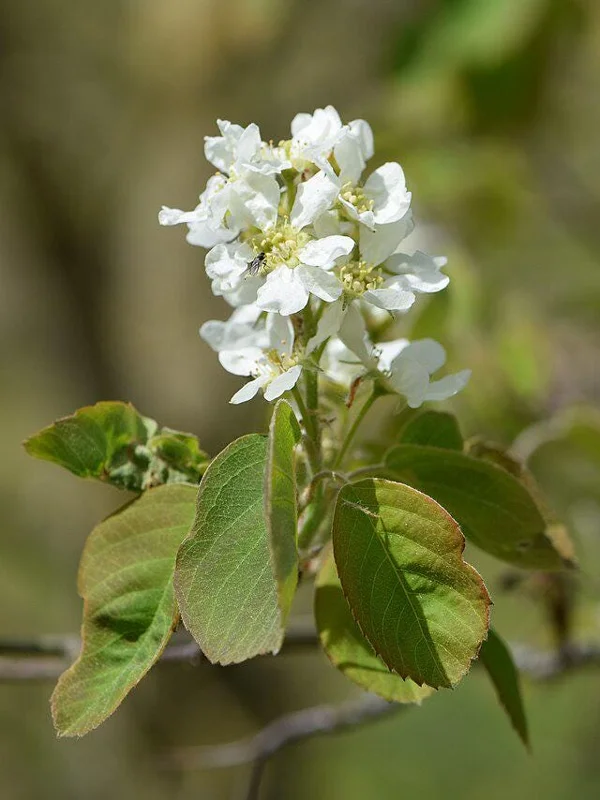
Cultivate your own native North American shrub with these Saskatoon Serviceberry seeds. Also known as Amelanchier alnifolia seeds, these seeds will grow into beautiful deciduous shrubs or small trees, offering clusters of white flowers in spring followed by sweet, edible blue-purple berries in summer. Attracts pollinators and wildlife, providing both ornamental beauty and ecological value.
Shipping and Return policies:
We stand behind our plants with our Alive & Thrive Guarantee. If you experience any issues within the first 30 days, please email us, and our team will be happy to help. When needed, we’ll send you a one-time replacement free of charge to make sure your garden keeps growing strong.

Reasonable Price
We offer reasonable price

Support 24/7
Contact us 24 hrs a day
100% Money Back
You’ve 30 days to Return
Payment Secure
100% secure payment
Overview
Embark on a rewarding gardening journey by growing your own Saskatoon Serviceberry seeds. These premium Amelanchier alnifolia seeds will allow you to cultivate a versatile and resilient deciduous shrub or small tree native to North America. The Saskatoon Serviceberry, also known as Western Serviceberry, is cherished for its multi-season interest, from delicate white spring flowers to bountiful, edible blue-purple berries in early to mid-summer. These nutrient-rich berries are delicious fresh or used in jams, jellies, and baked goods. Beyond its culinary appeal, this plant provides significant ecological benefits, attracting bees, birds, and other wildlife, making it a valuable addition to any garden or landscape.
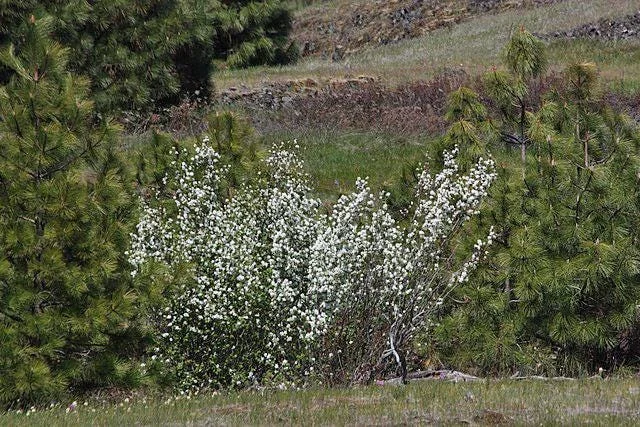
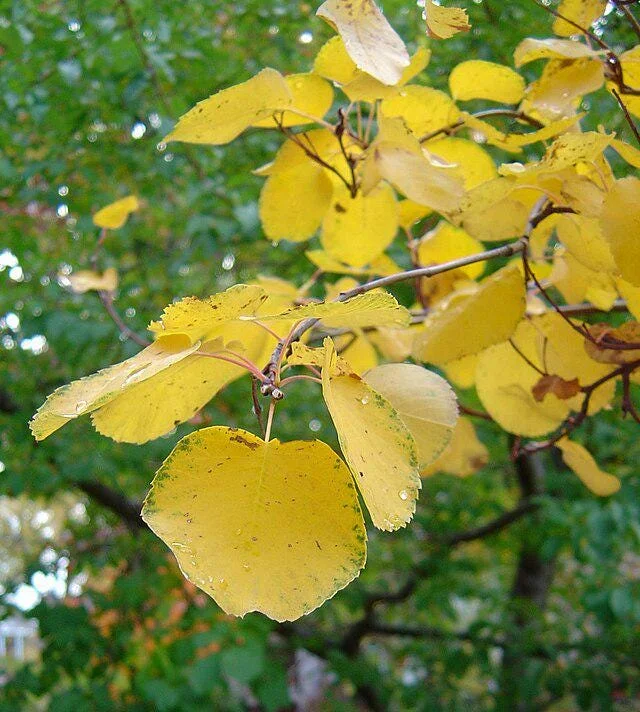
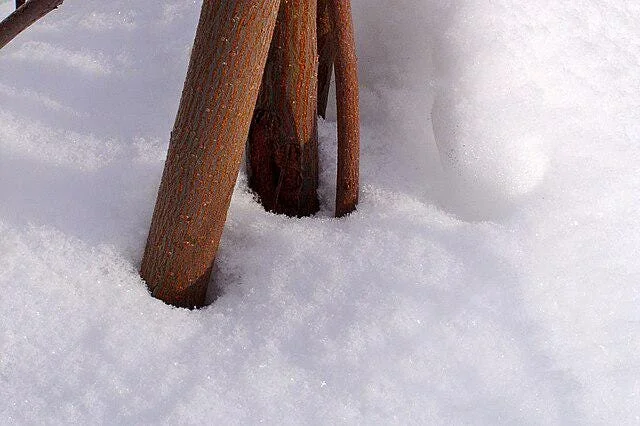
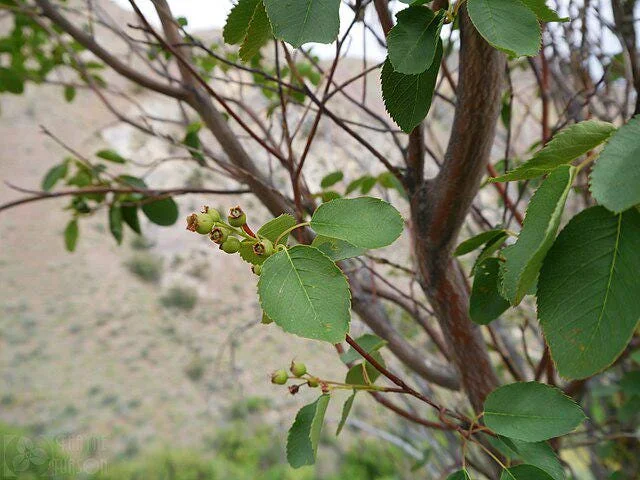
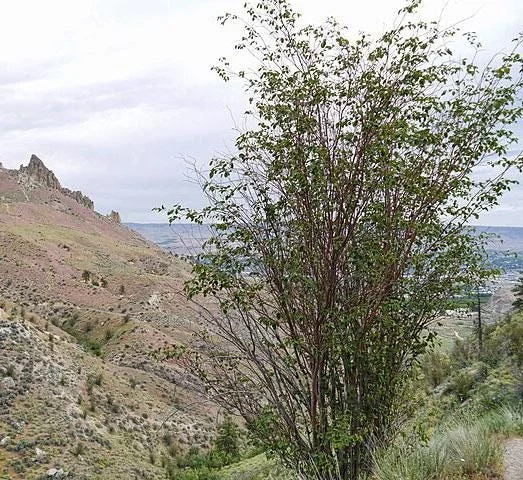
This species typically grows between 6 to 20 feet tall, developing an upright, multi-stemmed form with smooth gray to reddish-brown bark. Its oval leaves emerge grayish-green in spring, mature to deep green, and transform into stunning yellow to reddish hues in fall, offering a spectacular display of autumn color. Whether you’re a seasoned gardener or just starting, learning how to grow Saskatoon serviceberry from seed is a fulfilling experience that yields both beauty and sustenance.
Key Benefits
The Saskatoon Serviceberry offers a multitude of benefits for both the gardener and the environment. Growing Saskatoon Serviceberry seeds provides a sustainable way to enhance your landscape with a plant that is as practical as it is beautiful.
- Edible & Delicious Berries: Enjoy sweet, nutritious blue-purple berries in summer, perfect for fresh eating, baking, or preserving. These berries are a true garden delight.
- Stunning Ornamental Value: Features beautiful white spring flowers, attractive green foliage throughout summer, and vibrant yellow to red fall colors, providing visual interest across multiple seasons.
- Attracts Pollinators & Wildlife: The early spring flowers are a magnet for bees and other pollinators, while the ripe berries provide essential food for birds and other wildlife, boosting local biodiversity.
- Drought & Cold Tolerant: Highly adaptable to various conditions, including drought and cold climates, making it a robust choice for many USDA zones.
- Low Maintenance: Once established, the Amelanchier alnifolia is relatively easy to care for, thriving with minimal intervention and adapting to a range of well-drained soils and sun exposures.
- Native North American Shrub: A great choice for native plant gardens and ecological restoration projects, supporting local ecosystems.
- Versatile Landscape Use: Can be grown as a shrub, small tree, or hedgerow, fitting into various garden designs and spaces.
Plant Care & Growing Tips
Successfully growing Amelanchier alnifolia seeds requires patience and specific stratification techniques. To germinate your Saskatoon Serviceberry seeds, begin with warm stratification. Place the seeds in a moist medium such as peat moss or vermiculite and keep them at room temperature (around 68 to 75 degrees Fahrenheit) for approximately 90 days. Following this, move the seeds to cold stratification by refrigerating them at 35 to 40 degrees Fahrenheit for another 90 to 120 days. This mimics natural winter conditions and breaks dormancy, preparing the seeds for germination.
After stratification, sow the seeds about a quarter inch deep in a well-draining soil mix. Maintain consistent moisture in the medium, ensuring it is moist but never waterlogged to prevent rot. Position the containers in a bright location with temperatures consistently between 65 to 75 degrees Fahrenheit. Germination can be slow and may take several weeks to a few months, so continued patience is key. Once seedlings have developed sufficient strength, they can be transplanted into individual pots or directly into a prepared garden bed. The Saskatoon Serviceberry thrives in full sun to partial shade and prefers well-drained soils, but it is remarkably adaptable to various soil types. It is hardy in USDA Zones 4-9, making it suitable for a wide range of climates. Regular watering is crucial during the establishment phase, but once mature, it exhibits good drought tolerance. Fertilization can be done annually in spring with a balanced, slow-release fertilizer, especially if soil nutrients are poor. Keep an eye out for common pests like aphids or diseases like rust, although this plant is generally quite resilient.
Size & Details
This product includes 5 high-quality Saskatoon Serviceberry seeds (Amelanchier alnifolia) ready for stratification and planting. When mature, the Saskatoon Serviceberry typically grows into a deciduous shrub or small tree, reaching heights of 6 to 20 feet with a spread of 4 to 15 feet, forming an upright, multi-stemmed structure. The growth rate is moderate, allowing it to establish well in a few years. These western serviceberry seeds are ideal for cultivating a plant that will provide both aesthetic beauty and delicious fruit for many seasons to come. The plant will begin to produce flowers and berries within 2-4 years after successful germination and establishment.
Each seed has the potential to grow into a resilient plant known for its adaptability to various conditions, including cold climates and periods of drought once established. The seeds are carefully selected to ensure viability and are shipped in a protective packet to maintain their quality until you are ready to begin the germination process. Cultivating this plant from edible serviceberry seeds offers a rewarding experience, allowing you to witness its full life cycle from a tiny seed to a mature, fruit-bearing plant.
Frequently Asked Questions
- Q: How big does a Saskatoon Serviceberry plant get? A: The Saskatoon Serviceberry typically grows as a deciduous shrub or small tree, reaching a height of 6 to 20 feet and a spread of 4 to 15 feet at maturity. Its size can vary based on growing conditions and pruning.
- Q: Is this an indoor or outdoor plant? A: The Saskatoon Serviceberry is an outdoor plant, best suited for gardens, landscapes, or naturalized areas. It is not recommended for indoor cultivation.
- Q: How much sunlight does it need? A: This plant thrives in full sun to partial shade. For the best fruiting and flowering, aim for at least 6 hours of direct sunlight per day.
- Q: Is this plant easy to care for? A: Once established, the Amelanchier alnifolia is considered relatively easy to care for. It’s adaptable to various soil types and tolerant of drought and cold, making it a robust choice for many gardeners after the initial stratification and germination process.
- Q: What condition will the seeds arrive in? A: Your Saskatoon Serviceberry seeds will arrive in a protective packet, ready for you to begin the necessary stratification process before planting. They are dormant and require specific treatment to germinate.
- Q: How long until it blooms and produces fruit? A: After successful germination and planting, a Saskatoon Serviceberry plant typically begins to flower and produce fruit within 2 to 4 years. The first berries usually appear in early to mid-summer.
- Q: Will it survive winter in my zone? A: Yes, the Saskatoon Serviceberry is highly cold-hardy and thrives in USDA Zones 4-9, making it suitable for surviving cold winters in a wide range of climates.
- Q: What is the best time to plant these seeds? A: After completing the warm and cold stratification, which can take several months, the best time to sow the western serviceberry seeds is in early spring, once the danger of hard frost has passed, to allow seedlings to establish during the growing season.
- Q: Can the berries be eaten fresh? A: Absolutely! The blue-purple berries of the Saskatoon Serviceberry are sweet, edible, and delicious fresh. They are also excellent for making jams, jellies, pies, and other baked goods.
- Q: What kind of soil does this plant prefer? A: The Saskatoon Serviceberry prefers well-drained soils but is adaptable to a variety of soil types, including sandy, loamy, or clay soils, as long as drainage is adequate.
Be the first to review “Saskatoon Serviceberry Seeds – Amelanchier alnifolia – 5 Seed Pack – Outdoor Edible Fruit Shrub”
You must be logged in to post a review.
People also Viewed
Sold 50 products
Original price was: $109.95.$79.98Current price is: $79.98.
Sold 50 products
Original price was: $25.00.$17.50Current price is: $17.50.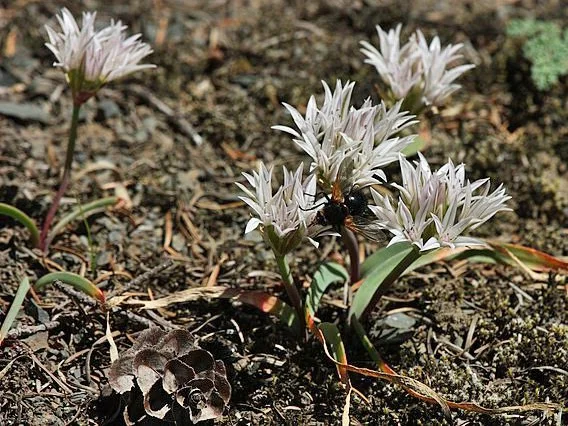
Flower Seeds
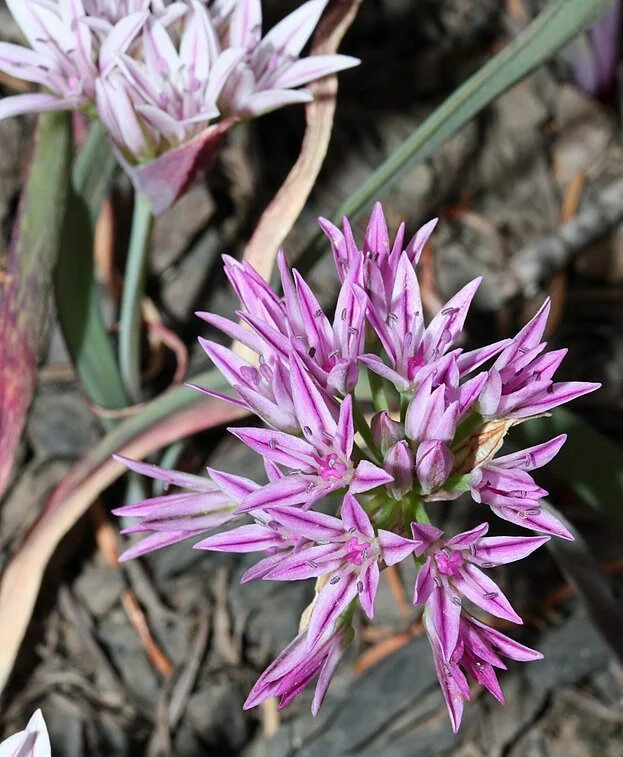
Olympic Onion Seeds – Allium crenulatum Flower Seeds – 10 Seed Pack – Outdoor Native Plant
Sold 50 products
Original price was: $25.00.$17.50Current price is: $17.50.
Sold 50 products
Original price was: $25.00.$17.50Current price is: $17.50.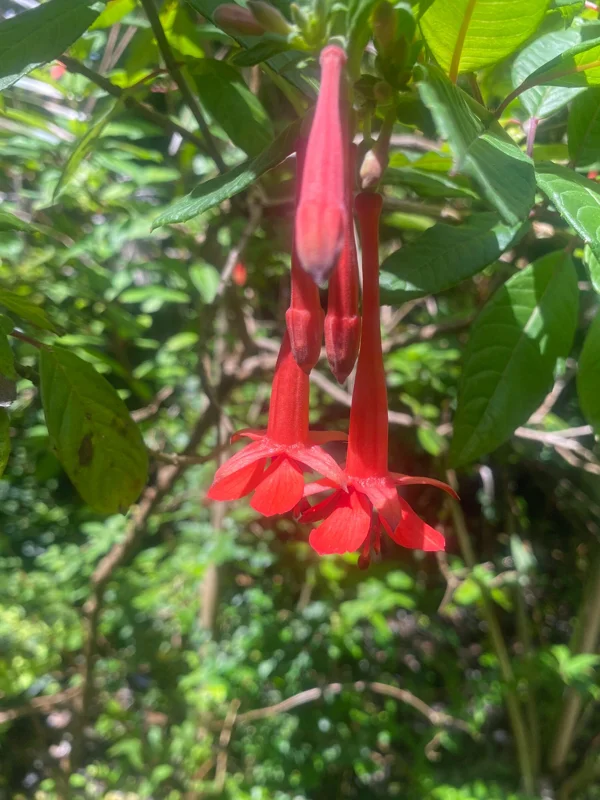
Flower Seeds
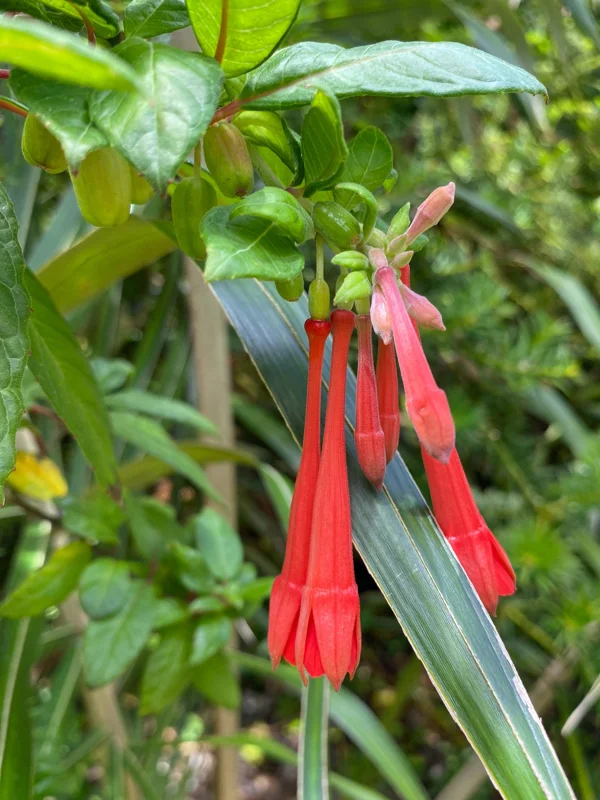
Fuchsia vulcanica Seeds – 20 Pack – Vibrant Orange Coral Flowers for Garden & Containers
Sold 50 products
Original price was: $25.00.$17.50Current price is: $17.50.
Sold 50 products
Original price was: $116.98.$95.68Current price is: $95.68.
Sold 50 products
Original price was: $21.00.$14.10Current price is: $14.10.
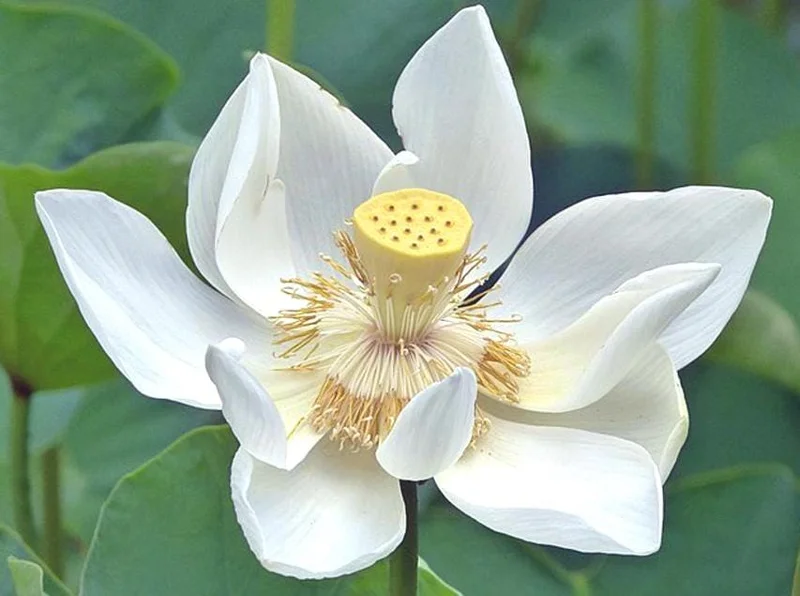
Aquatic Plant Seeds
White Lotus Seeds – Nelumbo Nucifera Aquatic Pond Plant – 5 Seeds for Water Garden
Sold 50 products
Original price was: $29.00.$20.90Current price is: $20.90.RELATED posts
Awapuhi Wild Ginger Plant: Zones, Care, and Propagation
Learn which USDA zones suit awapuhi wild ginger, plus sunlight, water, planting, propagation, pests, size, [...]
Awapuhi Shampoo Ginger – Care, Growing Zones, and Differences
Learn how to grow awapuhi (shampoo) ginger, its USDA zones, watering schedule, propagation tips, and [...]
Awapuhi Shampoo Plant Buying Guide – Choose the Right Zingiber zerumbet
META: Learn which awapuhi (shampoo ginger) plant or rhizome pack gives the best natural shampoo, [...]
Awapuhi Plant for Sale: Complete Buying Guide
Find the right awapuhi (shampoo ginger) plant, size, price, soil mix, and online source. Practical [...]
Shampoo Ginger Plant for Sale – Buying Guide & Tips
Find the right shampoo ginger plant, size, price, and care tips. Quick guide for U.S. [...]
Shampoo Ginger Plant (Awapuhi) Care Guide
Learn how to grow, care for, and use shampoo ginger (Zingiber zerumbet), the tropical awapuhi [...]
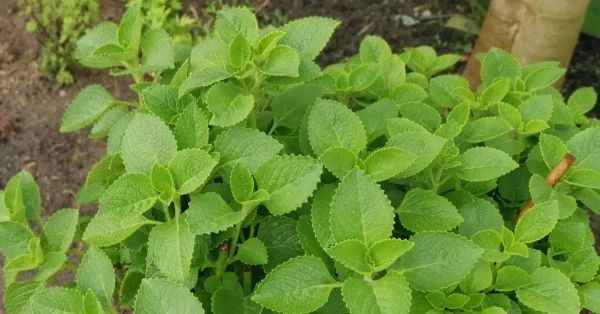
How to Grow Cuban Oregano Plants: A Complete Care Guide
If you’ve ever wanted a plant that combines the culinary punch of traditional oregano with [...]
Aug
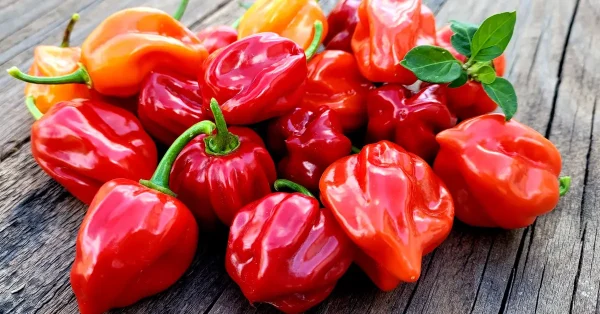
How to Grow Habanero Pepper Plants: A Step-by-Step Guide
Habanero pepper plants are prized for their vibrant colors, intense heat, and exceptional flavor, making [...]
Aug

Reviews
There are no reviews yet.