
Santalum album Sandalwood Seeds – Indian Sandalwood Tree – 5 Seeds
Original price was: $25.00.$17.50Current price is: $17.50.
Cultivate the highly prized Indian Sandalwood tree from these Santalum album seeds. Known for its aromatic heartwood, this valuable species produces oil used in perfumery and rituals. You will receive 5 seeds ready for scarification and planting to start your own fragrant journey.
Shipping and Return policies:
We stand behind our plants with our Alive & Thrive Guarantee. If you experience any issues within the first 30 days, please email us, and our team will be happy to help. When needed, we’ll send you a one-time replacement free of charge to make sure your garden keeps growing strong.

Reasonable Price
We offer reasonable price

Support 24/7
Contact us 24 hrs a day
100% Money Back
You’ve 30 days to Return
Payment Secure
100% secure payment
Overview
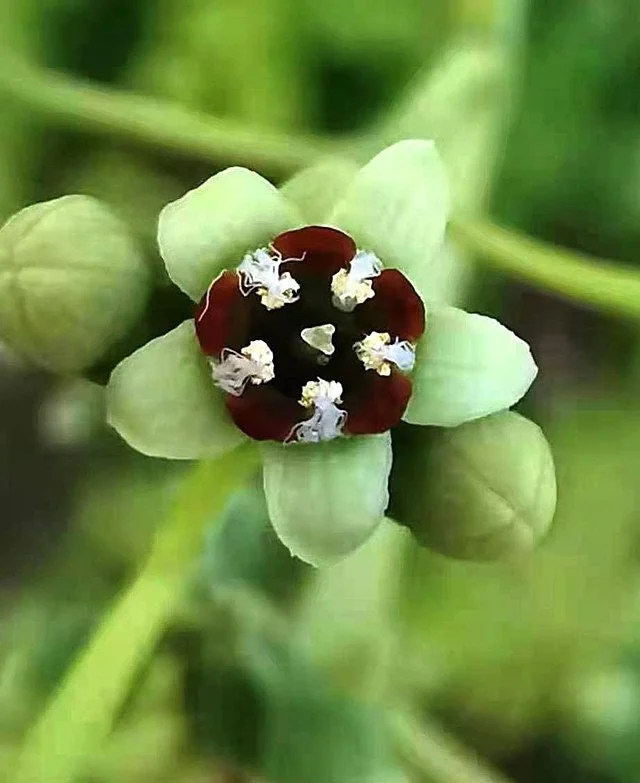
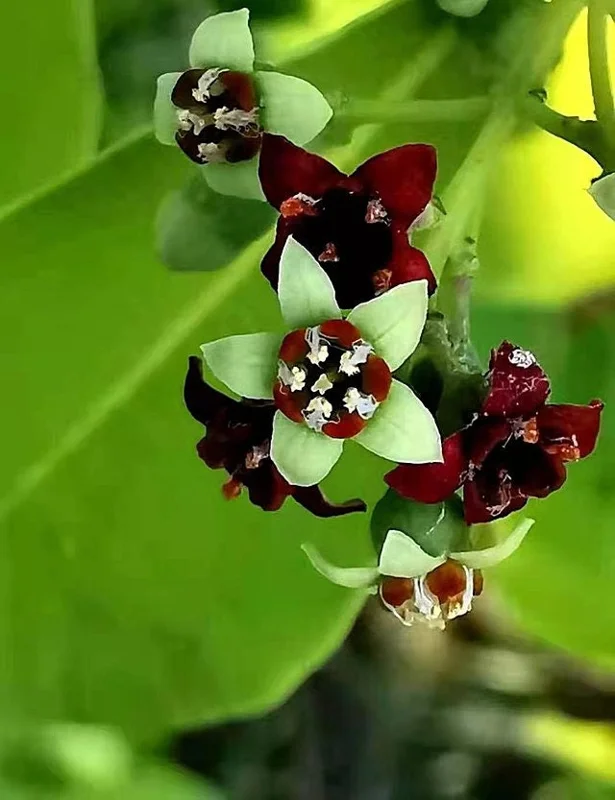
Embark on the rewarding journey of growing your own Indian Sandalwood tree with this pack of 5 Santalum album seeds. Santalum album, also known as Chandana or White Sandalwood, is a revered evergreen tree native to the Indian subcontinent and Southeast Asia. This species is globally celebrated for its incredibly fragrant heartwood, which yields the highly sought-after sandalwood essential oil. Growing your own sandalwood tree from seed offers a unique opportunity to connect with this botanical treasure, whether for its aromatic qualities, its cultural significance, or simply the joy of nurturing a remarkable plant. These seeds provide the foundation for cultivating a tree that, with patience and proper care, will mature into a valuable and beautiful addition to your garden or collection.
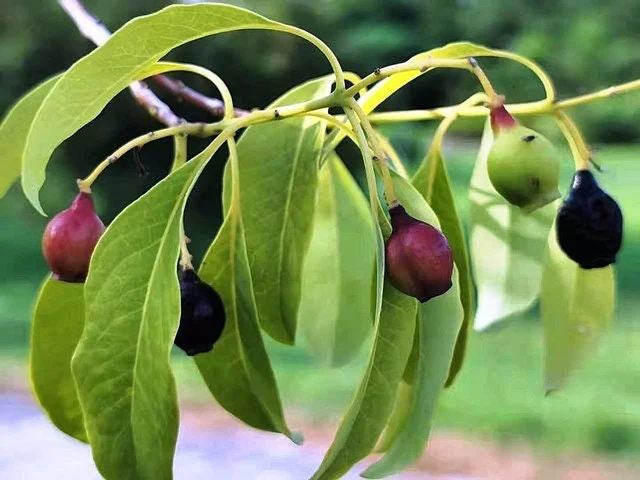
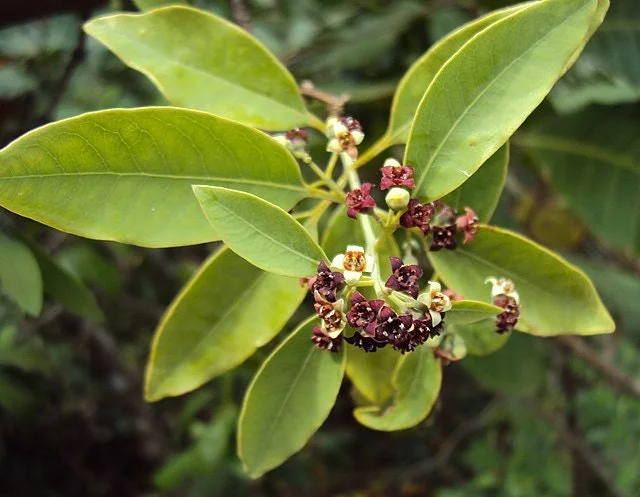
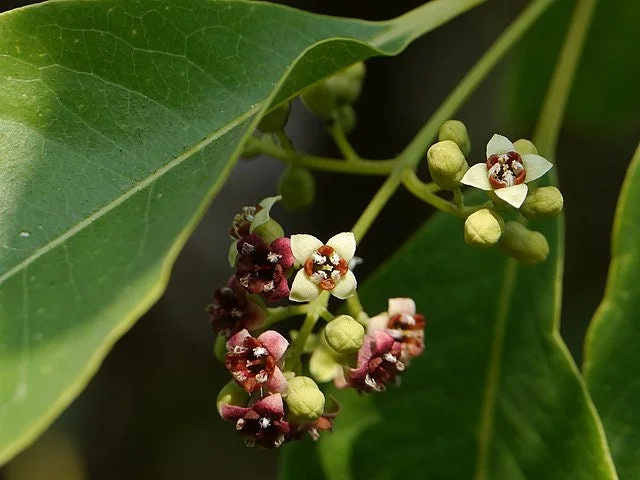
The Santalum album seeds offered here are a gateway to cultivating one of the world’s most cherished aromatic plants. Known for its small, leathery leaves and delicate white to pale yellow flowers, the Indian Sandalwood tree develops a compact growth habit. While slow-growing, the eventual reward of its aromatic wood is unparalleled. This product allows enthusiasts and gardeners alike to participate in the sustainable cultivation of a species that has been historically overharvested in the wild, contributing to its preservation and ensuring its continued legacy.
Key Benefits
Growing Indian Sandalwood seeds offers a multitude of benefits, from the aesthetic appeal of the tree itself to the potential for its valuable aromatic properties. These advantages make it a desirable choice for dedicated gardeners and plant enthusiasts:
- Exceptional Fragrance: The primary benefit is the distinctive, sweet, and woody fragrance derived from the heartwood, highly prized in perfumery, aromatherapy, and religious ceremonies. Cultivating these Santalum album seeds can eventually lead to experiencing this unique aroma firsthand.
- Culturally Significant: Sandalwood holds deep cultural and spiritual significance in many traditions, particularly in India. Growing your own tree connects you to this rich heritage.
- Long-Term Investment: While slow-growing, a mature sandalwood tree is a valuable asset due to the demand for its essential oil and wood. It represents a long-term gardening project with significant potential rewards.
- Sustainable Cultivation: By growing sandalwood tree seeds, you contribute to the sustainable cultivation efforts for a species that has faced threats from overharvesting in its natural habitats.
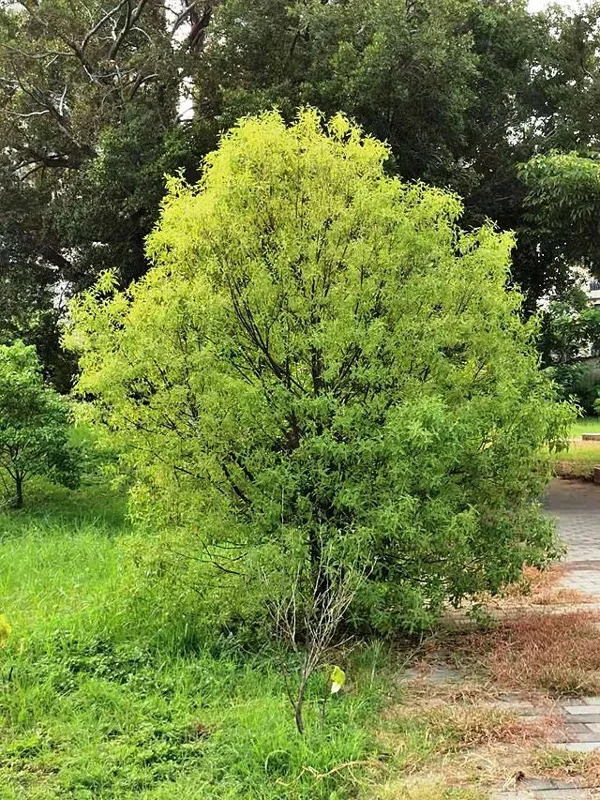
- Unique Garden Specimen: Even before maturity, the Santalum album tree is an attractive evergreen with leathery leaves, offering a unique and exotic addition to appropriate garden zones (USDA Zones 10-11).
- Educational Experience: The process of germinating and nurturing Chandana seeds provides an enriching educational experience, teaching patience and the specific needs of a valuable tropical species.
- Aromatic Potential: Even young trees can emit a subtle, pleasant aroma, hinting at the powerful fragrance that develops in the mature heartwood.
Plant Care & Growing Tips
Cultivating Indian Sandalwood seeds requires patience and specific care, particularly during germination and the early stages of growth. Santalum album thrives in tropical and subtropical climates, specifically in USDA Zones 10-11. For germination, scarification is crucial; gently sand the seed coat or soak seeds in warm water for 24-48 hours to soften them. Plant the scarified seeds in a well-draining, sandy potting mix, covering them with a thin layer of soil. A consistent warm temperature, ideally between 77-86°F (25-30°C), is vital for successful germination, which can be slow and erratic, taking several weeks to several months.
Once germinated, provide bright, indirect sunlight. The soil should remain consistently moist but never waterlogged. As a hemi-parasitic plant, Santalum album benefits from a host plant, especially in its early stages. Consider planting near suitable host plants like Cajanus cajan (Pigeon Pea) or certain grasses, which can aid in its growth by providing nutrients. Fertilization should be light and balanced once seedlings are established. Protect young plants from extreme cold and strong winds. With dedicated care, these grow sandalwood tree seedlings will develop into robust plants. Ensure good air circulation to prevent fungal issues, and monitor for common pests, treating organically if possible.
Size & Details
This product includes 5 Santalum album seeds, ready for you to begin the cultivation process of the Indian Sandalwood tree. These seeds are carefully prepared for shipping to ensure viability upon arrival. As a slow-growing species, Santalum album can take many years to reach maturity, typically growing to a height of 15-30 feet (4.5-9 meters) in optimal conditions, though it can reach up to 60 feet (18 meters) in its native habitat. The prized heartwood, from which sandalwood oil is extracted, develops over several decades.
Each seed offers the potential to grow a magnificent, fragrant tree. The seeds themselves are small, typically dark-colored, and require specific germination protocols as detailed in the care section. Upon successful germination, seedlings will be small and delicate, requiring careful handling and transplanting into individual containers or suitable outdoor locations within USDA Zones 10-11. The mature tree forms a compact crown with an evergreen foliage, making it an attractive and valuable addition to a warm climate landscape.
Frequently Asked Questions
- Q: How big does this plant get? A: The Indian Sandalwood tree is a slow-growing species that can eventually reach heights of 15-30 feet (4.5-9 meters) in cultivation, and up to 60 feet (18 meters) in its natural habitat. Its width can be proportional, forming a compact, evergreen crown.
- Q: What size pot does it come in? A: This product includes 5 Santalum album seeds, not a potted plant. You will need to provide your own pots and growing medium for germination and subsequent transplanting of seedlings.
- Q: Is this an indoor or outdoor plant? A: The Santalum album tree is primarily an outdoor plant suitable for tropical and subtropical climates, specifically USDA Zones 10-11. It can be grown indoors in a controlled environment as a young plant, but will eventually require outdoor conditions to thrive and mature.
- Q: How much sunlight does it need? A: For germination, bright, indirect sunlight is best. Once established, young sandalwood tree seedlings prefer partial to full sun, needing at least 6 hours of direct sunlight per day to grow vigorously.
- Q: Is this plant easy to care for? A: Growing Indian Sandalwood seeds requires patience and specific care, especially during germination and early growth. It’s not considered a beginner-friendly plant due to its unique needs, including scarification and potential host plant requirements.
- Q: What condition will it arrive in? A: You will receive 5 viable Santalum album seeds, carefully packaged to ensure their integrity during transit. They will be ready for you to begin the germination process upon arrival.
- Q: How long until it blooms? A: Sandalwood trees are slow-growing. They typically begin flowering after several years, usually around 5-7 years old, but the prized heartwood for oil extraction takes much longer, often 15-30 years to develop significantly.
- Q: When is the best time to plant? A: If growing outdoors in suitable climates (Zones 10-11), planting Chandana seeds is best done in spring or early summer. For indoor germination, you can start them year-round, provided you maintain optimal temperature and light conditions.
- Q: Will it survive winter in my zone? A: The Indian Sandalwood tree is sensitive to cold and will only survive winters outdoors in USDA Zones 10-11. If you live in a colder climate, you will need to grow it in a greenhouse or move it indoors during winter months.
- Q: What’s the minimum temperature? A: Santalum album thrives in warm conditions and is sensitive to frost. It requires temperatures generally above 50°F (10°C) and ideally prefers a consistent warm climate for optimal growth and development.
Be the first to review “Santalum album Sandalwood Seeds – Indian Sandalwood Tree – 5 Seeds”
You must be logged in to post a review.
People also Viewed
Sold 50 products
Original price was: $109.95.$79.98Current price is: $79.98.
Sold 50 products
Original price was: $25.00.$17.50Current price is: $17.50.
Flower Seeds
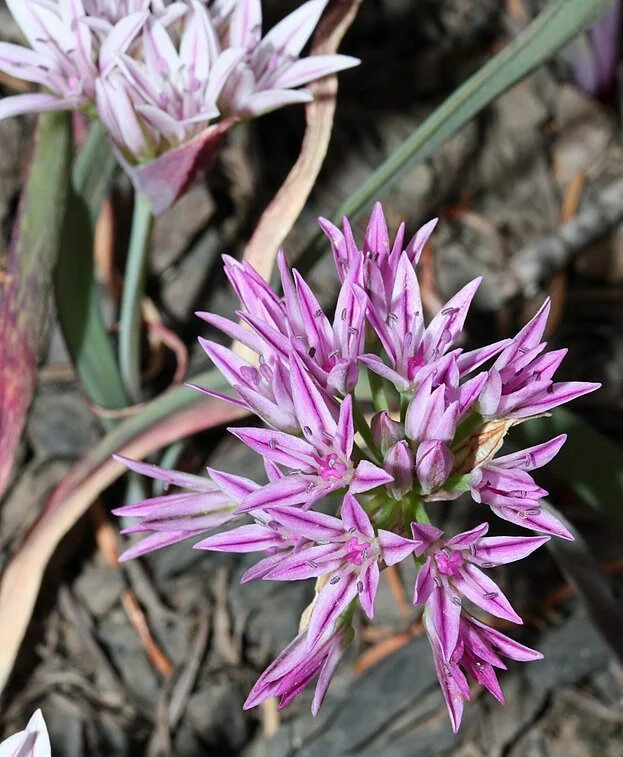
Olympic Onion Seeds – Allium crenulatum Flower Seeds – 10 Seed Pack – Outdoor Native Plant
Sold 50 products
Original price was: $25.00.$17.50Current price is: $17.50.
Sold 50 products
Original price was: $25.00.$17.50Current price is: $17.50.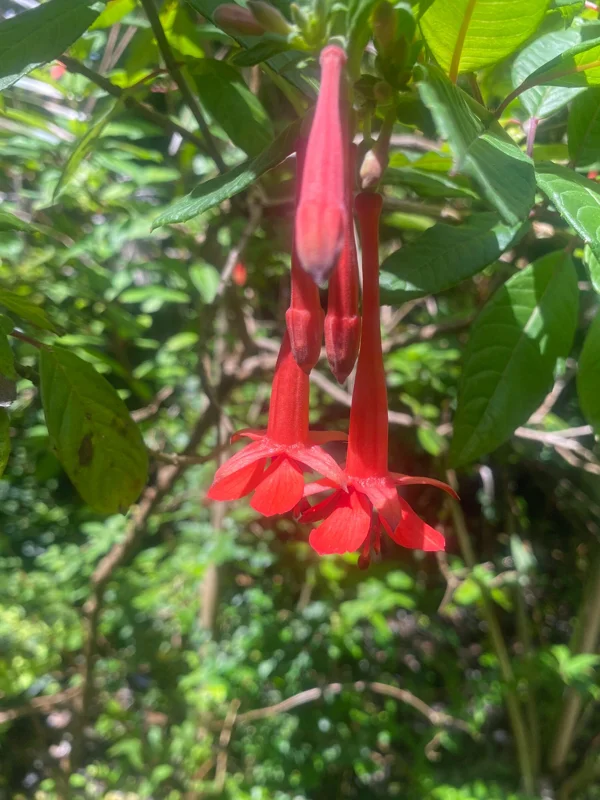
Flower Seeds
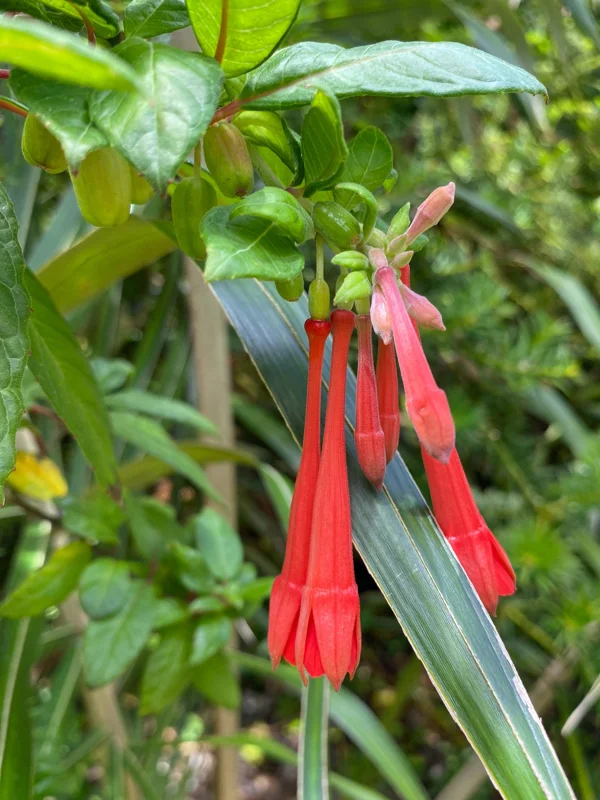
Fuchsia vulcanica Seeds – 20 Pack – Vibrant Orange Coral Flowers for Garden & Containers
Sold 50 products
Original price was: $25.00.$17.50Current price is: $17.50.
Sold 50 products
Original price was: $116.98.$95.68Current price is: $95.68.
Sold 50 products
Original price was: $21.00.$14.10Current price is: $14.10.
Aquatic Plant Seeds
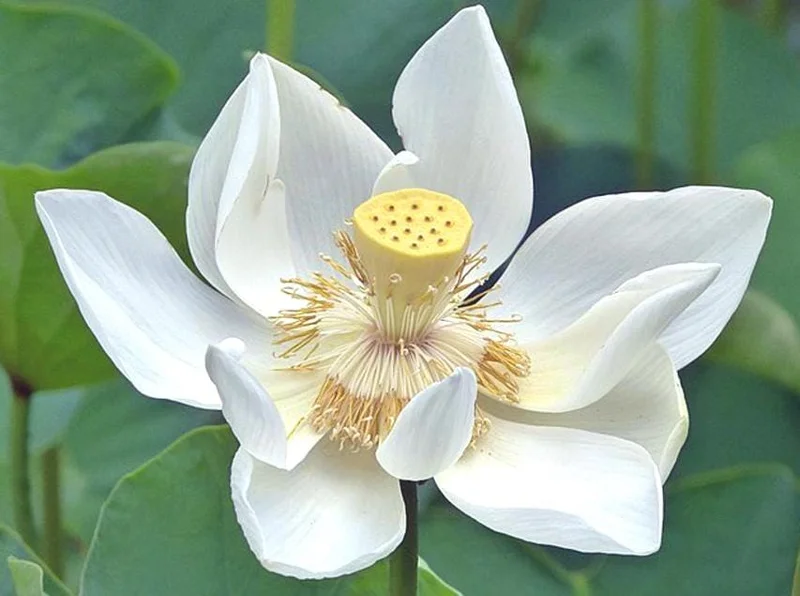
White Lotus Seeds – Nelumbo Nucifera Aquatic Pond Plant – 5 Seeds for Water Garden
Sold 50 products
Original price was: $29.00.$20.90Current price is: $20.90.RELATED posts
Awapuhi Wild Ginger Plant: Zones, Care, and Propagation
Learn which USDA zones suit awapuhi wild ginger, plus sunlight, water, planting, propagation, pests, size, [...]
Awapuhi Shampoo Ginger – Care, Growing Zones, and Differences
Learn how to grow awapuhi (shampoo) ginger, its USDA zones, watering schedule, propagation tips, and [...]
Awapuhi Shampoo Plant Buying Guide – Choose the Right Zingiber zerumbet
META: Learn which awapuhi (shampoo ginger) plant or rhizome pack gives the best natural shampoo, [...]
Awapuhi Plant for Sale: Complete Buying Guide
Find the right awapuhi (shampoo ginger) plant, size, price, soil mix, and online source. Practical [...]
Shampoo Ginger Plant for Sale – Buying Guide & Tips
Find the right shampoo ginger plant, size, price, and care tips. Quick guide for U.S. [...]
Shampoo Ginger Plant (Awapuhi) Care Guide
Learn how to grow, care for, and use shampoo ginger (Zingiber zerumbet), the tropical awapuhi [...]
How to Grow Cuban Oregano Plants: A Complete Care Guide
If you’ve ever wanted a plant that combines the culinary punch of traditional oregano with [...]
Aug
How to Grow Habanero Pepper Plants: A Step-by-Step Guide
Habanero pepper plants are prized for their vibrant colors, intense heat, and exceptional flavor, making [...]
Aug

Reviews
There are no reviews yet.