
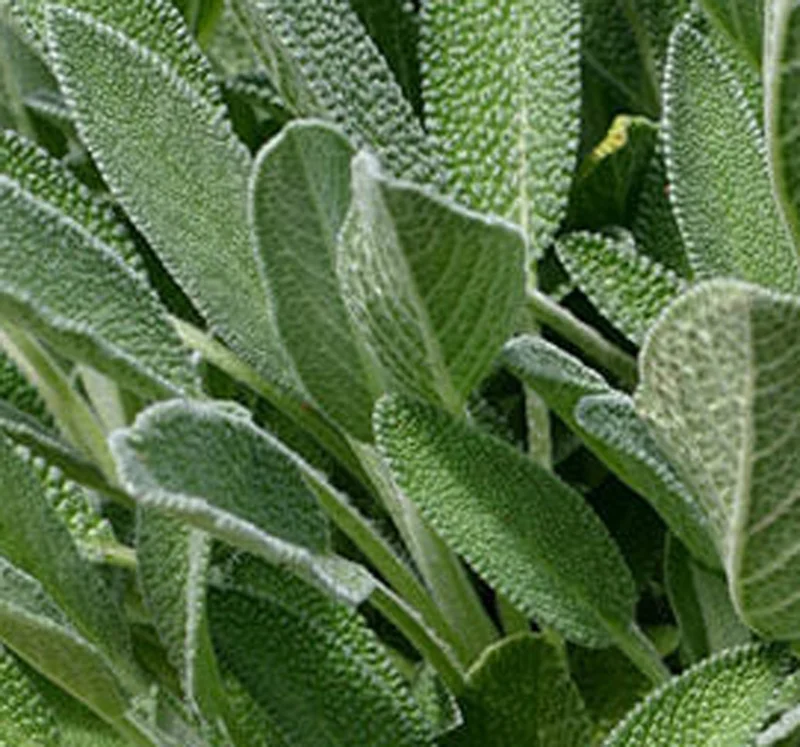
Sage Herb Live Plant, 3.5 inch Pot, Culinary Garden Herb
$35.91
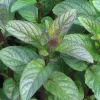
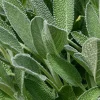
Bring the fresh taste and aromatic benefits of sage herb live plant into your home or garden. This versatile herb, provided in a 3.5 inch pot, is perfect for culinary creations and adds a delightful fragrance to any space. Easy to grow and maintain.
Shipping and Return policies:
We stand behind our plants with our Alive & Thrive Guarantee. If you experience any issues within the first 30 days, please email us, and our team will be happy to help. When needed, we’ll send you a one-time replacement free of charge to make sure your garden keeps growing strong.

Reasonable Price
We offer reasonable price

Support 24/7
Contact us 24 hrs a day
100% Money Back
You’ve 30 days to Return
Payment Secure
100% secure payment
Overview
Elevate your culinary adventures and garden aesthetics with a vibrant sage herb live plant. Known botanically as Salvia officinalis, sage is a beloved perennial herb celebrated for its distinct earthy flavor and aromatic foliage. This live plant arrives ready to thrive, allowing you to enjoy fresh sage leaves right from your windowsill or garden bed. Our sage herb live plant is an excellent addition for both novice and experienced gardeners, offering a rewarding growing experience and a bountiful harvest. It’s a fundamental ingredient in many cuisines and also recognized for its ornamental value with its soft, grayish-green leaves.
Whether you’re looking to enhance your Thanksgiving turkey, add depth to pasta dishes, or simply enjoy a fragrant addition to your herb collection, this sage plant is an ideal choice. It adapts well to various growing conditions, making it a robust and reliable option for home cultivation. Discover the joy of growing sage plant at home, ensuring you always have fresh, organic herbs at your fingertips.
Key Benefits
Cultivating your own sage plant offers a multitude of advantages, from culinary convenience to garden beauty. Here are some of the key benefits you’ll enjoy with your new sage herb live plant:
- Culinary Versatility: Fresh sage leaves are indispensable in the kitchen, perfect for flavoring poultry, pork, sausages, stuffings, and roasted vegetables. The robust flavor of culinary sage plant enhances a wide range of dishes.
- Aromatic Appeal: The distinctive, earthy aroma of sage adds a delightful fragrance to your home or garden. Brushing against its leaves releases a refreshing scent that can invigorate your senses.
- Easy to Grow: Sage is known for its resilience and adaptability, making it a fantastic choice for gardeners of all skill levels. With minimal effort, you can enjoy a thriving plant that provides fresh herbs for months.
- Ornamental Value: Beyond its culinary uses, sage makes an attractive addition to herb gardens, borders, or containers with its soft, silvery-green foliage and sometimes delicate purple-blue flowers.
- Pollinator Friendly: When it blooms, sage flowers attract beneficial pollinators like bees and butterflies to your garden, contributing to a healthy ecosystem.
- Potential Health Benefits: Historically, sage has been used in traditional medicine for various purposes, including its antioxidant and anti-inflammatory properties.
- Drought Tolerant: Once established, sage is quite drought-tolerant, requiring less frequent watering compared to many other herbs, making it a low-maintenance option.
Plant Care & Growing Tips
Caring for your sage herb live plant is straightforward, ensuring a healthy and productive herb for years to come. Sage thrives in conditions that mimic its Mediterranean origins, preferring plenty of sunlight and well-draining soil. For optimal growth, provide at least 6-8 hours of direct sunlight daily. If growing indoors, place it near a south-facing window or supplement with a grow light. Outdoor plants can tolerate full sun, even in hot climates, provided they have adequate air circulation.
Watering is crucial for sage plant care; however, sage prefers drier conditions. Water thoroughly when the top 1-2 inches of soil feel dry to the touch, typically 2-3 times a week, or more frequently in hot, dry weather. Avoid overwatering, as this can lead to root rot. Well-draining soil is paramount; a good quality potting mix with added perlite or sand is ideal for container growing. For garden beds, amend heavy clay soils with organic matter to improve drainage. Sage is hardy in USDA zones 5-9, tolerating a range of temperatures from mild frosts to hot summers. In colder zones, it can be grown as an annual or brought indoors for winter protection.
Fertilize your sage plant sparingly. A balanced liquid fertilizer diluted to half strength can be applied once a month during the active growing season (spring and summer). Pruning is beneficial to maintain shape, encourage bushier growth, and prevent the plant from becoming woody. Harvest leaves regularly, pinching off the top few inches of growth. This also helps to stimulate new leaf production. Keep an eye out for common pests like aphids or spider mites, and treat with organic insecticidal soap if necessary. Proper sage plant care will ensure a robust and fragrant plant, allowing you to fully enjoy your salvia officinalis.
Size & Details
This sage herb live plant arrives established in a 3.5-inch nursery pot, providing a healthy root system ready for transplanting. At the time of shipment, the plant typically stands approximately 5 inches in height, varying slightly based on growth stage. Sage is a moderate grower, and with proper care, it can reach mature dimensions of 12-30 inches tall and wide, depending on growing conditions and pruning habits. It is shipped as a live, actively growing plant, carefully packaged to ensure its safe arrival. Expect your sage plant to establish quickly and begin producing abundant aromatic leaves.
This form factor is ideal for direct planting into a larger container, raised garden bed, or outdoor herb garden. Sage is a perennial herb, meaning it will return year after year in suitable climates. Its woody stems develop over time, and regular harvesting or pruning will encourage a more compact and leafy habit. Enjoy the continuous harvest of fresh sage from early spring through fall.
Frequently Asked Questions
- Q: How big does this sage herb live plant get? A: This plant typically arrives around 5 inches tall in a 3.5-inch pot. With proper care, it can grow to a mature size of 12-30 inches tall and wide, depending on whether it’s grown in a container or in the ground, and how regularly it’s pruned.
- Q: Is this an indoor or outdoor plant? A: Sage is versatile and can be grown both indoors and outdoors. Outdoors, it thrives in full sun. Indoors, it needs a bright, sunny window or supplemental grow light to flourish. It’s an excellent choice for a culinary sage plant in either setting.
- Q: How much sunlight does my sage plant need? A: Your sage plant requires at least 6-8 hours of direct sunlight per day for optimal growth and flavor development. If growing indoors, place it in the sunniest spot available, such as a south-facing window.
- Q: Is this plant easy to care for? A: Yes, sage is considered a very easy-to-care-for herb, making it suitable for beginners. It’s quite drought-tolerant and resilient, requiring well-draining soil and plenty of sun. Following basic sage plant care guidelines will ensure its success.
- Q: Can I use this sage in cooking? A: Absolutely! This is a culinary sage variety (salvia officinalis) and its leaves are perfect for all your cooking needs, from seasoning meats to flavoring sauces and dressings.
- Q: How often should I water my sage plant? A: Water your sage plant when the top 1-2 inches of soil feel dry to the touch. It prefers to dry out slightly between waterings, so avoid keeping the soil consistently soggy. Overwatering is a common issue, so err on the side of less water.
- Q: What condition will the plant arrive in? A: Your sage herb live plant will be carefully packaged and shipped in a healthy, active growing state, ready for you to transplant and nurture. We take great care to ensure it arrives safely.
- Q: What kind of soil is best for growing sage plant? A: Sage prefers well-draining soil. For container plants, a standard potting mix amended with perlite or sand for extra drainage is ideal. In garden beds, ensure the soil isn’t heavy clay; amend with organic matter if needed.
- Q: When is the best time to plant sage? A: Sage can be planted outdoors in spring after the last frost. For indoor growing, it can be planted year-round. This allows you to enjoy fresh sage no matter the season.
- Q: Is sage deer resistant? A: Yes, sage is generally considered deer and rabbit resistant due to its strong aroma and somewhat fuzzy leaf texture, making it a good choice for gardens where these animals are a concern.
Be the first to review “Sage Herb Live Plant, 3.5 inch Pot, Culinary Garden Herb”
You must be logged in to post a review.
People also Viewed
Sold 50 products
$32.38
Sold 50 products
$27.38
Sold 50 products
$32.38
Sold 50 products
$19.88
Sold 50 products
$62.38
Sold 50 products
$24.88
Houseplants
Phalaenopsis pulcherrima ‘Mauna Kea Snow’ Orchid Live Plant – White Flowers, Potted 2.5 in
Sold 50 products
$49.88
Sold 50 products
$49.88RELATED posts
Awapuhi Wild Ginger Plant: Zones, Care, and Propagation
Learn which USDA zones suit awapuhi wild ginger, plus sunlight, water, planting, propagation, pests, size, [...]
Awapuhi Shampoo Ginger – Care, Growing Zones, and Differences
Learn how to grow awapuhi (shampoo) ginger, its USDA zones, watering schedule, propagation tips, and [...]
Awapuhi Shampoo Plant Buying Guide – Choose the Right Zingiber zerumbet
META: Learn which awapuhi (shampoo ginger) plant or rhizome pack gives the best natural shampoo, [...]
Awapuhi Plant for Sale: Complete Buying Guide
Find the right awapuhi (shampoo ginger) plant, size, price, soil mix, and online source. Practical [...]
Shampoo Ginger Plant for Sale – Buying Guide & Tips
Find the right shampoo ginger plant, size, price, and care tips. Quick guide for U.S. [...]
Shampoo Ginger Plant (Awapuhi) Care Guide
Learn how to grow, care for, and use shampoo ginger (Zingiber zerumbet), the tropical awapuhi [...]
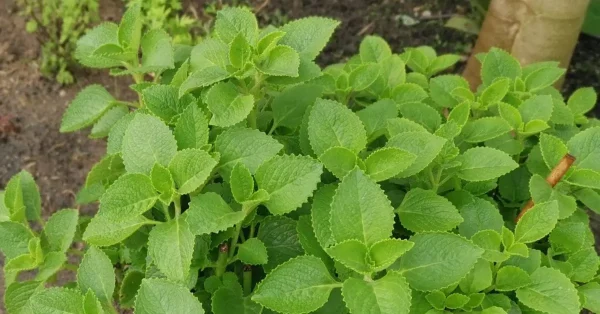
How to Grow Cuban Oregano Plants: A Complete Care Guide
If you’ve ever wanted a plant that combines the culinary punch of traditional oregano with [...]
Aug
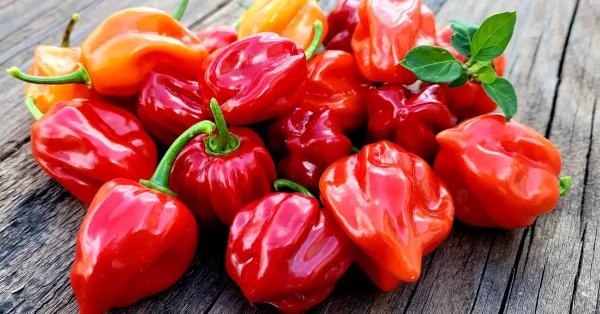
How to Grow Habanero Pepper Plants: A Step-by-Step Guide
Habanero pepper plants are prized for their vibrant colors, intense heat, and exceptional flavor, making [...]
Aug
Reviews
There are no reviews yet.