
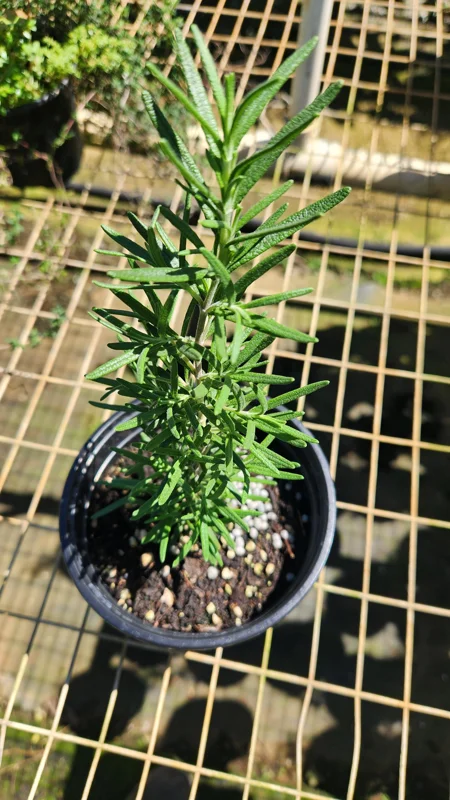
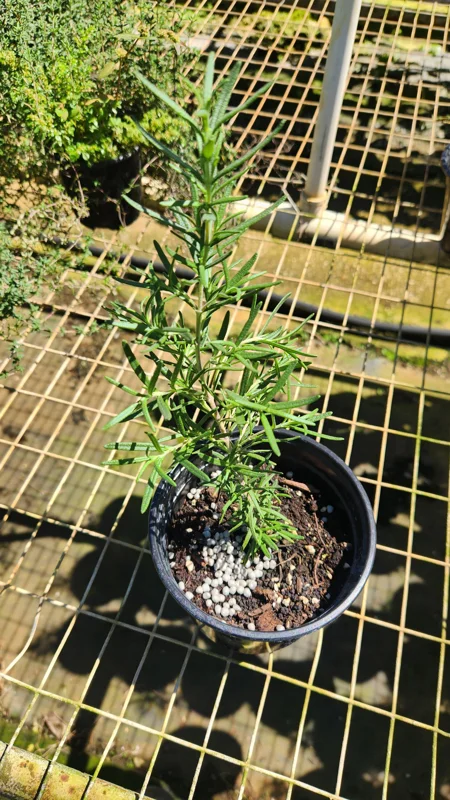
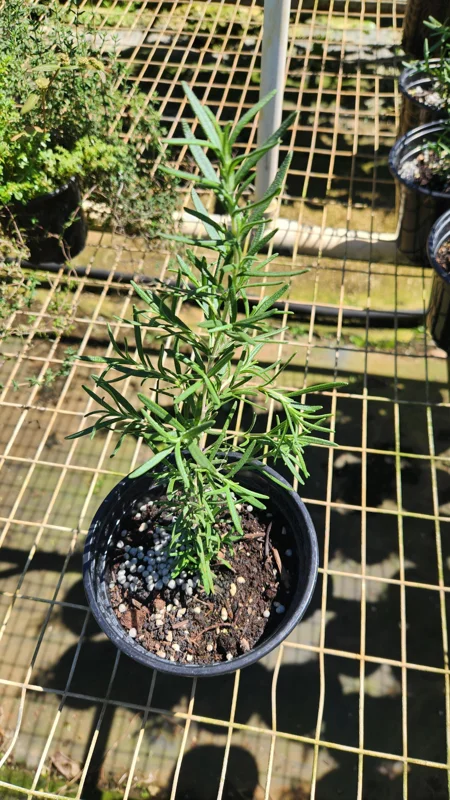
Rosemary Live Plant (Rosmarinus officinalis) – 10-20 inch Aromatic Herb
$108.12
Enhance your garden or kitchen with a fragrant rosemary live plant, ranging from 10 to 20 inches tall. This versatile herb, Rosmarinus officinalis, is known for its strong aroma and culinary uses. Ideal for Mediterranean gardens, it is also attractive to pollinators.
Shipping and Return policies:
We stand behind our plants with our Alive & Thrive Guarantee. If you experience any issues within the first 30 days, please email us, and our team will be happy to help. When needed, we’ll send you a one-time replacement free of charge to make sure your garden keeps growing strong.

Reasonable Price
We offer reasonable price

Support 24/7
Contact us 24 hrs a day
100% Money Back
You’ve 30 days to Return
Payment Secure
100% secure payment
Overview
Bring the delightful aroma and culinary versatility of the Mediterranean into your home or garden with this exquisite rosemary live plant. Known botanically as Rosmarinus officinalis, and often referred to as Salvia rosmarinus, this perennial aromatic plant is a cherished addition for both novice and experienced gardeners. Our rosemary live plant arrives ready to thrive, offering beautiful foliage and a robust fragrance that enriches any space. Whether you’re looking to elevate your cooking, enjoy its medicinal properties, or simply appreciate its ornamental beauty, this plant is a fantastic choice for a wide range of uses. Originating from the sun-drenched coasts of the Mediterranean, rosemary has been cultivated for centuries for its distinctive flavor and hardiness.
Key Benefits
The rosemary live plant offers a multitude of benefits, making it a highly desirable addition to any garden or culinary collection. Its enduring popularity stems from its aromatic qualities and ease of care, providing continuous enjoyment and utility.
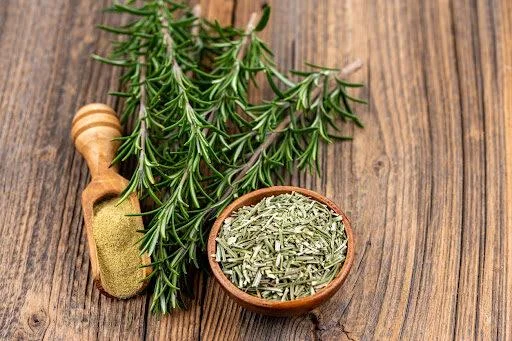
- Culinary Excellence: Rosemary is a cornerstone of Mediterranean cuisine, perfect for seasoning meats, fish, stews, and breads. Its strong, resinous flavor adds a unique depth to countless dishes, whether used fresh or dried. This makes a rosemary live plant indispensable for home cooks.
- Aromatic Appeal: The distinctive scent of rosemary is both invigorating and calming. Brushing against its leaves releases a beautiful fragrance that can naturally perfume your garden or home, creating a pleasant atmosphere.
- Medicinal Properties: Historically, rosemary has been used for various medicinal purposes, including improving memory, boosting circulation, and providing antioxidant benefits. Incorporating rosmarinus officinalis plant into your daily life can offer these traditional advantages.
- Drought Tolerance: With its deep root system, this plant is remarkably resistant to drought, making it an excellent choice for arid climates or water-wise gardens. This characteristic reduces the need for frequent watering.
- Pollinator Magnet: The small, delicate blue, purple, or white flowers that bloom in spring and summer are highly attractive to pollinators such as bees, helping to support local ecosystems and biodiversity in your garden.
- Ornamental Value: Beyond its practical uses, rosemary is an attractive shrub with narrow, dark green leaves and a silvery underside. It can be shaped and pruned to fit various garden designs, adding structure and evergreen beauty.
- Low Maintenance: Once established, rosemary requires minimal care, thriving in sunny conditions with well-draining soil. This makes growing rosemary plant relatively simple and rewarding.
Plant Care & Growing Tips
Caring for your rosemary live plant is straightforward, especially if you provide the right conditions from the start. Rosemary thrives in environments that mimic its native Mediterranean habitat. It requires ample sunlight, ideally receiving at least 6-8 hours of direct sun per day. For outdoor planting, choose a south-facing spot. If growing indoors, place it near a bright, sunny window or supplement with grow lights to ensure robust growth. Insufficient light can lead to leggy growth and reduced vigor.
Watering should be done carefully; rosemary prefers drier conditions and is highly susceptible to root rot if overwatered. Allow the soil to dry out completely between waterings, then water deeply until it drains from the bottom. Reduce watering frequency during cooler months. A well-draining soil mix is crucial; sandy or gravelly soil with a neutral to slightly alkaline pH (6.0-7.5) is ideal. Avoid heavy clay soils that retain too much moisture. For containers, use a good quality potting mix specifically formulated for herbs or succulents, ensuring excellent drainage.
Rosemary is quite hardy and can tolerate a range of temperatures, typically thriving in USDA zones 7-10. In colder climates, it may need protection during winter or can be grown in pots and brought indoors. Fertilization is generally minimal for rosemary; a light feeding with a balanced, slow-release fertilizer in spring is usually sufficient. Over-fertilizing can lead to excessive foliage growth at the expense of flavor. Pruning is important for maintaining shape, encouraging bushier growth, and harvesting. Prune after flowering to shape the plant and remove any dead or woody stems. Regular pruning also helps with rosemary care guide by encouraging fresh growth and preventing the plant from becoming too woody. Watch out for common pests like aphids or spider mites, which can usually be managed with insecticidal soap or neem oil.
Size & Details
This rosemary live plant typically ranges from 10 to 20 inches in height upon arrival, offering a substantial start to your herb garden. While it can grow up to 1.5 meters (approximately 5 feet) tall in ideal conditions, it is often pruned to maintain a more manageable size in home gardens and containers. The plant establishes a deep root system, contributing to its impressive drought resistance. It will arrive as a healthy, actively growing plant, carefully packaged to ensure its safe journey to your home. With proper care, your rosemary will continue to grow and flourish, providing fresh herbs for many years. Expect a moderate growth rate, allowing you to enjoy harvesting within the first year.
Frequently Asked Questions
- Q: How big does this rosemary live plant get? A: While this plant arrives between 10 to 20 inches tall, a mature rosemary live plant can grow up to 5 feet (1.5 meters) in height if left unpruned. Regular pruning can help maintain a smaller, bushier form suitable for containers or smaller garden spaces.
- Q: Is this an indoor or outdoor plant? A: Rosemary can be grown both indoors and outdoors, depending on your climate. It thrives outdoors in full sun in USDA zones 7-10. In colder regions, it is often grown in containers and brought indoors during winter, making it a versatile rosmarinus officinalis plant.
- Q: How much sunlight does it need? A: Your rosemary live plant requires at least 6-8 hours of direct sunlight per day to grow optimally. If growing indoors, place it in the brightest window available, preferably south-facing, or use supplemental grow lights.
- Q: Is this plant easy to care for? A: Yes, rosemary is generally considered an easy-to-care-for plant, especially once established. It’s drought-tolerant and prefers minimal fuss, making growing rosemary plant a rewarding experience for gardeners of all levels.
- Q: What condition will it arrive in? A: Your rosemary live plant will arrive as a healthy, actively growing plant, carefully packaged to ensure its safe and secure transit. It will be rooted in soil, ready for transplanting or placing in your desired location.
- Q: Can I use this rosemary in cooking? A: Absolutely! This rosemary is perfect for culinary use. Its strong, aromatic leaves can be used fresh or dried to season a wide variety of dishes, from roasted meats to breads and stews.
- Q: When is the best time to plant rosemary? A: The best time to plant rosemary outdoors is in spring after the last frost, or in early fall in warmer climates. If planting indoors, you can plant it year-round. Following a good rosemary care guide will ensure success.
- Q: Will it survive winter in my zone? A: Rosemary is hardy in USDA zones 7-10. If you are in a colder zone (below 7), you will need to protect your plant during winter by mulching heavily, covering it, or bringing it indoors if grown in a container.
- Q: What type of soil does rosemary prefer? A: Rosemary thrives in well-draining, sandy, or gravelly soil with a neutral to slightly alkaline pH. Good drainage is key to preventing root rot, which is a common issue for this plant.
- Q: Is rosemary attractive to pollinators? A: Yes, the small flowers of the rosemary live plant are very attractive to pollinators, particularly bees, providing a valuable food source for them during its blooming season in spring and summer.
Be the first to review “Rosemary Live Plant (Rosmarinus officinalis) – 10-20 inch Aromatic Herb”
You must be logged in to post a review.
People also Viewed
Sold 50 products
Original price was: $37.48.$23.98Current price is: $23.98.
Sold 50 products
$32.38
Sold 50 products
$27.38
Sold 50 products
$32.38
Sold 50 products
$19.88
Sold 50 products
$62.38
Sold 50 products
$24.88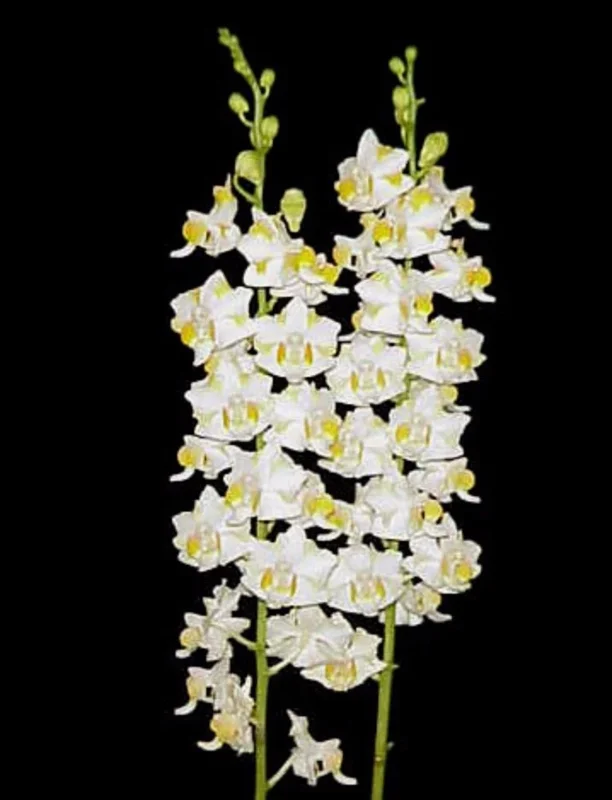
Houseplants
Phalaenopsis pulcherrima ‘Mauna Kea Snow’ Orchid Live Plant – White Flowers, Potted 2.5 in
Sold 50 products
$49.88RELATED posts
Awapuhi Wild Ginger Plant: Zones, Care, and Propagation
Learn which USDA zones suit awapuhi wild ginger, plus sunlight, water, planting, propagation, pests, size, [...]
Awapuhi Shampoo Ginger – Care, Growing Zones, and Differences
Learn how to grow awapuhi (shampoo) ginger, its USDA zones, watering schedule, propagation tips, and [...]
Awapuhi Shampoo Plant Buying Guide – Choose the Right Zingiber zerumbet
META: Learn which awapuhi (shampoo ginger) plant or rhizome pack gives the best natural shampoo, [...]
Awapuhi Plant for Sale: Complete Buying Guide
Find the right awapuhi (shampoo ginger) plant, size, price, soil mix, and online source. Practical [...]
Shampoo Ginger Plant for Sale – Buying Guide & Tips
Find the right shampoo ginger plant, size, price, and care tips. Quick guide for U.S. [...]
Shampoo Ginger Plant (Awapuhi) Care Guide
Learn how to grow, care for, and use shampoo ginger (Zingiber zerumbet), the tropical awapuhi [...]
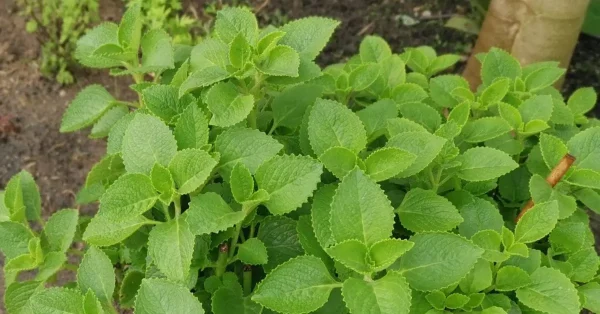
How to Grow Cuban Oregano Plants: A Complete Care Guide
If you’ve ever wanted a plant that combines the culinary punch of traditional oregano with [...]
Aug

How to Grow Habanero Pepper Plants: A Step-by-Step Guide
Habanero pepper plants are prized for their vibrant colors, intense heat, and exceptional flavor, making [...]
Aug

Reviews
There are no reviews yet.