
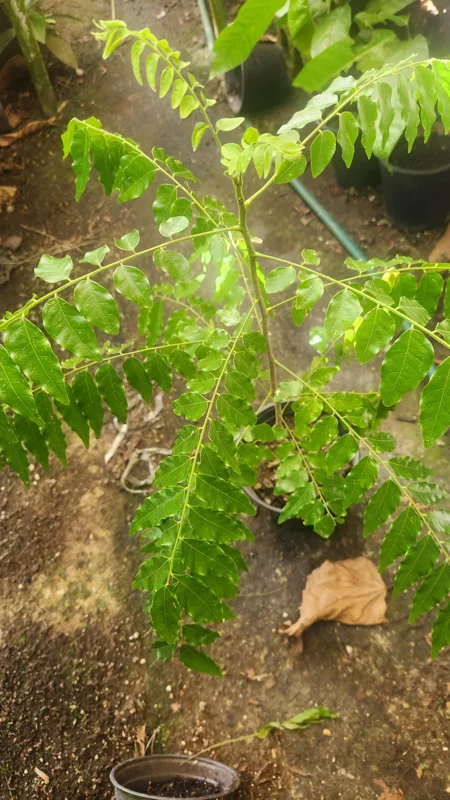
Red Sandalwood Tree Live Plant – Adenanthera Pavonina – Coral Bead Tree – 1 Foot Tall
$112.38
Bring a touch of the tropics to your home or garden with this vibrant red sandalwood tree live plant. Also known as the Coral Bead Tree or Saga Tree, this 1-foot tall specimen (Adenanthera pavonina) is a beautiful, non-climbing leguminous tree known for its ornamental appeal and distinctive seeds. Perfect for enthusiasts seeking an exotic addition.
Shipping and Return policies:
We stand behind our plants with our Alive & Thrive Guarantee. If you experience any issues within the first 30 days, please email us, and our team will be happy to help. When needed, we’ll send you a one-time replacement free of charge to make sure your garden keeps growing strong.

Reasonable Price
We offer reasonable price

Support 24/7
Contact us 24 hrs a day
100% Money Back
You’ve 30 days to Return
Payment Secure
100% secure payment
Overview
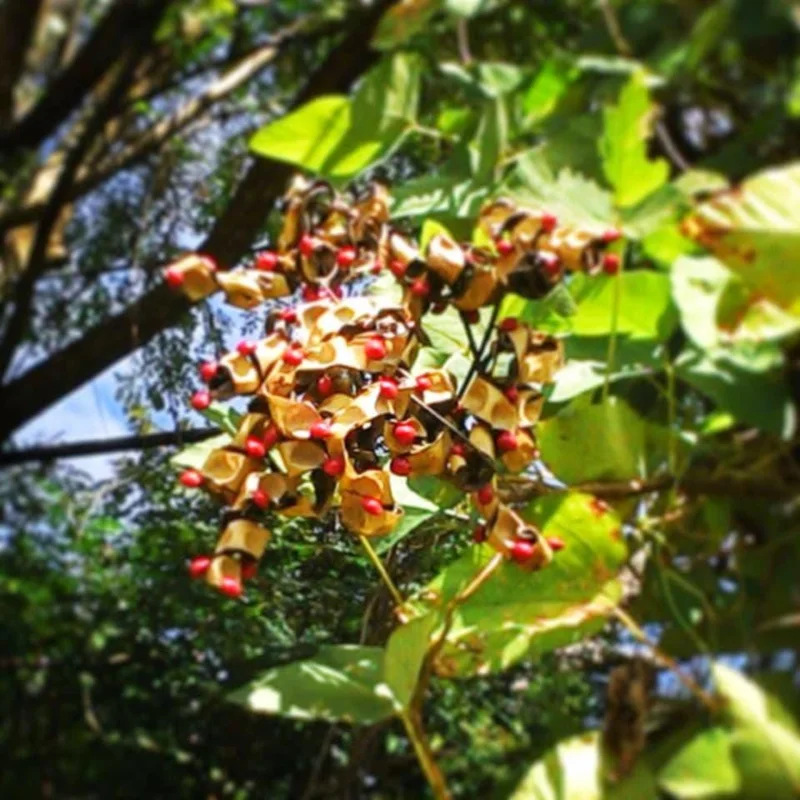
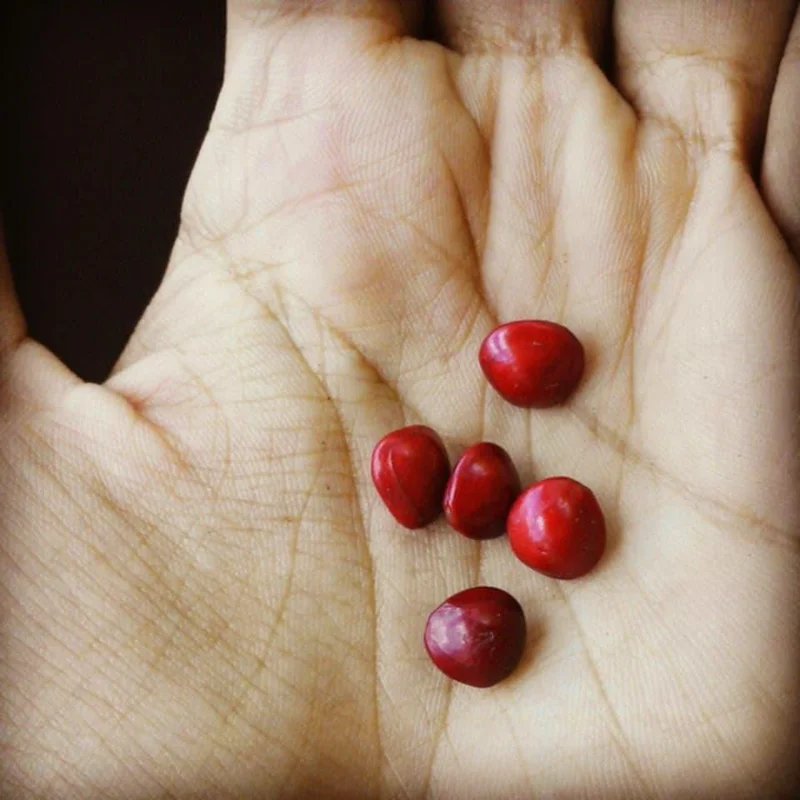
Introduce an extraordinary botanical specimen to your collection with our exquisite red sandalwood tree live plant. This particular offering is a vibrant, healthy 1-foot tall young tree of the species Adenanthera pavonina, commonly known as the Red Sandalwood Tree, Coral Bead Tree, or Saga Tree. Originating from Southeast Asia and parts of Australia, this perennial, non-climbing leguminous tree is celebrated for its attractive foliage, fragrant flowers, and most notably, its bright red, heart-shaped seeds which are often used in jewelry and crafts. As a live plant, it promises to bring a unique tropical aesthetic and a fascinating growth journey to your garden or indoor environment. The adenanthera pavonina plant is a true conversation starter, offering both visual appeal and an interesting botanical story.
Cultivating a red sandalwood tree live plant allows you to experience the beauty of a rare and exotic species firsthand. This young tree is ready to be nurtured, providing an engaging project for both novice and experienced plant enthusiasts. Its robust nature and unique characteristics make it a standout choice for those looking to diversify their plant collection with something truly special and impactful. Enjoy watching this distinctive tree establish itself and thrive under your care.
Key Benefits
The red sandalwood tree live plant offers a multitude of benefits, making it a desirable addition to any plant collection. From its ornamental value to its ecological contributions, this tree is more than just a pretty face.
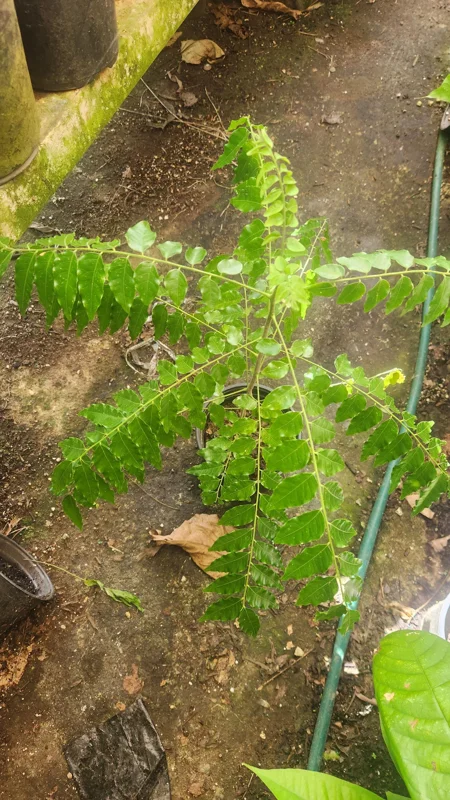
- Exotic Ornamental Appeal: The Adenanthera pavonina boasts attractive bipinnate leaves that provide a lush, tropical feel. Its small, yellowish-white, fragrant flowers bloom in dense, spike-like clusters, adding a subtle beauty before giving way to its famous bright red seeds. This visual interest makes it a striking focal point in any setting.
- Distinctive Seeds: The most recognizable feature of the Coral Bead Tree is its brilliant scarlet, heart-shaped seeds. These hard, shiny seeds are highly prized for their use in jewelry, rosaries, and decorative crafts, offering a unique product from your own garden.
- Adaptable Growth: While preferring tropical climates, this tree can be grown in containers in cooler regions, allowing enthusiasts to bring its exotic charm indoors during colder months. Its non-climbing habit makes it easier to manage in various garden designs.
- Environmental Contribution: As a leguminous tree, Adenanthera pavonina contributes to soil health by fixing nitrogen, enriching the surrounding soil and benefiting other plants in its vicinity. This makes it a valuable addition to sustainable gardening practices.
- Cultural Significance: Known as the Saga Tree in some cultures, its seeds have historical uses beyond adornment, including traditional medicine and as a unit of weight measurement in ancient times, adding a rich cultural layer to its presence.
- Unique Conversation Starter: Owning an adenanthera pavonina plant is sure to spark curiosity and conversation among guests and fellow plant lovers due to its rarity and distinctive features.
Plant Care & Growing Tips
Caring for your red sandalwood tree live plant involves understanding its tropical origins and providing an environment that mimics its natural habitat. With proper attention, your Coral Bead Tree will flourish and grow into a magnificent specimen. This young adenanthera pavonina plant requires consistent care during its establishment phase.
Sunlight: The Red Sandalwood Tree thrives in full sun, requiring at least 6-8 hours of direct sunlight per day to promote robust growth and flowering. If grown indoors, place it in the brightest window available, ideally a south-facing one. In extremely hot climates, some afternoon shade can be beneficial to prevent leaf scorch, especially for young plants. Rotate indoor plants periodically to ensure even growth.
Watering: Consistent moisture is key, especially for young plants. Water thoroughly when the top inch or two of soil feels dry to the touch. Ensure good drainage to prevent waterlogging, which can lead to root rot. Once established, the tree is moderately drought-tolerant but will perform best with regular watering during dry spells. Reduce watering slightly during cooler months or if the plant is dormant.
Soil: This tree prefers well-draining, fertile soil. A slightly acidic to neutral pH (6.0-7.0) is ideal. If planting in a pot, use a high-quality potting mix amended with compost or organic matter to improve fertility and drainage. For outdoor planting, ensure the soil is not heavy clay; amend with sand or perlite if necessary to improve drainage.
Temperature and Humidity: Being a tropical species, the Red Sandalwood Tree prefers warm temperatures, ideally between 65-90°F (18-32°C). It is not frost-tolerant and should be protected from temperatures below 50°F (10°C). If grown outdoors in temperate zones, it must be brought indoors during winter. High humidity is appreciated but not strictly essential; regular misting can benefit indoor plants.
Fertilization: Feed your red sandalwood tree live plant with a balanced, slow-release fertilizer during the growing season (spring and summer). For container-grown plants, a liquid fertilizer applied every 2-4 weeks at half strength can also be effective. Avoid over-fertilizing, which can burn the roots. Reduce or stop fertilization during fall and winter.
Pruning: Prune to maintain shape, remove dead or damaged branches, and encourage bushier growth. The best time to prune is after flowering or in early spring before new growth begins. Regular pruning can also help manage the size of the tree if grown in a container or a smaller garden space.
Size & Details
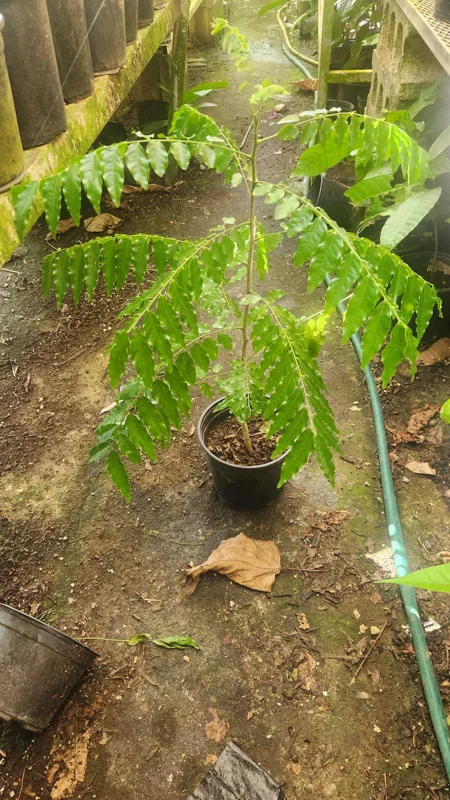
This offering is for one red sandalwood tree live plant, specifically a young Adenanthera pavonina specimen measuring approximately 1 foot in height from the base of the soil to the tip of its tallest leaf. This size is ideal for establishing in your garden or a larger container, allowing you to nurture its growth from a manageable stage. The plant will arrive healthy and well-rooted, typically shipped in a nursery pot with its root ball intact, ready for transplanting.
The coral bead tree for sale has a moderate growth rate, and under optimal conditions, it can eventually reach heights of 30-60 feet in its natural habitat, developing a spreading canopy. When grown in containers, its size can be managed through pruning, making it suitable for patios or as a large indoor specimen. Expect your saga tree plant care efforts to lead to a beautiful, developing tree, with flowering and seed production typically occurring once the tree reaches maturity, which can take several years but is a rewarding spectacle.
Frequently Asked Questions
- Q: How big does this plant get? A: This red sandalwood tree live plant is currently 1 foot tall. In its natural tropical habitat, it can grow up to 30-60 feet tall. When grown in containers, its size can be controlled with regular pruning, making it suitable for smaller spaces or indoor environments.
- Q: Is this an indoor or outdoor plant? A: The Red Sandalwood Tree is a tropical plant that thrives outdoors in USDA Zones 10-11. In cooler climates, it can be grown outdoors during warm months and brought indoors as a potted plant when temperatures drop below 50°F (10°C).
- Q: How much sunlight does it need? A: This plant requires full sun, meaning at least 6-8 hours of direct sunlight per day. If growing indoors, place it in the brightest window you have, ideally a south-facing one, to ensure it gets adequate light for healthy growth.
- Q: Is this plant easy to care for? A: The adenanthera pavonina plant is moderately easy to care for once its basic needs for warmth, sunlight, and consistent moisture are met. It’s a good choice for gardeners looking for an exotic tree that isn’t overly demanding.
- Q: What condition will it arrive in? A: Your red sandalwood tree live plant will arrive healthy, well-rooted, and carefully packaged to ensure its safe transit. It will typically be in a nursery pot with its root ball intact, ready for you to transplant.
- Q: When is the best time to plant? A: For outdoor planting in suitable climates, spring or early summer is ideal, allowing the plant ample time to establish before cooler weather. If growing indoors, it can be transplanted any time of year.
- Q: What type of soil does it prefer? A: It prefers well-draining, fertile soil with a slightly acidic to neutral pH. A good quality potting mix with added organic matter works well for container planting, while outdoor soil should be amended for good drainage.
- Q: Will it survive winter in my zone? A: If you are outside USDA Zones 10-11, your coral bead tree for sale will not survive freezing temperatures outdoors. It must be brought indoors and kept in a warm, bright location during winter months.
- Q: How long until it produces seeds? A: The saga tree plant care you provide will influence its maturity. It typically takes several years for the Red Sandalwood Tree to mature enough to produce flowers and its characteristic bright red seeds.
- Q: Are the seeds edible or toxic? A: While the seeds are used in traditional crafts and sometimes in medicine, they are generally considered toxic if ingested in large quantities by humans and animals. It’s best to keep them out of reach of children and pets.
Be the first to review “Red Sandalwood Tree Live Plant – Adenanthera Pavonina – Coral Bead Tree – 1 Foot Tall”
You must be logged in to post a review.
People also Viewed
Sold 50 products
Original price was: $37.48.$23.98Current price is: $23.98.
Sold 50 products
$32.38
Sold 50 products
$27.38
Sold 50 products
$32.38
Sold 50 products
$19.88
Sold 50 products
$62.38
Sold 50 products
$24.88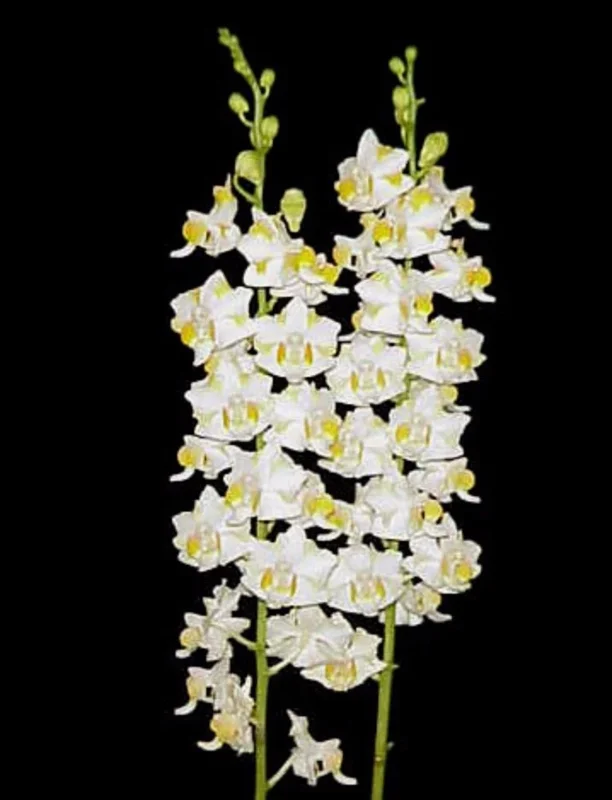
Houseplants
Phalaenopsis pulcherrima ‘Mauna Kea Snow’ Orchid Live Plant – White Flowers, Potted 2.5 in
Sold 50 products
$49.88RELATED posts
Awapuhi Wild Ginger Plant: Zones, Care, and Propagation
Learn which USDA zones suit awapuhi wild ginger, plus sunlight, water, planting, propagation, pests, size, [...]
Awapuhi Shampoo Ginger – Care, Growing Zones, and Differences
Learn how to grow awapuhi (shampoo) ginger, its USDA zones, watering schedule, propagation tips, and [...]
Awapuhi Shampoo Plant Buying Guide – Choose the Right Zingiber zerumbet
META: Learn which awapuhi (shampoo ginger) plant or rhizome pack gives the best natural shampoo, [...]
Awapuhi Plant for Sale: Complete Buying Guide
Find the right awapuhi (shampoo ginger) plant, size, price, soil mix, and online source. Practical [...]
Shampoo Ginger Plant for Sale – Buying Guide & Tips
Find the right shampoo ginger plant, size, price, and care tips. Quick guide for U.S. [...]
Shampoo Ginger Plant (Awapuhi) Care Guide
Learn how to grow, care for, and use shampoo ginger (Zingiber zerumbet), the tropical awapuhi [...]
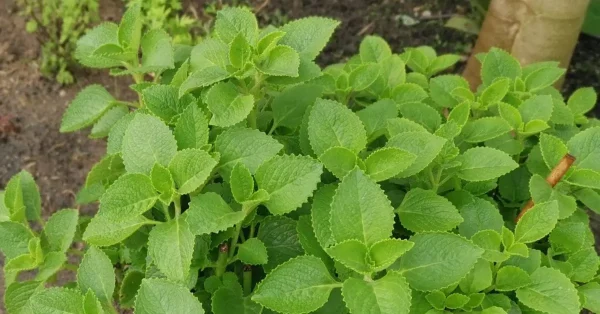
How to Grow Cuban Oregano Plants: A Complete Care Guide
If you’ve ever wanted a plant that combines the culinary punch of traditional oregano with [...]
Aug
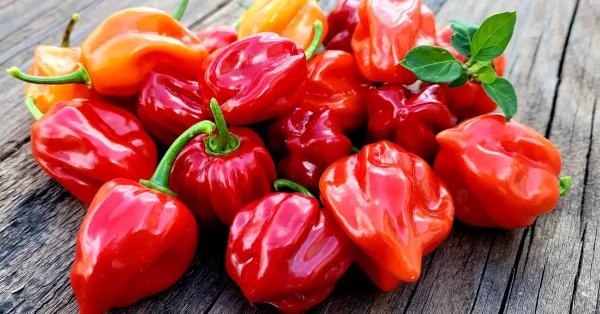
How to Grow Habanero Pepper Plants: A Step-by-Step Guide
Habanero pepper plants are prized for their vibrant colors, intense heat, and exceptional flavor, making [...]
Aug
Reviews
There are no reviews yet.