
Red Prayer Plant Live Plant – Maranta Leuconeura – 4 Inch Pot – Indoor Houseplant
Original price was: $15.96.$12.76Current price is: $12.76.
Discover the captivating beauty of the red prayer plant live plant, a stunning indoor favorite. This 4 inch potted prayer plant indoor specimen features intricate red-veined leaves that fold up at night, adding dynamic charm to any space. Perfect for tabletops, shelves, or hanging baskets, it’s a delightful addition to your houseplant collection.
Shipping and Return policies:
We stand behind our plants with our Alive & Thrive Guarantee. If you experience any issues within the first 30 days, please email us, and our team will be happy to help. When needed, we’ll send you a one-time replacement free of charge to make sure your garden keeps growing strong.

Reasonable Price
We offer reasonable price

Support 24/7
Contact us 24 hrs a day
100% Money Back
You’ve 30 days to Return
Payment Secure
100% secure payment
Overview
Introduce a touch of vibrant nature into your home with a beautiful red prayer plant live plant. Scientifically known as Maranta leuconeura ‘Erythroneura’, this captivating houseplant is renowned for its strikingly patterned foliage. Each leaf boasts a rich green hue adorned with prominent red veins, creating a mesmerizing display of color and texture. What makes the red prayer plant live plant truly unique is its nyctinastic movement – its leaves lie flat during the day and fold upwards at night, resembling hands in prayer. This fascinating behavior, along with its relatively compact size, makes it an ideal choice for adding dynamic botanical interest to any indoor setting.
Originating from the tropical rainforests of Brazil, the red prayer plant thrives in conditions that mimic its natural habitat, enjoying warmth and humidity. It’s a fantastic option for plant enthusiasts looking for a visually engaging plant that offers more than just static beauty. Whether you’re a seasoned gardener or a beginner, understanding maranta leuconeura care will ensure your plant flourishes, bringing lasting joy and a touch of the tropics to your living space.
Key Benefits
The red prayer plant live plant offers numerous benefits, making it a highly desirable addition to any indoor environment. Its unique characteristics contribute to both aesthetic appeal and overall well-being.
- Stunning Visual Appeal: The most immediate benefit is its striking foliage. The deep green leaves with their contrasting red veins and lighter green centers create a captivating visual display that can brighten any room and serve as a natural focal point.
- Dynamic Movement: Experience the fascinating daily ritual of the leaves folding up at night and unfurling in the morning. This ‘prayer-like’ movement adds an interactive and living element to your home decor, making it more engaging than static plants.
- Air Purification: Like many houseplants, the red prayer plant live plant contributes to improved indoor air quality by absorbing common household toxins and releasing oxygen, promoting a healthier living environment.
- Pet-Friendly Choice: For homes with pets, the red prayer plant is a safe and non-toxic option, allowing you to enjoy lush greenery without worrying about the well-being of your furry companions. This makes it a stress-free choice for many plant lovers.
- Humidity Indicator: As a tropical plant, it thrives in high humidity. Observing its leaves can give you clues about the humidity levels in your home, encouraging you to create a more comfortable environment for both your plant and yourself.
- Compact Size: The relatively compact growth habit of this prayer plant indoor makes it perfect for smaller spaces, such as desks, shelves, windowsills, or as part of a larger plant arrangement, without taking up too much room.
- Sense of Calm: The natural beauty and the subtle, gentle movement of the leaves can contribute to a more serene and calming atmosphere in your home, enhancing your overall sense of well-being.
Plant Care & Growing Tips
Proper maranta leuconeura care is essential for a thriving red prayer plant live plant. These tropical beauties prefer conditions that mimic their native rainforest habitat. For optimal growth, finding the right balance of light, water, and humidity is key. Place your prayer plant indoor in a spot that receives bright, indirect light. Direct sunlight can scorch its delicate leaves, causing them to fade or develop crispy brown edges. An east or north-facing window is often ideal, or a spot a few feet away from a south or west-facing window. If the light is too low, the vibrant red coloration may diminish, and the plant’s characteristic leaf movement might be less pronounced.
Watering is crucial for the red prayer plant live plant. Keep the soil consistently moist but never waterlogged. Allow the top inch of soil to dry out slightly between waterings, then water thoroughly until it drains from the bottom of the pot. Overwatering can lead to root rot, while underwatering can cause leaves to curl and become brittle. These plants are sensitive to fluoride and chlorine in tap water, so using filtered, distilled, or rainwater is highly recommended. High humidity is also vital; consider placing your plant on a pebble tray filled with water, using a humidifier, or grouping it with other plants to increase local humidity. Average room temperatures between 65-80°F (18-27°C) are ideal, and it’s best to protect it from cold drafts. Fertilize every 2-4 weeks during the growing season (spring and summer) with a balanced liquid fertilizer diluted to half strength. During fall and winter, reduce watering and cease fertilization as the plant enters a period of slower growth. Watch out for common pests like spider mites, which can thrive in dry conditions; regular misting can help deter them.
Size & Details
This red prayer plant live plant is typically shipped in a 4 inch nursery pot, providing a healthy start for your indoor gardening journey. At the time of arrival, the plant usually stands between 6-10 inches tall, with a similar spread, making it a perfect size for a desk, shelf, or small table. With proper maranta leuconeura care, this plant can eventually reach a mature height of 12-18 inches indoors, with its trailing and spreading habit making it suitable for hanging baskets as well. Its moderate growth rate means you’ll see steady development over time, rewarding your care with increasingly lush and vibrant foliage.
The plant is carefully packaged to ensure it arrives in excellent condition, ready to be placed in its new home. It ships as a well-rooted, actively growing specimen, complete with its characteristic red-veined leaves. While it does not produce showy flowers, its foliage offers year-round decorative appeal. Expect this plant to provide continuous beauty and fascinating leaf movement for many years with consistent attention to its environmental needs. The unique habit of this prayer plant indoor makes it a truly special botanical specimen.
Frequently Asked Questions
- Q: How big does this plant get? A: A red prayer plant live plant typically arrives in a 4 inch pot and grows to about 12-18 inches tall and wide indoors. Its spread can be managed with occasional pruning to maintain a desired size and shape.
- Q: Is this an indoor or outdoor plant? A: The red prayer plant live plant is primarily an indoor houseplant in most climates. It thrives in warm, humid indoor environments and is not frost-tolerant, making it unsuitable for outdoor planting in regions with cold winters.
- Q: How much sunlight does it need? A: This prayer plant indoor prefers bright, indirect light. Avoid direct sunlight, which can scorch its leaves. A spot near an east or north-facing window, or several feet from a south or west-facing window, is ideal for optimal maranta leuconeura care.
- Q: Is this plant easy to care for? A: While not the easiest houseplant, it’s considered moderately easy. Providing consistent moisture, high humidity, and indirect light are key. Once you understand its needs, a how to grow prayer plant becomes a rewarding experience.
- Q: What condition will it arrive in? A: Your red prayer plant live plant will arrive carefully packaged in its 4 inch nursery pot, well-rooted and healthy, ready to be placed in your home. Some minor leaf adjustment may occur during transit but it will quickly recover.
- Q: Is the red prayer plant pet-safe? A: Yes, one of the great red prayer plant benefits is that it is considered non-toxic to pets, making it a safe choice for homes with cats, dogs, and other animals.
- Q: How often should I water my red prayer plant? A: Water when the top inch of soil feels dry to the touch. This could be every 5-7 days, depending on your home’s environment. Ensure good drainage and avoid letting the plant sit in standing water.
- Q: Why are my prayer plant’s leaves curling? A: Curling leaves usually indicate underwatering or low humidity. Check the soil moisture and consider increasing humidity around your prayer plant indoor with a humidifier or pebble tray.
- Q: Does this plant bloom? A: While the red prayer plant live plant can produce small, insignificant white flowers, it is primarily grown for its stunning foliage. The focus is on its decorative leaves rather than its blooms.
- Q: When is the best time to repot a prayer plant? A: Repot your red prayer plant live plant every 1-2 years in spring, or when it becomes root-bound. Choose a pot only slightly larger than the current one to avoid overwatering issues.
| FRENCH MARIGOLD "SPARKY" MIX SEEDS | 175 Seeds, 350 Seeds, 700 Seeds |
|---|
Be the first to review “Red Prayer Plant Live Plant – Maranta Leuconeura – 4 Inch Pot – Indoor Houseplant”
You must be logged in to post a review.
People also Viewed
Sold 50 products
Original price was: $109.95.$79.98Current price is: $79.98.
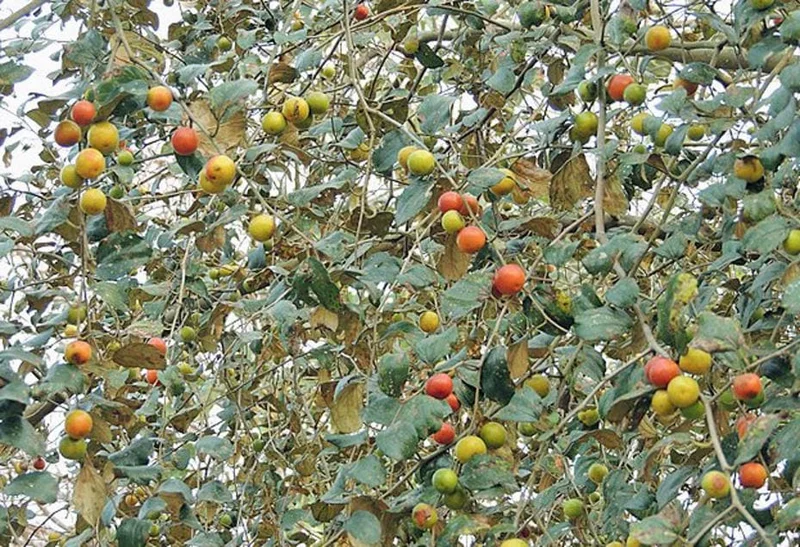
Sold 50 products
Original price was: $25.00.$17.50Current price is: $17.50.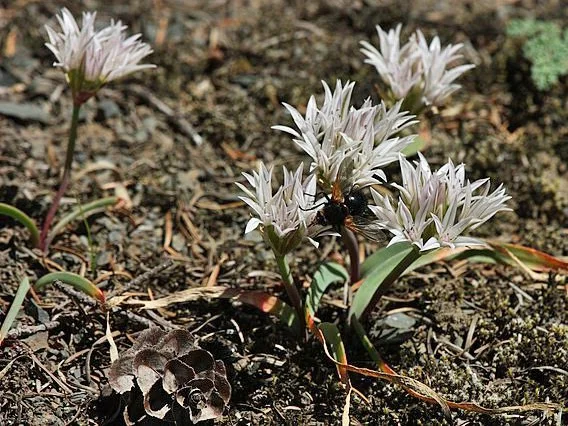
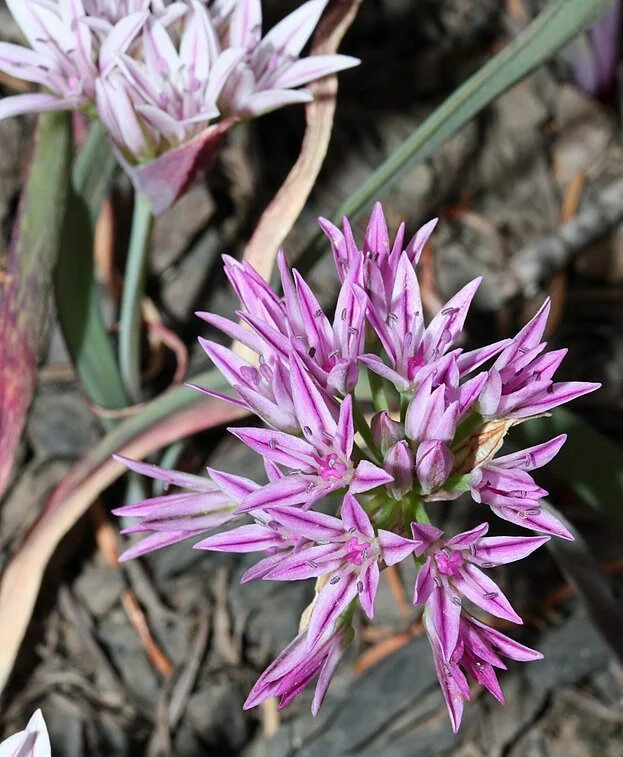
Flower Seeds
Olympic Onion Seeds – Allium crenulatum Flower Seeds – 10 Seed Pack – Outdoor Native Plant
Sold 50 products
Original price was: $25.00.$17.50Current price is: $17.50.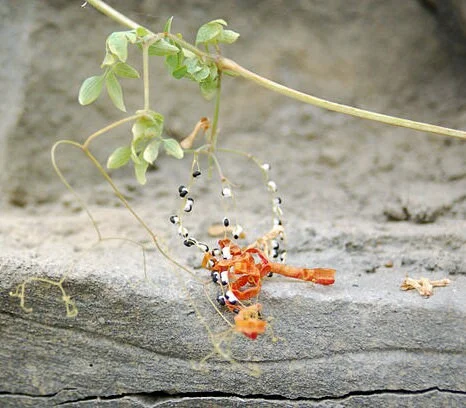
Sold 50 products
Original price was: $25.00.$17.50Current price is: $17.50.
Flower Seeds
Fuchsia vulcanica Seeds – 20 Pack – Vibrant Orange Coral Flowers for Garden & Containers
Sold 50 products
Original price was: $25.00.$17.50Current price is: $17.50.
Sold 50 products
Original price was: $116.98.$95.68Current price is: $95.68.
Sold 50 products
Original price was: $21.00.$14.10Current price is: $14.10.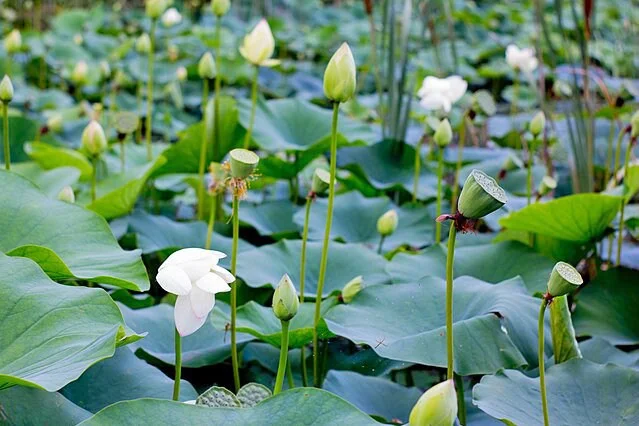
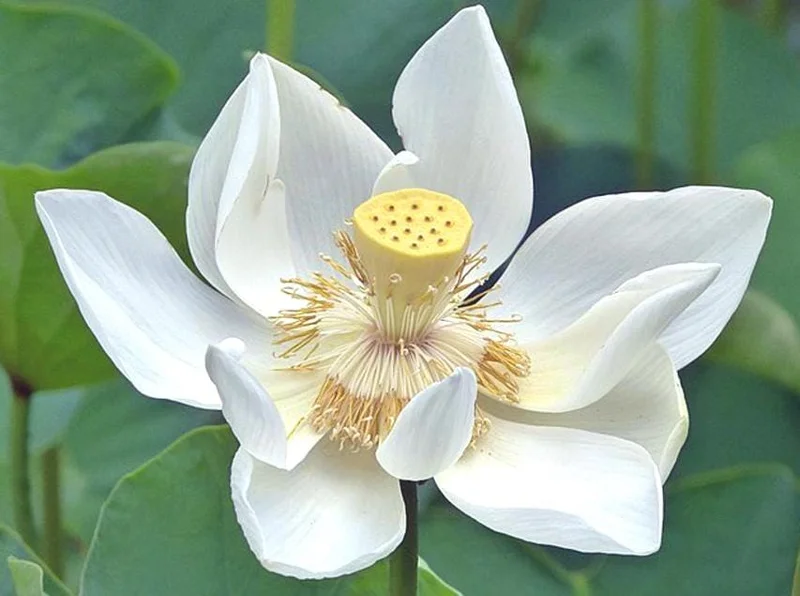
Aquatic Plant Seeds
White Lotus Seeds – Nelumbo Nucifera Aquatic Pond Plant – 5 Seeds for Water Garden
Sold 50 products
Original price was: $29.00.$20.90Current price is: $20.90.RELATED posts
Awapuhi Wild Ginger Plant: Zones, Care, and Propagation
Learn which USDA zones suit awapuhi wild ginger, plus sunlight, water, planting, propagation, pests, size, [...]
Awapuhi Shampoo Ginger – Care, Growing Zones, and Differences
Learn how to grow awapuhi (shampoo) ginger, its USDA zones, watering schedule, propagation tips, and [...]
Awapuhi Shampoo Plant Buying Guide – Choose the Right Zingiber zerumbet
META: Learn which awapuhi (shampoo ginger) plant or rhizome pack gives the best natural shampoo, [...]
Awapuhi Plant for Sale: Complete Buying Guide
Find the right awapuhi (shampoo ginger) plant, size, price, soil mix, and online source. Practical [...]
Shampoo Ginger Plant for Sale – Buying Guide & Tips
Find the right shampoo ginger plant, size, price, and care tips. Quick guide for U.S. [...]
Shampoo Ginger Plant (Awapuhi) Care Guide
Learn how to grow, care for, and use shampoo ginger (Zingiber zerumbet), the tropical awapuhi [...]
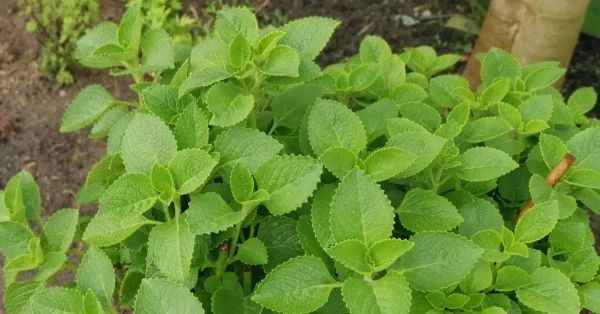
How to Grow Cuban Oregano Plants: A Complete Care Guide
If you’ve ever wanted a plant that combines the culinary punch of traditional oregano with [...]
Aug
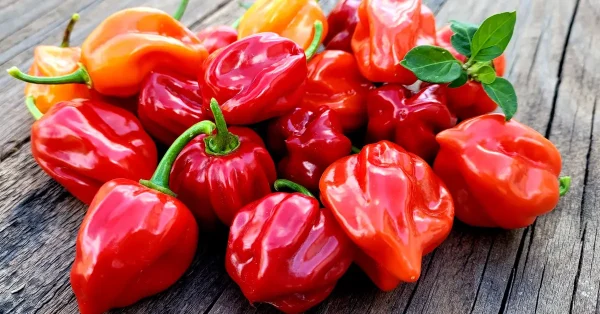
How to Grow Habanero Pepper Plants: A Step-by-Step Guide
Habanero pepper plants are prized for their vibrant colors, intense heat, and exceptional flavor, making [...]
Aug
Reviews
There are no reviews yet.