
Red Passion Vine Seeds – Passiflora manicata – 5 Seeds for Outdoor Gardens
Original price was: $25.00.$17.50Current price is: $17.50.
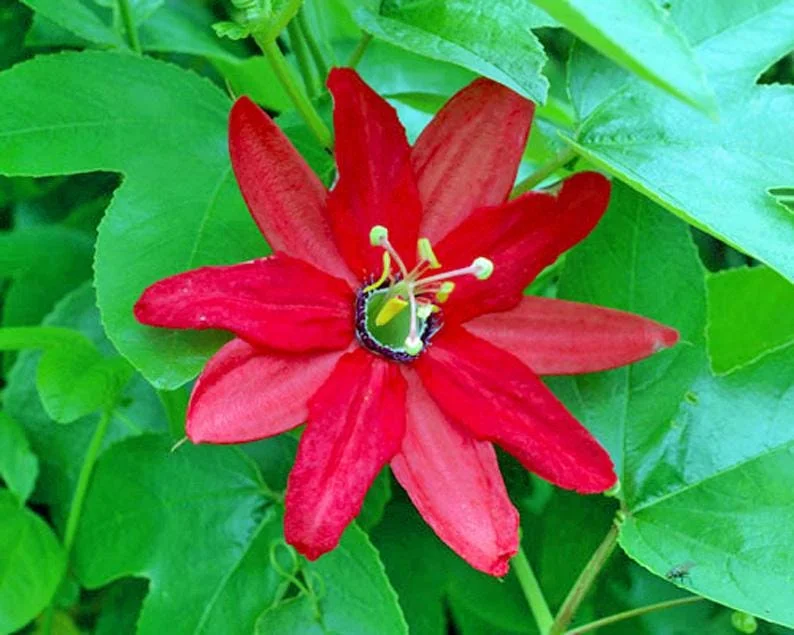
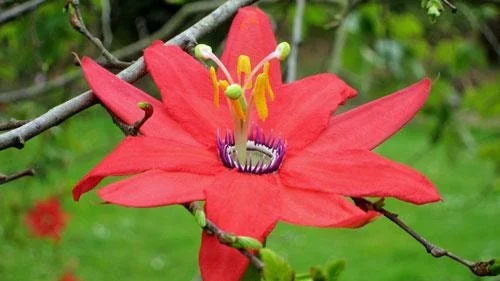
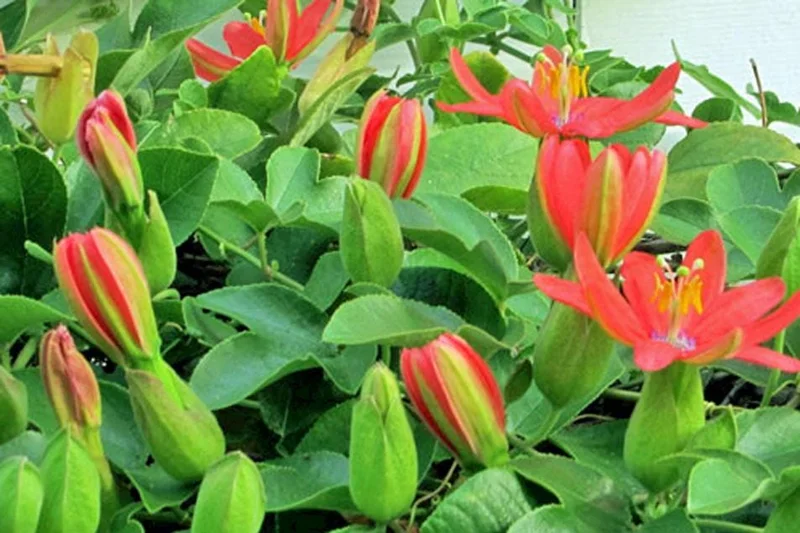
Cultivate stunning red passion vine seeds (Passiflora manicata) and enjoy their intricate, vibrant red blooms. These captivating seeds produce a hardy vine perfect for trellises, fences, and attracting pollinators to your garden. Ideal for USDA Zones 9-11.
Shipping and Return policies:
We stand behind our plants with our Alive & Thrive Guarantee. If you experience any issues within the first 30 days, please email us, and our team will be happy to help. When needed, we’ll send you a one-time replacement free of charge to make sure your garden keeps growing strong.

Reasonable Price
We offer reasonable price

Support 24/7
Contact us 24 hrs a day
100% Money Back
You’ve 30 days to Return
Payment Secure
100% secure payment
Overview
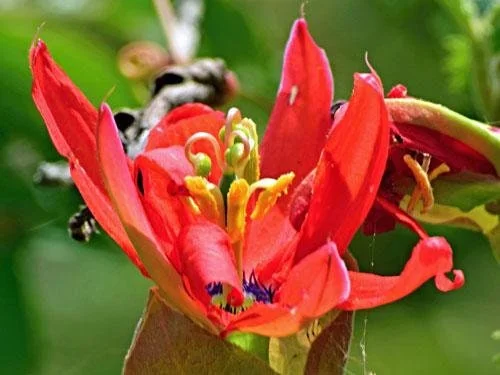
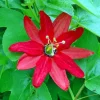
Embark on a rewarding gardening journey by planting red passion vine seeds, scientifically known as Passiflora manicata. Also referred to as the red passionflower or wild water lemon, this captivating perennial vine is celebrated for its striking and intricate flowers. Native to the southeastern United States, it adds a touch of exotic beauty and vibrant color to any garden landscape. Each packet contains 5 seeds, providing a fantastic opportunity to grow this unique and hardy plant. The blooms feature pale to deep red petals and a distinctive, multi-layered corona with vibrant filaments, creating a truly mesmerizing display. Beyond its ornamental appeal, this vine is a valuable host plant for butterflies, making it a beloved choice for butterfly enthusiasts and those looking to enhance their garden’s biodiversity. Its adaptability allows it to thrive in various conditions, making it a popular option for both native and ornamental gardens.
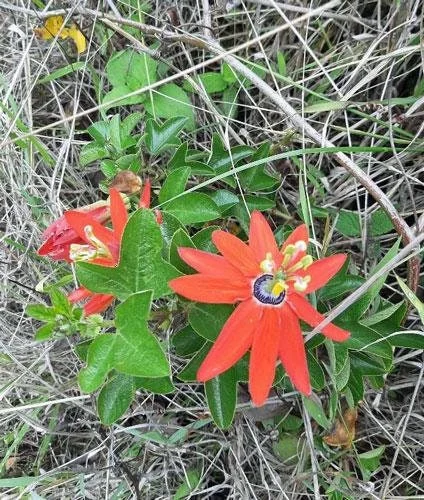
Growing Passiflora manicata seeds allows you to experience the full life cycle of this remarkable plant, from germination to vibrant flowering. The vine boasts deeply lobed leaves and tendrils, which it skillfully uses to climb and cover structures like fences, arbors, and pergolas, creating a lush, green canvas adorned with brilliant red blossoms. While it produces small, round fruits often called wild water lemons, these are edible but not as commonly consumed as other passionfruit varieties. They offer a sweet and slightly tangy taste when fully ripe. By choosing to grow passionflower seeds, you are investing in a garden feature that provides continuous visual interest and supports local wildlife. These red passion vine seeds are an excellent choice for gardeners seeking both beauty and ecological benefit.
Key Benefits
Planting red passion vine seeds offers a multitude of advantages for your garden and local ecosystem. This remarkable plant provides both aesthetic appeal and environmental benefits, making it a truly valuable addition.
- Stunning Ornamental Value: The primary draw of Passiflora manicata is its breathtaking flowers. The intricate, vibrant red blooms are a showstopper, adding an exotic and elegant touch to any garden space. They create a focal point and draw admiration from all who see them.
- Attracts Pollinators: These flowers are not just beautiful; they are also a magnet for beneficial insects. The red passionflower seeds produce plants that attract butterflies, bees, and other pollinators, supporting local ecosystems and enhancing the health of your garden.
- Butterfly Host Plant: Beyond attracting adult butterflies, Passiflora manicata serves as a vital host plant for various butterfly species. This means butterfly larvae feed on its leaves, making it an essential component for gardeners focused on creating a thriving butterfly habitat.
- Versatile Climber: With its vigorous growth and tendrils, this vine is perfect for covering fences, arbors, pergolas, or unsightly structures. It quickly establishes itself, providing dense foliage and a cascade of brilliant red flowers.
- Hardy and Adaptable: The plant grown from these red passion vine seeds is known for its resilience. It adapts well to various soil types and climates within its recommended USDA zones, making it a relatively low-maintenance option for many gardeners.
- Edible (Though Less Common) Fruit: While primarily grown for its flowers, the ‘wild water lemon’ fruits are edible when ripe, offering a unique, sweet, and tangy flavor.
- Long Blooming Season: Enjoy its captivating blooms over an extended period, providing continuous color and interest throughout the growing season.
Plant Care & Growing Tips
Successfully growing Passiflora manicata seeds requires a bit of patience and adherence to specific care guidelines. To begin, germination is crucial. Start by gently rubbing the red passion vine seeds with fine-grit sandpaper to scarify the tough seed coat. After scarification, soak the seeds in warm water for 24 hours. This helps to further soften the seed coat, promoting better water absorption and aiding in germination. Plant the prepared seeds in a well-draining potting mix or sandy soil. A good mix should prevent waterlogging, which can lead to rot. Sow the seeds at a shallow depth of about 1/4 inch in a container or seed tray. Maintain consistent moisture in the soil, ensuring it is moist but never soggy. A warm environment is key for successful germination, with temperatures ideally ranging from 75-85°F (24-29°C). Be prepared for a wait, as passionflower seeds can take several weeks to several months to sprout. Once seedlings are robust enough, they can be transplanted into your garden or larger pots.
Once established, the red passionflower seeds will grow into a vigorous vine requiring specific conditions to thrive. This plant prefers full sun to partial shade; ideally, it should receive at least 6 hours of direct sunlight per day to encourage abundant flowering. While adaptable, well-draining soil is paramount. Amend heavy clay soils with organic matter or sand to improve drainage. Regular watering is essential, especially during dry periods and when the plant is actively growing. Allow the top inch or two of soil to dry out slightly between waterings to prevent root rot. Passiflora manicata is hardy in USDA Zones 9-11, meaning it can tolerate mild frosts but will require protection or to be brought indoors in colder climates. Fertilize established plants with a balanced, all-purpose fertilizer during the growing season to support its vigorous growth and prolific blooming. Pruning can be done in late winter or early spring to manage size, shape, and promote new growth. Keep an eye out for common pests like aphids or spider mites, which can be managed with insecticidal soap if necessary. By following these care tips, your wild water lemon seeds will flourish into a magnificent vine.
Size & Details
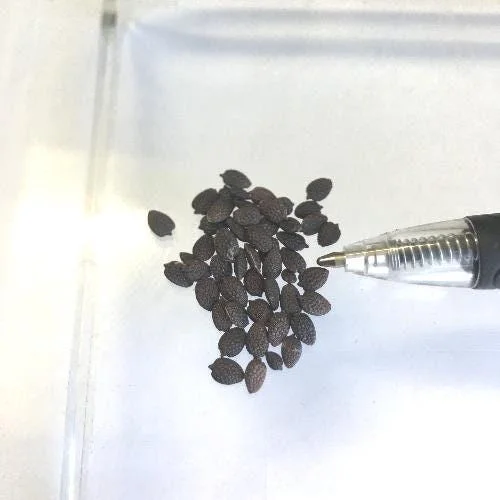
These red passion vine seeds are supplied in a pack of 5 seeds, providing an excellent starting point for cultivating this beautiful climbing plant. Once germinated and established, Passiflora manicata is a vigorous grower. The mature vine can typically reach lengths of 10-20 feet (3-6 meters) or more, depending on growing conditions and available support structures. Its spread can be equally impressive, allowing it to cover substantial areas. Growth rate is generally fast once the plant has settled, often reaching significant size within its first few growing seasons. The intricate flowers, which are the main attraction, typically measure several inches across, showcasing their vibrant red petals and unique corona structure.
The fruits, known as ‘wild water lemons,’ are small and round, usually about 1-2 inches (2.5-5 cm) in diameter. While edible, they are not primarily grown for fruit production. The plant is shipped as dried seeds, ready for scarification and planting. Expect blooms from late spring through fall in most suitable climates, providing a long season of color and interest. This plant is a perennial, meaning it will return year after year in its appropriate hardiness zones, offering long-term beauty and ecological benefits. These Passiflora manicata seeds offer the opportunity to grow a robust and visually stunning addition to your outdoor garden.
Frequently Asked Questions
- Q: How big does this plant get? A: The red passion vine is a vigorous climber, typically reaching lengths of 10-20 feet or more once mature, depending on growing conditions and available support. It can cover significant areas with its dense foliage and prolific blooms.
- Q: Is this an indoor or outdoor plant? A: Passiflora manicata is primarily an outdoor plant, thriving in USDA Hardiness Zones 9-11. In colder climates, it can be grown in containers and brought indoors during winter, or treated as an annual.
- Q: How much sunlight does it need? A: This plant prefers full sun to partial shade. For the best flowering display, aim for at least 6 hours of direct sunlight per day. Adequate light is crucial for producing abundant and vibrant blooms.
- Q: Is this plant easy to care for? A: Once established, the red passionflower is relatively easy to care for. It requires well-draining soil, consistent watering, and a suitable climbing structure. Germination of red passion vine seeds requires a bit more attention and patience.
- Q: What condition will the seeds arrive in? A: Your order will contain 5 seeds of Passiflora manicata, packaged as dry seeds ready for scarification and planting. Instructions for germination are usually included or readily available.
- Q: How long until it blooms? A: From seed, it can take 1-2 years for the vine to mature enough to produce its first blooms. Once established, it will bloom reliably from late spring through fall.
- Q: Will it survive winter in my zone? A: This passion vine is hardy in USDA Zones 9-11. In these zones, it will survive winter outdoors. In colder zones, it will need winter protection or to be grown as an annual.
- Q: What type of soil is best for growing Passiflora manicata seeds? A: Well-draining soil is essential. A rich, loamy soil amended with organic matter works best. Avoid heavy, waterlogged soils as they can lead to root rot.
- Q: Can I grow this plant in a container? A: Yes, red passion vine can be grown in a large container with a trellis or support. Ensure the container has excellent drainage and is large enough to accommodate its vigorous root system.
- Q: Are the fruits edible? A: Yes, the small, round fruits, often called ‘wild water lemons,’ are edible when fully ripe. They have a sweet and slightly tangy taste, though they are not as commonly consumed as other passionfruit varieties.
Be the first to review “Red Passion Vine Seeds – Passiflora manicata – 5 Seeds for Outdoor Gardens”
You must be logged in to post a review.
People also Viewed
Sold 50 products
Original price was: $109.95.$79.98Current price is: $79.98.
Sold 50 products
Original price was: $25.00.$17.50Current price is: $17.50.
Flower Seeds
Olympic Onion Seeds – Allium crenulatum Flower Seeds – 10 Seed Pack – Outdoor Native Plant
Sold 50 products
Original price was: $25.00.$17.50Current price is: $17.50.
Sold 50 products
Original price was: $25.00.$17.50Current price is: $17.50.
Flower Seeds
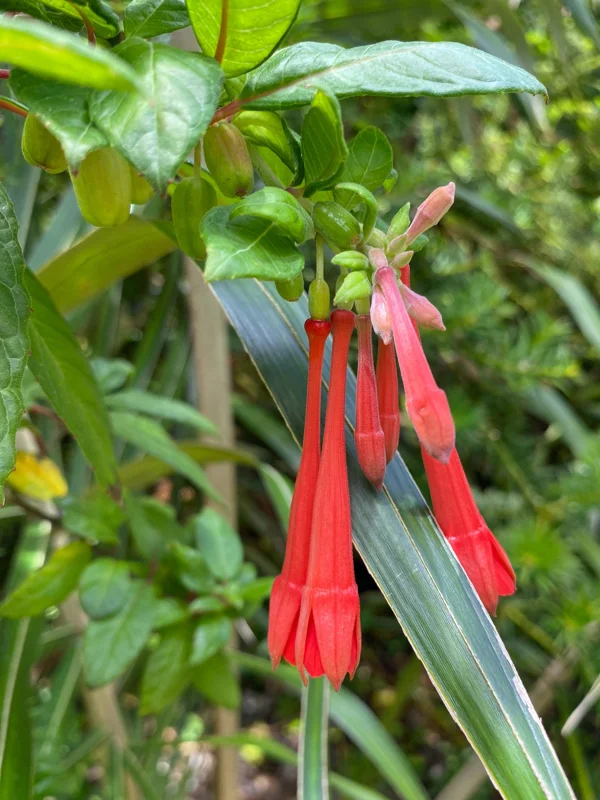
Fuchsia vulcanica Seeds – 20 Pack – Vibrant Orange Coral Flowers for Garden & Containers
Sold 50 products
Original price was: $25.00.$17.50Current price is: $17.50.
Sold 50 products
Original price was: $116.98.$95.68Current price is: $95.68.
Sold 50 products
Original price was: $21.00.$14.10Current price is: $14.10.
Aquatic Plant Seeds
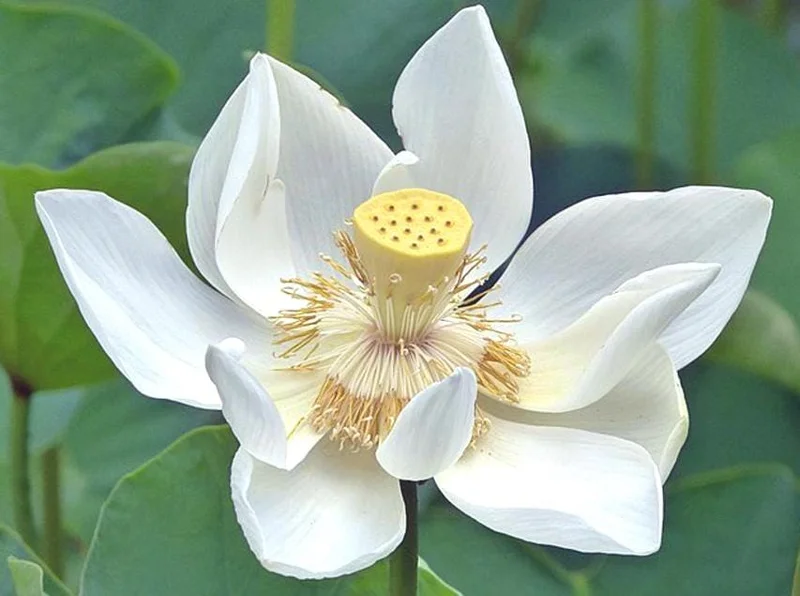
White Lotus Seeds – Nelumbo Nucifera Aquatic Pond Plant – 5 Seeds for Water Garden
Sold 50 products
Original price was: $29.00.$20.90Current price is: $20.90.RELATED posts
Awapuhi Wild Ginger Plant: Zones, Care, and Propagation
Learn which USDA zones suit awapuhi wild ginger, plus sunlight, water, planting, propagation, pests, size, [...]
Awapuhi Shampoo Ginger – Care, Growing Zones, and Differences
Learn how to grow awapuhi (shampoo) ginger, its USDA zones, watering schedule, propagation tips, and [...]
Awapuhi Shampoo Plant Buying Guide – Choose the Right Zingiber zerumbet
META: Learn which awapuhi (shampoo ginger) plant or rhizome pack gives the best natural shampoo, [...]
Awapuhi Plant for Sale: Complete Buying Guide
Find the right awapuhi (shampoo ginger) plant, size, price, soil mix, and online source. Practical [...]
Shampoo Ginger Plant for Sale – Buying Guide & Tips
Find the right shampoo ginger plant, size, price, and care tips. Quick guide for U.S. [...]
Shampoo Ginger Plant (Awapuhi) Care Guide
Learn how to grow, care for, and use shampoo ginger (Zingiber zerumbet), the tropical awapuhi [...]
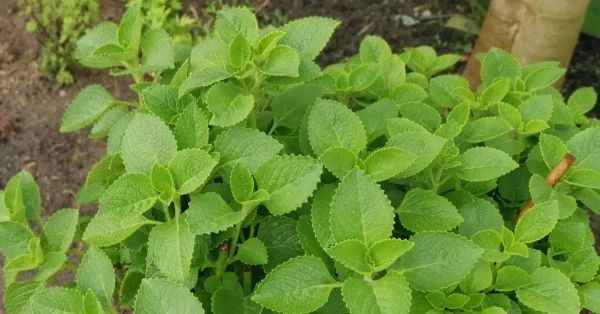
How to Grow Cuban Oregano Plants: A Complete Care Guide
If you’ve ever wanted a plant that combines the culinary punch of traditional oregano with [...]
Aug
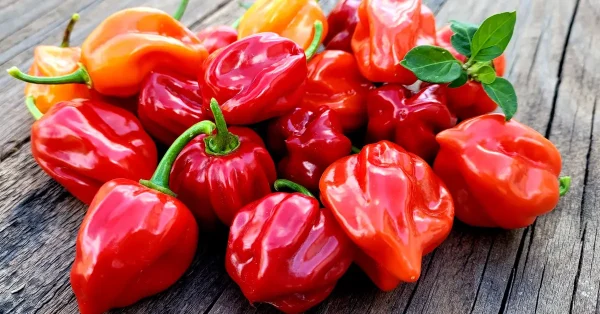
How to Grow Habanero Pepper Plants: A Step-by-Step Guide
Habanero pepper plants are prized for their vibrant colors, intense heat, and exceptional flavor, making [...]
Aug
Reviews
There are no reviews yet.