
Red Flowering Currant Seeds – Ribes Sanguineum – 100 Seeds – Outdoor Shrub
Original price was: $23.00.$15.80Current price is: $15.80.
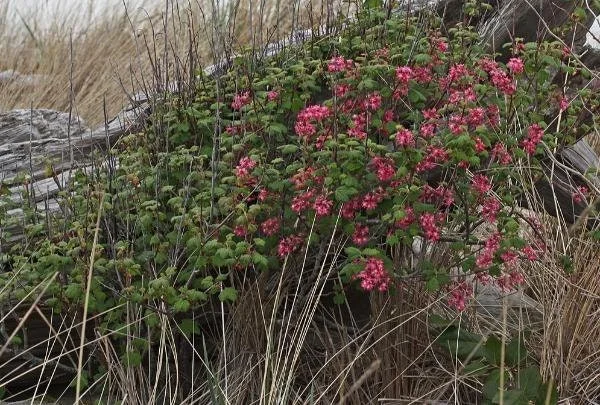
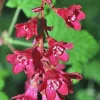
Cultivate stunning Red Flowering Currant shrubs with these Ribes Sanguineum seeds. Known for their vibrant pink blooms and attractive foliage, these flowering currant seeds are ideal for garden enthusiasts looking to add color and attract pollinators. Each pack contains 100 seeds, perfect for starting your garden project.
Shipping and Return policies:
We stand behind our plants with our Alive & Thrive Guarantee. If you experience any issues within the first 30 days, please email us, and our team will be happy to help. When needed, we’ll send you a one-time replacement free of charge to make sure your garden keeps growing strong.

Reasonable Price
We offer reasonable price

Support 24/7
Contact us 24 hrs a day
100% Money Back
You’ve 30 days to Return
Payment Secure
100% secure payment
Overview
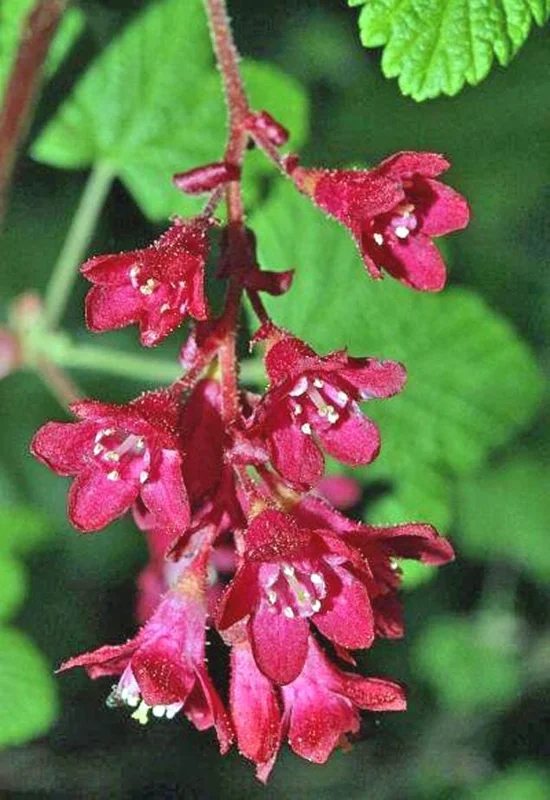
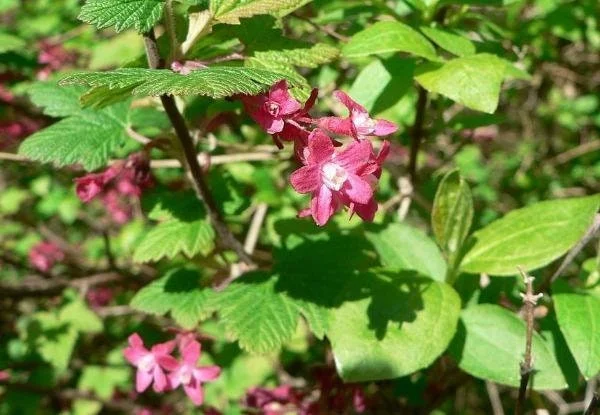
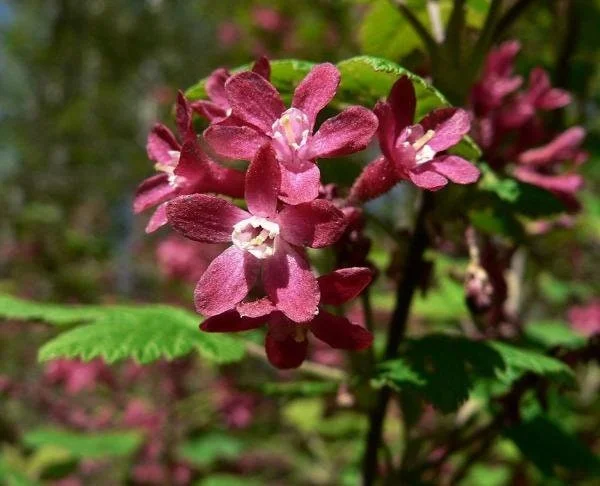
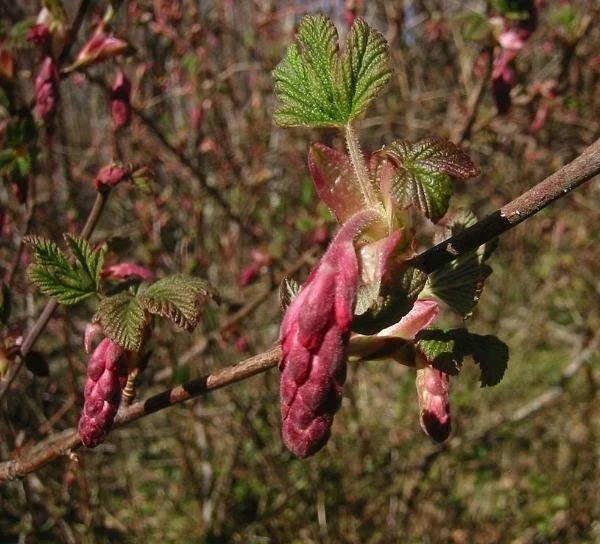
Embark on a rewarding gardening journey by cultivating the beautiful Red Flowering Currant from these premium Ribes Sanguineum seeds. This deciduous shrub, also known as flowering currant, red flower currant, or red-flowering currant, is a true spectacle in any garden. Native to the western United States and Canada, it’s celebrated for its early spring display of vibrant pink to light pink flowers that emerge before or with its aromatic leaves. Growing up to 15 feet tall and 4 feet wide, the Red Flowering Currant is a robust and attractive addition, widely admired and cultivated across Europe and Australasia for its ornamental value. These 100 seeds offer an excellent opportunity to grow this striking plant, known for its beautiful blossoms and ability to thrive in various conditions.
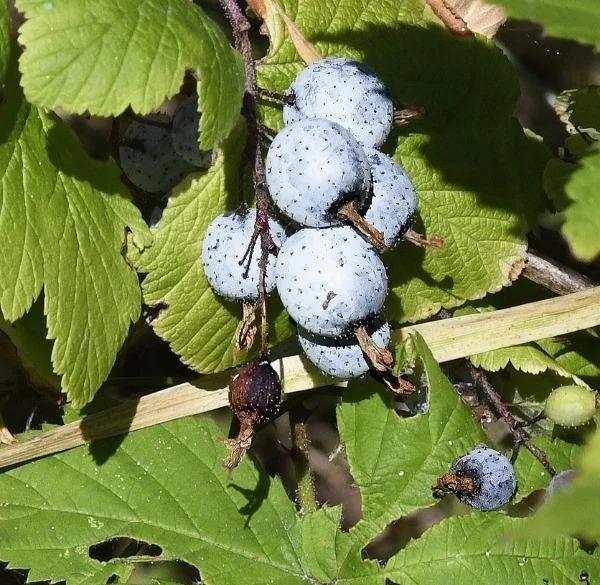
The Ribes Sanguineum seeds allow you to grow a plant that not only enhances your landscape but also supports local ecosystems by attracting pollinators. The long, broad leaves release a subtle resin smell, adding another sensory dimension to your garden. While the fruits produced are edible, their insipid taste means they are primarily enjoyed by wildlife. Growing flowering currant seeds is a fulfilling experience, leading to a mature shrub that provides lasting beauty and ecological benefits. Whether you’re an experienced gardener or just starting, these Red Flowering Currant Seeds provide a fantastic foundation for a thriving and colorful garden.
Key Benefits
Growing Red Flowering Currant from seed offers numerous advantages for both your garden and the local environment. These versatile shrubs provide significant aesthetic appeal and ecological support, making them a superb choice for any outdoor space. Each flowering currant seed holds the potential to transform your landscape.
- Vibrant Spring Blooms: Enjoy a breathtaking display of pink to light pink flowers in early spring, adding a splash of color to your garden when other plants are just beginning to awaken. The blossoms of the Red Flowering Currant are truly spectacular.
- Attracts Pollinators: The nectar-rich flowers are a magnet for hummingbirds, bees, and other beneficial pollinators, contributing to the biodiversity and health of your garden. Planting Ribes Sanguineum seeds helps support local wildlife.
- Low Maintenance & Hardy: Once established, these shrubs are remarkably resilient and require minimal care, thriving in most well-drained soils and tolerating various conditions. They are a robust choice for a low-effort, high-impact garden.
- Aromatic Foliage: The distinctive leaves release a subtle, resinous scent, adding an intriguing olfactory element to your garden experience. The unique aroma of the Red Flowering Currant is a delightful surprise.
- Versatile Landscaping: Perfect for borders, hedges, or as a standalone specimen, the Red Flowering Currant fits seamlessly into various garden designs, providing structure and beauty throughout the seasons.
- Edible Berries for Wildlife: While the fruits are insipid for human taste, they provide a food source for birds and other wildlife, further enhancing your garden’s ecological value.
- Adaptable to Various Zones: Thriving in USDA Zones 5-8, this shrub is suitable for a wide range of climates across the United States, making these flowering currant seeds a reliable choice for many gardeners.
Plant Care & Growing Tips
Successfully growing Red Flowering Currant from Ribes Sanguineum seeds requires a few key steps, particularly regarding germination and initial care. The raw seeds benefit from a period of cold stratification to mimic natural winter conditions and encourage sprouting. Begin by mixing the Red Flowering Currant Seeds with moistened soil in a ziplock bag, ensuring the soil is damp but not waterlogged. Label the bag clearly and place it in the refrigerator for 60 days. This cold treatment is crucial for breaking dormancy. After stratification, sow the seeds into a well-drained, sandy compost, planting them approximately 1/4 inch deep. Cover the seeds lightly with sand or fine grit to provide a stable environment.
Once sown, place the seed tray in a location with bright light, but avoid direct, intense sun that could dry out the soil too quickly. Maintain consistent moisture in the soil; it should always be damp to the touch but never soggy. Germination can be slow and may take several weeks, so patience is key. Once seedlings emerge, ensure they receive adequate airflow to prevent damping-off disease. As the seedlings grow larger, transplant them into individual pots with a well-draining potting mix. For mature plants, the Red Flowering Currant prefers full sun to partial shade and thrives in most soil types as long as drainage is good. It is hardy in USDA Zones 5-8, tolerating a range of temperatures. Water regularly during dry spells, especially in the first few years after planting. Fertilization is generally not heavily required once established, but a balanced slow-release fertilizer in early spring can promote vigorous growth and abundant blooms. Monitor for common pests like aphids, though serious issues are rare for this resilient shrub. Proper care from the initial flowering currant seeds will result in a robust and beautiful shrub.
Size & Details
These Red Flowering Currant Seeds provide the foundation for growing a substantial and attractive shrub. Each pack contains 100 seeds of Ribes Sanguineum, offering ample opportunity to cultivate multiple plants or ensure successful germination. When mature, the Red Flowering Currant typically reaches an impressive height of up to 15 feet and can spread up to 4 feet wide, forming a dense and visually appealing bush. It exhibits a moderate to fast growth rate, allowing gardeners to see significant development within a few years. The bark is a darker brown, accented with lighter shades on the lenticels, adding textural interest even in winter. The shrub produces long, broad leaves that are bunched in fives, releasing a distinctive resinous aroma. Flowers emerge in spring, usually in clusters, showcasing 5 petals per flower in lovely pink to light pink hues. The fruits, though edible, have an insipid taste and are primarily consumed by wildlife. These Red Flowering Currant Seeds are shipped in a protective packet, ready for stratification and planting.
Frequently Asked Questions
- Q: How big does the Red Flowering Currant get? A: The Red Flowering Currant typically grows to an impressive height of up to 15 feet tall and can spread up to 4 feet wide, creating a substantial and attractive shrub in your garden. Its size makes it suitable for hedges or as a prominent specimen plant.
- Q: Is this an indoor or outdoor plant? A: The Red Flowering Currant is primarily an outdoor shrub. It thrives in temperate climates within USDA Zones 5-8 and requires outdoor conditions to flourish and produce its characteristic blooms.
- Q: How much sunlight does it need? A: This shrub prefers full sun to partial shade. For the best flowering display, aim for at least 6 hours of direct sunlight per day. Adequate light is crucial for vibrant blooms from your Ribes Sanguineum seeds.
- Q: Is this plant easy to care for? A: Yes, once established, the Red Flowering Currant is considered relatively easy to care for. It’s drought-tolerant and adaptable to various soil types, provided they are well-draining. Initial germination from flowering currant seeds requires specific stratification steps.
- Q: What condition will the Red Flowering Currant Seeds arrive in? A: Your 100 Red Flowering Currant Seeds will arrive in a sealed, protective packet, ensuring their viability and readiness for the stratification process and subsequent planting.
- Q: How long until it blooms from seed? A: While germination can be slow, taking several weeks after stratification, it typically takes 2-3 years for the shrub to mature enough to produce its first significant blooms. Patience will be rewarded with beautiful flowers.
- Q: Will it survive winter in my zone? A: The Red Flowering Currant is hardy in USDA Zones 5-8. If you are within these zones, it will typically survive winter without special protection, though young plants may benefit from some mulching in colder areas of its range.
- Q: What type of soil does it prefer? A: It is adaptable to most soil types but absolutely requires good drainage. A well-drained, sandy compost is ideal for starting Ribes Sanguineum seeds, and mature plants thrive in similar conditions.
- Q: Can the fruits be eaten? A: Yes, the fruits of the Red Flowering Currant are edible, but they have an insipid taste and are generally not considered palatable for humans. They are, however, a good food source for birds and other wildlife.
- Q: When is the best time to plant these seeds? A: After the required 60-day cold stratification period, the best time to sow your Red Flowering Currant Seeds indoors is typically in late winter or early spring, allowing seedlings to grow before transplanting outdoors after the last frost.
Be the first to review “Red Flowering Currant Seeds – Ribes Sanguineum – 100 Seeds – Outdoor Shrub”
You must be logged in to post a review.
People also Viewed


Sold 50 products
Original price was: $109.95.$79.98Current price is: $79.98.

Sold 50 products
Original price was: $25.00.$17.50Current price is: $17.50.

Flower Seeds
Olympic Onion Seeds – Allium crenulatum Flower Seeds – 10 Seed Pack – Outdoor Native Plant
Sold 50 products
Original price was: $25.00.$17.50Current price is: $17.50.

Sold 50 products
Original price was: $25.00.$17.50Current price is: $17.50.

Flower Seeds
Fuchsia vulcanica Seeds – 20 Pack – Vibrant Orange Coral Flowers for Garden & Containers
Sold 50 products
Original price was: $25.00.$17.50Current price is: $17.50.

Sold 50 products
Original price was: $116.98.$95.68Current price is: $95.68.

Sold 50 products
Original price was: $21.00.$14.10Current price is: $14.10.

Aquatic Plant Seeds
White Lotus Seeds – Nelumbo Nucifera Aquatic Pond Plant – 5 Seeds for Water Garden
Sold 50 products
Original price was: $29.00.$20.90Current price is: $20.90.RELATED posts
Awapuhi Wild Ginger Plant: Zones, Care, and Propagation
Learn which USDA zones suit awapuhi wild ginger, plus sunlight, water, planting, propagation, pests, size, [...]
Awapuhi Shampoo Ginger – Care, Growing Zones, and Differences
Learn how to grow awapuhi (shampoo) ginger, its USDA zones, watering schedule, propagation tips, and [...]
Awapuhi Shampoo Plant Buying Guide – Choose the Right Zingiber zerumbet
META: Learn which awapuhi (shampoo ginger) plant or rhizome pack gives the best natural shampoo, [...]
Awapuhi Plant for Sale: Complete Buying Guide
Find the right awapuhi (shampoo ginger) plant, size, price, soil mix, and online source. Practical [...]
Shampoo Ginger Plant for Sale – Buying Guide & Tips
Find the right shampoo ginger plant, size, price, and care tips. Quick guide for U.S. [...]
Shampoo Ginger Plant (Awapuhi) Care Guide
Learn how to grow, care for, and use shampoo ginger (Zingiber zerumbet), the tropical awapuhi [...]

How to Grow Cuban Oregano Plants: A Complete Care Guide
If you’ve ever wanted a plant that combines the culinary punch of traditional oregano with [...]
Aug

How to Grow Habanero Pepper Plants: A Step-by-Step Guide
Habanero pepper plants are prized for their vibrant colors, intense heat, and exceptional flavor, making [...]
Aug
Reviews
There are no reviews yet.