
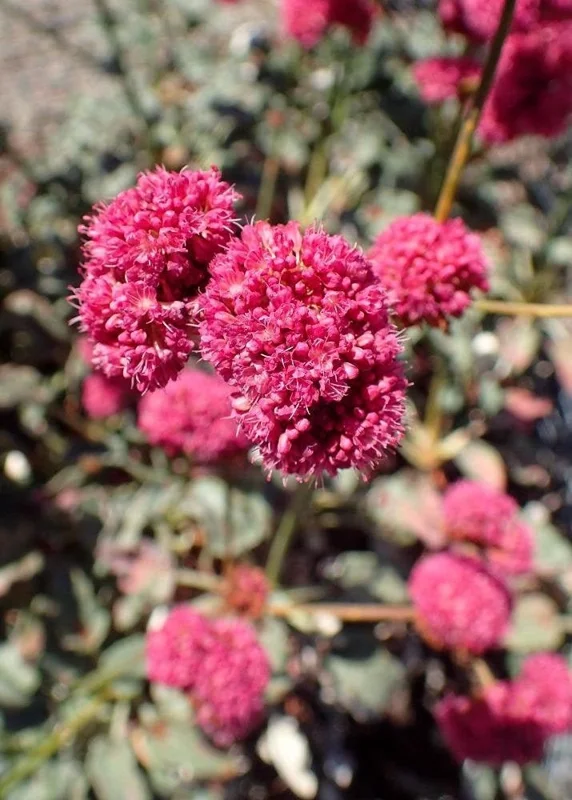
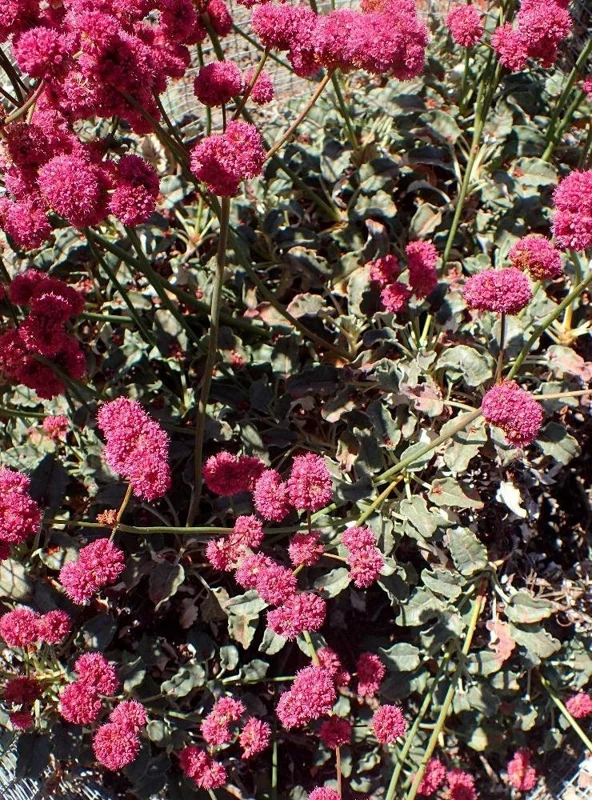
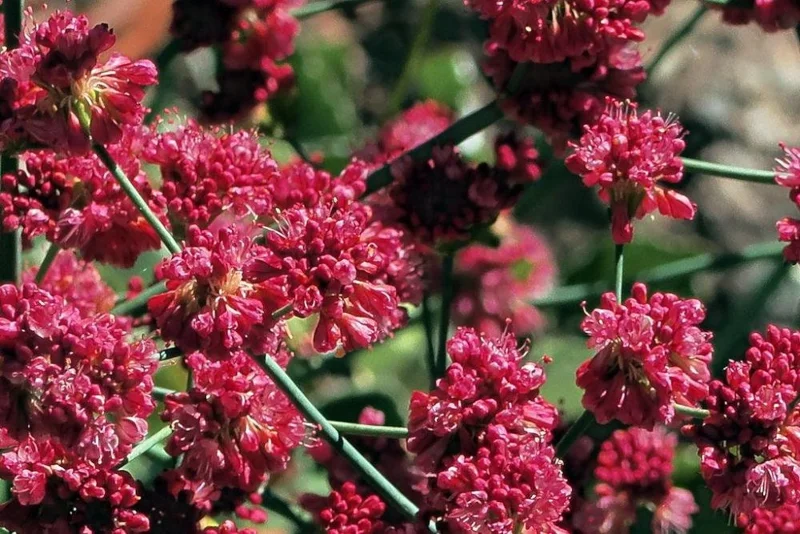
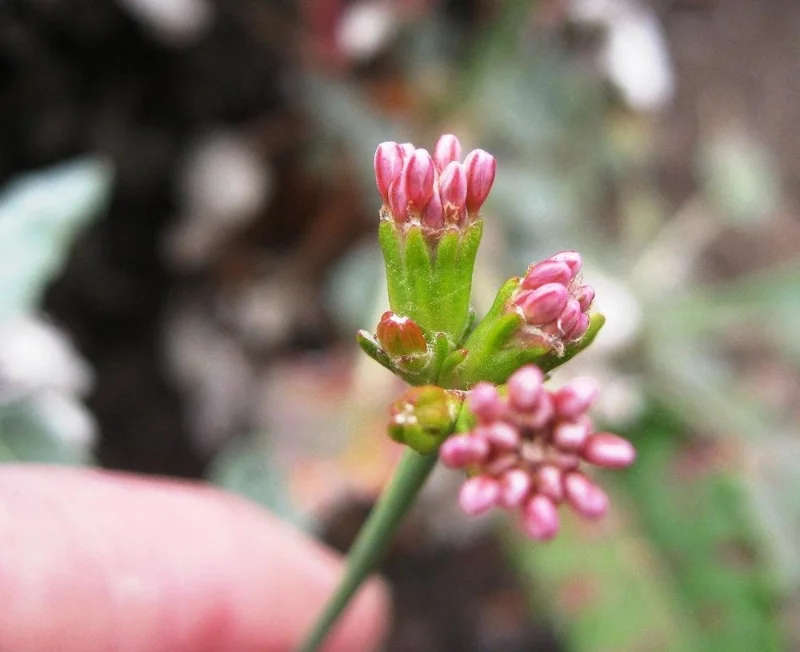
Red-Flowered Buckwheat Seeds – Eriogonum grande rubescens – 25 Seeds – Outdoor
Original price was: $27.00.$19.20Current price is: $19.20.
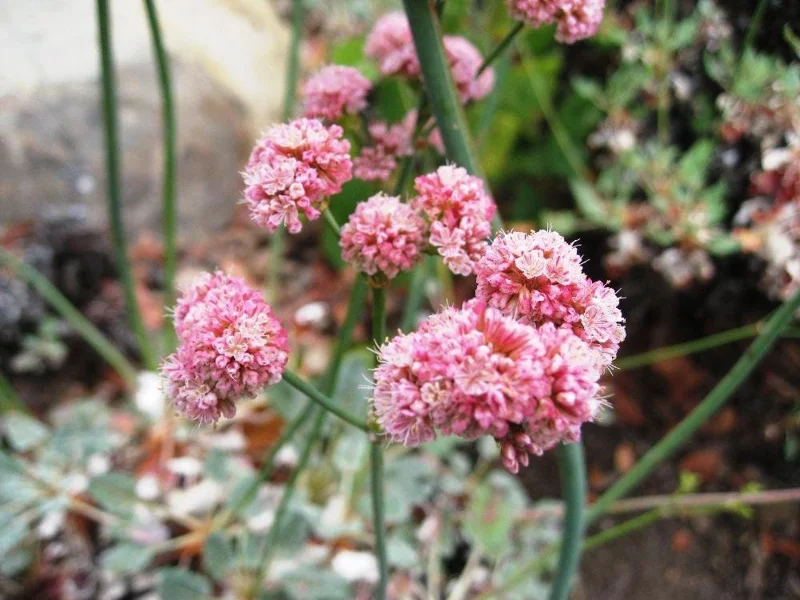
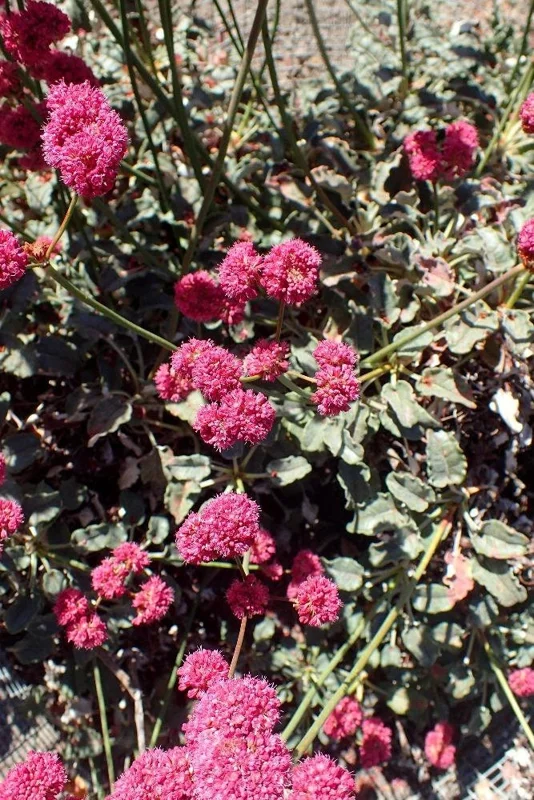
Discover the beauty of Red-Flowered Buckwheat seeds (Eriogonum grande var. rubescens), a stunning native plant offering vibrant red-pink blooms from June to October. These California native plant seeds are perfect for attracting butterflies and thriving in xeriscape gardens, especially in clay soils.
- Includes 25 high-quality seeds.
- Ideal for USDA Zones 8-11.
- Drought-tolerant once established.
Shipping and Return policies:
We stand behind our plants with our Alive & Thrive Guarantee. If you experience any issues within the first 30 days, please email us, and our team will be happy to help. When needed, we’ll send you a one-time replacement free of charge to make sure your garden keeps growing strong.

Reasonable Price
We offer reasonable price

Support 24/7
Contact us 24 hrs a day
100% Money Back
You’ve 30 days to Return
Payment Secure
100% secure payment
Overview
Embark on a rewarding gardening journey with Red-Flowered Buckwheat seeds, scientifically known as Eriogonum grande var. rubescens. This exquisite tropical perennial shrub, a proud member of the Polygonaceae family, is a true gem for any garden. Known by various charming common names such as Red Buckwheat, Rosy Buckwheat, and San Miguel Island Buckwheat, this plant is native to the picturesque Channel Islands off the coast of California. By planting these Eriogonum grande var. rubescens seeds, you’re not just growing a plant; you’re cultivating a piece of California’s natural heritage. Its striking red or pink flowers create a spectacular display, blooming profusely from June all the way through October, adding a splash of enduring color to your landscape. These Red-Flowered Buckwheat seeds are an excellent choice for gardeners looking to introduce a vibrant, resilient, and ecologically beneficial plant.
The Eriogonum grande var. rubescens is highly valued for its ecological contributions, serving as an important host and nectar source for various butterfly species. Beyond its aesthetic appeal, this plant plays a crucial role in supporting local wildlife, as its flowers, leaves, and seeds are utilized by numerous smaller mammals and birds. Growing from these Red-Flowered Buckwheat seeds allows you to create a biodiverse haven, attracting pollinators and other beneficial creatures to your garden. It’s a fantastic option for those passionate about native plant restoration, xeriscaping, or simply desiring a low-maintenance yet impactful flowering shrub. Prepare to enjoy a season full of vibrant blooms and lively garden visitors with this exceptional species.
Key Benefits
Cultivating Red-Flowered Buckwheat seeds offers a multitude of benefits for both your garden and the local ecosystem. This remarkable plant is not only visually appealing but also incredibly resilient and environmentally friendly.
- Vibrant, Long-Lasting Blooms: Enjoy a prolonged display of beautiful red or pink flowers from June through October, providing continuous color and interest in your garden. The showy blooms of the Red-Flowered Buckwheat seeds add a unique charm.
- Attracts Pollinators: This plant is a magnet for butterflies and other beneficial insects, making it an essential addition for supporting local biodiversity and promoting a healthy garden ecosystem. It’s a fantastic choice for a butterfly attracting seeds project.
- Drought-Tolerant: Once established, Eriogonum grande var. rubescens is highly drought-tolerant, requiring minimal water and making it an ideal choice for water-wise gardening and xeriscaping. This resilience makes it a prime example of a drought tolerant buckwheat.
- Native California Plant: As a native of the Channel Islands, this buckwheat is perfectly adapted to the Californian climate, thriving with less intervention and supporting regional ecology. Grow these authentic California native plant seeds.
- Low Maintenance: This hardy shrub requires minimal care once established, making it suitable for busy gardeners or those seeking an effortless yet impactful plant.
- Wildlife Support: Its flowers, leaves, and seeds provide food and habitat for various smaller mammals and birds, contributing to a thriving garden ecosystem.
- Thrives in Clay Soils: Uniquely suited for clay soils, this plant offers a solution for challenging garden spots where other plants might struggle.
Plant Care & Growing Tips
Successfully growing Red-Flowered Buckwheat seeds, or Eriogonum grande var. rubescens, requires attention to specific environmental conditions, particularly regarding soil and sunlight. This resilient shrub prefers full sun exposure when planted near the coast, ensuring robust growth and abundant flowering. However, if you are planting inland, it will benefit from part shade, especially during the hottest parts of the day, to prevent stress. Aim for a location that receives at least 6 hours of direct sunlight, with some afternoon shade in hotter climates. Understanding these light requirements is crucial for the optimal development of your Red-Flowered Buckwheat seeds into mature, thriving plants.
One of the most distinctive features of this plant is its preference for soil. Unlike many plants, Eriogonum grande var. rubescens thrives specifically in clay soils ONLY. This makes it an excellent choice for areas where heavy clay soil is a challenge for other species. Ensure good drainage, as waterlogged conditions can be detrimental even in clay. Watering should be consistent during the germination phase and while the plant is establishing itself. Once mature, this drought tolerant buckwheat requires minimal supplemental watering, making it a truly water-wise choice. It is hardy in USDA Zones 8-11, tolerating a range of temperatures but preferring milder climates. Fertilization is generally not heavily required in its native clay soils, but a light application of a balanced, slow-release fertilizer in spring can encourage vigorous growth. Monitor for common pests, though native plants often exhibit good resistance, and address any issues promptly.
Size & Details
The Red-Flowered Buckwheat seeds you receive will grow into a moderately sized, attractive shrub, perfect for various garden applications. Once established, Eriogonum grande var. rubescens typically reaches a height of about a foot and a half (approximately 18 inches) and can spread up to 3 feet wide, creating a beautiful, rounded form. This compact growth habit makes it suitable for borders, rock gardens, or as a foundational plant in a native landscape. The seeds are provided in a packet containing 25 seeds, offering ample opportunity to cultivate multiple plants or for successive plantings.
These Eriogonum grande var. rubescens seeds are best sown on top of a suitable medium and lightly covered. Germination typically occurs within 14-60 days when kept moist in a bright spot with temperatures around 65-70°F. The plant exhibits a moderate growth rate, establishing itself well within the first year and reaching its mature size within a few seasons. Expect the first flush of characteristic red or pink flowers to appear once the plant is established, typically in its second year, continuing to bloom reliably year after year from June through October. This species ships as high-quality seeds, ready for your planting efforts.
Frequently Asked Questions
- Q: How big does this plant get? A: The Red-Flowered Buckwheat typically grows to about 1.5 feet tall and spreads up to 3 feet wide, forming an attractive, mounding shrub. Its moderate size makes it versatile for various garden designs.
- Q: Is this an indoor or outdoor plant? A: This is primarily an outdoor plant, native to the Channel Islands of California. It thrives in outdoor garden settings within USDA Zones 8-11, where it can receive adequate sunlight and air circulation.
- Q: How much sunlight does it need? A: Eriogonum grande var. rubescens prefers full sun near the coast. If you are planting inland, it benefits from part shade to protect it from intense afternoon heat. Aim for at least 6 hours of direct sun daily.
- Q: Is this plant easy to care for? A: Yes, once established, this drought tolerant buckwheat is relatively low maintenance. It’s well-suited for gardeners looking for resilient native plants that require less frequent watering and care.
- Q: What condition will the seeds arrive in? A: You will receive 25 high-quality, viable seeds ready for planting. They are carefully packaged to ensure freshness and successful germination.
- Q: How long until it blooms? A: After germination and establishment, the Red-Flowered Buckwheat typically begins to bloom in its second year. It will then flower profusely from June through October each subsequent year.
- Q: Will it survive winter in my zone? A: This plant is hardy in USDA Zones 8-11. If you are within these zones, it should successfully overwinter outdoors. For zones outside this range, it may need winter protection or be grown as an annual.
- Q: What type of soil does it prefer? A: Uniquely, this plant thrives successfully in clay soils ONLY. This makes it an excellent choice for gardens with heavy clay, where many other plants might struggle to grow.
- Q: Can these seeds attract wildlife? A: Absolutely! These butterfly attracting seeds will grow into plants that are vital for local ecosystems. The flowers attract butterflies, and the leaves and seeds are used by smaller mammals and birds.
- Q: When is the best time to plant these seeds? A: The ideal time for sowing California native plant seeds like these is typically in late fall or early spring, mimicking natural seeding cycles. Ensure temperatures are around 65-70°F for optimal germination.
Be the first to review “Red-Flowered Buckwheat Seeds – Eriogonum grande rubescens – 25 Seeds – Outdoor”
You must be logged in to post a review.
People also Viewed


Sold 50 products
Original price was: $109.95.$79.98Current price is: $79.98.

Sold 50 products
Original price was: $25.00.$17.50Current price is: $17.50.

Flower Seeds
Olympic Onion Seeds – Allium crenulatum Flower Seeds – 10 Seed Pack – Outdoor Native Plant
Sold 50 products
Original price was: $25.00.$17.50Current price is: $17.50.

Sold 50 products
Original price was: $25.00.$17.50Current price is: $17.50.

Flower Seeds
Fuchsia vulcanica Seeds – 20 Pack – Vibrant Orange Coral Flowers for Garden & Containers
Sold 50 products
Original price was: $25.00.$17.50Current price is: $17.50.

Sold 50 products
Original price was: $116.98.$95.68Current price is: $95.68.

Sold 50 products
Original price was: $21.00.$14.10Current price is: $14.10.

Aquatic Plant Seeds
White Lotus Seeds – Nelumbo Nucifera Aquatic Pond Plant – 5 Seeds for Water Garden
Sold 50 products
Original price was: $29.00.$20.90Current price is: $20.90.RELATED posts
Awapuhi Wild Ginger Plant: Zones, Care, and Propagation
Learn which USDA zones suit awapuhi wild ginger, plus sunlight, water, planting, propagation, pests, size, [...]
Awapuhi Shampoo Ginger – Care, Growing Zones, and Differences
Learn how to grow awapuhi (shampoo) ginger, its USDA zones, watering schedule, propagation tips, and [...]
Awapuhi Shampoo Plant Buying Guide – Choose the Right Zingiber zerumbet
META: Learn which awapuhi (shampoo ginger) plant or rhizome pack gives the best natural shampoo, [...]
Awapuhi Plant for Sale: Complete Buying Guide
Find the right awapuhi (shampoo ginger) plant, size, price, soil mix, and online source. Practical [...]
Shampoo Ginger Plant for Sale – Buying Guide & Tips
Find the right shampoo ginger plant, size, price, and care tips. Quick guide for U.S. [...]
Shampoo Ginger Plant (Awapuhi) Care Guide
Learn how to grow, care for, and use shampoo ginger (Zingiber zerumbet), the tropical awapuhi [...]

How to Grow Cuban Oregano Plants: A Complete Care Guide
If you’ve ever wanted a plant that combines the culinary punch of traditional oregano with [...]
Aug

How to Grow Habanero Pepper Plants: A Step-by-Step Guide
Habanero pepper plants are prized for their vibrant colors, intense heat, and exceptional flavor, making [...]
Aug


Reviews
There are no reviews yet.