
Red Baron Japanese Blood Grass Live Plant – Ornamental Perennial 1 Count
Original price was: $34.78.$27.58Current price is: $27.58.
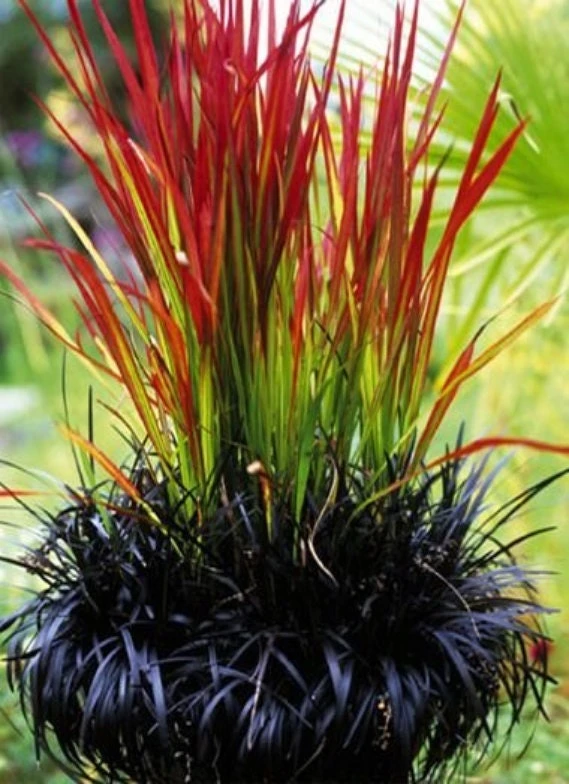
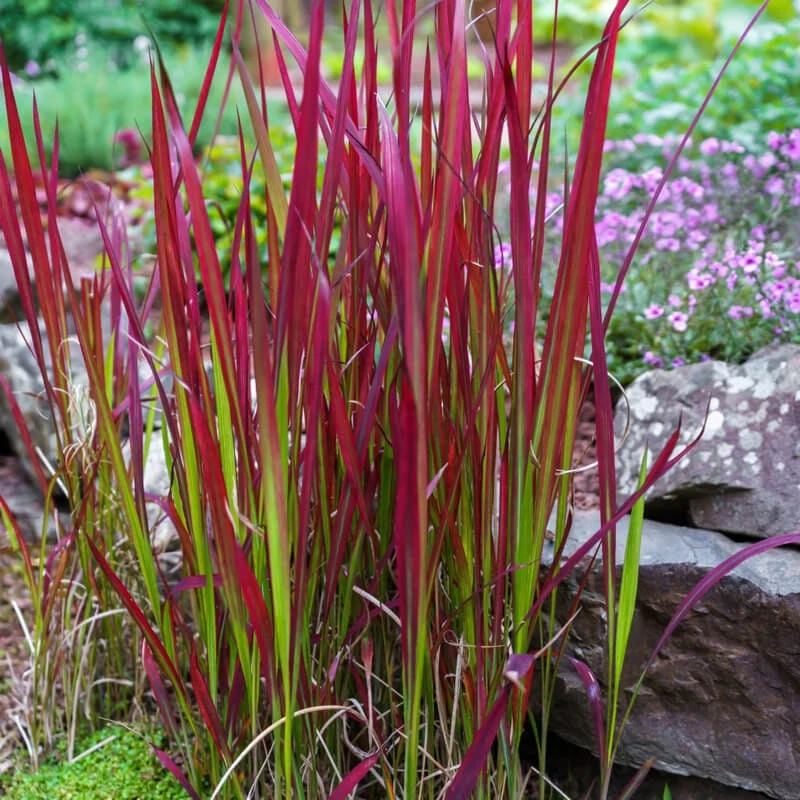
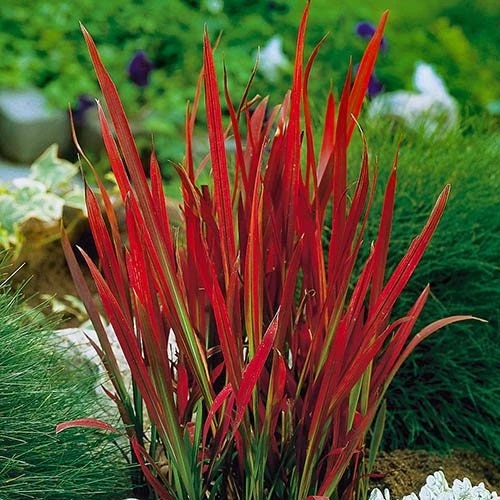
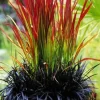
Add a dramatic splash of color to your landscape with the Red Baron Japanese Blood Grass. This ornamental grass live plant features deep burgundy-red foliage and purple-red plumes, ideal for small gardens, containers, or as an accent. A beautiful perennial grass for garden beauty.
Out of stock
Shipping and Return policies:
We stand behind our plants with our Alive & Thrive Guarantee. If you experience any issues within the first 30 days, please email us, and our team will be happy to help. When needed, we’ll send you a one-time replacement free of charge to make sure your garden keeps growing strong.

Reasonable Price
We offer reasonable price

Support 24/7
Contact us 24 hrs a day
100% Money Back
You’ve 30 days to Return
Payment Secure
100% secure payment
Overview
Introduce a vibrant touch to your garden with the stunning Red Baron Japanese Blood Grass. This exceptional ornamental grass live plant, scientifically known as Pennisetum setaceum ‘Red Baron’, is celebrated for its distinctive deep burgundy-red leaves that intensify in color with ample sunlight. Perfect for creating focal points or adding texture to mixed borders, this compact perennial brings a dynamic visual appeal to any outdoor space. Its striking foliage makes it a popular choice among gardeners looking for plants that offer year-round interest and a bold statement. Whether you’re designing a minimalist garden or a lush landscape, the ‘Red Baron’ variety provides an unforgettable aesthetic.
The unique coloration of the Red Baron Japanese Blood Grass makes it stand out, especially when planted in groups or alongside contrasting green foliage. This robust plant is easy to care for and adapts well to various garden settings, from sunny beds to decorative containers. It’s an excellent choice for those seeking a low-maintenance yet high-impact plant. The feathery, purple-red plumes that emerge in late summer add an extra layer of beauty, swaying gently in the breeze and enhancing the plant’s graceful appearance. Experience the charm and elegance this perennial grass brings to your home and garden.
Key Benefits
The Red Baron Japanese Blood Grass offers numerous advantages for both novice and experienced gardeners, making it a highly desirable ornamental grass live plant. Its striking features contribute significantly to garden aesthetics and overall plant health.
- Dramatic Foliage Color: Enjoy the intense deep burgundy-red leaves that provide a bold and captivating visual element throughout the growing season, especially when bathed in sunlight. This vibrant hue adds depth and contrast to any garden design.
- Compact & Versatile Growth: With its manageable size, this plant is perfectly suited for a variety of uses, including small gardens, patio containers, and as an eye-catching accent plant in larger landscapes. Its upright growth habit keeps it neat and tidy.
- Year-Round Visual Interest: While the foliage is most vibrant during the warmer months, the ‘Red Baron’ maintains its attractive appearance throughout the year, even in cooler zones where it can be grown as an annual.
- Low Maintenance & Drought Tolerant: Once established, this perennial grass for garden requires minimal care. It is relatively drought-tolerant, making it an excellent choice for water-wise gardening.
- Attractive Late Summer Plumes: Delicate, feathery purple-red plumes emerge in late summer, adding a soft, airy texture and an additional layer of beauty to the already stunning foliage.
- Pest Resistant: This grass is generally resistant to most common garden pests, ensuring a healthier plant with less intervention needed from the gardener.
- Enhances Garden Texture: The fine blades and upright form create a unique textural contrast against broad-leaved plants, enriching the overall diversity and visual appeal of your garden.
Plant Care & Growing Tips
Caring for your Red Baron Japanese Blood Grass is straightforward, ensuring it thrives and displays its brilliant color. This ornamental grass live plant prefers full sun exposure to achieve the most intense red coloration; aim for at least 6 hours of direct sunlight daily. While it can tolerate partial shade, the foliage color may be less vibrant. Ensure your plant is in well-draining soil, as soggy conditions can lead to root rot. It adapts to various soil types, tolerating slightly acidic to neutral pH levels.
Regular watering is essential, especially during dry spells and in its establishment phase. However, allow the soil to dry out slightly between waterings to prevent overhydration. For optimal growth and color, fertilize in early spring with a balanced, slow-release granular fertilizer. This provides the necessary nutrients for a vigorous growing season. The ‘Red Baron’ is sensitive to frost, making it suitable for USDA Hardiness Zones 9-11 as a perennial. In cooler zones, it can be successfully grown as an annual, providing seasonal color.
Pruning is minimal for this red foliage plant. Simply cut back any dead or damaged foliage in late winter or early spring before new growth emerges. This helps to maintain a tidy appearance and encourages fresh, vibrant new blades. While generally pest-resistant, keep an eye out for aphids, especially in humid conditions; these can typically be managed with a strong spray of water or insecticidal soap. Providing these basic care requirements will ensure your Red Baron Japanese Blood Grass remains a striking feature in your garden for years to come.
Size & Details
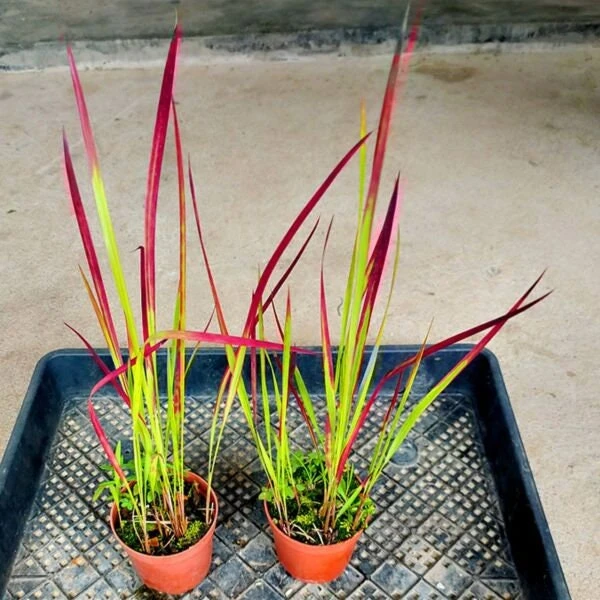
This listing is for one Red Baron Japanese Blood Grass live plant. It is typically shipped as a rooted starter plant, either bare root or in a 2.5×4 inch greenhouse pot, ready for transplanting into your garden or a larger container. Each living plant is unique; therefore, slight variations in size, color, and shape may occur depending on the season and growing conditions. When mature, this ornamental grass generally reaches a height of 18-24 inches and a similar spread, forming an upright, clumping habit. Its moderate growth rate allows it to quickly establish and fill out its designated space.
The vibrant red color of the foliage develops best under full sun conditions, becoming more intense as the season progresses. This perennial grass for garden use is ideal for adding vertical interest and a pop of color without overwhelming smaller spaces. It’s a fantastic choice for borders, rock gardens, or as a contrasting element in mixed perennial beds. Expect the feathery plumes to appear in late summer, adding an additional layer of texture and beauty. Ensure proper care and planting within recommended hardiness zones for the best long-term success of your plant.
Frequently Asked Questions
- Q: How big does Red Baron Japanese Blood Grass get? A: This ornamental grass typically grows to about 18-24 inches tall and wide, forming an attractive upright clump. Its compact size makes it versatile for various garden applications.
- Q: Is this an indoor or outdoor plant? A: The Red Baron Japanese Blood Grass is primarily an outdoor plant, thriving in garden beds and containers. While it can be grown in pots, it prefers outdoor conditions for optimal growth and color.
- Q: How much sunlight does Red Baron Japanese Blood Grass need? A: For the most vibrant deep red foliage, this plant requires full sun, meaning at least 6 hours of direct sunlight per day. It can tolerate partial shade, but the color may not be as intense.
- Q: What condition will the plant arrive in? A: Your ornamental grass live plant will arrive as a rooted starter plant, either bare root or in a 2.5×4 inch greenhouse pot, carefully packaged to ensure its health during transit.
- Q: Is Red Baron Japanese Blood Grass easy to care for? A: Yes, it is considered a low-maintenance plant. Once established, it requires minimal care, primarily good drainage and consistent watering during dry periods, making it a great perennial grass for garden enthusiasts.
- Q: When is the best time to plant Red Baron Japanese Blood Grass? A: The best time to plant is in spring or early summer after the last frost, allowing the plant ample time to establish before colder weather.
- Q: What USDA Hardiness Zones is this plant suitable for? A: This grass is perennial in USDA Hardiness Zones 9-11. In cooler zones, it can be grown as an annual for seasonal color.
- Q: Does the Red Baron Japanese Blood Grass attract pests? A: It is generally resistant to most common garden pests. However, in very humid conditions, it may occasionally attract aphids, which are usually easy to manage.
- Q: What kind of soil does this red foliage plant prefer? A: It thrives in well-draining soil and can tolerate a range of soil types from slightly acidic to neutral. Good drainage is crucial to prevent root issues.
- Q: Can I grow Red Baron Japanese Blood Grass in a container? A: Absolutely! Its compact size and striking color make it an excellent choice for containers, where it can be moved to protected areas in colder climates if desired.
Be the first to review “Red Baron Japanese Blood Grass Live Plant – Ornamental Perennial 1 Count”
You must be logged in to post a review.
People also Viewed
Sold 50 products
$32.38
Sold 50 products
$27.38
Sold 50 products
$32.38
Sold 50 products
$19.88
Sold 50 products
$62.38
Sold 50 products
$24.88
Houseplants
Phalaenopsis pulcherrima ‘Mauna Kea Snow’ Orchid Live Plant – White Flowers, Potted 2.5 in
Sold 50 products
$49.88
Sold 50 products
$49.88RELATED posts
Awapuhi Wild Ginger Plant: Zones, Care, and Propagation
Learn which USDA zones suit awapuhi wild ginger, plus sunlight, water, planting, propagation, pests, size, [...]
Awapuhi Shampoo Ginger – Care, Growing Zones, and Differences
Learn how to grow awapuhi (shampoo) ginger, its USDA zones, watering schedule, propagation tips, and [...]
Awapuhi Shampoo Plant Buying Guide – Choose the Right Zingiber zerumbet
META: Learn which awapuhi (shampoo ginger) plant or rhizome pack gives the best natural shampoo, [...]
Awapuhi Plant for Sale: Complete Buying Guide
Find the right awapuhi (shampoo ginger) plant, size, price, soil mix, and online source. Practical [...]
Shampoo Ginger Plant for Sale – Buying Guide & Tips
Find the right shampoo ginger plant, size, price, and care tips. Quick guide for U.S. [...]
Shampoo Ginger Plant (Awapuhi) Care Guide
Learn how to grow, care for, and use shampoo ginger (Zingiber zerumbet), the tropical awapuhi [...]
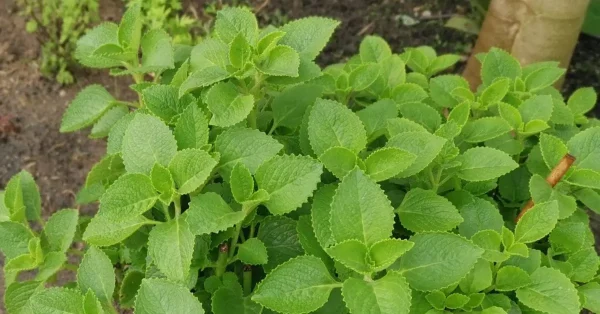
How to Grow Cuban Oregano Plants: A Complete Care Guide
If you’ve ever wanted a plant that combines the culinary punch of traditional oregano with [...]
Aug
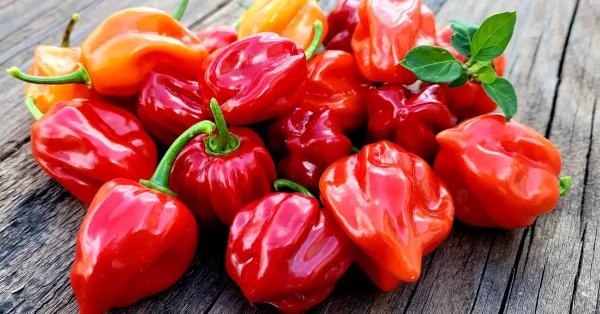
How to Grow Habanero Pepper Plants: A Step-by-Step Guide
Habanero pepper plants are prized for their vibrant colors, intense heat, and exceptional flavor, making [...]
Aug
Reviews
There are no reviews yet.