
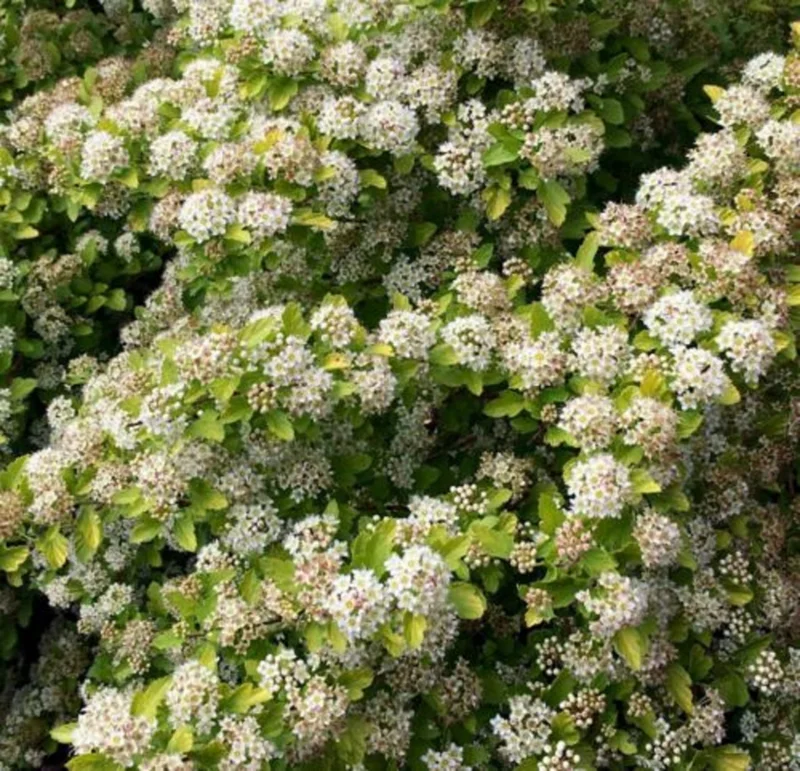
Raspberry Lemonade Ninebark Live Plant – Physocarpus Shrub – 5-6 Inch Starter
Original price was: $35.90.$20.90Current price is: $20.90.
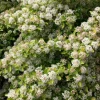
Add a burst of color to your landscape with the Raspberry Lemonade Ninebark. This vibrant dwarf shrub features striking chartreuse foliage, beautiful white flowers in summer, and ornamental coral-red fruits. Perfect for garden beds or as a specimen plant, thriving in USDA Zones 3-7.
Shipping and Return policies:
We stand behind our plants with our Alive & Thrive Guarantee. If you experience any issues within the first 30 days, please email us, and our team will be happy to help. When needed, we’ll send you a one-time replacement free of charge to make sure your garden keeps growing strong.

Reasonable Price
We offer reasonable price

Support 24/7
Contact us 24 hrs a day
100% Money Back
You’ve 30 days to Return
Payment Secure
100% secure payment
Overview
Introduce a splash of vibrant color and unique texture to your garden with the Raspberry Lemonade Ninebark. This exceptional Physocarpus cultivar, known for its dynamic seasonal interest, is a robust and attractive dwarf shrub. As a well-rooted starter plant, approximately 5-6 inches tall, it’s ready to establish itself and transform your outdoor space. The Physocarpus Raspberry Lemonade is celebrated for its distinctive chartreuse foliage, which provides a bright contrast against other greenery throughout the growing season. In summer, it produces an abundance of delicate white flowers, followed by eye-catching coral-red fruits that extend its ornamental appeal into fall. This hardy and versatile shrub is an excellent choice for gardeners looking for a low-maintenance yet high-impact plant, suitable for a variety of landscape designs.
The Raspberry Lemonade Ninebark is a winter-hardy dwarf shrub, making it a reliable performer in colder climates. Its compact size, reaching up to 4 feet tall, makes it ideal for smaller gardens, foundation plantings, or mixed borders. This particular variety of Physocarpus offers a multi-season display, ensuring your garden remains captivating from spring through autumn. Whether you’re a seasoned gardener or just starting, this plant offers an easy way to achieve a professional-looking landscape with minimal effort. It is commonly referred to as Ninebark due to the peeling bark on mature stems, adding textural interest during dormant periods.
Key Benefits
The Raspberry Lemonade Ninebark is a fantastic addition to any garden, offering a multitude of benefits that contribute to its popularity and aesthetic value. Its unique characteristics make it stand out:
- Stunning Foliage: Enjoy brilliant chartreuse leaves throughout the growing season, providing a bright and cheerful accent to your garden. This vibrant color remains consistent, offering continuous visual interest.
- Seasonal Flower Display: In summer, the shrub is adorned with numerous delicate white flowers, creating a soft, elegant contrast against the bright foliage. These blooms are often attractive to pollinators.
- Attractive Fruit Production: Following the flowers, ornamental coral-red fruits develop, adding another layer of color and texture in late summer and fall. These fruits are visually appealing and can attract birds.
- Compact Growth Habit: As a dwarf shrub, it reaches a manageable height of up to 4 feet, making it perfect for smaller spaces, urban gardens, or as a vibrant component in mixed borders. Its tidy form requires minimal pruning.
- Exceptional Hardiness: This dwarf Ninebark plant is incredibly resilient, thriving in USDA Zones 3-7, making it suitable for a wide range of climates and able to withstand cold winters.
- Low Maintenance: Once established, the Physocarpus Raspberry Lemonade requires minimal care, making it an excellent choice for busy gardeners. It’s generally pest and disease resistant.
- Versatile Landscape Use: Ideal for mass plantings, hedges, specimen plants, or adding a pop of vibrant color to perennial beds. Its striking appearance makes it a focal point in any garden design.
Plant Care & Growing Tips
To ensure your Raspberry Lemonade Ninebark thrives and displays its full spectrum of colors, proper care and growing conditions are essential. This hardy shrub prefers a location with full sun, meaning at least six hours of direct sunlight per day. Adequate sunlight is crucial for developing the brightest chartreuse foliage and promoting abundant flowering and fruiting. While it can tolerate partial shade, the foliage color may be less intense, and flowering may be reduced. It is important to remember these specific needs for optimal growth.
When it comes to soil, the Raspberry Lemonade Ninebark is quite adaptable but performs best in well-drained soil. Avoid heavy, waterlogged conditions, as this can lead to root rot. A slightly acidic to neutral soil pH is ideal. Once established, this shrub is relatively drought-tolerant, but consistent moisture during dry spells, especially in its first year, will encourage strong root development. Water deeply but infrequently, allowing the top few inches of soil to dry out between waterings. Fertilize in early spring with a balanced, slow-release granular fertilizer formulated for shrubs, following the package instructions. Pruning is best done in late winter or early spring before new growth emerges to maintain shape and encourage bushier growth. Remove any dead, damaged, or crossing branches. This attention to Ninebark shrub care will ensure a healthy and vigorous plant.
The colorful foliage shrub is winter hardy in zones 3-7, meaning it can withstand temperatures down to -40°F (-40°C). While generally robust, protecting young plants from harsh winter winds can be beneficial. It is not generally prone to serious pest or disease issues, but monitoring for common garden problems can help in early detection and treatment. Ensuring good air circulation around the plant also helps prevent fungal diseases. With these guidelines, your Physocarpus Raspberry Lemonade will be a vibrant and healthy addition to your garden for years to come.
Size & Details
This offering is for a single Raspberry Lemonade Ninebark starter plant, which arrives as a well-rooted specimen in a 2 1/2 x 3 1/2 inch pot. The plant itself is approximately 5-6 inches in height at the time of shipment, representing a healthy young shrub ready for transplanting into your garden or a larger container. This dwarf variety of Ninebark is known for its compact growth habit, typically maturing to a height of 3-4 feet tall and spreading 3-4 feet wide. Its moderate growth rate means it will establish quickly but remain a manageable size, making it an excellent choice for various landscape applications.
The plant is shipped as a live, actively growing specimen, ensuring it is ready for immediate planting upon arrival. Expect vibrant chartreuse foliage, which will intensify in color with adequate sunlight. The plant is winter hardy in USDA Zones 3-7, indicating its resilience to cold temperatures. It will produce its beautiful white flowers in summer, followed by the distinctive coral-red fruits that add to its ornamental value. This dwarf Ninebark plant is an investment in long-lasting garden beauty.
Frequently Asked Questions
- Q: How big will the Raspberry Lemonade Ninebark get? A: This Raspberry Lemonade Ninebark is a dwarf variety that typically grows to a mature height and width of about 3-4 feet. It maintains a compact and rounded shape, making it suitable for smaller gardens or front-of-border plantings.
- Q: Is this an indoor or outdoor plant? A: The Physocarpus Raspberry Lemonade is an outdoor shrub. It is winter hardy in USDA Zones 3-7 and is designed to thrive in garden beds, landscapes, and outdoor containers where it can receive adequate sunlight.
- Q: How much sunlight does this shrub need? A: For the best foliage color and flowering, the Raspberry Lemonade Ninebark requires full sun, meaning at least 6 hours of direct sunlight per day. It can tolerate partial shade, but its chartreuse color may be less intense.
- Q: Is this plant easy to care for? A: Yes, the dwarf Ninebark plant is considered low-maintenance once established. It’s relatively drought-tolerant and pest-resistant, making it a great choice for both beginner and experienced gardeners. Regular watering during dry spells and annual pruning are generally sufficient.
- Q: What condition will the plant arrive in? A: Your Raspberry Lemonade Ninebark will arrive as a well-rooted starter plant in a 2 1/2 x 3 1/2 inch pot, approximately 5-6 inches tall. It will be carefully packaged to ensure it reaches you in healthy, live condition, ready for planting.
- Q: When is the best time to plant Raspberry Lemonade Ninebark? A: The best time to plant this colorful foliage shrub is in spring or early fall, allowing the plant sufficient time to establish its root system before extreme temperatures. However, because it arrives potted, it can be planted any time the ground is not frozen.
- Q: Will it survive winter in my zone? A: Yes, the Raspberry Lemonade Ninebark is exceptionally winter hardy and thrives in USDA Zones 3-7, meaning it can withstand very cold winter temperatures. It is a reliable choice for cold climate gardens.
- Q: What type of soil does it prefer? A: This Ninebark prefers well-drained soil, but it is adaptable to a variety of soil types, including clay, loam, and sand. Good drainage is key to prevent root issues.
- Q: Does this shrub attract pollinators or wildlife? A: Yes, the white flowers of the Physocarpus Raspberry Lemonade can attract bees and other pollinators in the summer. The coral-red fruits that follow can also be a food source for birds in the fall.
- Q: How often should I water my newly planted Ninebark? A: For the first growing season, water your newly planted Raspberry Lemonade Ninebark regularly to keep the soil consistently moist but not waterlogged. Once established, it becomes more drought-tolerant and will only need occasional watering during prolonged dry periods.
Be the first to review “Raspberry Lemonade Ninebark Live Plant – Physocarpus Shrub – 5-6 Inch Starter”
You must be logged in to post a review.
People also Viewed
Sold 50 products
$32.38
Sold 50 products
$27.38
Sold 50 products
$32.38
Sold 50 products
$19.88
Sold 50 products
$62.38
Sold 50 products
$24.88
Houseplants
Phalaenopsis pulcherrima ‘Mauna Kea Snow’ Orchid Live Plant – White Flowers, Potted 2.5 in
Sold 50 products
$49.88
Sold 50 products
$49.88RELATED posts
Awapuhi Wild Ginger Plant: Zones, Care, and Propagation
Learn which USDA zones suit awapuhi wild ginger, plus sunlight, water, planting, propagation, pests, size, [...]
Awapuhi Shampoo Ginger – Care, Growing Zones, and Differences
Learn how to grow awapuhi (shampoo) ginger, its USDA zones, watering schedule, propagation tips, and [...]
Awapuhi Shampoo Plant Buying Guide – Choose the Right Zingiber zerumbet
META: Learn which awapuhi (shampoo ginger) plant or rhizome pack gives the best natural shampoo, [...]
Awapuhi Plant for Sale: Complete Buying Guide
Find the right awapuhi (shampoo ginger) plant, size, price, soil mix, and online source. Practical [...]
Shampoo Ginger Plant for Sale – Buying Guide & Tips
Find the right shampoo ginger plant, size, price, and care tips. Quick guide for U.S. [...]
Shampoo Ginger Plant (Awapuhi) Care Guide
Learn how to grow, care for, and use shampoo ginger (Zingiber zerumbet), the tropical awapuhi [...]
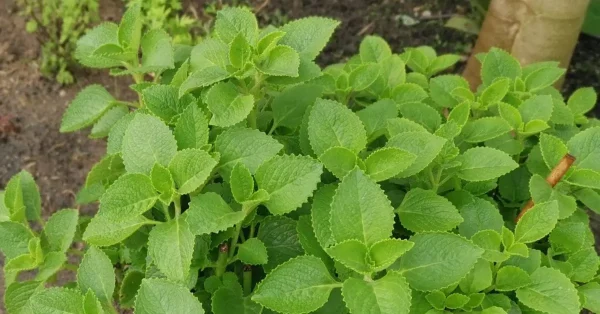
How to Grow Cuban Oregano Plants: A Complete Care Guide
If you’ve ever wanted a plant that combines the culinary punch of traditional oregano with [...]
Aug
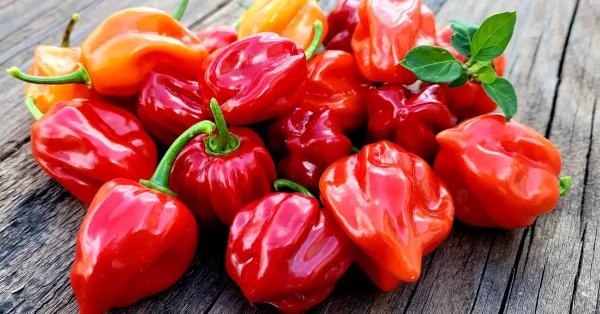
How to Grow Habanero Pepper Plants: A Step-by-Step Guide
Habanero pepper plants are prized for their vibrant colors, intense heat, and exceptional flavor, making [...]
Aug

Reviews
There are no reviews yet.