
Puya coerulea var. violacea Seeds – Rare Bromeliad Species – 10 Seeds
Original price was: $23.00.$15.80Current price is: $15.80.
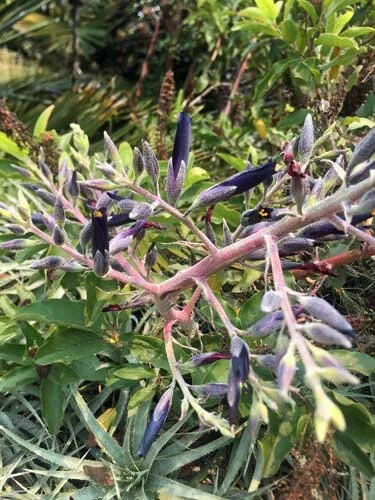
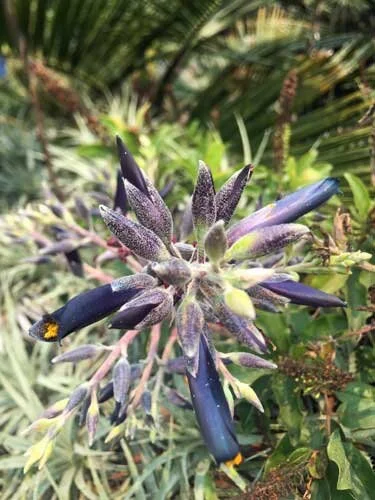
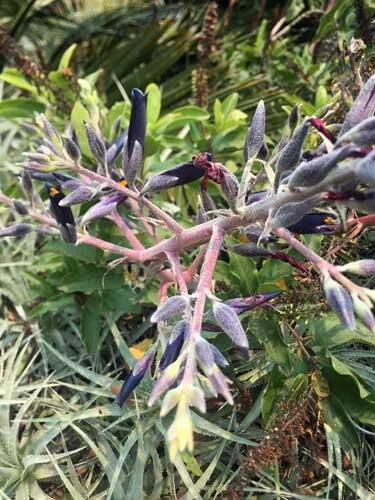
Cultivate the unique Puya coerulea var. violacea seeds, a striking bromeliad species known for its deep purple flowers and silver-gray foliage. These rare bromeliad seeds are perfect for creating a dramatic, drought-tolerant landscape. Enjoy a distinctive plant that thrives in full sun and adds exotic beauty to your garden, making it an excellent choice for xeriscaping plants.
Shipping and Return policies:
We stand behind our plants with our Alive & Thrive Guarantee. If you experience any issues within the first 30 days, please email us, and our team will be happy to help. When needed, we’ll send you a one-time replacement free of charge to make sure your garden keeps growing strong.

Reasonable Price
We offer reasonable price

Support 24/7
Contact us 24 hrs a day
100% Money Back
You’ve 30 days to Return
Payment Secure
100% secure payment
Overview
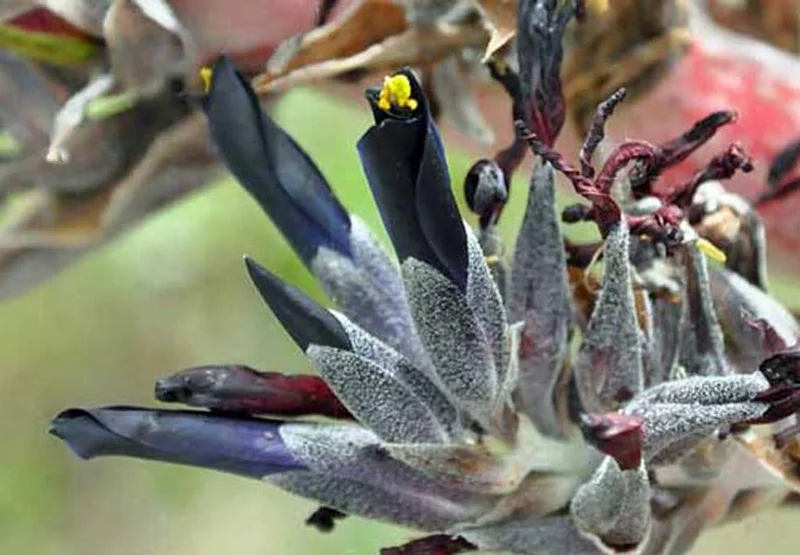
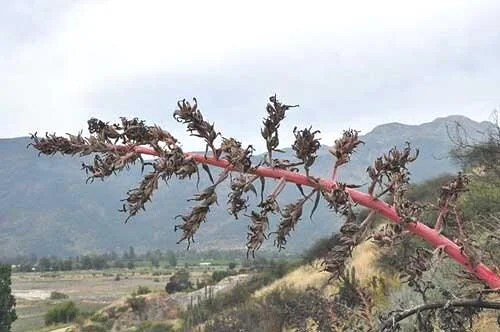
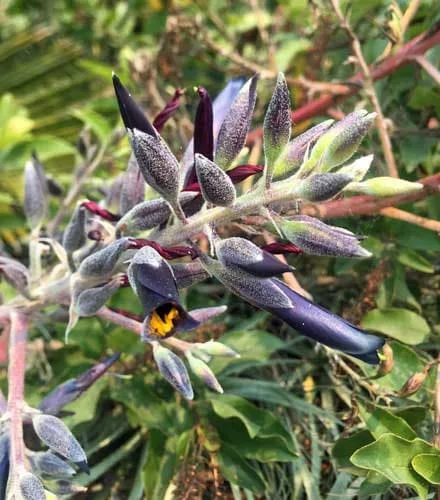
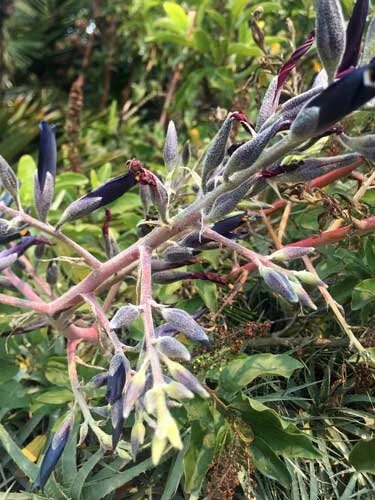
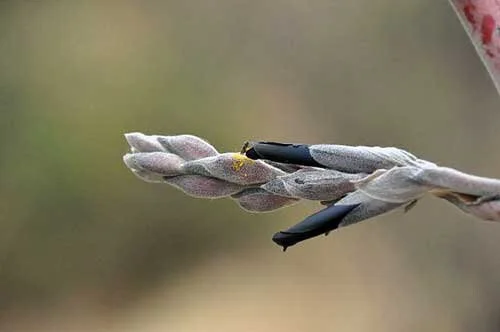
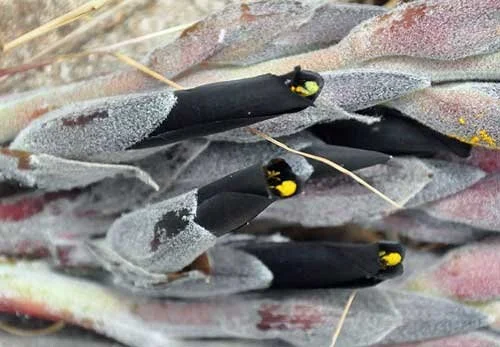
Embark on a unique gardening adventure with Puya coerulea var. violacea seeds. This remarkable bromeliad species, native to Chile, offers an extraordinary addition to any plant collection. Known for its scarcity and captivating appearance, the Puya coerulea var. violacea develops into a distinctive shrub-like succulent. Its evergreen rosette leaves are narrow, compact, and feature a beautiful silver-gray hue with spiky margins. The true spectacle unfolds when the plant produces an impressive inflorescence, reaching up to 5 feet tall, adorned with tubular flowers of a deep purple, almost black color, contrasted by bright yellow stamens. These rare bromeliad seeds promise a stunning display for coastal gardens, large containers, exotic landscapes, and city parks, making it a prized specimen for enthusiasts seeking something truly special.
Growing this plant from Puya coerulea var. violacea seeds allows you to witness its full life cycle, from germination to its magnificent bloom. It’s a fantastic choice for those interested in Puya bromeliad species, offering a unique opportunity to cultivate a plant that stands out from the ordinary. Its adaptability and low water requirements make it suitable for various environments, particularly those focused on water conservation. Prepare to be amazed by the resilience and beauty of this drought-tolerant gem as it transforms your garden into an exotic paradise.
Key Benefits
The Puya coerulea var. violacea seeds offer several compelling benefits for the discerning gardener, making it a rewarding choice for both its aesthetic appeal and practical advantages.
- Exotic Visual Appeal: This Puya coerulea var. violacea seeds grow into a visually stunning plant with unique silver-gray foliage and dramatic, deep purple flowers. Its inflorescence creates a focal point in any garden, drawing attention with its striking color and unusual form.
- Drought Tolerance: Once established, this bromeliad is highly drought-tolerant, requiring minimal water. This makes it an ideal choice for water-wise gardens and xeriscaping plants, significantly reducing irrigation needs.
- Low Maintenance: Beyond its initial care, the plant requires little ongoing attention. Its robust nature and natural resistance to many common pests make it a relatively easy plant to maintain, perfect for busy gardeners.
- Versatile Landscaping: Suitable for a variety of settings, including large containers, coastal gardens, exotic landscapes, and city parks. Its unique form and color provide architectural interest and contrast.
- Unique Collector’s Item: As a scarce plant, cultivating rare bromeliad seeds like these allows you to grow a distinctive species that is not commonly found, appealing to collectors and those seeking botanical rarity.
- Attracts Pollinators: While not explicitly stated, many bromeliad flowers attract pollinators, adding biodiversity to your garden environment.
- Evergreen Foliage: The plant maintains its attractive silver-gray rosette leaves year-round, providing consistent visual interest even when not in bloom.
Plant Care & Growing Tips
Successfully growing Puya coerulea var. violacea seeds requires attention to specific conditions to ensure healthy development and a spectacular bloom. This plant thrives in environments that mimic its native Chilean habitat, characterized by ample sunlight and well-draining soil. For germination, sow the seeds thinly on top of a suitable medium and lightly cover them with soil. Maintain consistent moisture in a bright spot, keeping temperatures around 75-85°F (24-29°C). Avoid covering the container with plastic, as proper air circulation is important. Germination can take anywhere from 21 to 90 days, so patience is key for these rare bromeliad seeds.
Once established, the Puya coerulea var. violacea is a robust and relatively low-maintenance plant. It prefers full sun exposure, which is crucial for vigorous growth and abundant flowering. In terms of soil, it requires a well-draining medium; sandy or rocky soils are ideal, reflecting its succulent nature. Avoid heavy, water-retentive soils that can lead to root rot. As a drought-tolerant plant, water sparingly once established, allowing the soil to dry out completely between waterings. Overwatering is a common mistake and should be avoided. This plant is hardy in USDA Zones 9-11, thriving in mild to warm climates. It blooms in mid-spring until early summer, offering a spectacular floral display. Fertilization is generally minimal; a balanced, slow-release fertilizer can be applied sparingly during the growing season if desired, but it’s often not strictly necessary for this resilient Puya bromeliad species.
Protect young plants from extreme cold if you are in the lower end of its hardiness zone. While mature plants are quite tough, young seedlings are more vulnerable. Ensure good air circulation around the plants to prevent fungal issues. Common problems are usually related to overwatering or insufficient sunlight. By providing ample sun, excellent drainage, and infrequent watering, you will be rewarded with a healthy and impressive specimen from your Puya coerulea var. violacea seeds.
Size & Details
The Puya coerulea var. violacea seeds will mature into a striking plant that forms an evergreen rosette, typically reaching a compact size with its foliage. However, the true impressive scale comes from its inflorescence, which can soar up to 5 feet tall, extending several feet above the rosette leaves. The flowers themselves are tubular and exhibit a deep purple, almost black hue, beautifully contrasted by bright yellow stamens. This rare bromeliad species is shipped as a packet of 10 seeds, providing an opportunity to cultivate multiple plants.
Expect the plant to begin blooming in mid-spring, continuing into early summer, once it reaches maturity, which can take several years from seed. Its growth rate is moderate, and it’s well-suited for large containers where its root system can develop without constraint, or directly in the ground in suitable climates (USDA Zones 9-11). The mature plant forms a robust, shrub-like succulent ideal for creating a dramatic statement in a garden or landscape, particularly in xeriscaping plants designs due to its inherent drought tolerance.
Frequently Asked Questions
- Q: How big does this plant get? A: The foliage rosette of the Puya coerulea var. violacea seeds will remain relatively compact, but its impressive flower stalk can reach up to 5 feet tall, extending several feet above the leaves. It creates a significant vertical presence in the garden.
- Q: Is this an indoor or outdoor plant? A: This is primarily an outdoor plant, thriving in full sun in USDA Zones 9-11. While it can be grown in large containers, it requires significant light and space. It is not typically grown as a houseplant due to its size and light requirements.
- Q: How much sunlight does it need? A: The Puya coerulea var. violacea seeds will grow best in full sun. This means at least 6-8 hours of direct sunlight per day is ideal for healthy growth and prolific blooming.
- Q: Is this plant easy to care for? A: Once established, this plant is considered low-maintenance and is excellent for beginners interested in drought-tolerant plants. The main requirements are full sun and well-draining soil, with minimal watering. Germination from rare bromeliad seeds requires patience.
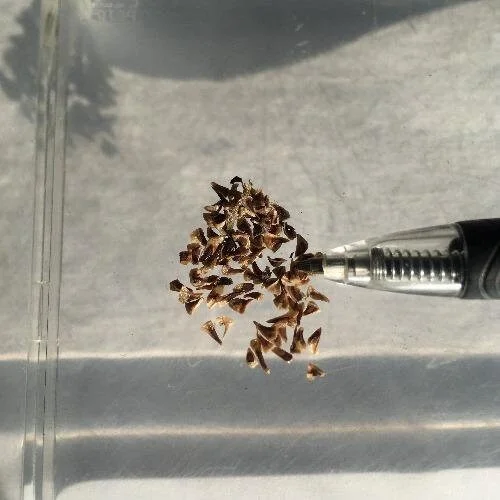
- Q: What condition will the seeds arrive in? A: You will receive 10 seeds of Puya coerulea var. violacea, carefully packaged to ensure their viability upon arrival. Detailed germination instructions will be provided.
- Q: How long until it blooms? A: Growing from Puya coerulea var. violacea seeds means it will take several years for the plant to reach maturity and begin flowering. Patience is a virtue when cultivating this magnificent species.
- Q: Will it survive winter in my zone? A: This plant is hardy in USDA Zones 9-11. If you are outside these zones, it will need protection from frost and cold temperatures, potentially by growing it in a container that can be moved indoors during winter.
- Q: What type of soil does it prefer? A: It prefers well-draining soil, similar to that used for cacti and succulents. A sandy or rocky loam mix is ideal to prevent waterlogging, which can be detrimental to the plant.
- Q: Can I grow this plant in a container? A: Yes, Puya coerulea var. violacea can be successfully grown in large containers. Ensure the container has excellent drainage holes and use a suitable well-draining potting mix. This allows for flexibility in placement and winter protection if needed.
- Q: What are the best uses for this plant in a landscape? A: It’s excellent for coastal gardens, exotic landscapes, city parks, and especially xeriscaping plants designs. Its unique form and drought tolerance make it a focal point in rock gardens or arid plant collections.
Be the first to review “Puya coerulea var. violacea Seeds – Rare Bromeliad Species – 10 Seeds”
You must be logged in to post a review.
People also Viewed


Sold 50 products
Original price was: $109.95.$79.98Current price is: $79.98.

Sold 50 products
Original price was: $25.00.$17.50Current price is: $17.50.

Flower Seeds
Olympic Onion Seeds – Allium crenulatum Flower Seeds – 10 Seed Pack – Outdoor Native Plant
Sold 50 products
Original price was: $25.00.$17.50Current price is: $17.50.

Sold 50 products
Original price was: $25.00.$17.50Current price is: $17.50.

Flower Seeds
Fuchsia vulcanica Seeds – 20 Pack – Vibrant Orange Coral Flowers for Garden & Containers
Sold 50 products
Original price was: $25.00.$17.50Current price is: $17.50.

Sold 50 products
Original price was: $116.98.$95.68Current price is: $95.68.

Sold 50 products
Original price was: $21.00.$14.10Current price is: $14.10.

Aquatic Plant Seeds
White Lotus Seeds – Nelumbo Nucifera Aquatic Pond Plant – 5 Seeds for Water Garden
Sold 50 products
Original price was: $29.00.$20.90Current price is: $20.90.RELATED posts
Awapuhi Wild Ginger Plant: Zones, Care, and Propagation
Learn which USDA zones suit awapuhi wild ginger, plus sunlight, water, planting, propagation, pests, size, [...]
Awapuhi Shampoo Ginger – Care, Growing Zones, and Differences
Learn how to grow awapuhi (shampoo) ginger, its USDA zones, watering schedule, propagation tips, and [...]
Awapuhi Shampoo Plant Buying Guide – Choose the Right Zingiber zerumbet
META: Learn which awapuhi (shampoo ginger) plant or rhizome pack gives the best natural shampoo, [...]
Awapuhi Plant for Sale: Complete Buying Guide
Find the right awapuhi (shampoo ginger) plant, size, price, soil mix, and online source. Practical [...]
Shampoo Ginger Plant for Sale – Buying Guide & Tips
Find the right shampoo ginger plant, size, price, and care tips. Quick guide for U.S. [...]
Shampoo Ginger Plant (Awapuhi) Care Guide
Learn how to grow, care for, and use shampoo ginger (Zingiber zerumbet), the tropical awapuhi [...]

How to Grow Cuban Oregano Plants: A Complete Care Guide
If you’ve ever wanted a plant that combines the culinary punch of traditional oregano with [...]
Aug

How to Grow Habanero Pepper Plants: A Step-by-Step Guide
Habanero pepper plants are prized for their vibrant colors, intense heat, and exceptional flavor, making [...]
Aug

Reviews
There are no reviews yet.