
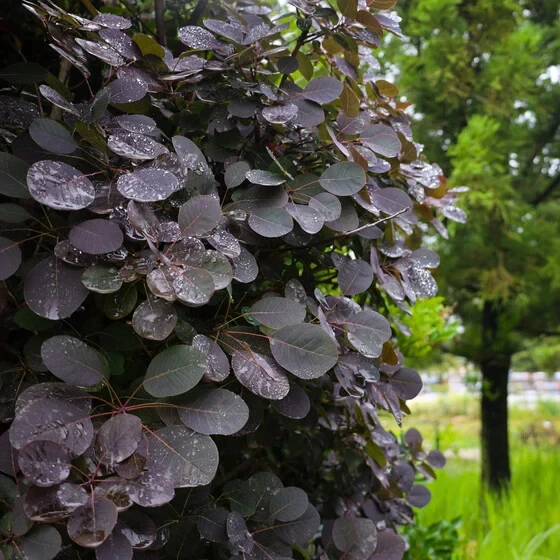
Purple Smoke Tree Live Plant – 4 inch Pot – Vibrant Outdoor Shrub
Original price was: $36.70.$20.70Current price is: $20.70.
Bring a touch of dramatic color to your garden with this purple smoke tree live plant in a 4 inch pot. This deciduous shrub is cherished for its striking purple-red foliage and unique, airy flower plumes that resemble puffs of smoke. Ideal for outdoor landscapes, it offers year-round visual interest.
Shipping and Return policies:
We stand behind our plants with our Alive & Thrive Guarantee. If you experience any issues within the first 30 days, please email us, and our team will be happy to help. When needed, we’ll send you a one-time replacement free of charge to make sure your garden keeps growing strong.

Reasonable Price
We offer reasonable price

Support 24/7
Contact us 24 hrs a day
100% Money Back
You’ve 30 days to Return
Payment Secure
100% secure payment
Overview
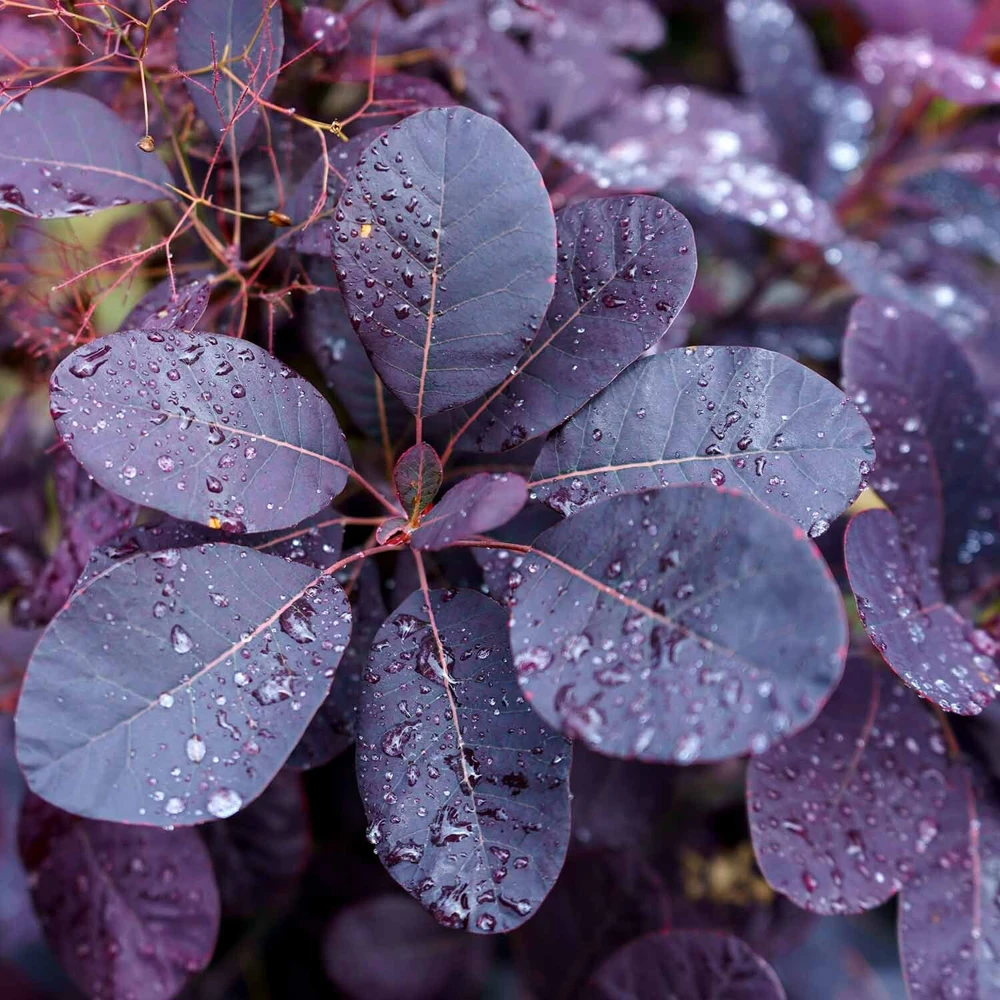
Introduce a splash of vibrant, sophisticated color to your garden with the stunning purple smoke tree live plant. Also known as Cotinus coggygria ‘Royal Purple’ or simply the Royal Purple Smoke Bush, this deciduous shrub is a true showstopper. Originating from southern Europe and Asia, it is highly prized for its distinctive foliage that emerges deep purple-red in spring, maintaining its rich hue throughout the summer before transitioning to brilliant shades of orange and red in autumn. The common name ‘smoke tree’ comes from the airy, plume-like flower clusters that appear in summer, creating a hazy, smoke-like effect above the leaves. This purple smoke tree live plant is a fantastic choice for adding architectural interest, bold color, and a unique texture to any landscape design, making it a favorite among gardeners seeking visual impact.
Key Benefits
The purple smoke tree live plant offers a multitude of benefits, making it an excellent addition to various garden styles and needs. Its unique characteristics contribute significantly to landscape aesthetics and environmental well-being:
-
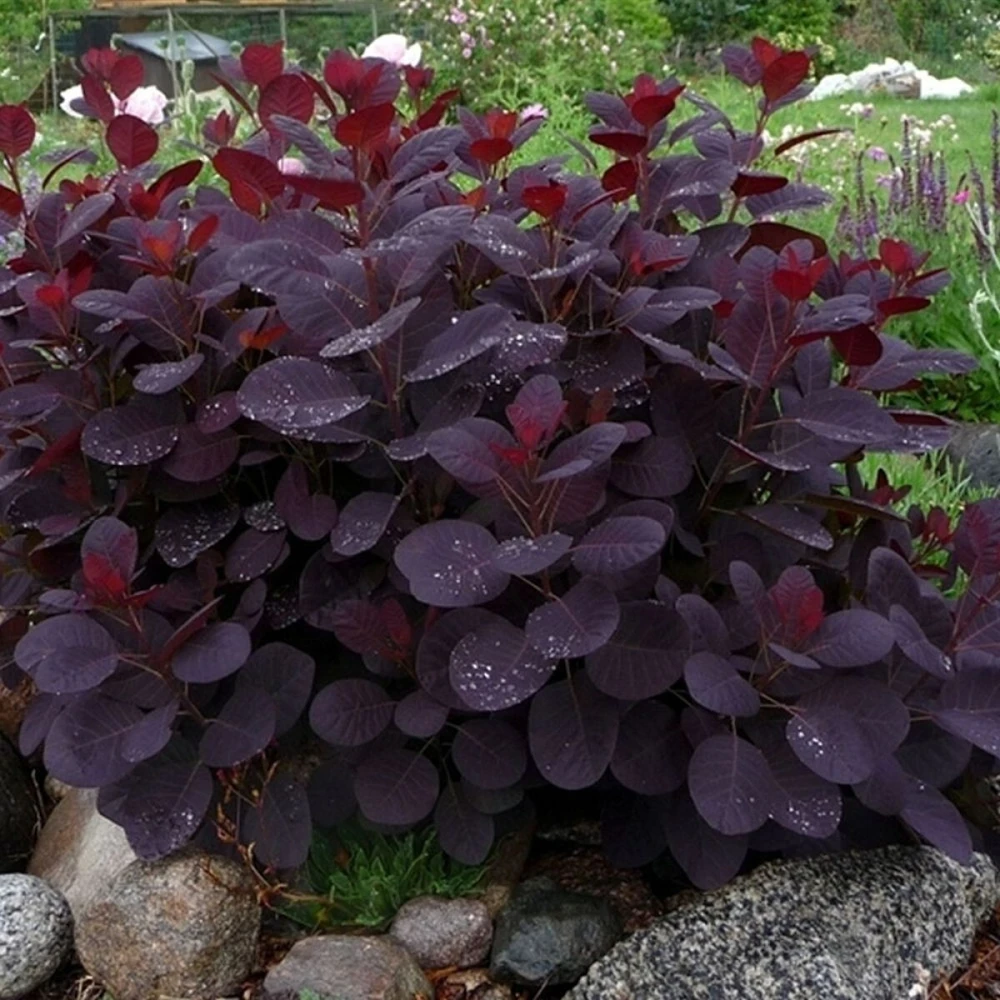
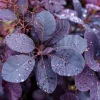
Dramatic Foliage Color: The most prominent feature of the purple smoke tree is its intense, year-round foliage color. From deep purple in spring and summer to fiery red and orange in fall, it provides continuous visual interest and acts as a focal point in any garden design, setting it apart from more common green shrubs.
-
Unique ‘Smoky’ Blooms: In summer, delicate, feathery flower clusters emerge, giving the appearance of purplish-pink ‘smoke’ hovering over the plant. These unique inflorescences add an ethereal quality to the garden and are a conversation starter.
-
Low Maintenance: Once established, the purple smoke tree is remarkably low-maintenance, requiring minimal care. It’s drought-tolerant and generally pest and disease resistant, making it suitable for busy gardeners or those new to gardening. Understanding purple smoke bush care is straightforward.
-
Versatile Landscape Use: This shrub can be used as a specimen plant, in mixed borders, as a hedge, or even grown in large containers. Its versatility allows for creative integration into various garden settings, from formal to informal designs.
-
Attracts Pollinators: While not its primary feature, the flowers can attract some beneficial insects to your garden, contributing to local biodiversity.
-
Deer Resistant: Generally, deer tend to leave the purple smoke tree alone, which is a significant advantage for gardens in areas prone to deer browsing.
-
Strong Architectural Form: Even in winter, after its leaves have fallen, the sculptural branching structure of the purple smoke tree live plant provides an interesting silhouette, ensuring it remains an attractive feature in the dormant season.
Plant Care & Growing Tips
To ensure your purple smoke tree live plant thrives, understanding its specific care requirements is crucial. This hardy shrub prefers a location with full sun to partial shade. Full sun (at least 6 hours of direct sunlight per day) will encourage the most vibrant purple foliage color and abundant ‘smoke’ plumes. While it tolerates partial shade, the foliage color may be less intense. When considering how to grow smoke tree, soil conditions are vital. It adapts to a wide range of soil types but thrives in well-draining soil. Avoid heavy, waterlogged soils, as this can lead to root rot. A slightly acidic to neutral pH is ideal.
Watering should be consistent during the first year after planting to help establish a strong root system. Once established, the purple smoke tree is remarkably drought-tolerant and requires minimal supplemental watering, except during prolonged dry spells. Fertilization is generally not necessary, especially in rich soils. If growth appears sluggish, a balanced, slow-release fertilizer in early spring can be applied sparingly. Pruning can be done in late winter or early spring to maintain shape, control size, or remove any dead or damaged branches. For a more compact plant with larger leaves (but fewer flowers), you can ‘stool’ it by cutting it back hard to a few inches above the ground every few years. This encourages vigorous new growth with intense purple coloration, typical for cotinus coggygria royal purple.
The royal purple smoke tree is quite resilient to pests and diseases, though occasional issues like powdery mildew or leaf spot can occur in humid conditions. Ensure good air circulation and avoid overhead watering to minimize these problems. Its hardiness makes it a robust choice for many landscapes.
Size & Details
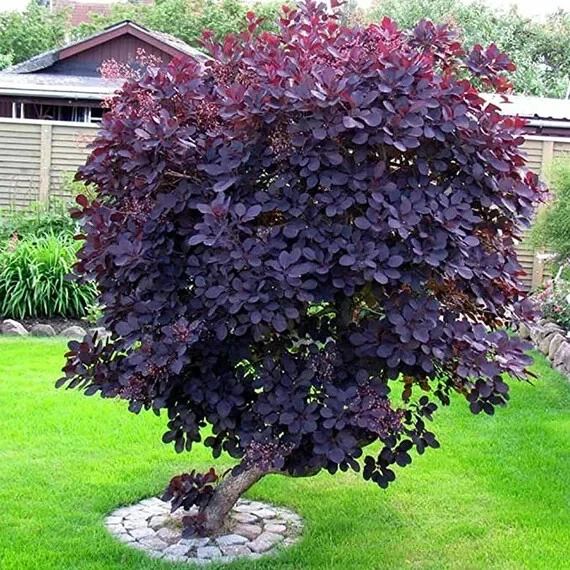
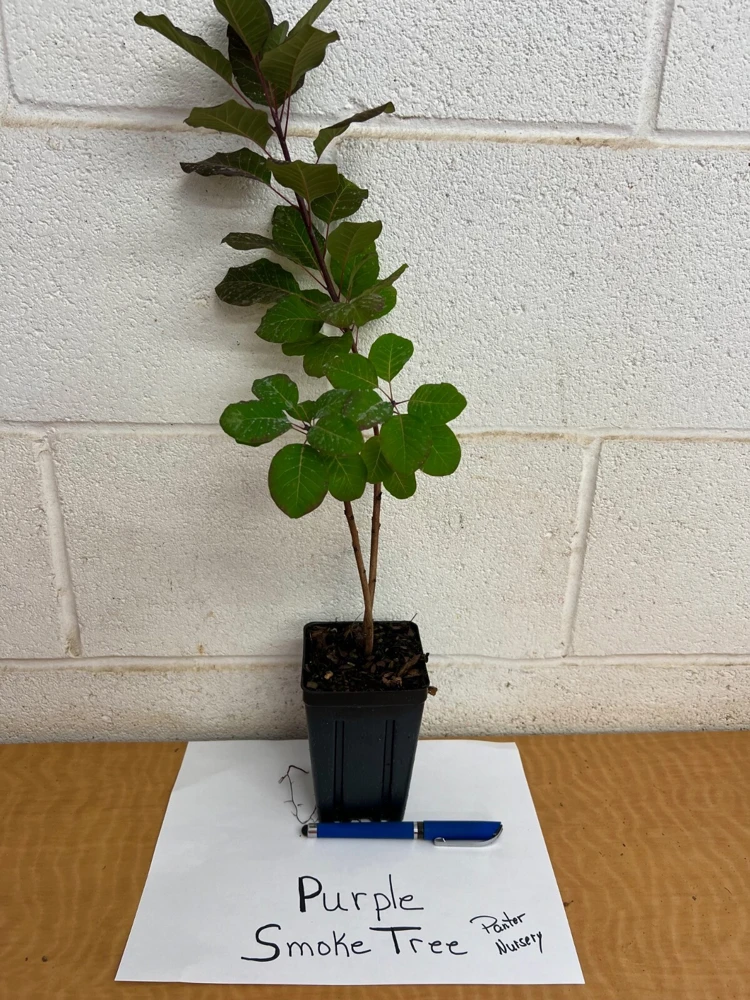
This offering is for a purple smoke tree live plant, typically shipped in a 4 inch nursery pot. At this stage, the plant is a young specimen, perfect for establishing in your garden. When mature, the Purple Smoke Tree can reach an impressive height of 10-15 feet with a similar spread, forming a large, rounded shrub or small tree. Its growth rate is moderate, adding about 1-2 feet per year. The plant will arrive well-rooted, ready for transplanting into its permanent outdoor location. With proper care, you can expect this beautiful shrub to begin showing its characteristic ‘smoke’ plumes within a few years, growing into a magnificent specimen that provides years of visual enjoyment.
Frequently Asked Questions
-
Q: How big does this purple smoke tree get? A: A mature purple smoke tree live plant can reach a height and spread of 10-15 feet, forming a large, rounded shrub or small ornamental tree, depending on pruning.
-
Q: Is this an indoor or outdoor plant? A: The purple smoke tree is an outdoor plant, best suited for garden landscapes where it can receive adequate sunlight and space to grow.
-
Q: How much sunlight does it need? A: For the best foliage color and flowering, your cotinus coggygria royal purple requires full sun, meaning at least 6 hours of direct sunlight per day. It can tolerate partial shade, but color may be less vibrant.
-
Q: Is this plant easy to care for? A: Yes, once established, the purple smoke tree is considered a low-maintenance plant. It’s drought-tolerant and generally resistant to pests and diseases, making purple smoke bush care relatively simple.
-
Q: What condition will it arrive in? A: Your purple smoke tree live plant will arrive in a 4 inch nursery pot, well-rooted and carefully packaged to ensure its health during transit.
-
Q: When is the best time to plant a purple smoke tree? A: The best time to plant a purple smoke tree is in spring or early fall, allowing the plant to establish its root system before extreme summer heat or winter cold.
-
Q: Will it survive winter in my zone? A: The purple smoke tree is hardy in USDA Zones 4-8. If you are within these zones, it should survive winter with proper care, especially when considering how to grow smoke tree in colder climates.
-
Q: What type of soil does the royal purple smoke tree prefer? A: It prefers well-draining soil and can tolerate a range of soil types, from sandy to clay, as long as it doesn’t remain waterlogged. A slightly acidic to neutral pH is ideal.
Be the first to review “Purple Smoke Tree Live Plant – 4 inch Pot – Vibrant Outdoor Shrub”
You must be logged in to post a review.
People also Viewed
Sold 50 products
$32.38
Sold 50 products
$27.38
Sold 50 products
$32.38
Sold 50 products
$19.88
Sold 50 products
$62.38
Sold 50 products
$24.88
Houseplants
Phalaenopsis pulcherrima ‘Mauna Kea Snow’ Orchid Live Plant – White Flowers, Potted 2.5 in
Sold 50 products
$49.88
Sold 50 products
$49.88RELATED posts
Awapuhi Wild Ginger Plant: Zones, Care, and Propagation
Learn which USDA zones suit awapuhi wild ginger, plus sunlight, water, planting, propagation, pests, size, [...]
Awapuhi Shampoo Ginger – Care, Growing Zones, and Differences
Learn how to grow awapuhi (shampoo) ginger, its USDA zones, watering schedule, propagation tips, and [...]
Awapuhi Shampoo Plant Buying Guide – Choose the Right Zingiber zerumbet
META: Learn which awapuhi (shampoo ginger) plant or rhizome pack gives the best natural shampoo, [...]
Awapuhi Plant for Sale: Complete Buying Guide
Find the right awapuhi (shampoo ginger) plant, size, price, soil mix, and online source. Practical [...]
Shampoo Ginger Plant for Sale – Buying Guide & Tips
Find the right shampoo ginger plant, size, price, and care tips. Quick guide for U.S. [...]
Shampoo Ginger Plant (Awapuhi) Care Guide
Learn how to grow, care for, and use shampoo ginger (Zingiber zerumbet), the tropical awapuhi [...]
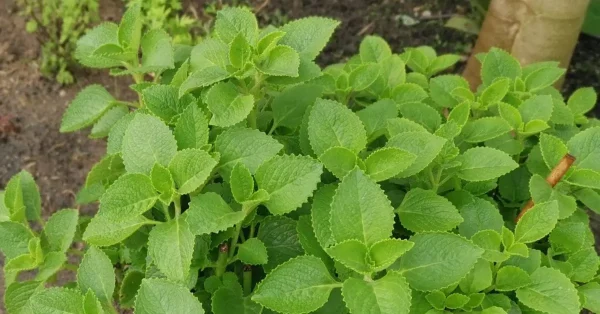
How to Grow Cuban Oregano Plants: A Complete Care Guide
If you’ve ever wanted a plant that combines the culinary punch of traditional oregano with [...]
Aug
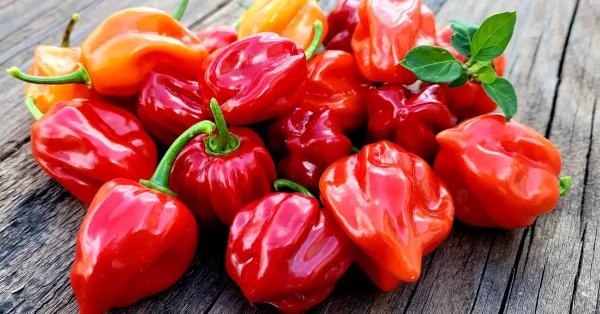
How to Grow Habanero Pepper Plants: A Step-by-Step Guide
Habanero pepper plants are prized for their vibrant colors, intense heat, and exceptional flavor, making [...]
Aug
Reviews
There are no reviews yet.