
Purple Bauhinia Seeds – Butterfly Tree (Bauhinia purpurea) – 20 Seed Pack
Original price was: $25.00.$17.50Current price is: $17.50.
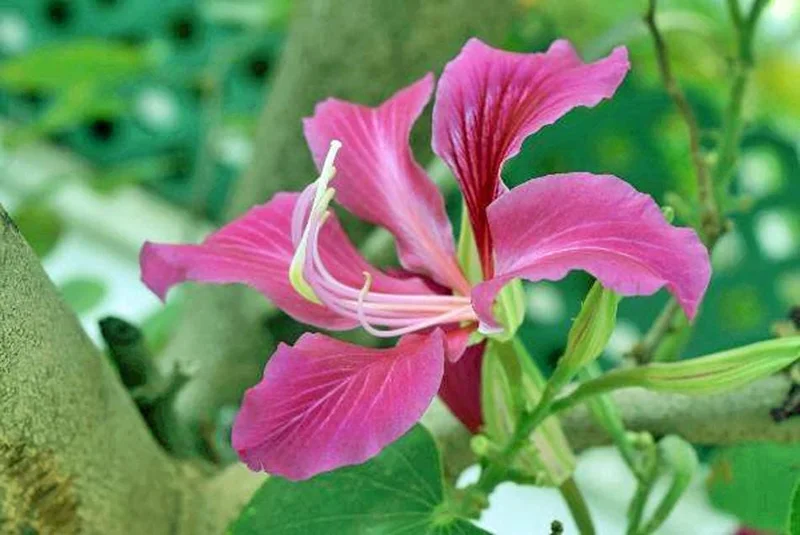
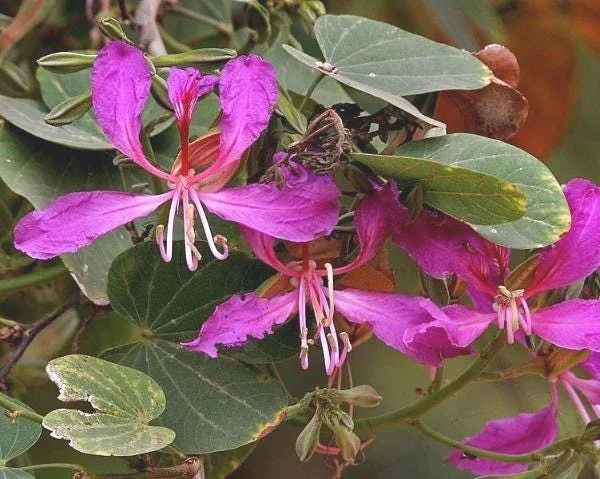
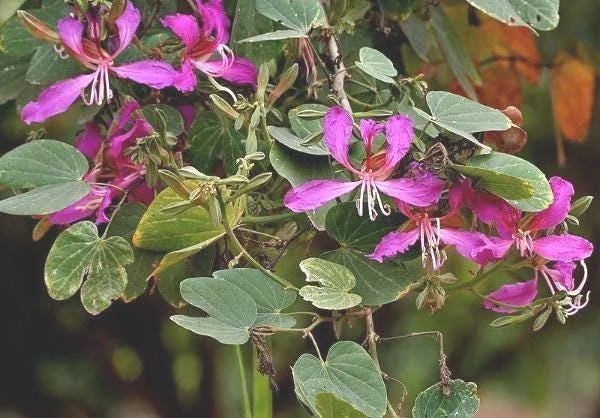
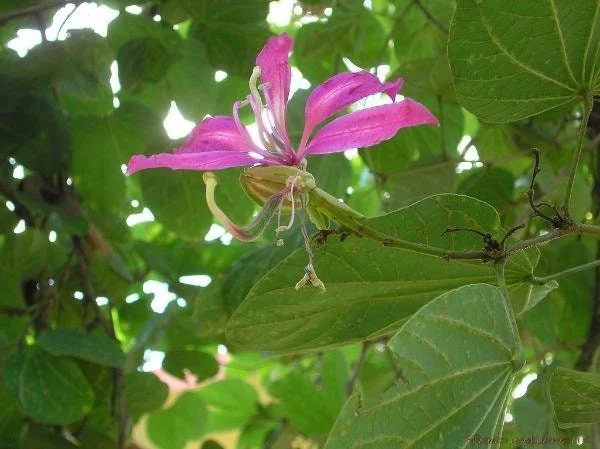
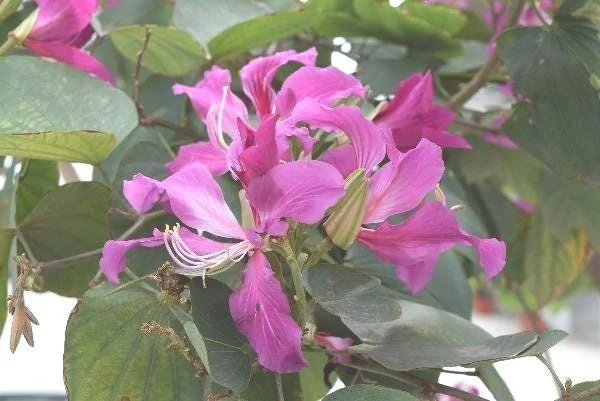
Discover the beauty of the Purple Bauhinia Butterfly Tree with this 20-seed pack. Also known as the orchid tree seeds, these seeds allow you to cultivate a stunning, deciduous ornamental tree with vibrant purple-pink flowers and distinctive butterfly-shaped leaves. Ideal for warm climates (USDA Zones 9-11), it adds tropical elegance to any landscape.
Shipping and Return policies:
We stand behind our plants with our Alive & Thrive Guarantee. If you experience any issues within the first 30 days, please email us, and our team will be happy to help. When needed, we’ll send you a one-time replacement free of charge to make sure your garden keeps growing strong.

Reasonable Price
We offer reasonable price

Support 24/7
Contact us 24 hrs a day
100% Money Back
You’ve 30 days to Return
Payment Secure
100% secure payment
Overview
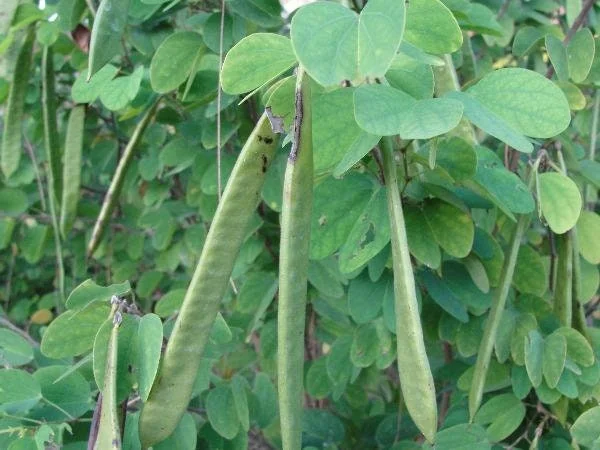
Embark on a rewarding gardening journey by cultivating the magnificent purple bauhinia seeds. Also widely known as the Butterfly Tree, Orchid Tree, or Camel’s Foot, the scientific name for this species is Bauhinia purpurea. This offering includes a pack of 20 high-quality seeds, ready to be transformed into a stunning, deciduous ornamental tree. Native to the Indian subcontinent and Myanmar, the Purple Bauhinia is celebrated for its breathtaking, fragrant purple-pink flowers that resemble orchids, and its uniquely shaped, bilobed leaves that evoke the image of a butterfly’s wings. Growing this tree from bauhinia purpurea seeds brings a touch of tropical splendor and exotic charm to your garden, creating a focal point with its vibrant blooms and distinctive foliage. Whether you’re an experienced gardener or a curious beginner, these seeds provide an exciting opportunity to nurture a truly spectacular plant.
The Purple Bauhinia Butterfly Tree is a fast-growing species, known for its resilience and adaptability in warmer climates. It can reach impressive heights, providing ample shade and a spectacular floral display. Beyond its aesthetic appeal, the tree’s leaves are even noted for their edible qualities in some cultures, adding an interesting dimension to this versatile plant. Starting with butterfly tree seeds allows you to witness the entire life cycle of this remarkable tree, from germination to its full, flowering glory, making it a truly immersive gardening experience.
Key Benefits
Growing the purple bauhinia seeds offers numerous advantages, transforming your outdoor space into a vibrant sanctuary. Its striking appearance and ease of care make it a popular choice for gardeners seeking both beauty and functionality.
- Stunning Ornamental Value: The Purple Bauhinia Butterfly Tree produces an abundance of gorgeous, orchid-like purple-pink flowers that create a spectacular visual display, attracting pollinators and admirers alike.
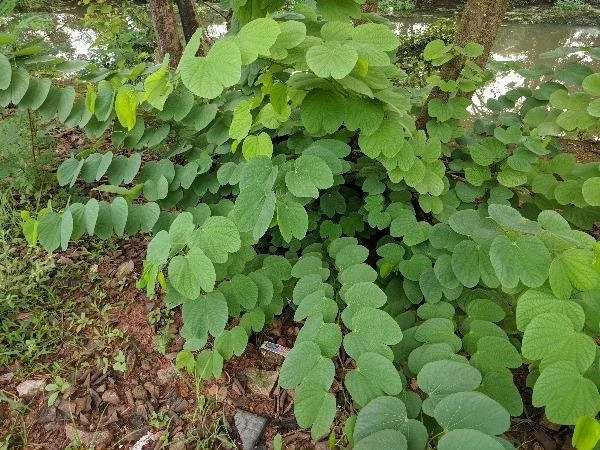
- Unique Foliage: Its distinctive, bilobed leaves resemble butterflies, adding an unusual and attractive textural element to your garden even when not in bloom. This makes the camel’s foot seeds a truly unique addition.
- Fast Growth Rate: These trees are known for their relatively quick growth, allowing you to enjoy a mature, flowering specimen sooner than many other tree species.
- Attracts Pollinators: The fragrant blooms are a magnet for butterflies, bees, and hummingbirds, contributing to the biodiversity and health of your garden ecosystem.
- Shade and Structure: Once mature, the tree provides excellent shade, making it perfect for creating cool, comfortable outdoor living spaces. It also adds significant architectural interest to the landscape.
- Edible Leaves: The large leaves, measuring up to 8 inches long, have a unique citrusy and sour taste, and are used in some Philippine dishes, offering a surprising culinary benefit.
- Resilience in Warm Climates: Thrives in USDA Zones 9-11, making it an excellent choice for gardens in Southern California, Southern Texas, South Florida, and Hawaii.
Plant Care & Growing Tips
Cultivating purple bauhinia seeds into a thriving tree requires attention to specific conditions, but the effort is well worth the magnificent results. To begin, scarify the seeds with a nail file to break their dormancy, then soak them in warm water for 24 hours. This crucial step significantly improves germination rates. Sow the treated bauhinia purpurea seeds about 3/4 inch deep in a well-draining seed starting mix and lightly cover them. Maintain consistent moisture without overwatering, and place the pots in a bright spot, ensuring temperatures remain between 65-75°F. Germination can typically be expected within 7-30 days.
Once established, the Purple Bauhinia Butterfly Tree prefers full sun exposure, meaning at least 6 hours of direct sunlight per day, to achieve its best flowering. It thrives in well-draining soil, capable of tolerating a range of soil types but performing best in loamy conditions. Water regularly during dry periods, especially when the tree is young, but allow the soil to dry out slightly between waterings to prevent root rot. These trees are hardy in USDA Zones 9-11 and can tolerate coastal conditions. Fertilize with a balanced, slow-release fertilizer in spring to support healthy growth and abundant blooms. Minimal pruning is required, primarily to remove dead or crossing branches and to shape the canopy. Watch for common pests like aphids or mealybugs and treat with organic insecticidal soap if necessary. With proper care, your orchid tree seeds will grow into a robust and beautiful specimen.
Size & Details
This product includes a pack of 20 high-quality purple bauhinia seeds, ready for cultivation. The Purple Bauhinia Butterfly Tree is a deciduous tree known for its moderate to fast growth rate. When mature, it typically reaches a height of up to 30 feet and can spread up to 15 feet wide, forming a beautiful, broad canopy. The large, edible leaves can grow up to 8 inches long and 4 inches wide. It is ideal for planting in USDA Hardiness Zones 9-11, thriving in warm, subtropical to tropical climates. These seeds will ship in a protective packet, ensuring their viability upon arrival. Expect the first blooms within 3-5 years from germination, transforming your garden with its vibrant purple-pink flowers.
The ultimate size and vigor of your camel’s foot seeds will depend on local growing conditions, soil quality, and care practices. With adequate space and sunlight, this tree will become a prominent feature in your landscape, offering both aesthetic appeal and a habitat for local wildlife. The relatively quick establishment of this tree makes it a popular choice for those looking to add significant impact to their garden in a reasonable timeframe.
Frequently Asked Questions
- Q: How big does the Purple Bauhinia tree get? A: The Purple Bauhinia Butterfly Tree typically grows to a height of about 30 feet and can spread up to 15 feet wide, creating a substantial and attractive canopy. Its mature size makes it an excellent shade tree.
- Q: Is this an indoor or outdoor plant? A: The purple bauhinia seeds are intended for growing an outdoor tree. While young seedlings can be started indoors, the mature tree requires significant space and thrives in outdoor conditions in USDA Zones 9-11.
- Q: How much sunlight do Purple Bauhinia trees need? A: These trees flourish in full sun, requiring at least 6 hours of direct sunlight per day to ensure vigorous growth and abundant flowering. Partial shade can be tolerated, but may result in fewer blooms.
- Q: Are these plants easy to care for? A: Once established, the Purple Bauhinia is relatively low-maintenance. The initial germination and seedling care for the bauhinia purpurea seeds require attention, but mature trees are quite resilient in appropriate climates.
- Q: What condition will the seeds arrive in? A: Your orchid tree seeds will arrive in a well-packaged, protective packet designed to ensure their viability and quality during transit. They will be ready for scarification and planting upon arrival.
- Q: How long until the Purple Bauhinia blooms? A: Typically, it takes about 3 to 5 years for a Purple Bauhinia tree grown from seed to reach maturity and begin producing its beautiful, orchid-like flowers.
- Q: Will Purple Bauhinia survive winter in my zone? A: The Purple Bauhinia Butterfly Tree is hardy in USDA Zones 9-11. If you live in a colder zone, it may need to be grown in a large container and brought indoors during winter, or treated as an annual.
- Q: What is the best time to plant Purple Bauhinia seeds? A: The ideal time to plant purple bauhinia seeds is in spring or early summer, after the last threat of frost has passed, to give the seedlings ample time to establish before cooler weather.
- Q: Can I use the leaves of the Purple Bauhinia in cooking? A: Yes, the large leaves of the Purple Bauhinia tree are edible and have a unique citrusy and sour taste. They are known to be used in some Philippine dishes.
- Q: What kind of soil does the Purple Bauhinia prefer? A: The tree prefers well-draining soil and can tolerate various soil types, but it thrives best in loamy conditions. Good drainage is crucial to prevent root issues.
Be the first to review “Purple Bauhinia Seeds – Butterfly Tree (Bauhinia purpurea) – 20 Seed Pack”
You must be logged in to post a review.
People also Viewed
Sold 50 products
Original price was: $109.95.$79.98Current price is: $79.98.
Sold 50 products
Original price was: $25.00.$17.50Current price is: $17.50.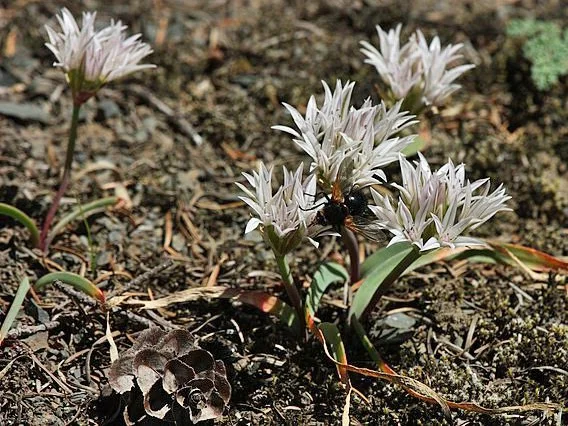
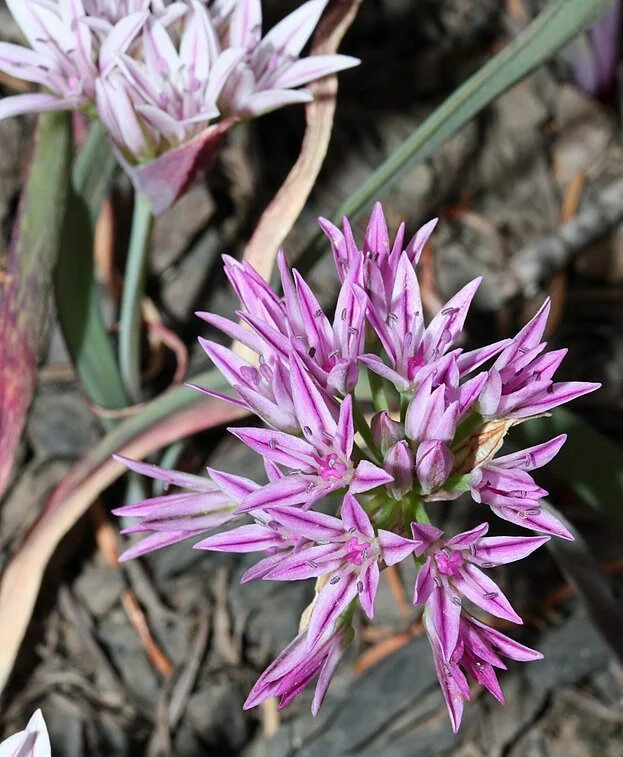
Flower Seeds
Olympic Onion Seeds – Allium crenulatum Flower Seeds – 10 Seed Pack – Outdoor Native Plant
Sold 50 products
Original price was: $25.00.$17.50Current price is: $17.50.
Sold 50 products
Original price was: $25.00.$17.50Current price is: $17.50.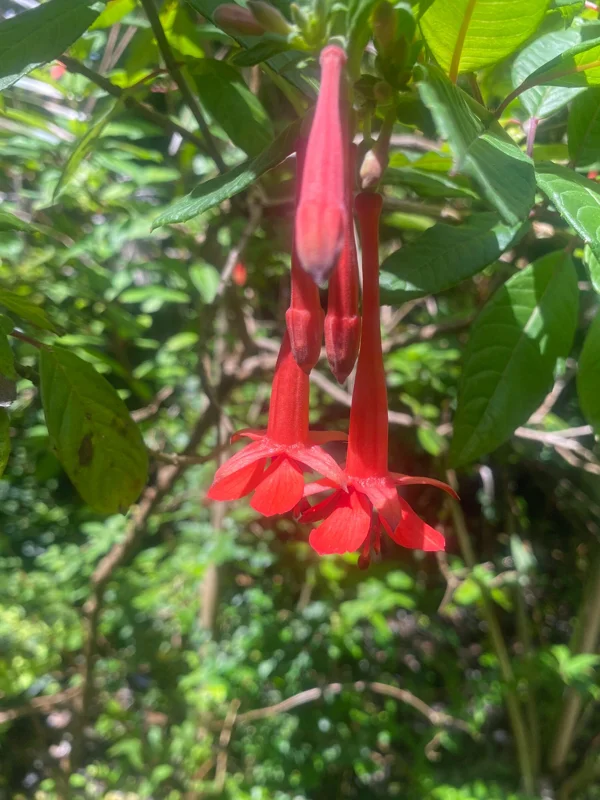
Flower Seeds
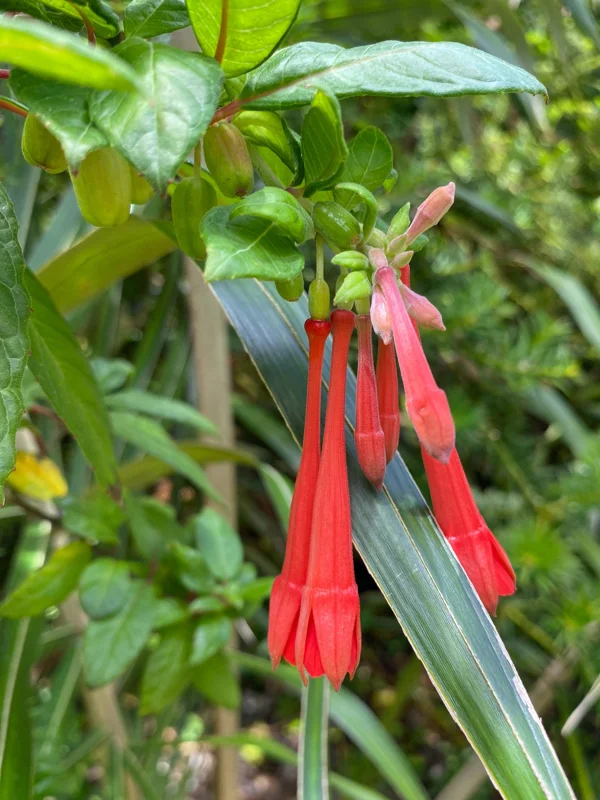
Fuchsia vulcanica Seeds – 20 Pack – Vibrant Orange Coral Flowers for Garden & Containers
Sold 50 products
Original price was: $25.00.$17.50Current price is: $17.50.
Sold 50 products
Original price was: $116.98.$95.68Current price is: $95.68.
Sold 50 products
Original price was: $21.00.$14.10Current price is: $14.10.
Aquatic Plant Seeds
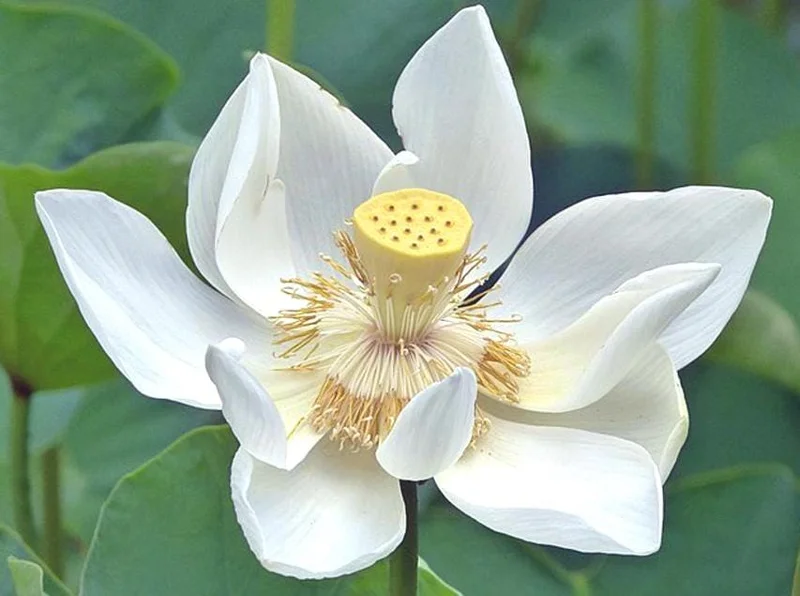
White Lotus Seeds – Nelumbo Nucifera Aquatic Pond Plant – 5 Seeds for Water Garden
Sold 50 products
Original price was: $29.00.$20.90Current price is: $20.90.RELATED posts
Awapuhi Wild Ginger Plant: Zones, Care, and Propagation
Learn which USDA zones suit awapuhi wild ginger, plus sunlight, water, planting, propagation, pests, size, [...]
Awapuhi Shampoo Ginger – Care, Growing Zones, and Differences
Learn how to grow awapuhi (shampoo) ginger, its USDA zones, watering schedule, propagation tips, and [...]
Awapuhi Shampoo Plant Buying Guide – Choose the Right Zingiber zerumbet
META: Learn which awapuhi (shampoo ginger) plant or rhizome pack gives the best natural shampoo, [...]
Awapuhi Plant for Sale: Complete Buying Guide
Find the right awapuhi (shampoo ginger) plant, size, price, soil mix, and online source. Practical [...]
Shampoo Ginger Plant for Sale – Buying Guide & Tips
Find the right shampoo ginger plant, size, price, and care tips. Quick guide for U.S. [...]
Shampoo Ginger Plant (Awapuhi) Care Guide
Learn how to grow, care for, and use shampoo ginger (Zingiber zerumbet), the tropical awapuhi [...]
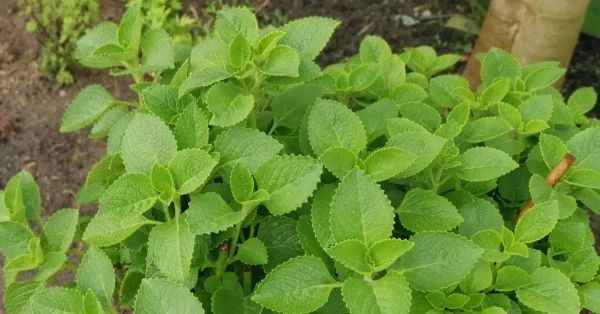
How to Grow Cuban Oregano Plants: A Complete Care Guide
If you’ve ever wanted a plant that combines the culinary punch of traditional oregano with [...]
Aug
How to Grow Habanero Pepper Plants: A Step-by-Step Guide
Habanero pepper plants are prized for their vibrant colors, intense heat, and exceptional flavor, making [...]
Aug

Reviews
There are no reviews yet.