
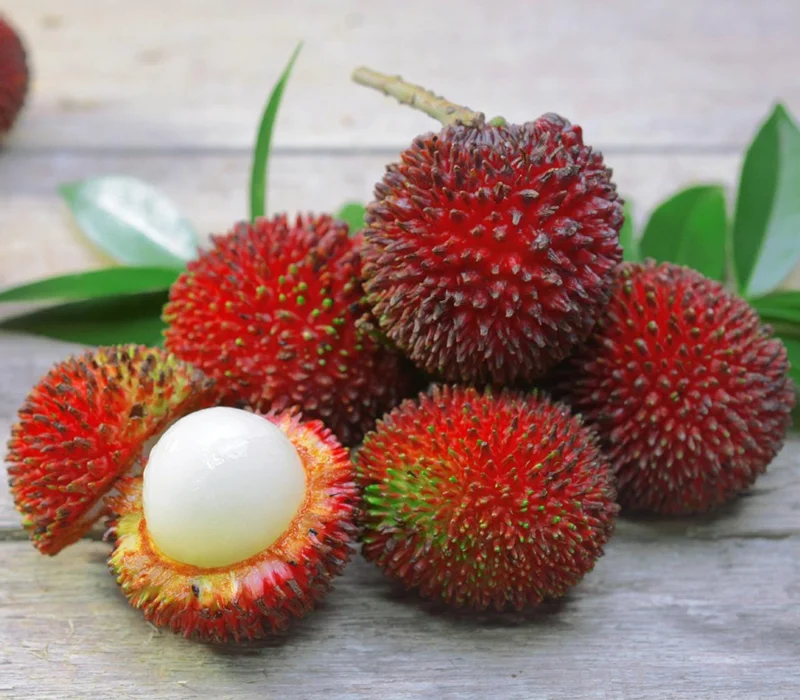
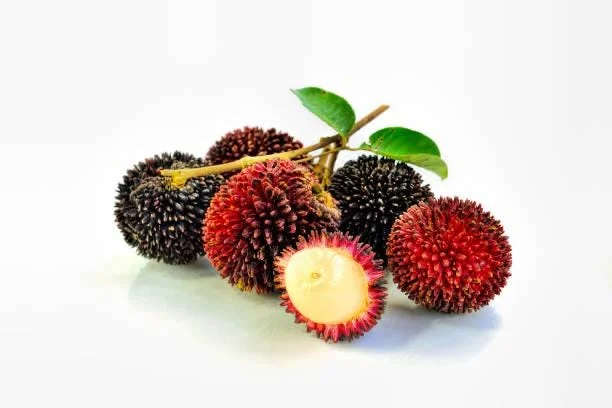
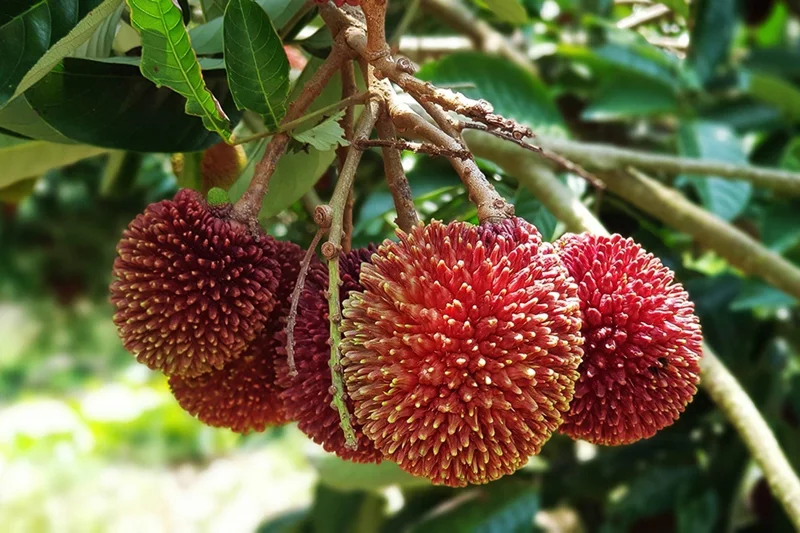
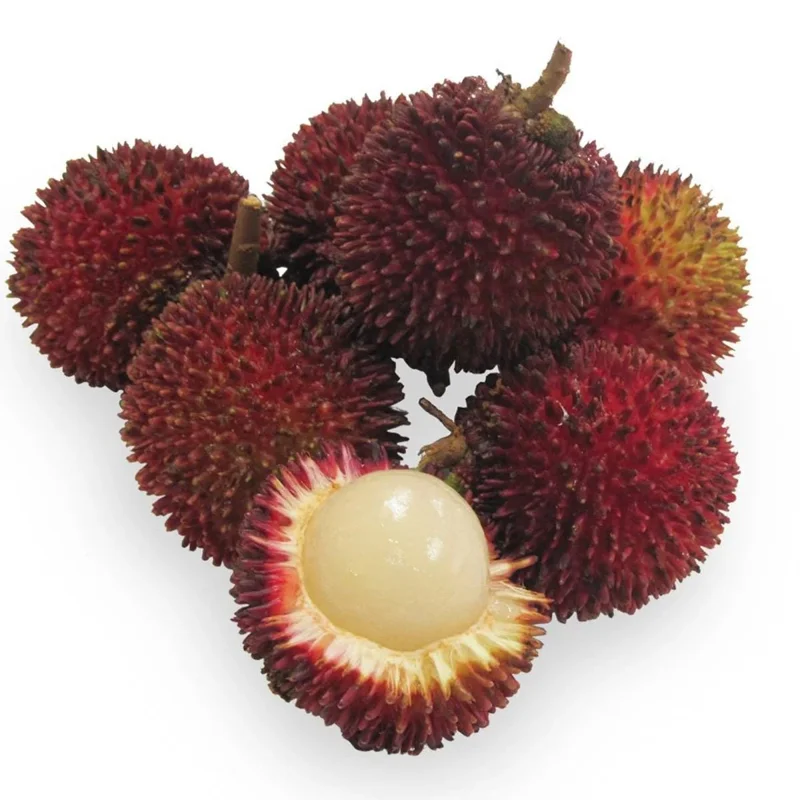
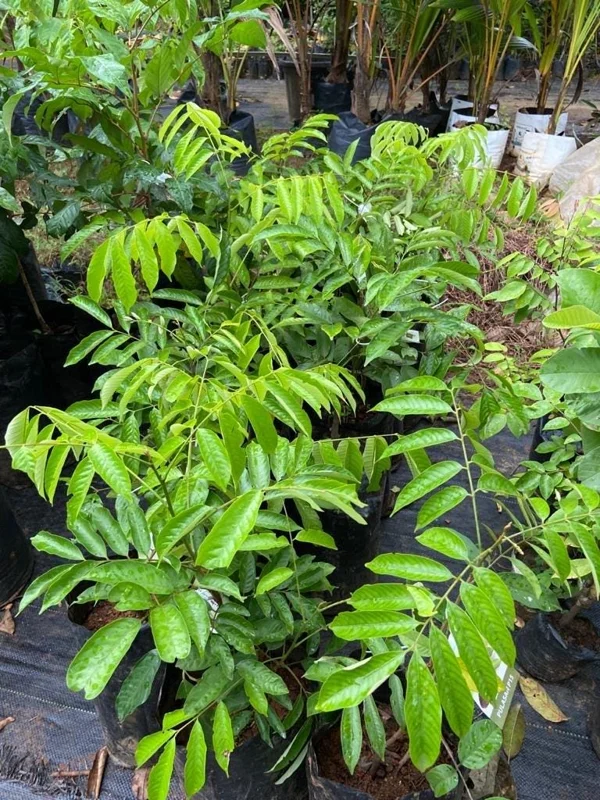
Pulasan Live Fruit Tree (Nephelium mutabile) – 30-38 inches Tall
$215.00
Bring home a unique tropical treasure with the pulasan live fruit tree. This Nephelium mutabile plant, standing 30-38 inches tall, offers exceptionally sweet and juicy fruits, a delightful relative to the rambutan. Enjoy its delicious pulp and edible, almond-flavored seeds.
Shipping and Return policies:
We stand behind our plants with our Alive & Thrive Guarantee. If you experience any issues within the first 30 days, please email us, and our team will be happy to help. When needed, we’ll send you a one-time replacement free of charge to make sure your garden keeps growing strong.

Reasonable Price
We offer reasonable price

Support 24/7
Contact us 24 hrs a day
100% Money Back
You’ve 30 days to Return
Payment Secure
100% secure payment
Overview
Introduce an exotic touch to your garden or patio with the magnificent pulasan live fruit tree. Scientifically known as Nephelium mutabile, the pulasan is a close relative of the more commonly known rambutan, but many connoisseurs consider its fruit to be even sweeter and juicier. This remarkable sweet tropical fruit tree is a must-have for anyone looking to cultivate unique and delicious produce. Originating from Southeast Asia, the pulasan plant is celebrated for its vibrant, spiny red fruits that hide a delectable, translucent flesh. Growing your own pulasan offers the unparalleled satisfaction of harvesting fresh, flavorful fruit directly from your garden. Its attractive foliage and distinctive fruit make it a beautiful and productive addition to any plant collection.
The pulasan fruit is a true culinary gem, offering a refreshing and aromatic experience. Unlike some similar fruits, the pulasan’s seed is not only edible but also boasts a pleasant almond-like flavor, adding another layer of enjoyment. This Nephelium mutabile plant is often sought after for its relatively easy care for a tropical fruit tree, making it accessible to a wider range of gardeners. Whether you’re an experienced horticulturist or a budding enthusiast, the prospect of growing your own pulasan fruit is incredibly exciting. Prepare to be enchanted by its rich flavor and the joy of nurturing this extraordinary plant.
Key Benefits
Cultivating a pulasan live fruit tree offers a multitude of benefits, from its unique fruit to its aesthetic appeal. This sweet tropical fruit tree is a fantastic choice for those seeking both beauty and bounty in their botanical endeavors. Here are some of the key advantages:
- Exquisite Flavor Profile: The pulasan fruit is renowned for its intensely sweet and juicy pulp, often described as superior to its rambutan cousin. Its refreshing taste makes it perfect for fresh consumption, jellies, or desserts.
- Edible Seeds: A distinctive feature of the pulasan is its edible seed, which has a delightful almond-like flavor. This provides an additional culinary use and a unique snack experience.
- Ornamental Value: Beyond its fruit, the Nephelium mutabile plant is an attractive specimen with lush green foliage and vibrant red fruits, adding a tropical aesthetic to any garden or patio.
- Homegrown Freshness: Enjoy the unparalleled taste of freshly picked, ripe pulasan fruit, free from pesticides and transportation stress, ensuring maximum flavor and nutritional value.
- Relative Ease of Care: For a tropical fruit tree, the pulasan is considered relatively manageable, making it a rewarding project for gardeners with some experience in tropical plant care.
- Unique Garden Addition: Stand out from the crowd by growing a less common yet highly prized tropical fruit. The pulasan live fruit tree is a conversation starter and a source of wonder.
Plant Care & Growing Tips
To ensure your pulasan live fruit tree thrives and produces abundant fruit, proper care is essential. This Nephelium mutabile plant requires specific conditions to flourish, typical of many tropical species. For optimal growth, pulasan trees prefer a warm, humid environment. They need plenty of sunlight, ideally full sun for at least 6-8 hours a day. If grown indoors or in a greenhouse, ensure it receives bright, direct light. In very hot climates, some afternoon shade can be beneficial to prevent leaf scorch, but generally, more light means more fruit.
When it comes to watering, consistency is key. The soil should be kept consistently moist but never waterlogged. Allow the top inch or two of soil to dry out slightly between waterings. Overwatering can lead to root rot, which is detrimental to the health of your pulasan live fruit tree. Well-draining soil is crucial; a rich, loamy soil with good organic matter content is ideal. A slightly acidic to neutral pH (6.0-7.0) is preferred. Fertilize regularly during the growing season (spring and summer) with a balanced, slow-release fertilizer or an organic fruit tree fertilizer. Reduce fertilization in fall and winter when growth slows.
Pulasan trees are tropical and are not tolerant of frost. They thrive in USDA zones 10-11, where temperatures rarely drop below 40°F (4°C). If you live in a cooler climate, consider growing your pulasan live fruit tree in a large container that can be moved indoors during colder months. Ensure good air circulation to prevent fungal diseases. Pruning should be done to maintain shape, remove dead or diseased branches, and encourage fruit production. Regularly inspect your pulasan fruit plant care routine to catch any pests or diseases early. Common issues like aphids or scale can be managed with horticultural oil or insecticidal soap.
Size & Details
This offering is for a vibrant pulasan live fruit tree, ranging from 30 to 38 inches in height. These young trees are well-rooted and ready to establish themselves in their new environment. Pulasan trees are moderate growers and can reach heights of 30-50 feet in their native habitat, but can be maintained at a more manageable size with regular pruning when grown in containers or smaller garden spaces. They typically begin bearing fruit within 3-5 years under ideal conditions. The fruit itself is roughly oval, about 1-2 inches long, and covered in short, soft, fleshy spines. The inner pulp is white or yellowish, sweet, and aromatic.
Your Nephelium mutabile plant will arrive carefully packaged to ensure its health during transit. It will be shipped as a potted plant, retaining its soil and root structure, which aids in a smoother transition to your garden or larger pot. While the initial size is 30-38 inches, expect steady growth with proper care. The mature canopy can spread significantly, so plan for adequate space if planting in the ground. For container growing, select a pot that is at least 15-20 gallons to allow for sufficient root development and growth of this edible seed fruit tree.
Frequently Asked Questions
- Q: How big does this plant get? A: This pulasan live fruit tree is currently 30-38 inches tall. In ideal tropical conditions, pulasan trees can grow up to 30-50 feet tall, but they can be kept smaller with pruning, especially when grown in containers.
- Q: What size pot does it come in? A: The plant will arrive in a nursery pot, typically 1-3 gallons, suitable for its current size, ready for transplanting into a larger container or directly into the ground.
- Q: Is this an indoor or outdoor plant? A: The pulasan live fruit tree is a tropical plant best suited for outdoor growing in USDA zones 10-11. In cooler climates, it can be grown outdoors during warm months and brought indoors as a potted plant when temperatures drop.
- Q: How much sunlight does it need? A: Pulasan trees thrive in full sun, requiring at least 6-8 hours of direct sunlight per day for optimal growth and fruit production. Ensure bright light if keeping it indoors.
- Q: Is this plant easy to care for? A: While tropical plants require specific conditions, the Nephelium mutabile plant is considered moderately easy to care for, especially for those familiar with tropical fruit tree cultivation. Consistent watering and proper sun exposure are key.
- Q: What condition will it arrive in? A: Your pulasan live fruit tree will arrive as a healthy, well-established potted plant, carefully packed to minimize stress during shipping and ensure it reaches you in excellent condition.
- Q: Can I make jelly from the pulasan fruit? A: Yes, the sweet and juicy pulp of the pulasan fruit is excellent for making delicious jellies and preserves, in addition to being enjoyed fresh.
- Q: How long until it blooms and fruits? A: Under optimal growing conditions, a young pulasan live fruit tree typically begins to flower and bear fruit within 3-5 years of planting.
- Q: What is special about the pulasan seed? A: Unlike many other fruits, the seed of the pulasan is edible and has a pleasant almond-like flavor, making this an interesting and unique edible seed fruit tree.
- Q: Will it survive winter in my zone? A: Pulasan trees are very sensitive to cold and will not survive frost. If you are outside of USDA zones 10-11, you will need to protect your pulasan fruit plant care by bringing it indoors during winter.
Be the first to review “Pulasan Live Fruit Tree (Nephelium mutabile) – 30-38 inches Tall”
You must be logged in to post a review.
People also Viewed
Sold 50 products
Original price was: $37.48.$23.98Current price is: $23.98.
Sold 50 products
$32.38
Sold 50 products
$27.38
Sold 50 products
$32.38
Sold 50 products
$19.88
Sold 50 products
$62.38
Sold 50 products
$24.88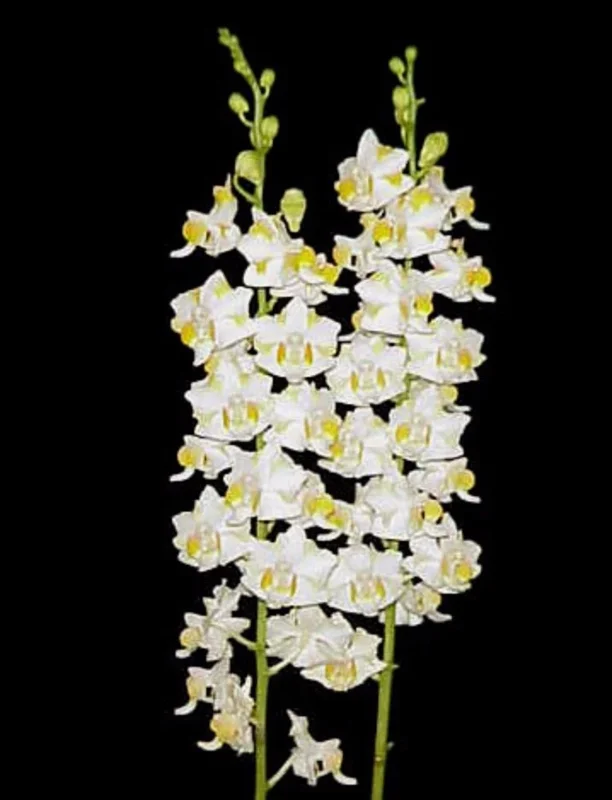
Houseplants
Phalaenopsis pulcherrima ‘Mauna Kea Snow’ Orchid Live Plant – White Flowers, Potted 2.5 in
Sold 50 products
$49.88RELATED posts
Awapuhi Wild Ginger Plant: Zones, Care, and Propagation
Learn which USDA zones suit awapuhi wild ginger, plus sunlight, water, planting, propagation, pests, size, [...]
Awapuhi Shampoo Ginger – Care, Growing Zones, and Differences
Learn how to grow awapuhi (shampoo) ginger, its USDA zones, watering schedule, propagation tips, and [...]
Awapuhi Shampoo Plant Buying Guide – Choose the Right Zingiber zerumbet
META: Learn which awapuhi (shampoo ginger) plant or rhizome pack gives the best natural shampoo, [...]
Awapuhi Plant for Sale: Complete Buying Guide
Find the right awapuhi (shampoo ginger) plant, size, price, soil mix, and online source. Practical [...]
Shampoo Ginger Plant for Sale – Buying Guide & Tips
Find the right shampoo ginger plant, size, price, and care tips. Quick guide for U.S. [...]
Shampoo Ginger Plant (Awapuhi) Care Guide
Learn how to grow, care for, and use shampoo ginger (Zingiber zerumbet), the tropical awapuhi [...]
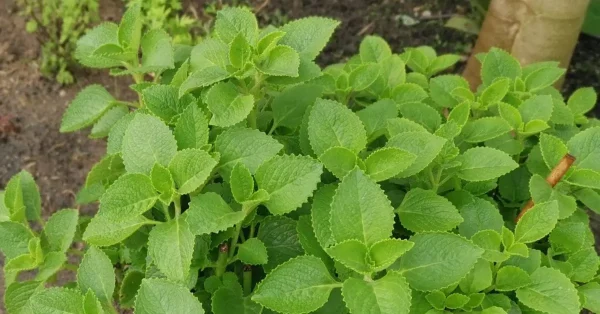
How to Grow Cuban Oregano Plants: A Complete Care Guide
If you’ve ever wanted a plant that combines the culinary punch of traditional oregano with [...]
Aug
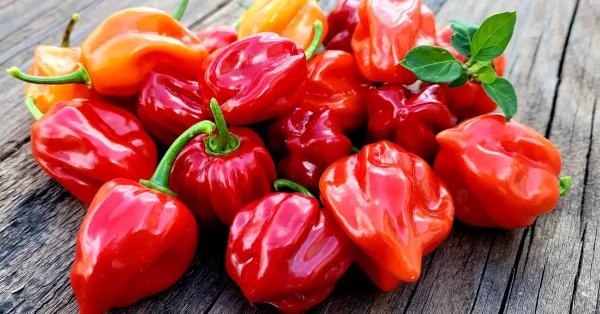
How to Grow Habanero Pepper Plants: A Step-by-Step Guide
Habanero pepper plants are prized for their vibrant colors, intense heat, and exceptional flavor, making [...]
Aug
Reviews
There are no reviews yet.