
Provence Lavender Live Plant – Aromatic French Herb – Starter Plug – Zones 5-9
Price range: $13.48 through $35.98
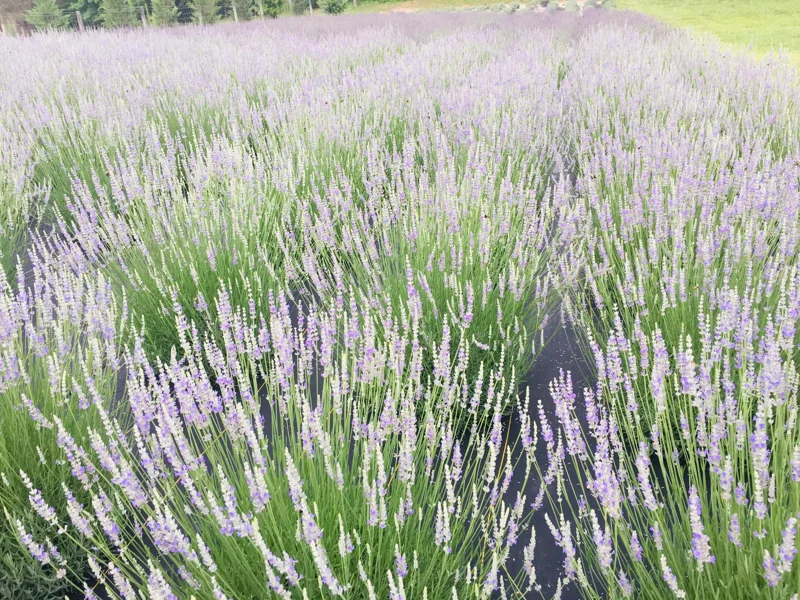
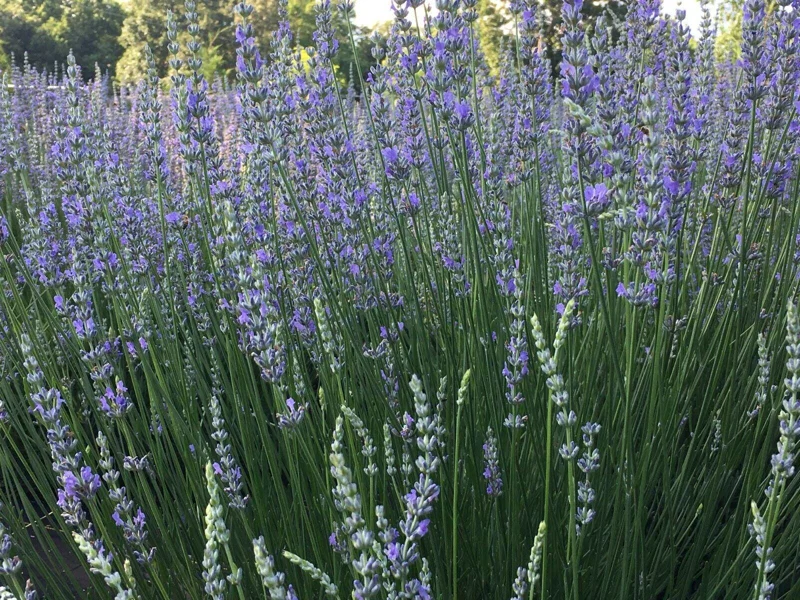
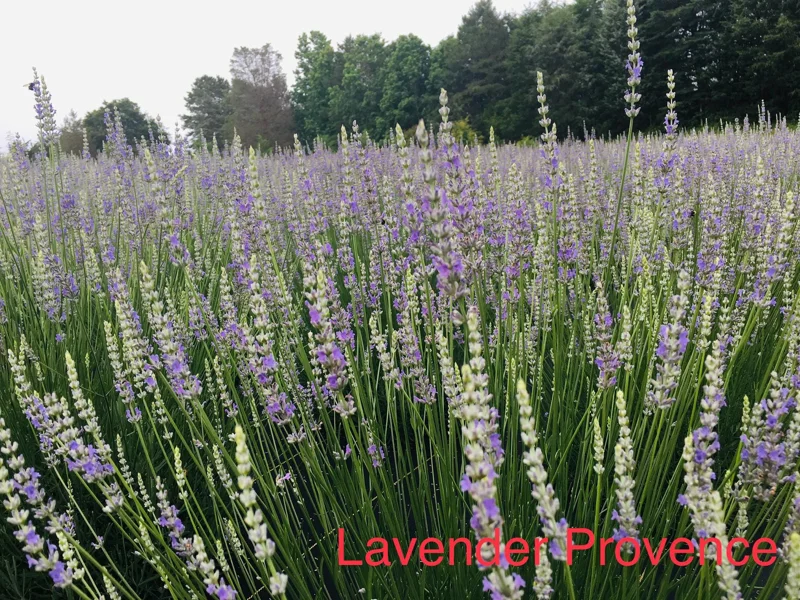
Bring the delightful scent of the French countryside to your garden with a provence lavender live plant. These well-rooted starter plugs are ready to transplant, offering beautiful light purple flowers and an intensely fragrant aroma. Ideal for zones 5-9, this drought-resistant perennial is perfect for creating aromatic landscapes or cut flower arrangements.
Shipping and Return policies:
We stand behind our plants with our Alive & Thrive Guarantee. If you experience any issues within the first 30 days, please email us, and our team will be happy to help. When needed, we’ll send you a one-time replacement free of charge to make sure your garden keeps growing strong.

Reasonable Price
We offer reasonable price

Support 24/7
Contact us 24 hrs a day
100% Money Back
You’ve 30 days to Return
Payment Secure
100% secure payment
Overview
Introduce the enchanting beauty and fragrance of a provence lavender live plant to your outdoor space. This vigorous and intensely aromatic herb, scientifically known as Lavandula x intermedia ‘Provence’, is a true garden gem. Our starter plugs provide a healthy foundation for you to cultivate these magnificent plants, ensuring they establish well whether in containers or directly in your landscape. Renowned for its strong, sweet scent and elegant light purple blooms, provence lavender live plant is a versatile perennial that adds charm and sensory delight to any garden setting. These plants are perfect for creating fragrant borders, adding to herb gardens, or providing beautiful, long-stemmed cut flowers that retain their aroma for weeks.
Cultivating french lavender plant is a rewarding experience, offering both visual appeal and a soothing fragrance. Originating from the sun-drenched regions of France, this particular cultivar is celebrated for its robust growth and drought tolerance once established. It’s an excellent choice for gardeners looking for a low-maintenance yet high-impact plant. Whether you’re an experienced horticulturist or just starting your gardening journey, the ‘Provence’ lavender is forgiving and adaptable, making it a popular choice for a wide range of climates and garden designs.
Key Benefits
A provence lavender live plant offers a multitude of benefits, enhancing both your garden and your well-being. Its iconic fragrance and beautiful blooms make it a standout choice for any landscape.
- Intense Aromatic Fragrance: The primary benefit of the provence lavender live plant is its rich, sweet, and intensely aromatic scent. This fragrance is not only pleasant for humans but also helps deter common garden pests, making it a natural and delightful addition to your garden. The scent is particularly strong when the leaves or flowers are brushed against, releasing a calming aroma.
- Beautiful Cut Flowers: With its long, sturdy stems and abundant light purple flowers, ‘Provence’ lavender is an outstanding choice for fresh or dried floral arrangements. The blooms hold their color and fragrance beautifully, making them perfect for crafting sachets, potpourri, or simply enjoying indoors.
- Drought-Resistant Perennial: Once established, this lavender variety is highly drought-tolerant, requiring minimal watering. This makes it an ideal plant for xeriscaping or for gardeners in arid regions, reducing the need for constant irrigation and conserving water. It reliably returns year after year, providing continuous beauty.
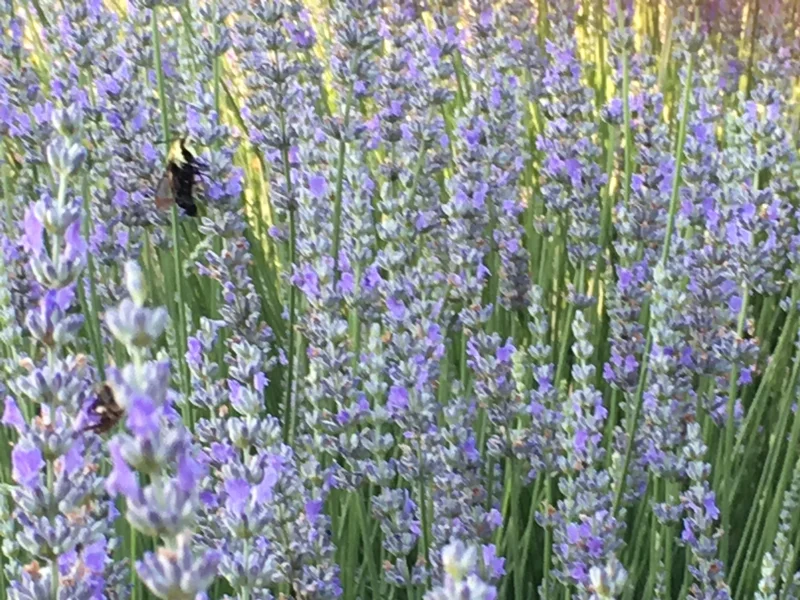
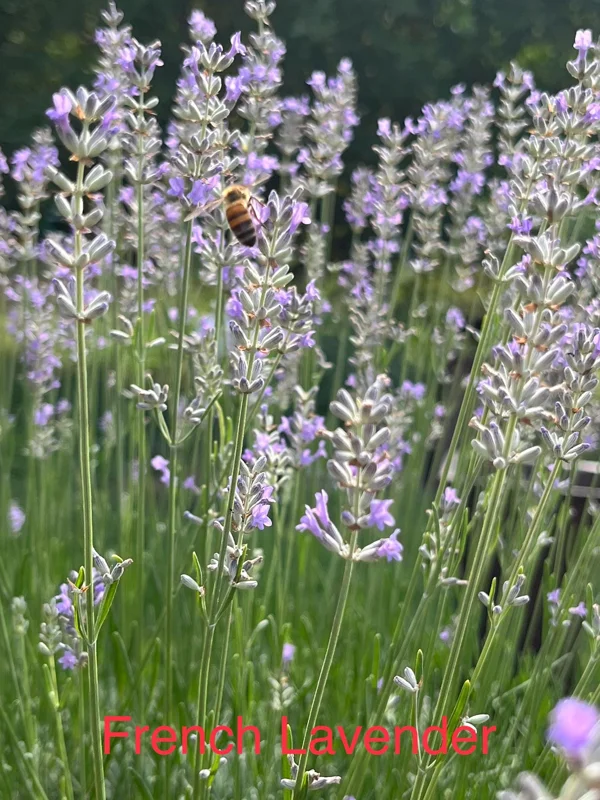
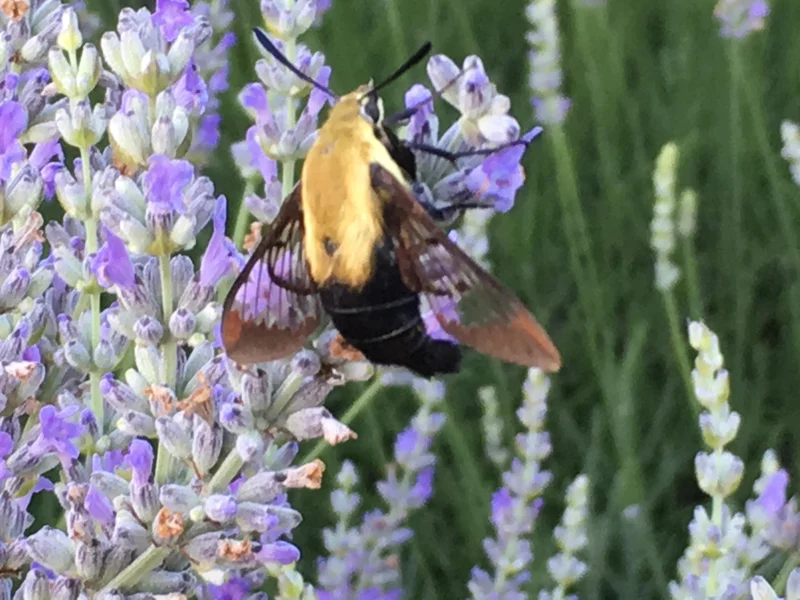
- Pollinator Magnet: The vibrant flowers of the french lavender plant are a magnet for beneficial pollinators such as bees and butterflies. Planting it can help support local ecosystems, encouraging biodiversity and aiding in the pollination of other plants in your garden.
- Versatile Landscape Use: This lavender is perfect for various garden applications, including borders, hedges, rock gardens, and container planting. Its upright growth habit and appealing foliage provide structure and texture, while the flowers add a splash of color and fragrance.
- Hardy and Resilient: Suitable for USDA Zones 5-9, the lavandula intermedia provence is a robust and resilient plant that can withstand a range of environmental conditions. Its hardiness ensures that it will thrive in many different climates, providing reliable performance.
- Culinary and Medicinal Uses: Beyond its ornamental value, lavender can be used in culinary dishes, teas, and for its calming properties in aromatherapy. The fragrant flowers and leaves are often incorporated into desserts, drinks, and herbal remedies.
Plant Care & Growing Tips
Caring for your provence lavender live plant is relatively straightforward, especially once it’s established. These plants thrive in conditions that mimic their Mediterranean origins. For optimal growth, ensure your lavender receives full sun, meaning at least 6-8 hours of direct sunlight per day. Good air circulation is also critical to prevent fungal issues, so avoid overcrowding when planting. When you receive your lavender plugs, they are well-rooted starter plants. If you plan to plant them in the landscape, it’s recommended to establish them in a 3-5 inch pot first to allow their root systems to strengthen further before transplanting outdoors.
The most important factor for success with french lavender plant is well-drained soil. Lavender dislikes wet feet, so amend heavy clay soils with sand or grit to improve drainage. A slightly alkaline soil pH is ideal. Water newly planted lavender regularly until established, typically for the first growing season. Once established, it is highly drought-tolerant and will only need watering during prolonged dry spells. Overwatering is a common cause of lavender decline. We recommend pinching your lavender 5-10 days after transplanting to your final container or garden spot. This encourages bushier growth and more flowers. After the main bloom, cut back the spent flower stalks and about one-third of the foliage to encourage compact growth and sturdy stems, which is essential for maintaining a healthy and attractive aromatic lavender herb. In colder zones, provide a layer of mulch around the base of the plant in late fall for winter protection.
While generally low-maintenance, keeping an eye out for common issues can help ensure your lavender plant care is effective. Pests are rarely a problem due to lavender’s strong scent, but occasional fungal issues can arise from excessive humidity or poor air circulation. Ensure proper spacing and avoid overhead watering. Fertilization is usually not necessary for lavender, as it thrives in lean soils. If your soil is very poor, a light application of a balanced, slow-release fertilizer in spring can be beneficial, but avoid high-nitrogen fertilizers that promote foliage at the expense of flowers. Proper pruning is key to a long-lived and beautiful lavender plant, preventing it from becoming woody and leggy.
Size & Details
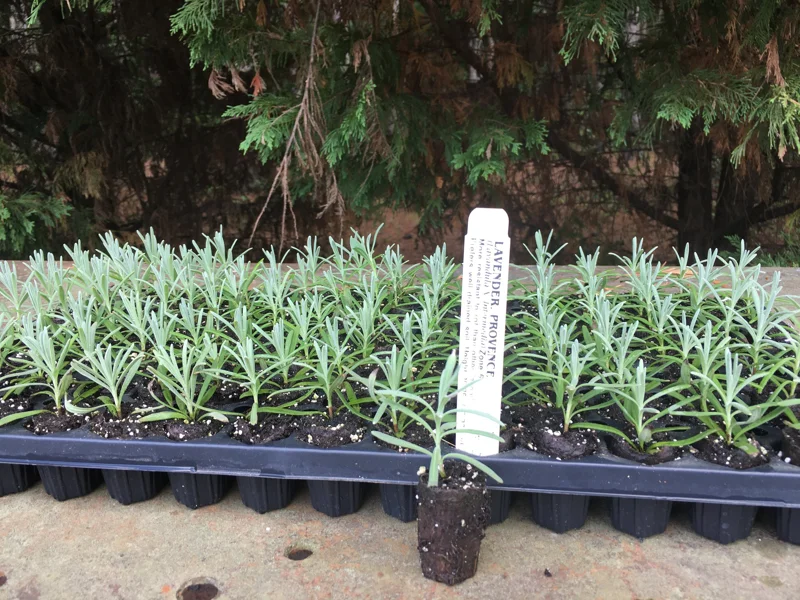
Our provence lavender live plant comes as a healthy, well-rooted starter plug, ready for transplanting. Each seedling is provided in a small plug-size container, typically measuring 1 inch by 1 inch by 1.5 inches. These are young seedlings, ideal for gardeners who enjoy nurturing plants from an early stage. While small upon arrival, these plugs are designed to quickly establish and grow into robust, full-sized plants with proper care. Expect your lavandula intermedia provence to mature into a bush typically reaching 2 to 3 feet in height and spread, creating a substantial and fragrant presence in your garden. The growth rate is moderate, with significant development occurring in the first year after transplanting. These plants are shipped with a strong, healthy root system, which is the most important feature for successful establishment.
The mature size of your aromatic lavender herb will depend on growing conditions, including sunlight, soil quality, and pruning practices. With adequate space and care, these plants will produce an abundance of long-stemmed, light purple flowers that are perfect for cutting or enjoying in the garden. The ‘Provence’ variety is known for its prolific blooming, typically flowering from late spring through summer. While the initial plugs are small, they are designed to be quite hardy and resilient, making the transition to your garden or larger container smooth and successful. You can choose from various pack options including 1 plant, 2 plants, 4 plants, or 8 plants to suit your gardening needs.
Frequently Asked Questions
- Q: How big does this provence lavender live plant get? A: Once mature, the ‘Provence’ lavender typically grows to be about 2 to 3 feet tall and equally wide, forming a beautiful, rounded bush. Its final size can vary slightly depending on growing conditions and pruning.
- Q: What size pot does it come in? A: Each french lavender plant is shipped as a well-rooted starter plug in a small container measuring approximately 1 inch x 1 inch x 1.5 inches. These are ideal for transplanting into larger pots or directly into your garden.
- Q: Is this an indoor or outdoor plant? A: This lavender is primarily an outdoor plant, thriving in full sun and well-drained soil. While it can be briefly brought indoors for specific purposes, it is best suited for garden beds, borders, or large outdoor containers.
- Q: How much sunlight does it need? A: Provence lavender live plant requires at least 6-8 hours of direct full sun per day to produce abundant flowers and maintain its intense fragrance. Insufficient light can lead to leggy growth and fewer blooms.
- Q: Is this plant easy to care for? A: Yes, lavender plant care for ‘Provence’ lavender is considered easy once established. It is drought-tolerant and generally pest-free, making it a low-maintenance choice for many gardeners. The main requirements are full sun and excellent drainage.
- Q: What condition will it arrive in? A: Your aromatic lavender herb will arrive as a healthy, well-rooted starter plug. While some yellowing of leaves can occur during transit due to lack of light, the plant’s strong root system ensures quick recovery and new growth once planted.
- Q: When is the best time to plant lavandula intermedia provence? A: The best time to plant ‘Provence’ lavender is in spring after the last frost, or in early fall in warmer climates. This allows the plant to establish its root system before extreme temperatures.
- Q: Will it survive winter in my zone? A: This lavender variety is hardy in USDA Zones 5-9. In zone 5, it may benefit from winter protection like a layer of mulch. In warmer zones, it is reliably perennial.
- Q: Can I use this lavender for culinary purposes? A: Yes, ‘Provence’ lavender flowers and leaves can be used in culinary applications, such as teas, baked goods, and savory dishes. Ensure the plant has not been treated with harmful pesticides if intended for consumption.
- Q: How often should I water my newly planted lavender? A: Water newly planted lavender plugs regularly, about 2-3 times a week, until they are well-established, usually for the first growing season. After that, it becomes very drought-tolerant and requires minimal supplemental watering.
| Pack size | 1 Plant, 2 Plants, 4 Plants |
|---|
Be the first to review “Provence Lavender Live Plant – Aromatic French Herb – Starter Plug – Zones 5-9”
You must be logged in to post a review.
People also Viewed
Sold 50 products
$32.38
Sold 50 products
$27.38
Sold 50 products
$32.38
Sold 50 products
$19.88
Sold 50 products
$62.38
Sold 50 products
$24.88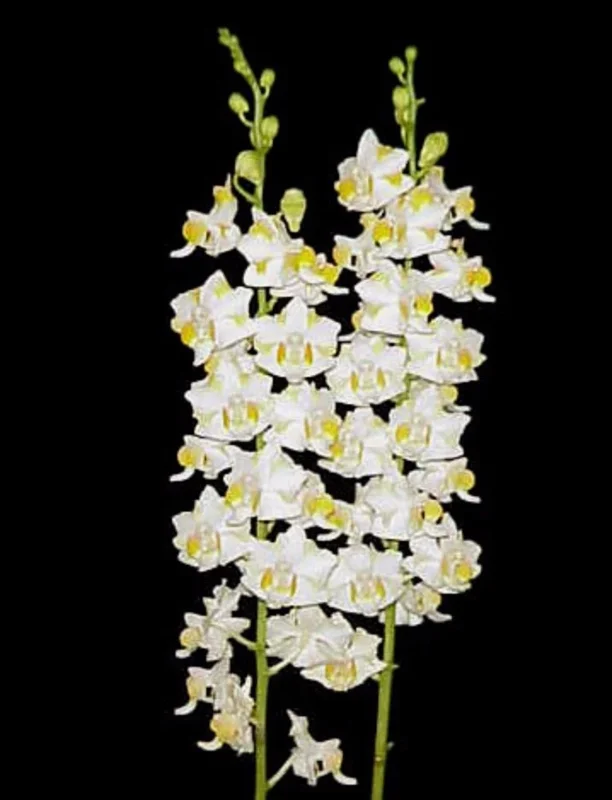
Houseplants
Phalaenopsis pulcherrima ‘Mauna Kea Snow’ Orchid Live Plant – White Flowers, Potted 2.5 in
Sold 50 products
$49.88
Sold 50 products
$49.88RELATED posts
Awapuhi Wild Ginger Plant: Zones, Care, and Propagation
Learn which USDA zones suit awapuhi wild ginger, plus sunlight, water, planting, propagation, pests, size, [...]
Awapuhi Shampoo Ginger – Care, Growing Zones, and Differences
Learn how to grow awapuhi (shampoo) ginger, its USDA zones, watering schedule, propagation tips, and [...]
Awapuhi Shampoo Plant Buying Guide – Choose the Right Zingiber zerumbet
META: Learn which awapuhi (shampoo ginger) plant or rhizome pack gives the best natural shampoo, [...]
Awapuhi Plant for Sale: Complete Buying Guide
Find the right awapuhi (shampoo ginger) plant, size, price, soil mix, and online source. Practical [...]
Shampoo Ginger Plant for Sale – Buying Guide & Tips
Find the right shampoo ginger plant, size, price, and care tips. Quick guide for U.S. [...]
Shampoo Ginger Plant (Awapuhi) Care Guide
Learn how to grow, care for, and use shampoo ginger (Zingiber zerumbet), the tropical awapuhi [...]
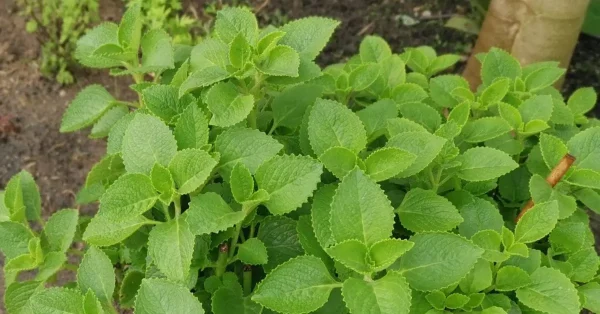
How to Grow Cuban Oregano Plants: A Complete Care Guide
If you’ve ever wanted a plant that combines the culinary punch of traditional oregano with [...]
Aug
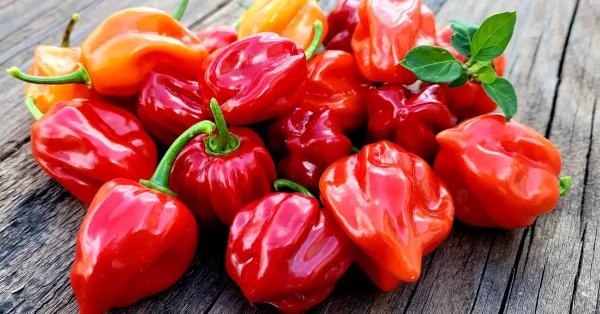
How to Grow Habanero Pepper Plants: A Step-by-Step Guide
Habanero pepper plants are prized for their vibrant colors, intense heat, and exceptional flavor, making [...]
Aug
Reviews
There are no reviews yet.