

Prickly Pear Cactus Seeds – Opuntia ficus-indica Edible Fruit Cactus
Original price was: $25.00.$17.50Current price is: $17.50.
Cultivate your own vibrant prickly pear cactus seeds (Opuntia ficus-indica) from scratch. These seeds grow into resilient, drought-tolerant plants offering beautiful flowers and delicious, nutritious edible fruits. Perfect for arid gardens or unique container growing.
Shipping and Return policies:
We stand behind our plants with our Alive & Thrive Guarantee. If you experience any issues within the first 30 days, please email us, and our team will be happy to help. When needed, we’ll send you a one-time replacement free of charge to make sure your garden keeps growing strong.

Reasonable Price
We offer reasonable price

Support 24/7
Contact us 24 hrs a day
100% Money Back
You’ve 30 days to Return
Payment Secure
100% secure payment
Overview
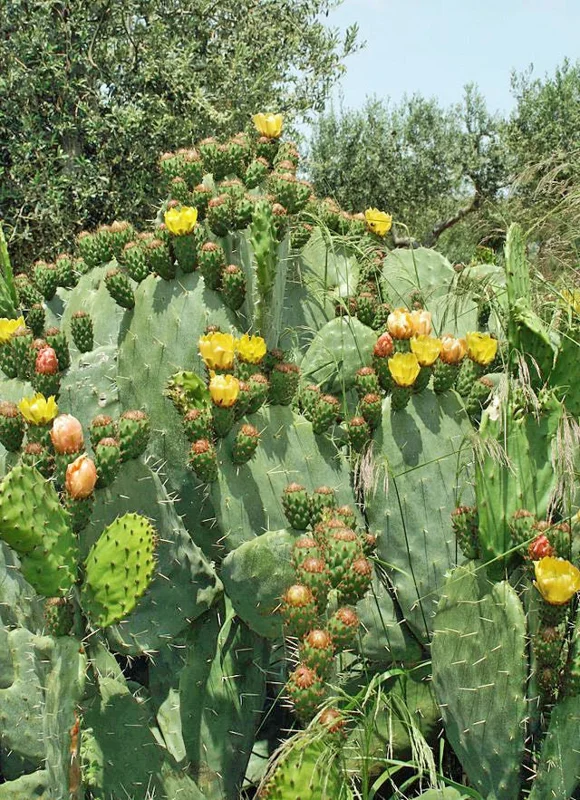
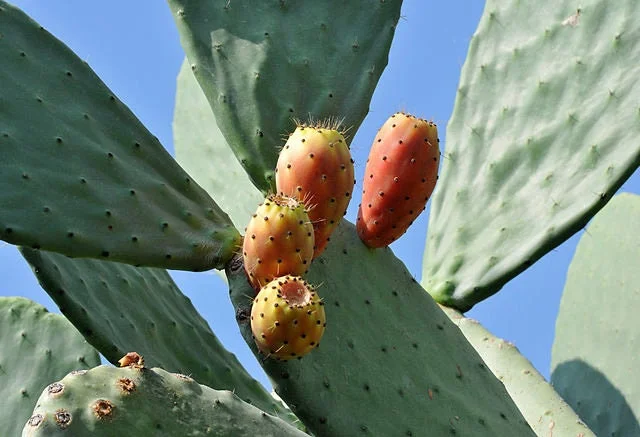
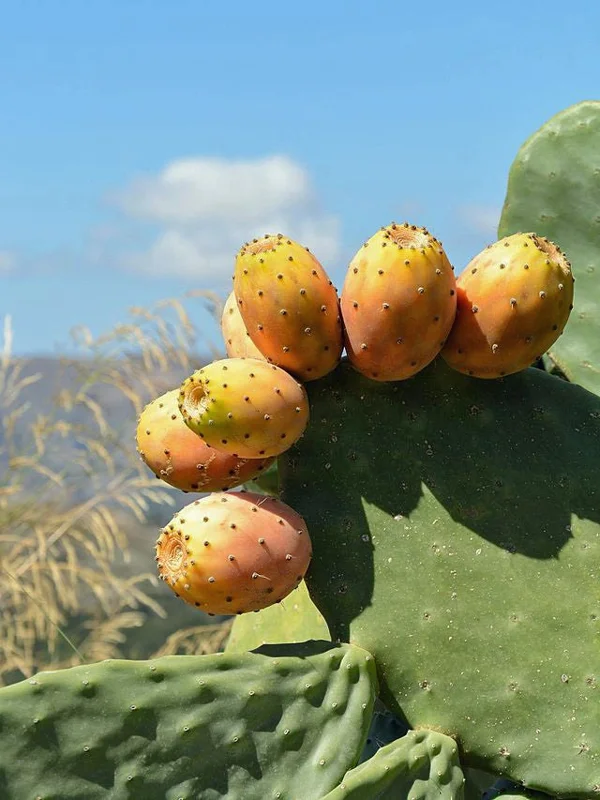
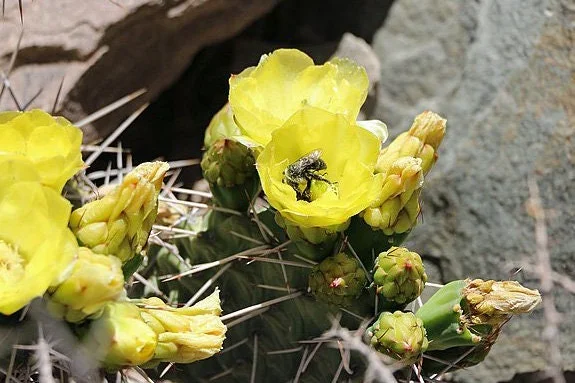
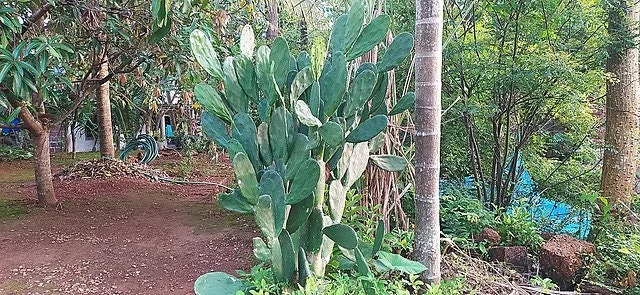
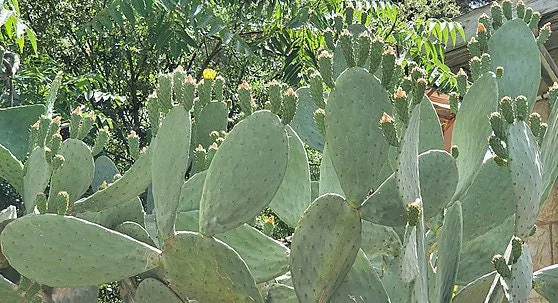
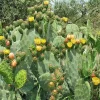
Embark on a rewarding gardening journey by cultivating prickly pear cactus seeds. This offering provides high-quality seeds of Opuntia ficus-indica, a species renowned for its striking appearance and valuable edible fruits. Commonly known as the Cactus Pear or Indian Fig Opuntia, this magnificent cactus is native to Mexico and thrives in arid and semi-arid regions globally. Growing up to 3-5 meters (10-16 feet) tall, it features distinctive flattened, paddle-like stems called cladodes, covered with small, barbed spines known as glochids. The plant produces large, showy flowers in shades of yellow, orange, or red, which bloom in spring and early summer. These flowers give way to the highly sought-after edible fruits, known as prickly pears or tunas, which are typically red, orange, or yellow when ripe. These opuntia ficus-indica seeds offer the opportunity to grow a plant that is not only visually stunning but also provides a source of nutritious, antioxidant-rich fruit.
Whether you’re an experienced gardener looking for a unique addition or a beginner eager to try something different, these prickly pear cactus seeds are an excellent choice. They are perfect for creating a desert-themed garden, adding architectural interest to your landscape, or even growing in large containers on patios. The resulting plants are extremely hardy and low-maintenance once established, making them a sustainable option for various climates. With proper care and attention during germination, you can successfully grow prickly pear cactus and enjoy its many benefits for years to come.
Key Benefits
Growing Opuntia ficus-indica from seed offers numerous advantages, from aesthetic appeal to practical uses. These resilient plants are a fantastic choice for sustainable gardening and provide a unique visual interest. Embrace the opportunity to cultivate these versatile cacti and enjoy their many offerings.
- Edible & Nutritious Fruit: The primary benefit of growing this cactus is its delicious and healthful fruit, the prickly pear. Rich in vitamins, antioxidants, and fiber, these fruits can be enjoyed fresh, juiced, or used in preserves. Cultivating edible cactus seeds allows you to harvest fresh, organic produce directly from your garden.
- Drought Tolerance: Opuntia ficus-indica is exceptionally drought-tolerant, making it an ideal choice for xeriscaping or gardens in dry regions. Once established, it requires minimal watering, significantly reducing water consumption compared to many other plants.
- Striking Ornamental Value: With its unique paddle-like cladodes, vibrant flowers, and colorful fruits, the prickly pear cactus adds dramatic architectural interest and a touch of exotic beauty to any landscape or large container.
- Soil Conservation: Beyond its agricultural significance, this cactus plays a crucial role in soil conservation, helping to prevent erosion in arid environments due to its extensive root system.
- Low Maintenance: Once established, the prickly pear cactus is remarkably low-maintenance, requiring minimal pruning, pest control, or fertilization, making it perfect for busy gardeners.
- Wildlife Habitat: The plant’s flowers attract pollinators like bees, and its fruits can provide food for local wildlife, contributing to biodiversity in your garden.
- Versatile Use: Besides fruit production, the cladodes (nopales) are also edible when young and can be prepared in various culinary dishes, offering a unique vegetable option.
Plant Care & Growing Tips
Successfully germinating and growing prickly pear cactus seeds requires understanding their natural desert habitat. The seeds have a hard outer coat that benefits from scarification, which can be achieved by lightly sanding the seed surface or soaking them in warm water for 24 hours. This process softens the coat and enhances water absorption, crucial for successful germination. After scarification, sow the seeds in a well-draining cactus or succulent soil mix. A good mix typically combines sand, perlite, and a small amount of organic matter to ensure excellent drainage and aeration. Plant the seeds just beneath the soil surface, barely covering them, as they require light to germinate effectively.
Maintaining a warm environment with temperatures around 21-27°C (70-80°F) is crucial for successful germination. Keep the soil lightly moist but never waterlogged; excessive moisture can lead to rot. Providing bright, indirect light will help stimulate growth and ensure strong, healthy seedlings. Germination can be a slow process, taking anywhere from a few weeks to several months, so patience is essential when you grow prickly pear. Once the seedlings emerge, gradually acclimate them to direct sunlight over several weeks. Reduce watering frequency as they mature, encouraging them to develop strong, drought-resistant roots. For established plants, ensure full sun exposure (at least 6-8 hours of direct sunlight daily) and well-draining soil. Fertilize sparingly with a low-nitrogen cactus fertilizer during the growing season (spring and summer).
The prickly pear cactus is hardy in USDA Zones 9-11, tolerating temperatures down to about 20°F (-6°C) for short periods. In colder climates, it can be grown in containers and brought indoors during winter or treated as an annual. Protect young plants from extreme cold. While generally pest-resistant, watch for mealybugs or scale insects, treating them with insecticidal soap if necessary. Proper air circulation and avoiding overwatering are the best defenses against fungal issues. Following these guidelines will help your cactus pear seeds flourish into robust, fruit-bearing plants.
Size & Details
These opuntia ficus-indica seeds will grow into a large, perennial cactus species. Mature plants typically reach heights of 3-5 meters (10-16 feet) and can spread significantly, forming dense clumps of cladodes. The growth rate is moderate, with plants often beginning to produce fruit within 2-3 years under optimal conditions. The seeds are shipped in a protective packet, ready for scarification and planting. While initial growth from edible cactus seeds can be slow, established plants are robust and long-lived, providing years of ornamental beauty and delicious fruit.
Each seed has the potential to develop into a full-sized prickly pear cactus, making this an economical way to establish multiple plants for a large garden or orchard. The fruits, also known as tunas, typically ripen in late summer to fall, displaying vibrant red, orange, or yellow hues. The exact size and yield of the fruit can vary based on growing conditions, climate, and plant age. Expect a rewarding, long-term project when you choose to grow prickly pear from these high-quality seeds.
Frequently Asked Questions
- Q: How big does this plant get from these prickly pear cactus seeds? A: The prickly pear cactus (Opuntia ficus-indica) can grow quite large, typically reaching heights of 10 to 16 feet (3-5 meters) and spreading wide. It forms a substantial, tree-like or shrub-like structure over time.
- Q: Is this an indoor or outdoor plant? A: This cactus is primarily an outdoor plant, thriving in full sun in USDA Zones 9-11. In colder climates, it can be grown in large containers and moved indoors to a sunny spot during winter months.
- Q: How much sunlight does it need? A: Opuntia ficus-indica requires full sun exposure, meaning at least 6-8 hours of direct sunlight per day, to grow vigorously and produce abundant fruit.
- Q: Is this plant easy to care for? A: While germination of opuntia ficus-indica seeds requires some initial attention, established prickly pear cacti are very low-maintenance, being extremely drought-tolerant and resilient. They are suitable for gardeners of all experience levels.
- Q: What condition will the seeds arrive in? A: The cactus pear seeds will arrive in a protective packet, ready for you to begin the scarification and planting process. They are dormant and require specific conditions to germinate.
- Q: Can I really eat the fruit from these edible cactus seeds? A: Yes, the fruits (prickly pears or tunas) produced by Opuntia ficus-indica are highly edible and nutritious. The young pads (nopales) are also edible when properly prepared.
- Q: How long until the plant blooms and produces fruit? A: From prickly pear cactus seeds, it typically takes about 2-3 years for the plant to mature enough to begin flowering and producing fruit, depending on growing conditions.
- Q: When is the best time to plant these seeds? A: The best time to plant these seeds is in spring or early summer, after the last frost, to give the seedlings ample time to establish before cooler weather.
- Q: Will these cactus pear seeds survive winter in my zone? A: Established Opuntia ficus-indica plants are hardy in USDA Zones 9-11. If you are in a colder zone, you will need to protect the plant from freezing temperatures, either by bringing it indoors or providing significant winter protection.
- Q: What type of soil is best for growing prickly pear cactus? A: A well-draining cactus or succulent soil mix is essential. This can be a blend of sand, perlite, and a small amount of organic matter to prevent waterlogging.
Be the first to review “Prickly Pear Cactus Seeds – Opuntia ficus-indica Edible Fruit Cactus”
You must be logged in to post a review.
People also Viewed
Sold 50 products
Original price was: $109.95.$79.98Current price is: $79.98.
Sold 50 products
Original price was: $25.00.$17.50Current price is: $17.50.
Flower Seeds
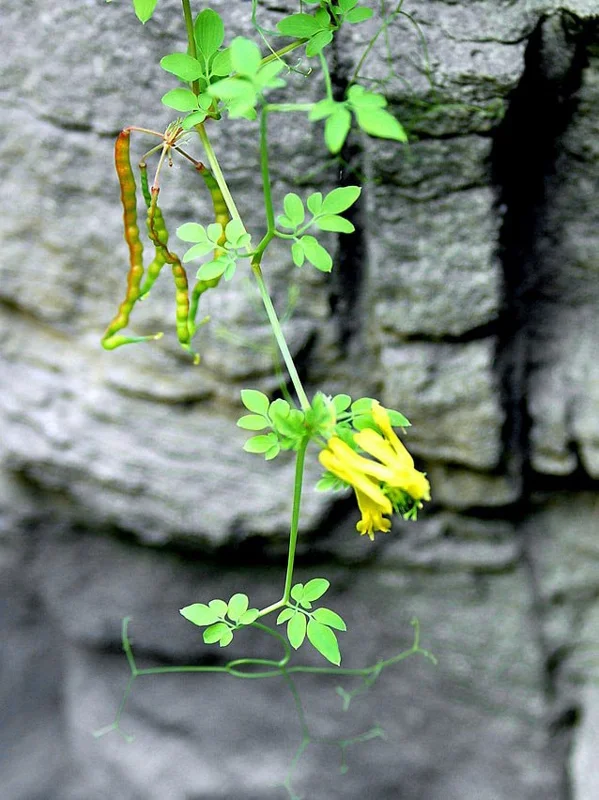
Olympic Onion Seeds – Allium crenulatum Flower Seeds – 10 Seed Pack – Outdoor Native Plant
Sold 50 products
Original price was: $25.00.$17.50Current price is: $17.50.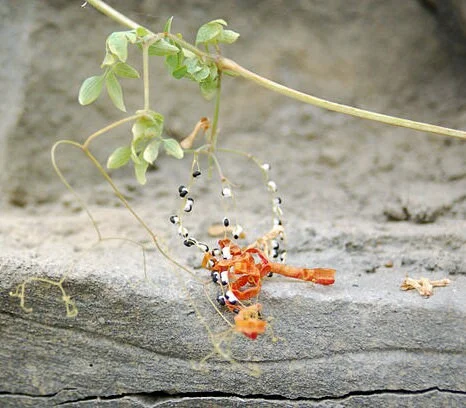
Sold 50 products
Original price was: $25.00.$17.50Current price is: $17.50.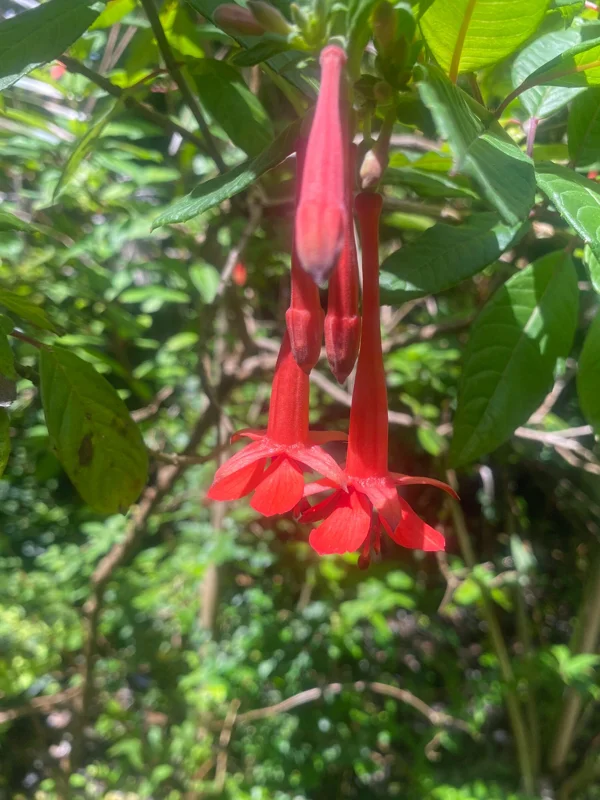
Flower Seeds
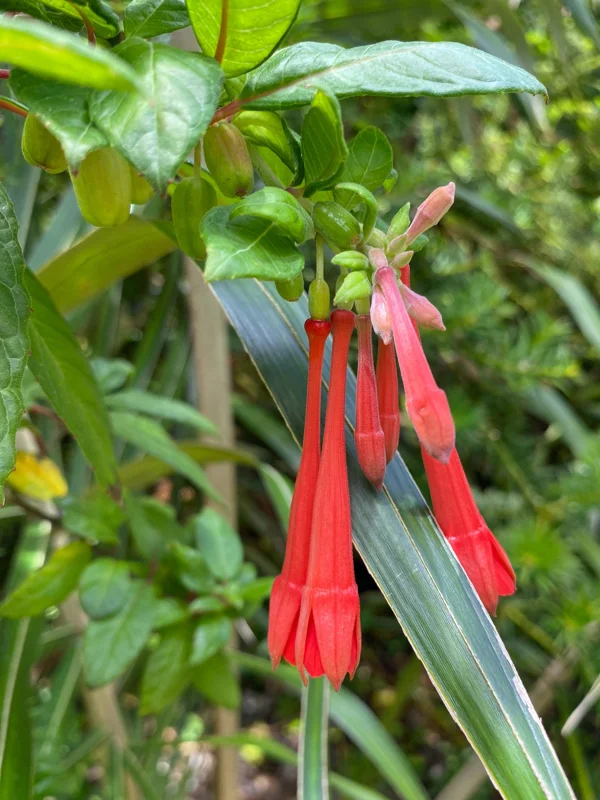
Fuchsia vulcanica Seeds – 20 Pack – Vibrant Orange Coral Flowers for Garden & Containers
Sold 50 products
Original price was: $25.00.$17.50Current price is: $17.50.
Sold 50 products
Original price was: $116.98.$95.68Current price is: $95.68.
Sold 50 products
Original price was: $21.00.$14.10Current price is: $14.10.
Aquatic Plant Seeds
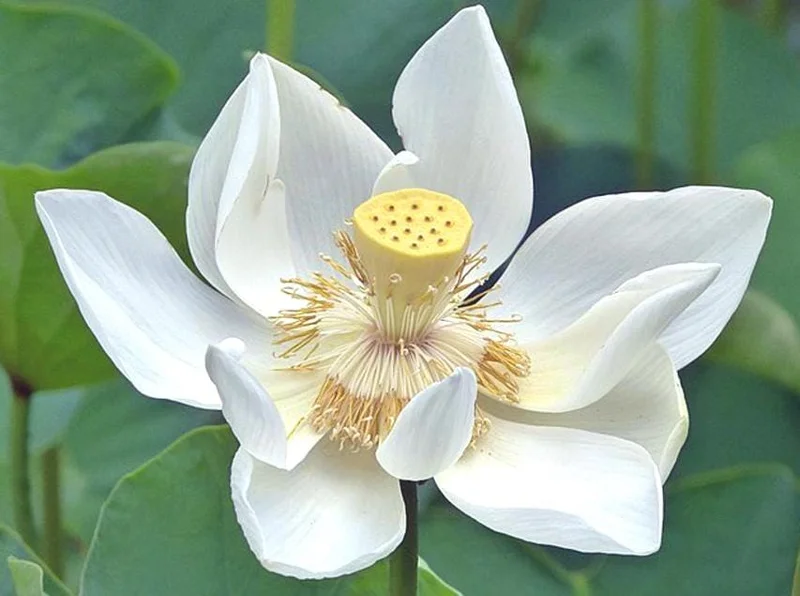
White Lotus Seeds – Nelumbo Nucifera Aquatic Pond Plant – 5 Seeds for Water Garden
Sold 50 products
Original price was: $29.00.$20.90Current price is: $20.90.RELATED posts
Awapuhi Wild Ginger Plant: Zones, Care, and Propagation
Learn which USDA zones suit awapuhi wild ginger, plus sunlight, water, planting, propagation, pests, size, [...]
Awapuhi Shampoo Ginger – Care, Growing Zones, and Differences
Learn how to grow awapuhi (shampoo) ginger, its USDA zones, watering schedule, propagation tips, and [...]
Awapuhi Shampoo Plant Buying Guide – Choose the Right Zingiber zerumbet
META: Learn which awapuhi (shampoo ginger) plant or rhizome pack gives the best natural shampoo, [...]
Awapuhi Plant for Sale: Complete Buying Guide
Find the right awapuhi (shampoo ginger) plant, size, price, soil mix, and online source. Practical [...]
Shampoo Ginger Plant for Sale – Buying Guide & Tips
Find the right shampoo ginger plant, size, price, and care tips. Quick guide for U.S. [...]
Shampoo Ginger Plant (Awapuhi) Care Guide
Learn how to grow, care for, and use shampoo ginger (Zingiber zerumbet), the tropical awapuhi [...]
How to Grow Cuban Oregano Plants: A Complete Care Guide
If you’ve ever wanted a plant that combines the culinary punch of traditional oregano with [...]
Aug
How to Grow Habanero Pepper Plants: A Step-by-Step Guide
Habanero pepper plants are prized for their vibrant colors, intense heat, and exceptional flavor, making [...]
Aug

Reviews
There are no reviews yet.