
Prairie Trillium Bulbs – Purple/Red Wood Lily – 10 Bulbs – Outdoor Perennial
Original price was: $41.30.$25.30Current price is: $25.30.
Enhance your garden with a pack of Prairie Trillium bulbs. These striking purple/red wood lilies bring elegant beauty to shaded areas and woodland settings. Perfect for naturalizing and creating a serene, captivating landscape.
Shipping and Return policies:
We stand behind our plants with our Alive & Thrive Guarantee. If you experience any issues within the first 30 days, please email us, and our team will be happy to help. When needed, we’ll send you a one-time replacement free of charge to make sure your garden keeps growing strong.

Reasonable Price
We offer reasonable price

Support 24/7
Contact us 24 hrs a day
100% Money Back
You’ve 30 days to Return
Payment Secure
100% secure payment
Overview
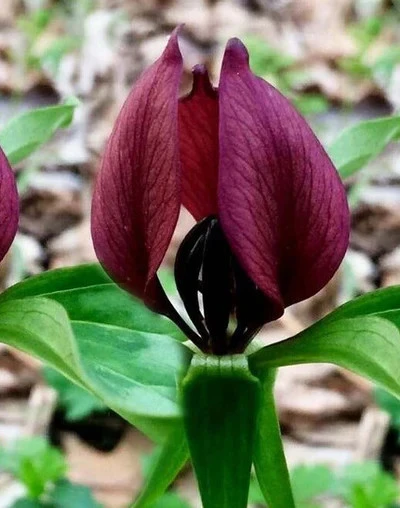
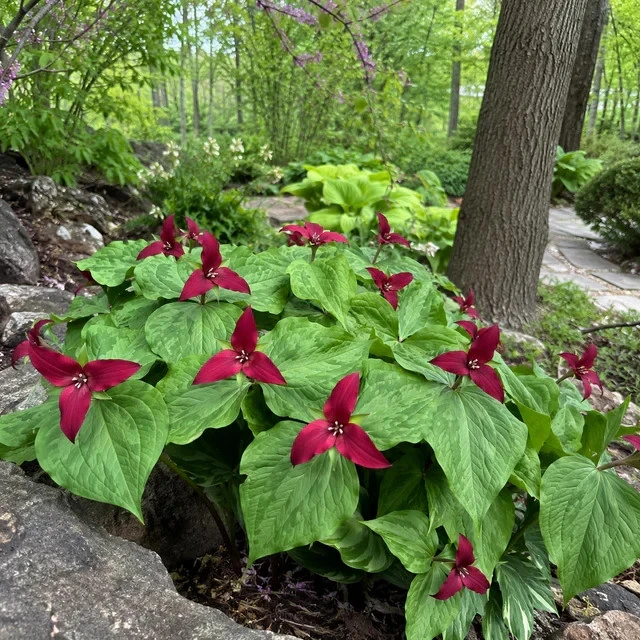
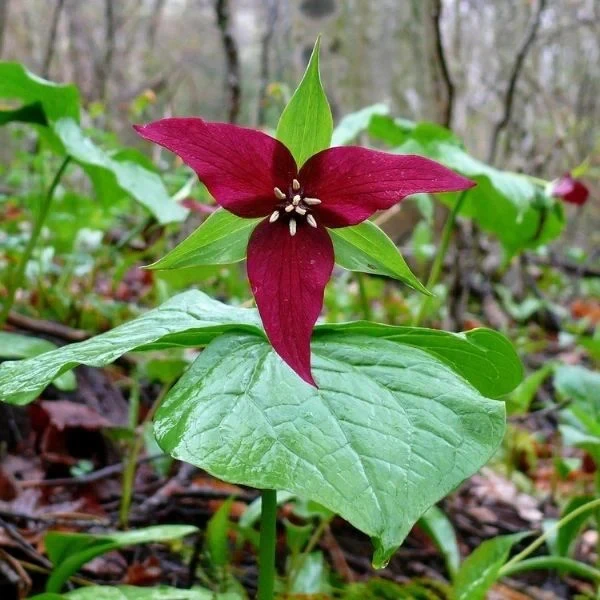
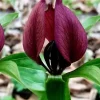
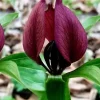
Introduce a touch of natural elegance to your garden with these exquisite Prairie Trillium bulbs. Known botanically as Trillium recurvatum, this captivating perennial is often referred to as the Purple Wood Lily or Red Trillium due to its distinctively colored petals. Each bulb promises to unfurl into a beautiful, three-petaled flower, typically displaying deep purple to reddish-brown hues that stand out against its mottled, three-leafed foliage. Ideal for woodland gardens, shaded borders, or naturalized areas, these trilliums are a true delight for any gardener seeking to cultivate a serene and visually rich outdoor space. They are a wonderful choice for adding early spring color and a unique texture to your landscape, creating an enchanting display as they emerge from dormancy.
The Prairie Trillium bulbs are an excellent way to establish a long-lasting, low-maintenance floral presence in suitable environments. These hardy plants thrive in conditions that mimic their native woodland habitats, making them perfectly suited for planting beneath deciduous trees or in areas with dappled sunlight. Their unique appearance and ease of care make them a favored choice among both novice and experienced gardeners. Enjoy the subtle charm and enduring beauty these wood lilies bring to your garden year after year, transforming ordinary spaces into vibrant botanical havens.
Key Benefits
Planting Prairie Trillium bulbs offers numerous advantages, enriching your garden with their distinctive beauty and ecological benefits. These plants are celebrated for their unique aesthetic and their ability to thrive in specific garden settings.
- Unique Aesthetic Appeal: The deep purple to reddish-brown flowers of the Prairie Trillium bulbs, combined with their striking mottled leaves, provide a visually captivating element to any garden. They offer a distinctive look that sets them apart from more common spring bloomers, adding an air of sophistication.
- Thrives in Shade: Unlike many flowering plants that demand full sun, the Prairie Trillium flourishes in shaded or partially shaded environments. This makes them perfect for brightening up underutilized areas beneath trees or along north-facing walls, where other plants might struggle.
- Low Maintenance Perennial: Once established, these wood lilies require minimal care. They are resilient and return year after year, providing continuous beauty without the need for annual replanting, making them an excellent long-term investment for your garden.
- Naturalizes Easily:Prairie Trillium bulbs are known for their ability to naturalize, meaning they will spread and multiply over time, creating larger colonies and an even more impressive display. This makes them ideal for woodland gardens and wilder landscape designs.
- Attracts Pollinators: While subtle, their unique flowers attract certain early spring pollinators, contributing to the biodiversity and health of your garden ecosystem. They play a small but important role in supporting local insect populations.
- Deer Resistant: Generally, Trilliums are not a favored food source for deer, making them a good choice for gardens in areas where deer browsing is a concern. Enjoy their beauty without the worry of them being eaten.
Plant Care & Growing Tips
Caring for your Prairie Trillium bulbs is straightforward, especially when you understand their preferred growing conditions. These woodland natives thrive in environments that mimic their natural habitat. Plant them in a location that receives partial to full shade, ideally under deciduous trees where they get some sun before the canopy leafs out, and then filtered light or deep shade during summer. Avoid direct, intense afternoon sun, which can scorch their delicate leaves. The soil should be rich in organic matter, consistently moist but well-draining. A slightly acidic to neutral pH is generally preferred.
When planting, ensure the soil is loose and friable. Dig a hole approximately 4-6 inches deep, placing the Prairie Trillium bulbs with the pointed end (where the stem will emerge) facing upwards. Space bulbs about 6-8 inches apart to allow for future growth and naturalization. After planting, water thoroughly to settle the soil around the bulbs. During active growth in spring, maintain consistent soil moisture, but avoid waterlogging, which can lead to rot. Once dormant in summer, they can tolerate drier conditions. A layer of leaf mold or compost applied in the fall will provide nutrients and help retain moisture, mimicking their natural forest floor environment. Protecting them from strong winds can also be beneficial, especially during their delicate blooming period. Following this Trillium planting guide will ensure your plants flourish.
Size & Details
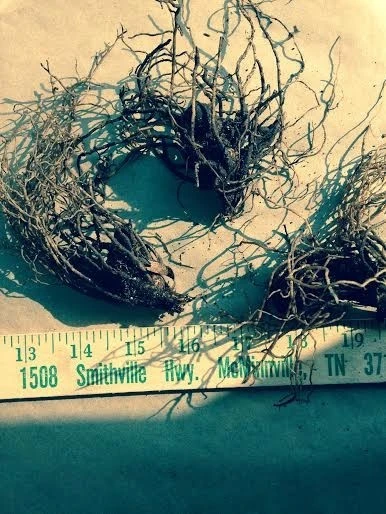
This offering includes 10 Prairie Trillium bulbs, ready for planting. Each bulb is carefully selected to ensure viability and robust growth. When mature, the Trillium recurvatum typically reaches a height of 8-16 inches (20-40 cm), forming an elegant clump. The flowers, appearing in early to mid-spring, are usually 1-2 inches (2.5-5 cm) across, showcasing their distinctive purple to reddish-brown petals. These plants have a moderate growth rate and will gradually spread over several years, creating a beautiful groundcover effect in suitable conditions. They are shipped as dormant bulbs, which is the ideal state for planting and establishment. Expect blooms to appear the first spring after planting, with more vigorous displays in subsequent years as they become established. This Red Trillium variety is a fantastic addition for creating a long-lasting, naturalized aesthetic.
Frequently Asked Questions
- Q: How big do these Prairie Trillium plants get? A: Mature Prairie Trillium bulbs typically grow to a height of 8 to 16 inches (20-40 cm) with a similar spread. Their size can vary slightly depending on environmental conditions and soil quality.
- Q: Is this an indoor or outdoor plant? A: The Prairie Trillium bulbs are specifically for outdoor planting. They are woodland perennials that require a period of dormancy and specific outdoor conditions to thrive.
- Q: How much sunlight does it need? A: These wood lilies prefer partial to full shade. They do best in dappled light or areas that receive morning sun and afternoon shade, especially during the hot summer months.
- Q: Is this plant easy to care for? A: Yes, once established, the Prairie Trillium bulbs are considered low-maintenance. They are quite resilient and will return year after year with minimal intervention, making them great for beginners.
- Q: What condition will the bulbs arrive in? A: The Prairie Trillium bulbs will arrive dormant and ready for planting. This is the optimal state for successful establishment in your garden.
- Q: When is the best time to plant Prairie Trillium bulbs? A: The ideal time for planting Prairie Trillium bulbs is in the fall, allowing them to establish roots before winter and emerge vigorously in the spring. Spring planting is also possible, but fall is generally preferred.
- Q: Will it survive winter in my zone? A: Prairie Trillium is a hardy perennial suitable for USDA Zones 4-9. It requires a cold dormancy period to thrive, making it well-suited for temperate climates.
- Q: What kind of soil is best for a woodland garden plants like Trillium? A: For a thriving woodland garden plants such as Trillium, well-draining soil rich in organic matter is essential. Amend heavy soils with compost or leaf mold to improve drainage and fertility.
- Q: How long until it blooms? A: You can typically expect your Prairie Trillium bulbs to bloom in the first spring after planting, with the display becoming more robust in subsequent years as the plant matures.
- Q: Can I grow this Red Trillium in a container? A: While possible, growing Red Trillium in containers is challenging due to their need for specific soil conditions and dormancy. They are best suited for naturalizing in garden beds.
Be the first to review “Prairie Trillium Bulbs – Purple/Red Wood Lily – 10 Bulbs – Outdoor Perennial”
You must be logged in to post a review.
People also Viewed
Sold 50 products
Original price was: $37.48.$23.98Current price is: $23.98.
Sold 50 products
$32.38
Sold 50 products
$27.38
Sold 50 products
$32.38
Sold 50 products
$19.88
Sold 50 products
$62.38
Sold 50 products
$24.88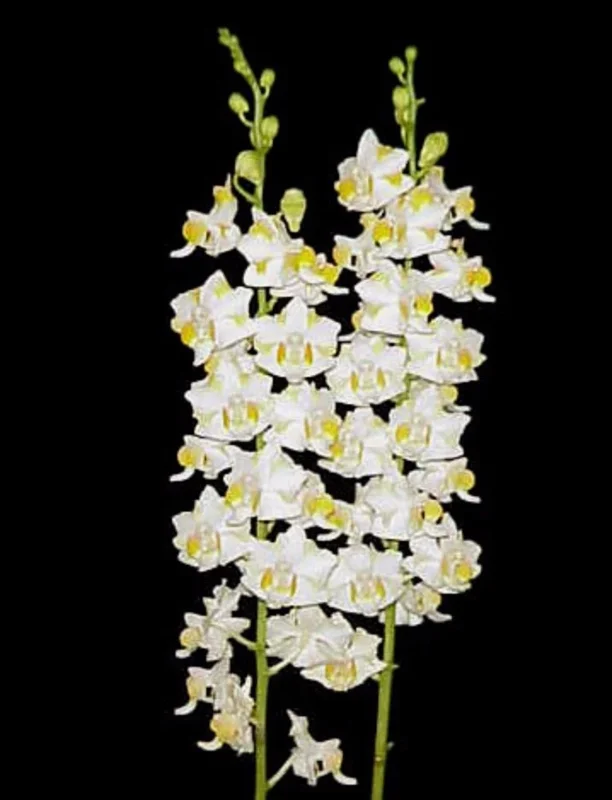
Houseplants
Phalaenopsis pulcherrima ‘Mauna Kea Snow’ Orchid Live Plant – White Flowers, Potted 2.5 in
Sold 50 products
$49.88RELATED posts
Awapuhi Wild Ginger Plant: Zones, Care, and Propagation
Learn which USDA zones suit awapuhi wild ginger, plus sunlight, water, planting, propagation, pests, size, [...]
Awapuhi Shampoo Ginger – Care, Growing Zones, and Differences
Learn how to grow awapuhi (shampoo) ginger, its USDA zones, watering schedule, propagation tips, and [...]
Awapuhi Shampoo Plant Buying Guide – Choose the Right Zingiber zerumbet
META: Learn which awapuhi (shampoo ginger) plant or rhizome pack gives the best natural shampoo, [...]
Awapuhi Plant for Sale: Complete Buying Guide
Find the right awapuhi (shampoo ginger) plant, size, price, soil mix, and online source. Practical [...]
Shampoo Ginger Plant for Sale – Buying Guide & Tips
Find the right shampoo ginger plant, size, price, and care tips. Quick guide for U.S. [...]
Shampoo Ginger Plant (Awapuhi) Care Guide
Learn how to grow, care for, and use shampoo ginger (Zingiber zerumbet), the tropical awapuhi [...]
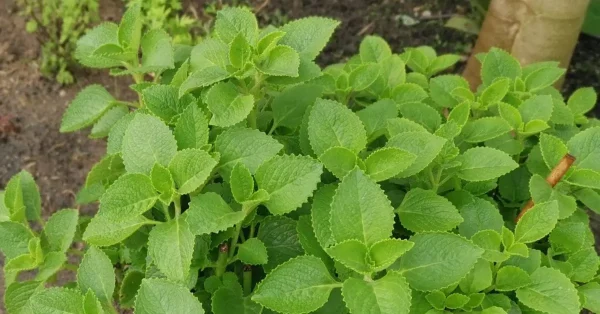
How to Grow Cuban Oregano Plants: A Complete Care Guide
If you’ve ever wanted a plant that combines the culinary punch of traditional oregano with [...]
Aug
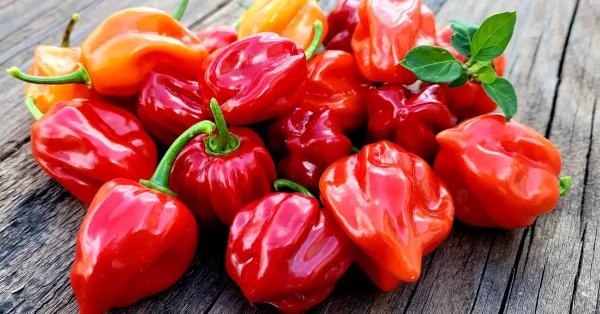
How to Grow Habanero Pepper Plants: A Step-by-Step Guide
Habanero pepper plants are prized for their vibrant colors, intense heat, and exceptional flavor, making [...]
Aug
Reviews
There are no reviews yet.