
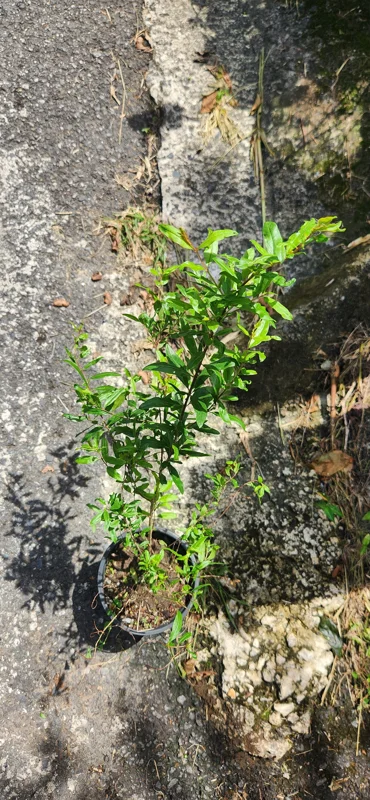
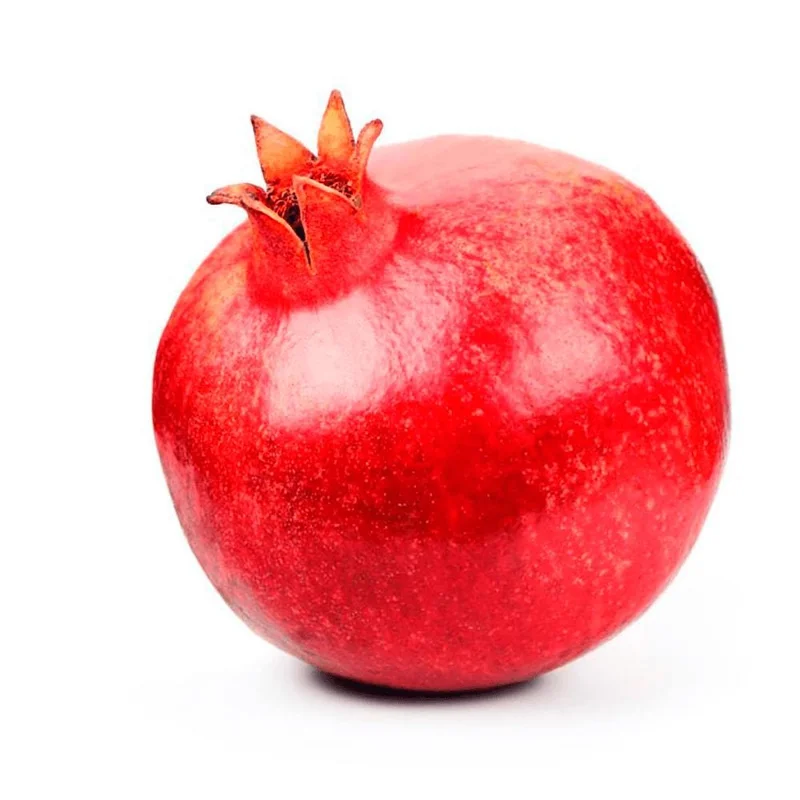
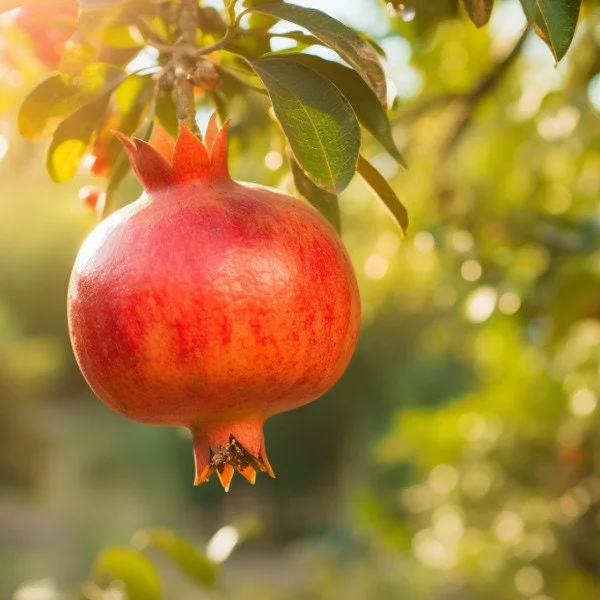
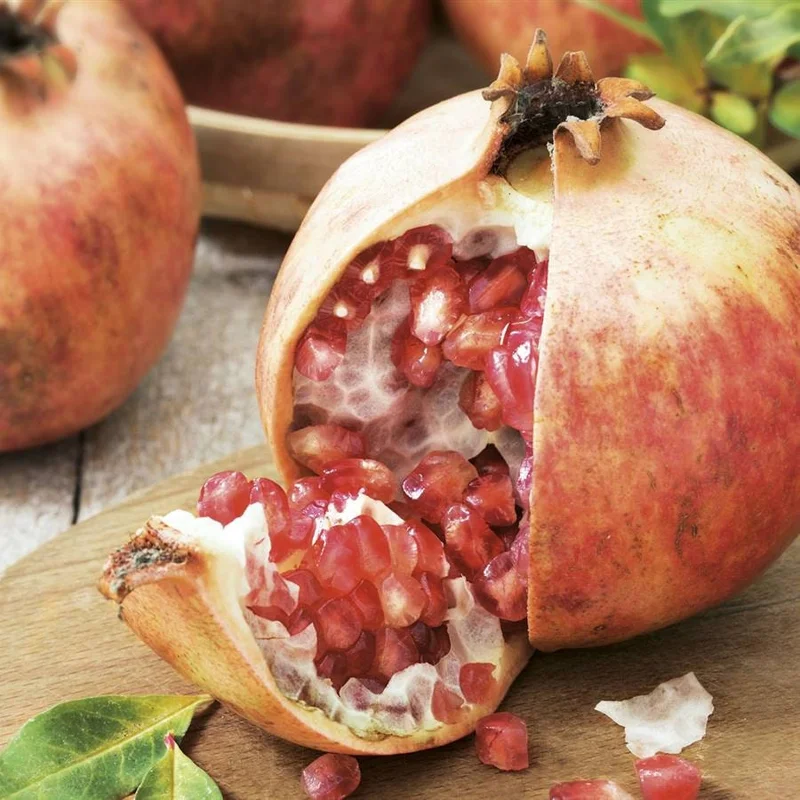
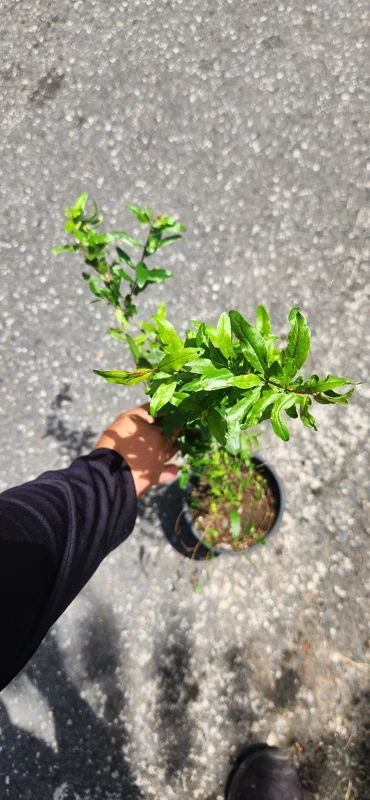
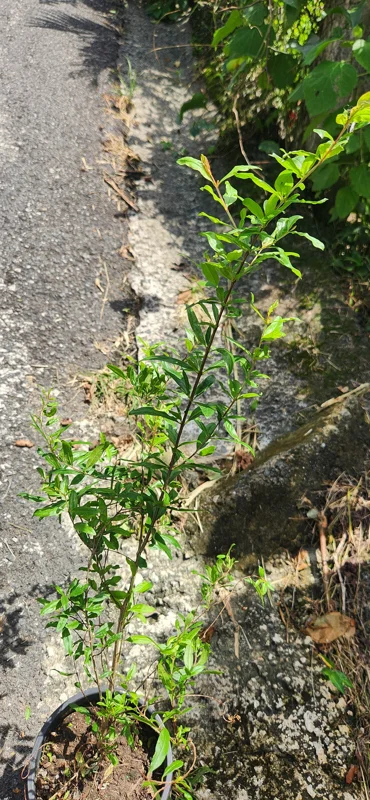
Pomegranate Tree Live Plant – Punica granatum, 2-3ft Tall Tropical Fruit Tree
$150.00
Cultivate your own delicious fruit with this pomegranate live tree. This Punica granatum plant is a resistant, tropical variety, standing 2-3ft tall, ready to thrive in your garden and produce fruit in just a few years. Ideal for those looking for a rewarding tropical fruit tree.
Shipping and Return policies:
We stand behind our plants with our Alive & Thrive Guarantee. If you experience any issues within the first 30 days, please email us, and our team will be happy to help. When needed, we’ll send you a one-time replacement free of charge to make sure your garden keeps growing strong.

Reasonable Price
We offer reasonable price

Support 24/7
Contact us 24 hrs a day
100% Money Back
You’ve 30 days to Return
Payment Secure
100% secure payment
Overview
Bring the exotic beauty and delicious fruit of the Mediterranean to your home garden with this magnificent pomegranate live tree. This vibrant Punica granatum plant arrives as a healthy, established specimen, typically standing 2-3 feet tall, ready to be planted and begin its journey towards fruit production. Pomegranates are not only prized for their juicy, ruby-red arils, but also for their ornamental value, featuring striking orange-red flowers in spring and attractive foliage. This particular variety is known for its resilience and ability to produce fruit within 2-3 years under optimal growing conditions, making it a rewarding addition for both novice and experienced gardeners eager to enjoy homegrown tropical fruit.
Originating from regions spanning Iran to northern India, the pomegranate (Punica granatum) has been cultivated for thousands of years, revered for its cultural significance and health benefits. Our pomegranate live tree is a robust selection, promising to adapt well to various climates within its hardiness zones. With proper care, this tropical fruit tree will not only adorn your landscape but also provide a bountiful harvest of fresh pomegranates for years to come. Imagine plucking your own fresh pomegranates, rich in antioxidants and bursting with flavor, directly from your backyard.
Key Benefits
Adding a pomegranate live tree to your garden offers a multitude of advantages, from aesthetic appeal to the joy of homegrown produce. This resilient plant is a fantastic choice for many reasons:
- Delicious Homegrown Fruit: Enjoy the satisfaction of harvesting your own fresh, juicy pomegranates, perfect for snacking, juices, salads, and culinary creations. The fruit is rich in antioxidants and vitamins.
- Ornamental Beauty: Beyond its fruit, the Punica granatum plant provides significant aesthetic value with its glossy green leaves, vibrant orange-red blossoms, and unique fruit. It makes an attractive specimen plant or a lovely addition to mixed borders.
- Drought Tolerance: Once established, pomegranate trees are remarkably drought-tolerant, making them a suitable choice for water-wise gardening in appropriate climates. This resilience contributes to easier maintenance.
- Adaptable Growth: While a tropical fruit tree, the pomegranate can adapt to a range of soil types and growing conditions, thriving in full sun and well-draining soil. It can be grown as a large shrub or trained as a small tree.
- Long Lifespan: Pomegranate trees are known for their longevity, often producing fruit for many decades, ensuring a long-term investment in your edible landscape.
- Health Benefits: Pomegranates are celebrated for their high antioxidant content, contributing to overall well-being and a healthy diet.
- Rewarding Experience: There’s immense satisfaction in growing pomegranate, watching it mature, flower, and eventually bear fruit. It’s a journey that connects you with nature and provides a tangible reward.
Plant Care & Growing Tips
Successful pomegranate tree care involves understanding its basic needs for sunlight, water, and nutrients. This resilient pomegranate live tree thrives in conditions that mimic its native Mediterranean climate. For optimal growth and fruit production, plant your Punica granatum plant in a location that receives at least 6-8 hours of direct sunlight per day. Full sun is crucial for good flowering and fruit development. In very hot climates, some afternoon shade can be beneficial to prevent scorching.
When it comes to watering, young pomegranate trees require consistent moisture to establish a strong root system. Water deeply and regularly, especially during dry spells. Once established, they become more drought-tolerant, but consistent watering during fruiting will result in larger, juicier fruits. Ensure the soil is well-draining to prevent root rot. A sandy loam or loamy soil enriched with organic matter is ideal. Fertilization is key for a productive tropical fruit tree; it is recommended to fertilize once a month with a balanced foliar fertilizer (e.g., 20-20-20) during the growing season for the first year. After the first year, switch to a granulated fertilizer applied twice a year, typically in early spring and mid-summer, to support robust growth and fruit set. Protect your tree from temperatures below 15°F (-9°C) by covering it or bringing it indoors if grown in a container in colder zones.
Pruning is an important aspect of pomegranate tree care, helping to maintain shape, improve air circulation, and encourage fruit production. Prune in late winter or early spring before new growth begins. Remove dead, damaged, or crossing branches. You can train your pomegranate live tree as a multi-stemmed shrub or a single-trunk tree. Keep an eye out for common pests and diseases, though pomegranates are generally quite resistant. Adequate air circulation and proper watering practices can help prevent most issues, ensuring your efforts in growing pomegranate are successful.
Size & Details
This pomegranate live tree is typically shipped as a healthy, actively growing plant, standing approximately 2-3 feet tall from the base of the pot to the top of the foliage. The exact size may vary slightly based on the growth cycle and individual plant characteristics. It arrives in a nursery pot, with its root ball intact, ensuring minimal transplant shock. This size provides a significant head start, allowing the plant to establish quickly in your garden or a larger container. The tree is expected to begin bearing fruit in 2 to 3 years with good fertilization and proper care, offering a relatively quick turnaround for homegrown produce.
The Punica granatum plant is a moderately fast grower, eventually reaching heights of 10-20 feet and a similar spread if left unpruned. Its mature size can be managed through regular pruning, making it suitable for various garden spaces, including smaller yards or even large patio containers. This tropical fruit tree is a long-lived specimen, capable of producing fruit for many decades. The plant’s robust nature makes it an excellent choice for a wide range of gardening enthusiasts who are interested in growing pomegranate for its beauty and delicious yield.
Frequently Asked Questions
- Q: How big does this pomegranate live tree get? A: This pomegranate live tree typically grows to 10-20 feet tall and wide if left unpruned. Its size can be managed with regular pruning to fit your garden space or for container growing.
- Q: Is this an indoor or outdoor plant? A: While it is a tropical fruit tree, the pomegranate is primarily an outdoor plant in USDA zones 7-11. In colder zones, it can be grown in a large container and brought indoors during winter.
- Q: How much sunlight does the Punica granatum plant need? A: For best fruit production and overall health, your Punica granatum plant needs at least 6-8 hours of direct full sun per day. More sun generally leads to more flowers and fruit.
- Q: Is this pomegranate tree easy to care for? A: Yes, once established, the pomegranate live tree is considered relatively low-maintenance and resistant. It requires consistent watering when young, good drainage, and regular fertilization to thrive.
- Q: What condition will it arrive in? A: Your pomegranate live tree will arrive as a healthy, actively growing plant in a nursery pot, with its root ball intact, ready for transplanting.
- Q: How long until it starts producing fruit? A: With good fertilization and proper care, you can expect your pomegranate live tree to start bearing fruit within 2 to 3 years after planting.
- Q: What is the best soil type for growing pomegranate? A: Pomegranates prefer well-draining soil, such as a sandy loam or loamy soil. They are adaptable but do not tolerate heavy, waterlogged conditions.
- Q: Can I grow this tropical fruit tree in a container? A: Yes, the pomegranate live tree can be successfully grown in a large container, especially in colder climates where it needs to be moved indoors for winter protection.
- Q: What is the ideal temperature range for pomegranate tree care? A: Pomegranates thrive in warm climates and prefer temperatures between 75-95°F (24-35°C). They are hardy down to about 15°F (-9°C) but require protection below that.
- Q: Will this tree attract pollinators? A: Yes, the vibrant flowers of the Punica granatum plant are attractive to bees and other pollinators, which is essential for fruit set.
Be the first to review “Pomegranate Tree Live Plant – Punica granatum, 2-3ft Tall Tropical Fruit Tree”
You must be logged in to post a review.
People also Viewed
Sold 50 products
Original price was: $37.48.$23.98Current price is: $23.98.
Sold 50 products
$32.38
Sold 50 products
$27.38
Sold 50 products
$32.38
Sold 50 products
$19.88
Sold 50 products
$62.38
Sold 50 products
$24.88
Houseplants
Phalaenopsis pulcherrima ‘Mauna Kea Snow’ Orchid Live Plant – White Flowers, Potted 2.5 in
Sold 50 products
$49.88RELATED posts
Awapuhi Wild Ginger Plant: Zones, Care, and Propagation
Learn which USDA zones suit awapuhi wild ginger, plus sunlight, water, planting, propagation, pests, size, [...]
Awapuhi Shampoo Ginger – Care, Growing Zones, and Differences
Learn how to grow awapuhi (shampoo) ginger, its USDA zones, watering schedule, propagation tips, and [...]
Awapuhi Shampoo Plant Buying Guide – Choose the Right Zingiber zerumbet
META: Learn which awapuhi (shampoo ginger) plant or rhizome pack gives the best natural shampoo, [...]
Awapuhi Plant for Sale: Complete Buying Guide
Find the right awapuhi (shampoo ginger) plant, size, price, soil mix, and online source. Practical [...]
Shampoo Ginger Plant for Sale – Buying Guide & Tips
Find the right shampoo ginger plant, size, price, and care tips. Quick guide for U.S. [...]
Shampoo Ginger Plant (Awapuhi) Care Guide
Learn how to grow, care for, and use shampoo ginger (Zingiber zerumbet), the tropical awapuhi [...]
How to Grow Cuban Oregano Plants: A Complete Care Guide
If you’ve ever wanted a plant that combines the culinary punch of traditional oregano with [...]
Aug
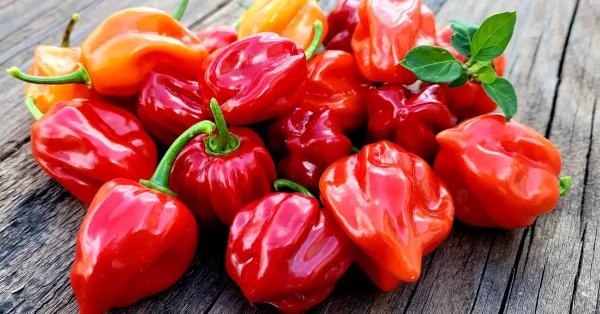
How to Grow Habanero Pepper Plants: A Step-by-Step Guide
Habanero pepper plants are prized for their vibrant colors, intense heat, and exceptional flavor, making [...]
Aug


Reviews
There are no reviews yet.