
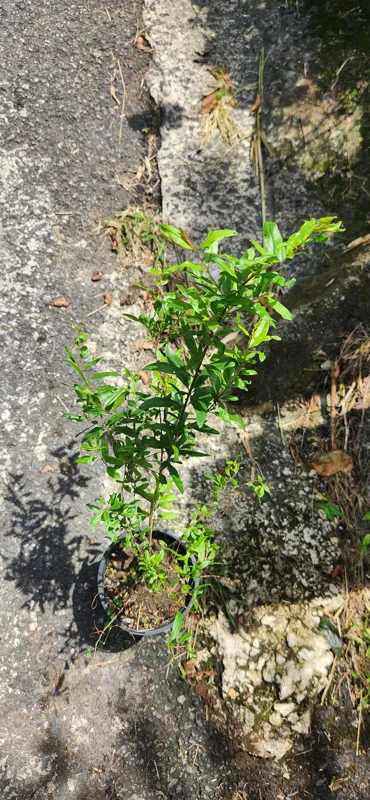
Pomegranate Tree Live Plant – 1-2 ft Tropical Fruit Tree – Outdoor
$112.50
Bring the taste of the tropics to your garden with this pomegranate tree live plant. This resilient 1-2 ft tropical fruit tree is ready to establish in your landscape and produce delicious fruit within a few years.
Shipping and Return policies:
We stand behind our plants with our Alive & Thrive Guarantee. If you experience any issues within the first 30 days, please email us, and our team will be happy to help. When needed, we’ll send you a one-time replacement free of charge to make sure your garden keeps growing strong.

Reasonable Price
We offer reasonable price

Support 24/7
Contact us 24 hrs a day
100% Money Back
You’ve 30 days to Return
Payment Secure
100% secure payment
Overview
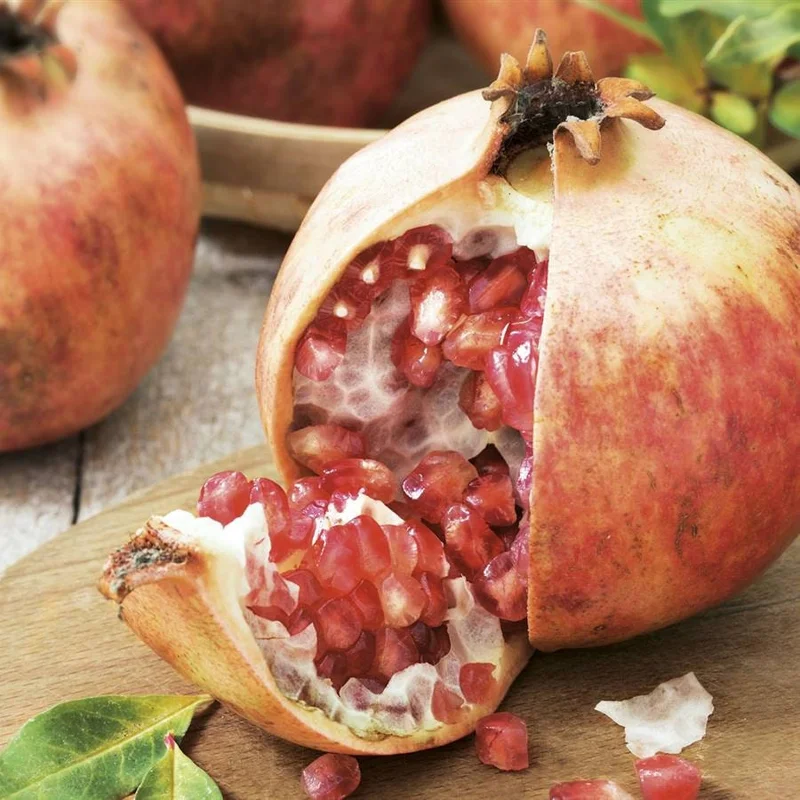
Cultivate your own delicious and vibrant fruit with our premium pomegranate tree live plant. This robust 1-2 foot specimen of Punica granatum, commonly known as the pomegranate, is a fantastic addition for any gardener looking to grow their own tropical fruits. Known for its striking red skin and jewel-like arils bursting with sweet-tart juice, the pomegranate is not only a culinary delight but also a beautiful ornamental plant with its glossy leaves and showy flowers. This young tree is carefully nurtured to ensure a strong start in your garden, ready to thrive and eventually bear fruit, typically within 2 to 3 years under optimal conditions. Enjoy the satisfaction of harvesting your own pomegranates, perfect for fresh eating, juices, or culinary creations.
The pomegranate has a rich history, originating in the Middle East and South Asia, and has been cultivated for thousands of years. It’s a symbol of prosperity and fertility in many cultures. Our pomegranate tree live plant offers you the opportunity to bring this ancient and beneficial fruit into your modern garden. It’s a relatively low-maintenance tree once established, making it suitable for both experienced gardeners and enthusiastic beginners interested in growing pomegranate tree at home.
Key Benefits
A pomegranate tree live plant offers numerous advantages, from its aesthetic appeal to its bounty of healthy fruit. Here are some of the key benefits you’ll enjoy:
- Homegrown, Healthy Fruit: Enjoy fresh, organic pomegranates directly from your garden. Pomegranates are rich in antioxidants, vitamins, and minerals, making them a superfood for a healthy diet. You’ll know exactly how your fruit is grown.
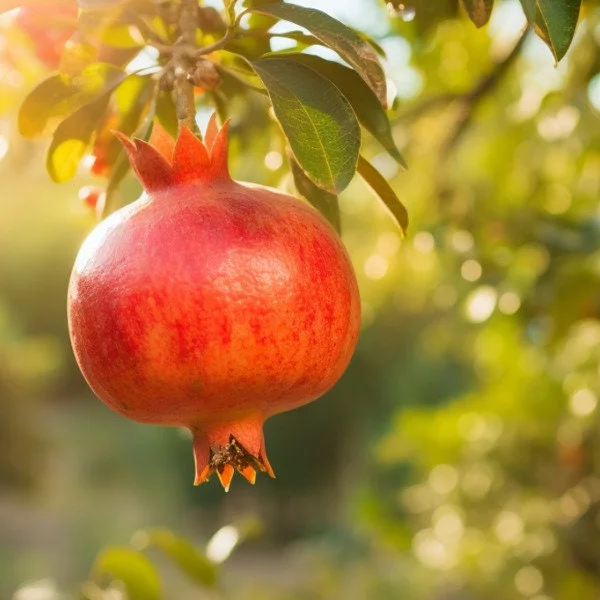
- Ornamental Beauty: Beyond its fruit, the pomegranate tree is a beautiful landscape plant. It features attractive, glossy green foliage, vibrant orange-red flowers in spring and summer, and the decorative fruit itself, adding visual interest to your yard.
- Drought Tolerance: Once established, pomegranate trees are remarkably drought-tolerant, requiring less water than many other fruit trees. This makes them an excellent choice for water-wise gardening in suitable climates.
- Adaptable & Resilient: This resistant tree can adapt to a variety of soil types and conditions, thriving in many different environments. It’s known for its hardiness and ability to withstand some neglect, making pomegranate plant care relatively straightforward.
- Long-Lived Production: With proper care, a pomegranate tree can be a long-term producer, providing delicious fruit for many years. It’s a rewarding investment for your garden and your health.
- Versatile Use: The fruit can be enjoyed fresh, juiced, or used in a variety of culinary dishes, from salads to desserts. Having your own tree opens up a world of culinary possibilities.
Plant Care & Growing Tips
Caring for your pomegranate tree live plant is relatively simple, ensuring it grows into a healthy, fruit-bearing specimen. Pomegranates thrive in warm, sunny climates. They require at least 6-8 hours of direct sunlight per day to produce the best fruit. Full sun exposure is crucial for both growth and fruit development. In very hot climates, some afternoon shade can be beneficial to prevent scorching, but generally, more sun is better. The ideal temperature range for pomegranates is between 80-95°F (27-35°C) during the growing season. They are generally hardy in USDA zones 7-10, though some varieties can tolerate zone 6 with protection.
Pomegranate trees prefer well-draining soil with a pH between 5.5 and 7.0. They can tolerate a range of soil types, from sandy to clay, as long as drainage is good. Avoid heavy, waterlogged soils, which can lead to root rot. When planting, amend the soil with organic matter to improve fertility and drainage. Water your young tree regularly to establish a strong root system, typically 2-3 times a week during dry periods. Once established, they are quite drought-tolerant but will benefit from deep watering every 1-2 weeks, especially during fruit development. For optimal growth and fruiting, a consistent fertilization schedule is recommended. During the growing season (spring and summer), fertilize once a month with a balanced fertilizer like a 20-20-20 foliar spray. After the first year, switch to a granulated slow-release fertilizer twice a year, in early spring and mid-summer, to support continued growth and fruit production. Proper pruning helps maintain tree shape, remove dead or diseased branches, and encourage fruit production. Regular pruning can also help manage the size, especially if you’re interested in a dwarf pomegranate tree effect.
Size & Details
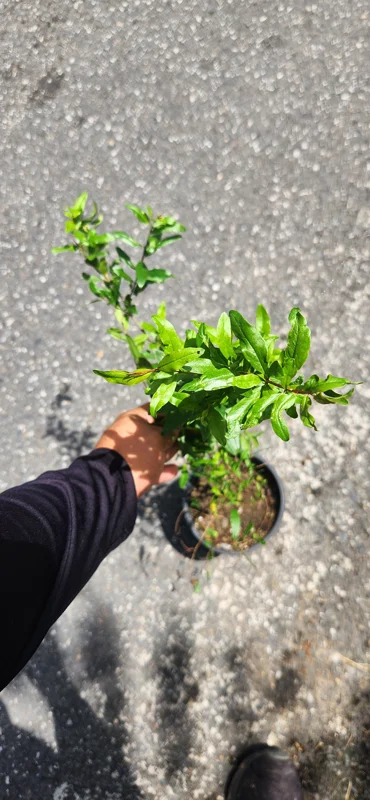
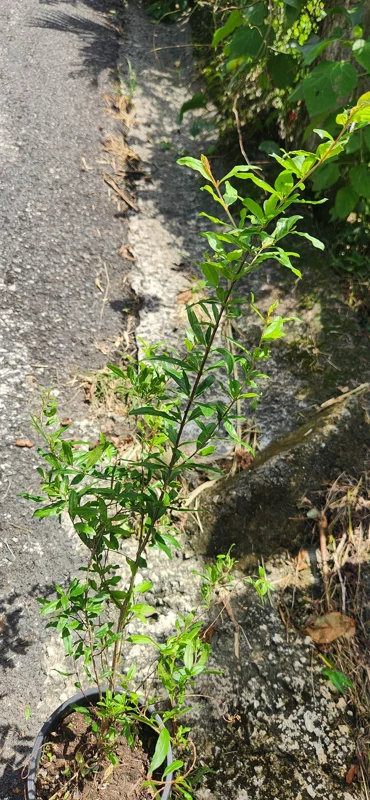
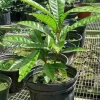
This pomegranate tree live plant stands approximately 1 to 2 feet tall upon arrival, making it an ideal size for planting directly into your garden or a large container. It is shipped as a rooted, live plant, similar to the one pictured, ready for immediate transplanting. Pomegranate trees are relatively fast-growing, especially in their early years, and can reach mature heights of 10-20 feet if left unpruned, though they can be kept smaller with regular pruning. Expect your tree to begin bearing fruit within 2 to 3 years from planting, with production increasing as the tree matures. It is a vigorous grower and will quickly establish itself, providing a beautiful focal point and a source of delicious fruit for years to come. This particular punica granatum specimen is selected for its hardiness and potential for abundant fruit.
Frequently Asked Questions
- Q: How big does this pomegranate tree get? A: This pomegranate tree live plant arrives at 1-2 feet tall. If left unpruned, it can eventually reach heights of 10-20 feet, but its size can be easily managed with regular pruning to suit your garden space.
- Q: Is this an indoor or outdoor plant? A: Pomegranate trees are primarily outdoor plants, thriving in full sun and warm climates. They can be grown in large containers and moved indoors in colder regions during winter, but they are not typically suited for year-round indoor living.
- Q: How much sunlight does it need? A: For optimal growth and fruit production, your pomegranate tree needs at least 6-8 hours of direct sunlight per day. More sun generally leads to more fruit.
- Q: Is this plant easy to care for? A: Yes, pomegranates are known for being quite resistant and relatively easy to care for once established. They are drought-tolerant and adaptable, making pomegranate plant care manageable for most gardeners.
- Q: What condition will it arrive in? A: Your tree will arrive as a live, healthy specimen, carefully packaged to ensure its safe transit. It will be similar in size and appearance to the one shown in photographs.
- Q: How long until it bears fruit? A: With good fertilization and proper care, your pomegranate tree is expected to start bearing fruit within 2 to 3 years after planting.
- Q: What’s the best way of growing pomegranate tree? A: The best way involves planting in full sun, well-draining soil, and consistent watering during establishment. Regular fertilization and occasional pruning will also contribute to its success.
- Q: Will it survive winter in my zone? A: Pomegranate trees are generally hardy in USDA zones 7-10. If you are in a colder zone, you may need to provide winter protection or grow it in a container that can be moved indoors.
- Q: Can I grow a dwarf pomegranate tree from this? A: While this is a standard variety, pomegranates respond well to pruning and can be trained into a smaller, more manageable size, effectively creating a dwarf form for smaller gardens or container growing.
- Q: What kind of fertilizer should I use for punica granatum? A: For young trees, use a balanced liquid fertilizer (like 20-20-20) monthly. After the first year, switch to a granulated slow-release fertilizer applied twice a year, in early spring and mid-summer.
Be the first to review “Pomegranate Tree Live Plant – 1-2 ft Tropical Fruit Tree – Outdoor”
You must be logged in to post a review.
People also Viewed
Sold 50 products
Original price was: $37.48.$23.98Current price is: $23.98.
Sold 50 products
$32.38
Sold 50 products
$27.38
Sold 50 products
$32.38
Sold 50 products
$19.88
Sold 50 products
$62.38
Sold 50 products
$24.88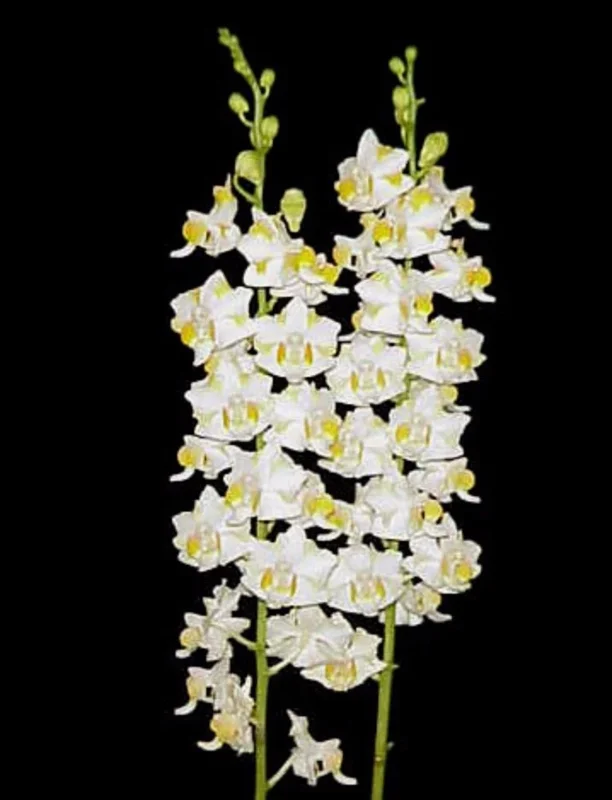
Houseplants
Phalaenopsis pulcherrima ‘Mauna Kea Snow’ Orchid Live Plant – White Flowers, Potted 2.5 in
Sold 50 products
$49.88RELATED posts
Awapuhi Wild Ginger Plant: Zones, Care, and Propagation
Learn which USDA zones suit awapuhi wild ginger, plus sunlight, water, planting, propagation, pests, size, [...]
Awapuhi Shampoo Ginger – Care, Growing Zones, and Differences
Learn how to grow awapuhi (shampoo) ginger, its USDA zones, watering schedule, propagation tips, and [...]
Awapuhi Shampoo Plant Buying Guide – Choose the Right Zingiber zerumbet
META: Learn which awapuhi (shampoo ginger) plant or rhizome pack gives the best natural shampoo, [...]
Awapuhi Plant for Sale: Complete Buying Guide
Find the right awapuhi (shampoo ginger) plant, size, price, soil mix, and online source. Practical [...]
Shampoo Ginger Plant for Sale – Buying Guide & Tips
Find the right shampoo ginger plant, size, price, and care tips. Quick guide for U.S. [...]
Shampoo Ginger Plant (Awapuhi) Care Guide
Learn how to grow, care for, and use shampoo ginger (Zingiber zerumbet), the tropical awapuhi [...]
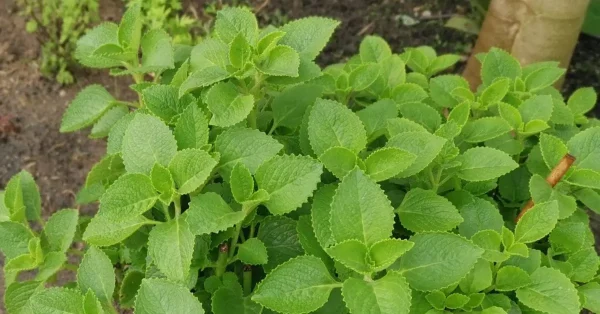
How to Grow Cuban Oregano Plants: A Complete Care Guide
If you’ve ever wanted a plant that combines the culinary punch of traditional oregano with [...]
Aug
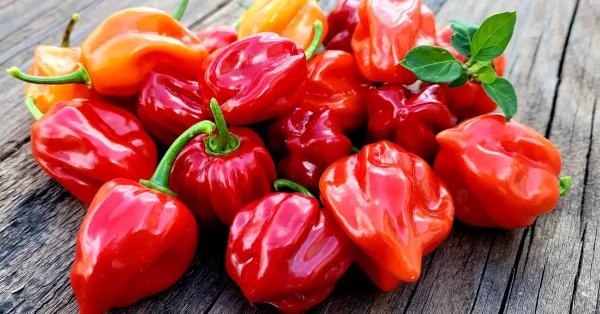
How to Grow Habanero Pepper Plants: A Step-by-Step Guide
Habanero pepper plants are prized for their vibrant colors, intense heat, and exceptional flavor, making [...]
Aug

Reviews
There are no reviews yet.