
Plantain Seeds Musa Sapientum – Grow Your Own Tropical Banana Plant
$104.98
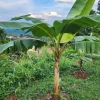
Cultivate your own tropical haven with Musa Sapientum plantain seeds. These tropical banana seeds are easy to grow, providing delicious fruit and stunning foliage. Perfect for pots or ground, they bring an exotic touch to any garden.
Shipping and Return policies:
We stand behind our plants with our Alive & Thrive Guarantee. If you experience any issues within the first 30 days, please email us, and our team will be happy to help. When needed, we’ll send you a one-time replacement free of charge to make sure your garden keeps growing strong.

Reasonable Price
We offer reasonable price

Support 24/7
Contact us 24 hrs a day
100% Money Back
You’ve 30 days to Return
Payment Secure
100% secure payment
Overview
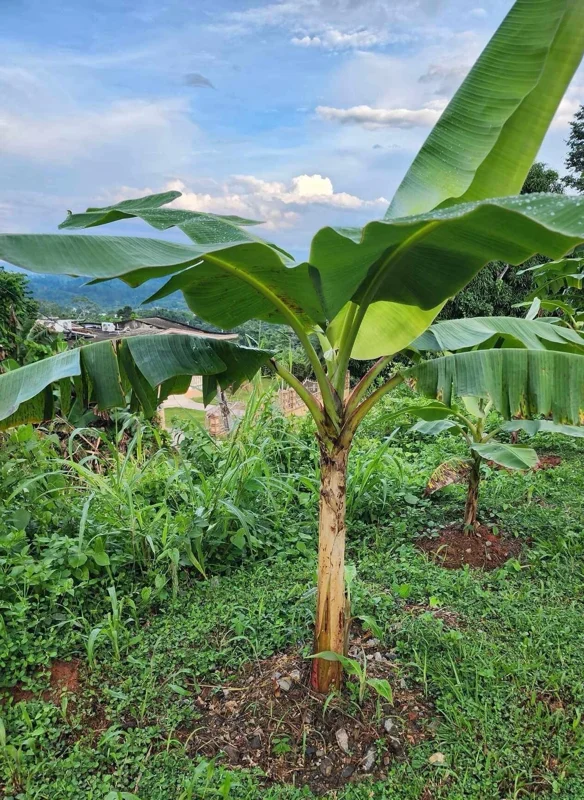
Embark on a rewarding gardening journey by cultivating your own tropical paradise with our premium plantain seeds. Specifically, these are Musa Sapientum seeds, known for producing robust and fruitful plantain trees. Plantains, often mistaken for bananas, are a culinary staple in many tropical regions and offer a unique, savory flavor when cooked. Our high-quality seeds allow you to grow these magnificent plants right in your backyard or even in large containers. These fast-growing plants will transform your outdoor space into an exotic retreat, providing both delicious produce and lush, vibrant foliage. Experience the joy of harvesting your own plantains and enjoying the beauty of a tropical garden.
Growing plantains from seed is an exciting project for any gardening enthusiast, from novice to expert. The process is straightforward, and with a little care, you’ll soon witness the impressive growth of these tropical wonders. Imagine stepping into your garden and seeing the broad leaves swaying gently, signaling the bounty of fruit to come. These Musa Sapientum seeds are selected for their viability and vigor, ensuring you have the best possible start to your plantain growing adventure. Bring the taste of the tropics home and enjoy the satisfaction of homegrown plantains.
Key Benefits
Our plantain seeds offer numerous advantages for gardeners looking to add an exotic and productive element to their landscape. They are a fantastic choice for anyone desiring fresh, homegrown tropical fruit.
- Delicious Homegrown Fruit: Enjoy the rich, savory taste of fresh plantains directly from your garden. Unlike store-bought varieties, you control the growing conditions, ensuring a natural and flavorful harvest. Growing your own tropical banana seeds provides a unique culinary experience.
- Exotic Garden Aesthetic: The large, lush leaves and impressive stature of the plantain plant create a stunning tropical focal point in any garden or patio. They instantly add a sense of paradise and vibrant greenery to your outdoor living space.
- Fast Growth & High Yield: Plantain plants are known for their rapid growth, allowing you to enjoy fruit in just a few seasons. With proper care, these plants can provide a generous yield, making your gardening efforts truly rewarding.
- Versatile Planting Options: Whether you have a spacious garden or a compact patio, these plants thrive both in the ground and in large containers. This versatility makes it easy to incorporate them into various garden designs and spaces.
- Relatively Low Maintenance: Once established, plantain plants require minimal ongoing care. They are resilient and adaptable, making them suitable for gardeners who prefer a less demanding plant without sacrificing impressive results.
- Shade & Privacy: The expansive foliage provides excellent natural shade and can act as a privacy screen, enhancing the comfort and seclusion of your outdoor areas. These plants are ideal for creating cool, shaded retreats in your garden.
- Educational Experience: Grow plantain from seed and learn about tropical horticulture. It’s a fantastic educational project for families and a rewarding experience for individuals passionate about growing unique plants.
Plant Care & Growing Tips
Caring for your plantain plants, grown from Musa Sapientum seeds, is relatively straightforward, ensuring a bountiful harvest and lush foliage. Plantains thrive in warm, humid climates, mimicking their native tropical environment. For successful growth, start your seeds indoors in a warm, moist environment. Once seedlings are established and the threat of frost has passed, they can be transplanted outdoors.
Sunlight Requirements: Plantain plants prefer full sun, meaning at least 6-8 hours of direct sunlight per day. In very hot climates, a little afternoon shade can be beneficial to prevent leaf scorch. If growing indoors, place them near a south-facing window or use grow lights to ensure adequate light exposure. Proper light is crucial for the development of healthy plants and delicious fruit from your tropical banana seeds.
Watering & Soil: Consistent moisture is key for plantains. Water deeply and regularly, especially during dry periods, ensuring the soil remains consistently moist but not waterlogged. Good drainage is essential to prevent root rot. Plantains prefer rich, well-draining soil with a slightly acidic to neutral pH (6.0-7.0). Amend heavy clay soils with organic matter like compost to improve drainage and fertility. When you grow plantain from seed, providing the right soil environment from the start is paramount.
Temperature & Fertilization: Plantains are tropical plants and are sensitive to cold. They thrive in temperatures between 75-85°F (24-29°C) and cannot tolerate frost. In cooler climates, they can be grown in containers and brought indoors during winter. Fertilize regularly during the growing season with a balanced, slow-release fertilizer or a liquid feed high in potassium to promote fruit development. Follow package instructions for application rates to ensure optimal plantain plant care.
Size & Details
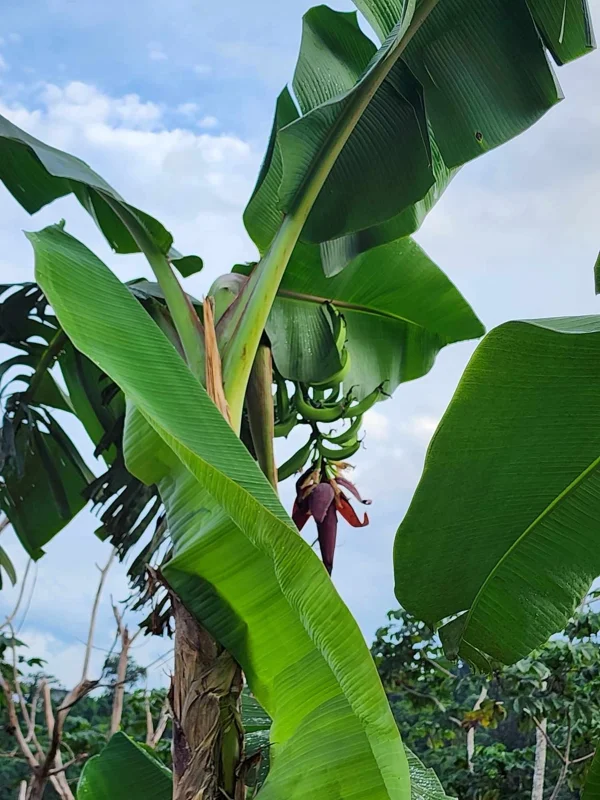
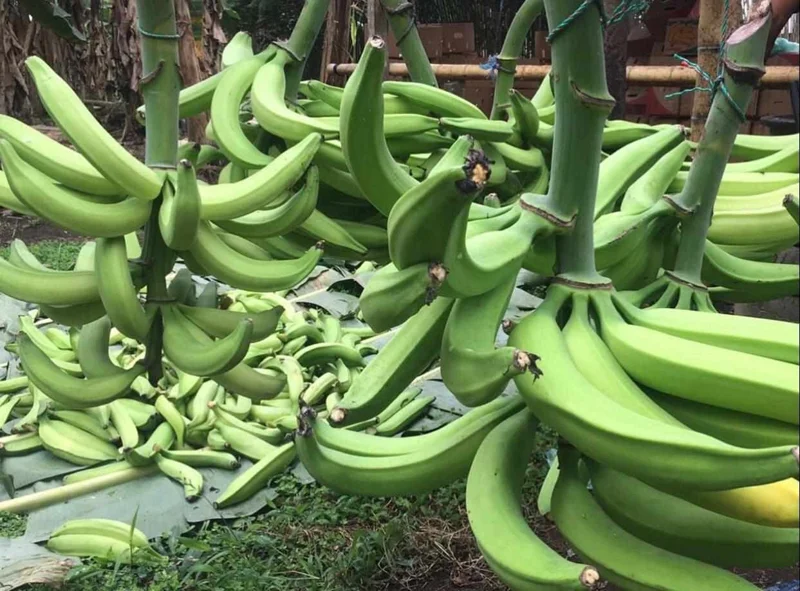
Our plantain seeds are carefully selected to ensure high germination rates and robust growth. Each seed has the potential to grow into a magnificent plantain tree, typically reaching heights of 10-20 feet (3-6 meters) in ideal conditions, though container-grown plants may be smaller. The broad leaves can measure several feet long, creating a dramatic tropical canopy. Plantains are fast-growing, with fruit production usually beginning within 1-2 years from planting, depending on growing conditions and climate. The plants will typically produce one main stem of fruit, after which the stem dies back, and new suckers emerge from the base to continue the cycle. We provide seeds, allowing you to cultivate your own plants from the very beginning. The mature fruit bunches can be quite heavy, requiring support as they develop.
Frequently Asked Questions
- Q: How big does a plantain plant get? A: A plantain plant can typically grow 10-20 feet tall in optimal outdoor conditions. When grown in containers, their size can be managed and they may remain smaller, usually around 6-10 feet.
- Q: Is this an indoor or outdoor plant? A: Plantain plants thrive outdoors in warm, tropical climates (USDA zones 9-11). In cooler regions, they can be grown outdoors during the warm season and brought indoors or overwintered in a greenhouse to protect them from frost.
- Q: How much sunlight does it need? A: Plantain plants, including those grown from Musa Sapientum seeds, require at least 6-8 hours of direct sunlight daily to produce fruit. Full sun is ideal for robust growth and fruit development.
- Q: Is this plant easy to care for? A: Yes, plantains are considered relatively easy to care for, especially once established. They require consistent watering, plenty of sunlight, and regular fertilization. They are a great choice for those looking to grow plantain from seed.
- Q: What condition will the seeds arrive in? A: Our plantain seeds arrive carefully packaged to ensure their viability. They are ready for planting upon arrival, ensuring you can start your tropical garden project without delay.
- Q: How long until it produces fruit? A: With proper plantain plant care, you can expect fruit production to begin within 1-2 years from the time of planting the seeds. The exact timing can vary based on growing conditions and climate.
- Q: What is the best soil for growing plantains? A: Plantains prefer rich, well-draining soil with a slightly acidic to neutral pH. Amending the soil with plenty of organic matter will provide the best environment for your plants.
- Q: Can I grow these plantain seeds in a pot? A: Absolutely! Plantain plants can be successfully grown in large pots or containers, making them suitable for patios, balconies, or for bringing indoors during colder months. Ensure the pot has excellent drainage.
- Q: Are these the same as banana seeds? A: While plantains are part of the banana family (Musa genus), they are distinct from sweet dessert bananas. These are specifically tropical banana seeds that will grow into plantain plants, which are typically cooked before eating.
- Q: What are the main uses for plantains? A: Plantains are primarily used in cooking, often fried, boiled, or baked. They are a staple in many cuisines and can be used in both savory and sweet dishes, offering a versatile culinary experience from your own garden.
Be the first to review “Plantain Seeds Musa Sapientum – Grow Your Own Tropical Banana Plant”
You must be logged in to post a review.
People also Viewed
Sold 50 products
Original price was: $37.48.$23.98Current price is: $23.98.
Sold 50 products
$32.38
Sold 50 products
$27.38
Sold 50 products
$32.38
Sold 50 products
$19.88
Sold 50 products
$62.38
Sold 50 products
$24.88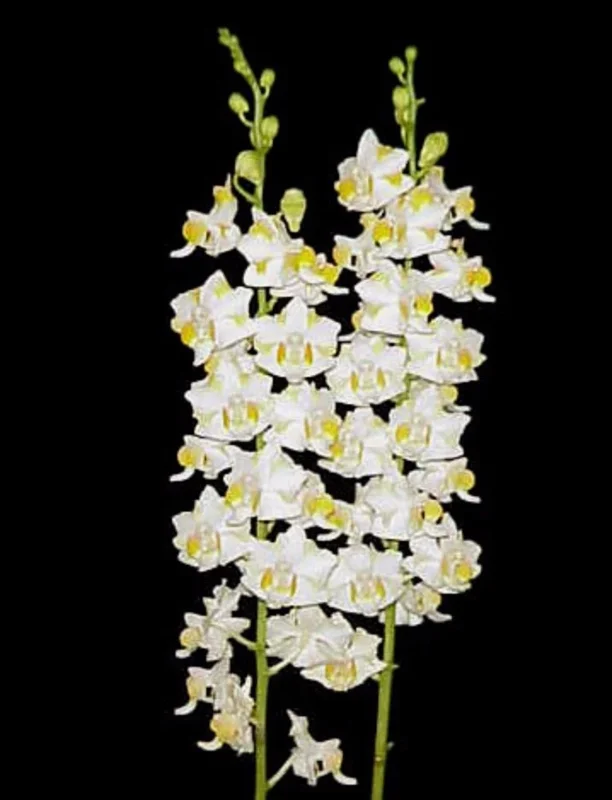
Houseplants
Phalaenopsis pulcherrima ‘Mauna Kea Snow’ Orchid Live Plant – White Flowers, Potted 2.5 in
Sold 50 products
$49.88RELATED posts
Awapuhi Wild Ginger Plant: Zones, Care, and Propagation
Learn which USDA zones suit awapuhi wild ginger, plus sunlight, water, planting, propagation, pests, size, [...]
Awapuhi Shampoo Ginger – Care, Growing Zones, and Differences
Learn how to grow awapuhi (shampoo) ginger, its USDA zones, watering schedule, propagation tips, and [...]
Awapuhi Shampoo Plant Buying Guide – Choose the Right Zingiber zerumbet
META: Learn which awapuhi (shampoo ginger) plant or rhizome pack gives the best natural shampoo, [...]
Awapuhi Plant for Sale: Complete Buying Guide
Find the right awapuhi (shampoo ginger) plant, size, price, soil mix, and online source. Practical [...]
Shampoo Ginger Plant for Sale – Buying Guide & Tips
Find the right shampoo ginger plant, size, price, and care tips. Quick guide for U.S. [...]
Shampoo Ginger Plant (Awapuhi) Care Guide
Learn how to grow, care for, and use shampoo ginger (Zingiber zerumbet), the tropical awapuhi [...]
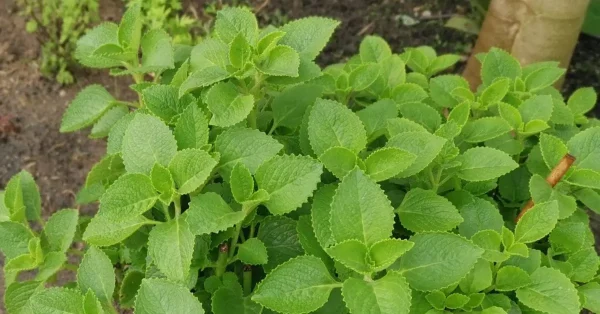
How to Grow Cuban Oregano Plants: A Complete Care Guide
If you’ve ever wanted a plant that combines the culinary punch of traditional oregano with [...]
Aug
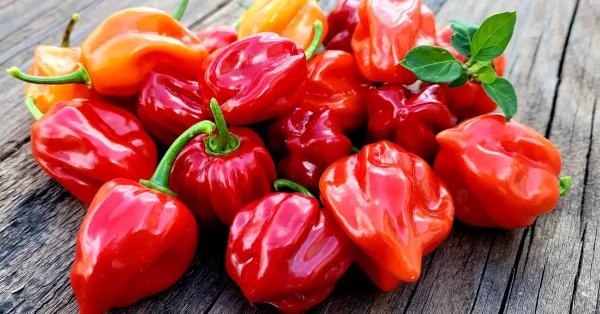
How to Grow Habanero Pepper Plants: A Step-by-Step Guide
Habanero pepper plants are prized for their vibrant colors, intense heat, and exceptional flavor, making [...]
Aug
Reviews
There are no reviews yet.