
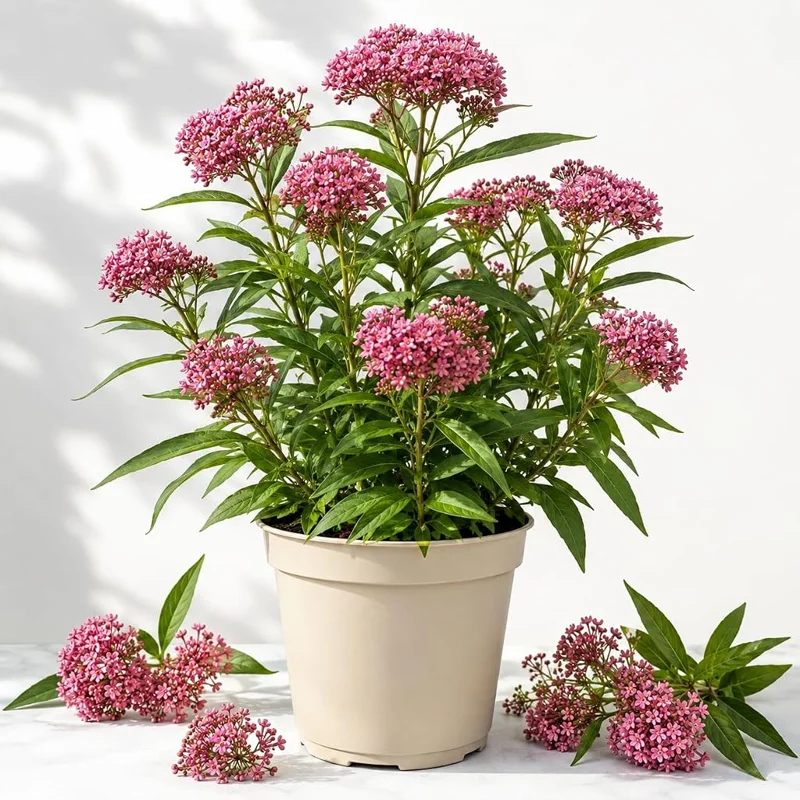
Pink Swamp Milkweed Live Plants, Asclepias, Perennial, 4-8 Inch Tall, Set of 2
$21.99
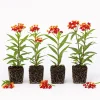
Enhance your garden with a set of two pink swamp milkweed live plants. These beautiful perennials, also known as Asclepias incarnata, are vital for supporting monarch butterfly populations. Growing 4-8 inches tall, they produce charming pink flowers and thrive in sunny outdoor conditions, making them a perfect addition for attracting pollinators and adding natural beauty to your landscape.
Shipping and Return policies:
We stand behind our plants with our Alive & Thrive Guarantee. If you experience any issues within the first 30 days, please email us, and our team will be happy to help. When needed, we’ll send you a one-time replacement free of charge to make sure your garden keeps growing strong.

Reasonable Price
We offer reasonable price

Support 24/7
Contact us 24 hrs a day
100% Money Back
You’ve 30 days to Return
Payment Secure
100% secure payment
Overview
Transform your garden into a vibrant haven for pollinators with our set of two pink swamp milkweed live plants. These exquisite perennials, scientifically known as Asclepias incarnata, are not only visually stunning but also play a crucial role in supporting the monarch butterfly lifecycle. As a primary food source for monarch caterpillars, planting swamp milkweed for sale directly contributes to the conservation of these magnificent creatures. Each plant arrives as a young starter, typically 4-8 inches tall, ready for planting and eager to establish itself in your home garden. Known for their resilience and beautiful clusters of pink flowers, these plants are an excellent choice for gardeners looking to combine aesthetic appeal with ecological benefit.
The pink swamp milkweed live plants are an ideal choice for various garden settings, from dedicated butterfly gardens to mixed perennial beds. Their ability to thrive in moist conditions makes them particularly suitable for rain gardens or areas with consistent moisture, distinguishing them from other milkweed varieties. These plants are a testament to nature’s beauty and biodiversity, offering continuous blooms from mid to late summer. Prepare to witness a flurry of activity as monarch butterflies and other beneficial insects flock to your garden, drawn by the irresistible charm of the Asclepias incarnata.
Key Benefits
Investing in pink swamp milkweed live plants brings a multitude of benefits to your garden and the environment. These plants are more than just pretty flowers; they are a cornerstone of a healthy ecosystem:
- Monarch Butterfly Host Plant: The most significant benefit is providing essential sustenance for monarch butterfly caterpillars. By planting pink swamp milkweed live plants, you are directly contributing to the survival and proliferation of this iconic species, offering a critical food source.
- Pollinator Attraction: Beyond monarchs, the nectar-rich pink flowers attract a wide array of other pollinators, including bees, hummingbirds, and beneficial insects, enhancing the biodiversity and health of your garden.
- Beautiful Perennial Blooms: Enjoy a long season of vibrant pink flowers from mid to late summer. These clusters of blossoms add a delightful splash of color and texture to any garden landscape, making them a focal point.
- Low Maintenance: Once established, asclepias incarnata care is relatively straightforward. These hardy perennials are resilient and require minimal intervention, making them suitable for both experienced and novice gardeners.
- Adaptable to Moist Soils: Unlike some other plants, pink swamp milkweed thrives in areas with consistent moisture, such as along ponds, streams, or in rain gardens, making it a versatile choice for different garden conditions.
- Deer Resistant: Generally, deer tend to avoid milkweed plants, which is a significant advantage for gardeners in areas prone to deer browsing, helping to preserve your beautiful blooms.
- Erosion Control: Their robust root systems can help stabilize soil in moist areas, contributing to natural erosion control in appropriate landscapes.
Plant Care & Growing Tips
Caring for your pink swamp milkweed live plants is a rewarding experience, leading to a vibrant display of flowers and a thriving ecosystem. These plants are relatively easy to grow, especially when their basic needs are met. For optimal growth and prolific blooms, ensure they receive ample sunlight. They prefer full sun, meaning at least 6 hours of direct sunlight per day. While they tolerate some partial shade, too little sun can result in leggy growth and fewer flowers. The ideal temperatures for establishment are between 65 degrees Fahrenheit and 85 degrees Fahrenheit, making spring or early summer an excellent time for planting.
When it comes to soil and water, pink swamp milkweed lives up to its name, thriving in consistently moist conditions. They prefer well-draining soil that retains moisture, such as loamy or clay soils. While they appreciate moisture, avoid standing water for prolonged periods after establishment. Water regularly, especially during dry periods or when the plants are young and getting established. Once mature, they are quite resilient but will perform best with consistent moisture. They are hardy in USDA Zones 3-9, indicating their ability to withstand a wide range of winter temperatures. Proper asclepias incarnata care also includes occasional fertilization with a balanced, slow-release fertilizer in spring, though they can often thrive without it in rich soil. Watch out for common pests like aphids; a strong stream of water or insecticidal soap can usually manage them. This perennial pink flower will bring joy for years.
Size & Details
Our offering includes a set of two pink swamp milkweed live plants, each arriving as a young starter plant. These plants typically measure 4-8 inches tall upon arrival, providing a healthy foundation for growth in your garden. Please note that the plants you receive are young and may not yet have flowers, fruits, or the mature size and appearance shown in reference photos. They are carefully cultivated to ensure a strong start in your landscape. These perennial plants are known for their moderate to fast growth rate, quickly establishing themselves and reaching their mature height, typically between 3 to 5 feet tall and 2 to 4 feet wide, depending on growing conditions and climate.
Each plant is shipped without a pot, as a bare-root or with minimal soil around the roots, ensuring safe and efficient transport. The blooming season for these beautiful pink flowers is generally from mid to late summer, providing a continuous display of color and a vital food source for pollinators during these crucial months. Planting these swamp milkweed for sale is an investment in both the beauty of your garden and the health of local ecosystems.
Frequently Asked Questions
- Q: How big do these pink swamp milkweed live plants get? A: Upon arrival, your plants will be 4-8 inches tall. Once established, they typically grow to a mature height of 3 to 5 feet and spread 2 to 4 feet wide, creating a substantial and beautiful presence in your garden.
- Q: Is this an indoor or outdoor plant? A: Pink swamp milkweed live plants are primarily outdoor perennial plants. They thrive in full sun conditions and are best suited for garden beds, rain gardens, or naturalized areas where they can receive ample sunlight and moisture.
- Q: How much sunlight does pink swamp milkweed need? A: These plants perform best in full sun, requiring at least 6 hours of direct sunlight per day. Adequate sunlight is crucial for robust growth and abundant flowering, ensuring a healthy monarch butterfly plant.
- Q: Is this plant easy to care for? Is it good for beginners? A: Yes, pink swamp milkweed live plants are considered relatively easy to care for, making them a good choice for beginners. With proper planting in moist, well-draining soil and full sun, they are quite resilient and low maintenance.
- Q: What condition will the plants arrive in? A: You will receive young starter plants, 4-8 inches tall, shipped without a pot. They may not have flowers or the mature appearance shown in reference images, but they will be healthy and ready for planting.
- Q: How long until it blooms? A: While they are young starter plants, you can typically expect your pink swamp milkweed live plants to begin blooming in their first or second growing season, usually from mid to late summer, once established.
- Q: Will it survive winter in my zone? A: These plants are hardy in USDA Zones 3-9. If you are within these zones, your perennial pink flower should survive the winter and return year after year, especially with proper care and mulching in colder regions.
- Q: What type of soil is best for asclepias incarnata care? A: Pink swamp milkweed thrives in well-draining soil that retains moisture. Loamy or clay soils are often ideal. Consistent moisture is key, so avoid letting the soil dry out completely, especially during hot periods.
- Q: Why should I choose swamp milkweed for sale? A: Choosing swamp milkweed for sale is an excellent way to support local ecosystems, as it is a critical host plant for monarch butterflies. It also adds beautiful, long-lasting pink blooms to your garden and attracts other beneficial pollinators.
Be the first to review “Pink Swamp Milkweed Live Plants, Asclepias, Perennial, 4-8 Inch Tall, Set of 2”
You must be logged in to post a review.
People also Viewed


Sold 50 products
Original price was: $37.48.$23.98Current price is: $23.98.
Sold 50 products
$32.38

Sold 50 products
$27.38
Sold 50 products
$32.38
Sold 50 products
$19.88
Sold 50 products
$62.38
Sold 50 products
$24.88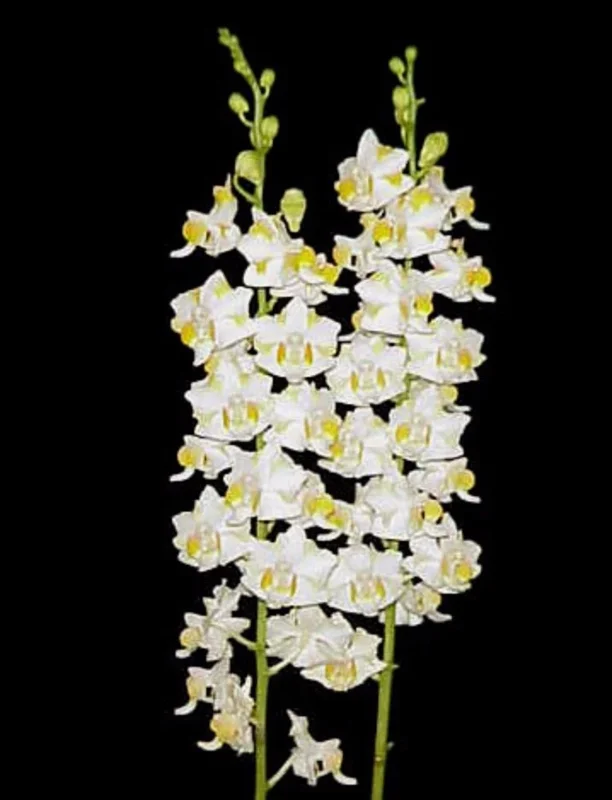
Houseplants
Phalaenopsis pulcherrima ‘Mauna Kea Snow’ Orchid Live Plant – White Flowers, Potted 2.5 in
Sold 50 products
$49.88RELATED posts
Awapuhi Wild Ginger Plant: Zones, Care, and Propagation
Learn which USDA zones suit awapuhi wild ginger, plus sunlight, water, planting, propagation, pests, size, [...]
Awapuhi Shampoo Ginger – Care, Growing Zones, and Differences
Learn how to grow awapuhi (shampoo) ginger, its USDA zones, watering schedule, propagation tips, and [...]
Awapuhi Shampoo Plant Buying Guide – Choose the Right Zingiber zerumbet
META: Learn which awapuhi (shampoo ginger) plant or rhizome pack gives the best natural shampoo, [...]
Awapuhi Plant for Sale: Complete Buying Guide
Find the right awapuhi (shampoo ginger) plant, size, price, soil mix, and online source. Practical [...]
Shampoo Ginger Plant for Sale – Buying Guide & Tips
Find the right shampoo ginger plant, size, price, and care tips. Quick guide for U.S. [...]
Shampoo Ginger Plant (Awapuhi) Care Guide
Learn how to grow, care for, and use shampoo ginger (Zingiber zerumbet), the tropical awapuhi [...]
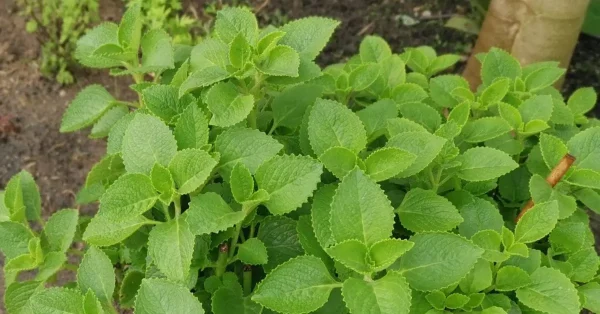
How to Grow Cuban Oregano Plants: A Complete Care Guide
If you’ve ever wanted a plant that combines the culinary punch of traditional oregano with [...]
Aug

How to Grow Habanero Pepper Plants: A Step-by-Step Guide
Habanero pepper plants are prized for their vibrant colors, intense heat, and exceptional flavor, making [...]
Aug

Reviews
There are no reviews yet.