
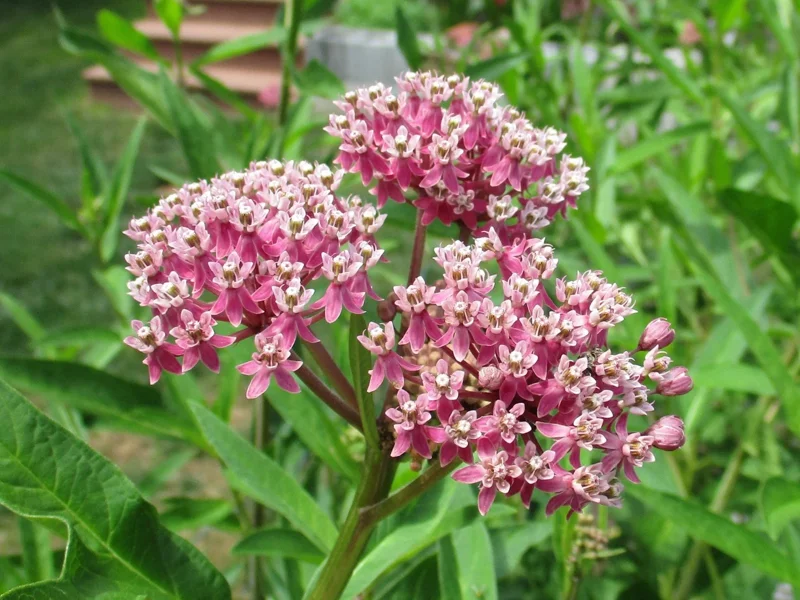
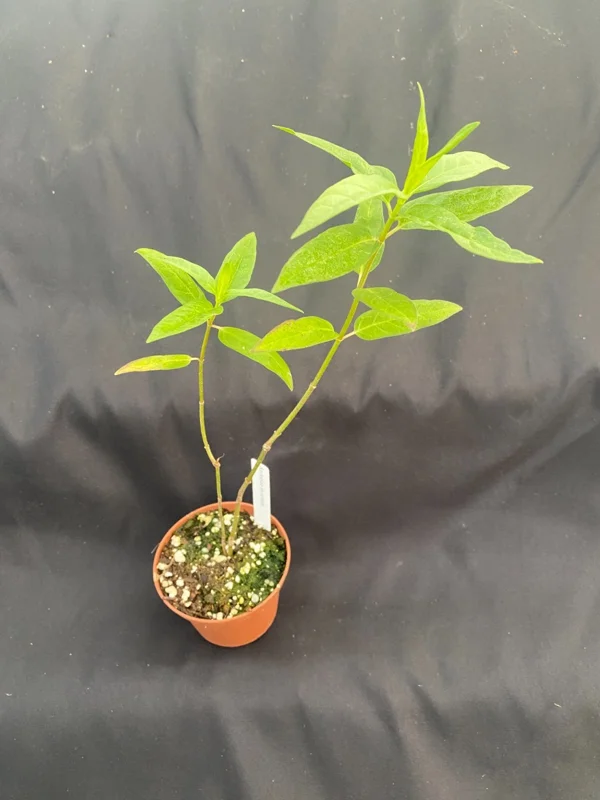
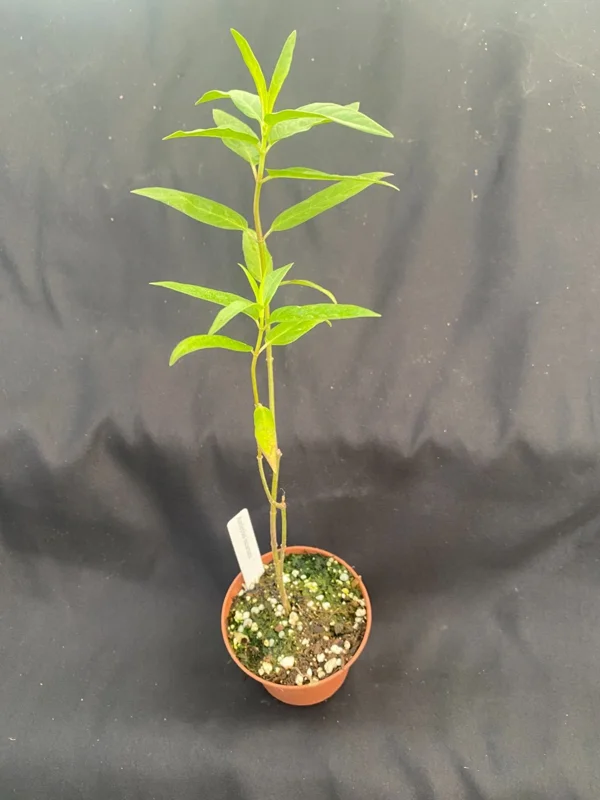
Pink Perennial Milkweed – Asclepias incarnata Live Plant – 3 inch Pot
$17.38
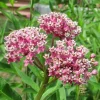
Bring a touch of vibrant pink to your garden with this Pink Perennial Milkweed (Asclepias incarnata). This rooted live plant, shipped in a 3-inch pot, is a crucial host for monarch butterfly caterpillars and a beautiful addition to any pollinator garden. Known for its charming pink flowers, it thrives in moist conditions, making it an excellent choice for rain gardens or pond edges. Easy to grow and maintain, this Asclepias incarnata plant is a perfect way to support local ecosystems.
Shipping and Return policies:
We stand behind our plants with our Alive & Thrive Guarantee. If you experience any issues within the first 30 days, please email us, and our team will be happy to help. When needed, we’ll send you a one-time replacement free of charge to make sure your garden keeps growing strong.

Reasonable Price
We offer reasonable price

Support 24/7
Contact us 24 hrs a day
100% Money Back
You’ve 30 days to Return
Payment Secure
100% secure payment
Overview
Introduce the captivating beauty of the pink perennial milkweed, scientifically known as Asclepias incarnata, to your garden. This rooted live plant, arriving in a convenient 3-inch pot, is a true gem for both its aesthetic appeal and its ecological significance. Often referred to as swamp milkweed due to its preference for moist environments, this native perennial is an indispensable host plant for monarch butterfly caterpillars, providing the sole food source they need to grow and metamorphose. Beyond its critical role in supporting monarch populations, the pink perennial milkweed boasts clusters of fragrant, vibrant pink to rose-purple flowers that attract a wide array of pollinators, including bees and other butterflies. Its lush green foliage and upright growth habit make it a stunning addition to wetlands, rain gardens, borders, or naturalized areas, bringing life and color to any landscape. This easy-to-grow plant ensures a continuous display of beauty and ecological benefit throughout the growing season.
The Asclepias incarnata plant is a robust and resilient species, native to much of North America. It is characterized by its strong stems, narrow leaves, and showy, umbrella-like flower clusters that emerge in mid to late summer. Unlike some other milkweed varieties, swamp milkweed is less aggressive in its spreading habits, making it a manageable choice for smaller gardens while still offering significant ecological value. Its adaptability to various soil types, as long as moisture is consistent, contributes to its popularity among gardeners seeking both beauty and biodiversity. Cultivating this plant is a rewarding experience, providing an up-close view of the monarch life cycle and contributing to the conservation of these iconic pollinators.
Key Benefits
The pink perennial milkweed offers a multitude of benefits for your garden and local ecosystem. Its vibrant blooms and ecological role make it a highly desirable plant. Here are some of the key advantages:
- Monarch Butterfly Host Plant: Asclepias incarnata is a vital host plant for monarch butterfly caterpillars. Planting this milkweed directly supports the monarch population by providing the necessary food for their larval stage, making it essential for monarch conservation efforts.
- Attracts Pollinators: The fragrant, nectar-rich pink flowers are a magnet for a diverse range of pollinators, including bees, other butterfly species, and hummingbirds. This boosts biodiversity in your garden and contributes to the health of surrounding ecosystems.
- Beautiful Ornamental Display: With its striking clusters of pink flowers and attractive foliage, swamp milkweed for sale provides a long-lasting and colorful display from summer through early fall. It adds vertical interest and a touch of wild beauty to garden beds and naturalized areas.
- Tolerates Moist Conditions: Unlike many garden plants, this milkweed thrives in moist to wet soils, making it an excellent choice for rain gardens, pond edges, or areas with poor drainage. This adaptability ensures success in challenging garden spots.
- Low Maintenance: Once established, the Asclepias incarnata plant is relatively low maintenance. It is generally resistant to pests and diseases and requires minimal care, making it suitable for busy gardeners.
- Native Plant Benefits: As a native species, it is well-adapted to local climates and ecosystems, requiring less intervention and providing optimal benefits for native wildlife. Native plants are crucial for creating sustainable and resilient landscapes.
- Deer Resistant: The milky sap found in milkweed plants makes them unpalatable to deer, offering a natural deterrent against browsing in areas where deer are a concern.
Plant Care & Growing Tips
Caring for your pink perennial milkweed (Asclepias incarnata) is straightforward, especially when you understand its preferred growing conditions. This native plant is quite resilient, but providing the right environment will ensure vigorous growth and abundant blooms. For optimal health and to ensure it remains a thriving butterfly host plant, consider the following care guidelines.
Sunlight Requirements
Asclepias incarnata thrives in full sun, meaning it needs at least 6 hours of direct sunlight per day. While it can tolerate partial shade, too little sun may result in fewer flowers and a leggy growth habit. For the most vibrant blooms and strongest stems, choose a location in your garden that receives ample direct sunlight throughout the day. This plant is well-suited for open garden beds, meadows, or the sunny edges of ponds and streams.
Watering Schedule and Soil Moisture Preferences
The common name swamp milkweed hints at its love for moisture. This plant prefers consistently moist to wet soil. Do not let the soil dry out completely, especially during hot, dry spells or its establishment phase. For newly planted specimens, water regularly until the roots are well-established. Mature plants are somewhat more tolerant of brief dry periods but will perform best with consistent moisture. If planting in a drier area, consider amending the soil to improve water retention or plan for more frequent irrigation.
Soil Type and Drainage Requirements
While it prefers moist conditions, good drainage is still important to prevent root rot. Asclepias incarnata adapts to a variety of soil types, including clay, loam, and sand, as long as they are consistently moist. A rich, organic soil will provide the best results. If your soil is very heavy clay, amending it with compost can improve its structure and nutrient content while still retaining moisture. The ideal pH range for this plant is slightly acidic to neutral.
Temperature Range and USDA Hardiness Zone
This pink perennial milkweed is a hardy plant, typically thriving in USDA Zones 3-9. It is well-adapted to a wide range of temperatures and is quite cold tolerant, returning reliably year after year in suitable climates. It can withstand both the summer heat and winter cold within its hardiness zones. In very hot climates, ensuring adequate moisture is even more crucial.
Fertilization Schedule and Type
Asclepias incarnata generally does not require heavy fertilization, especially if planted in rich, organic soil. An annual application of compost around the base of the plant in spring can provide sufficient nutrients. If your soil is poor or you notice stunted growth, a balanced, slow-release granular fertilizer can be applied according to package directions. Avoid over-fertilizing, as this can lead to excessive foliage growth at the expense of flowers.
Common Problems and Solutions
While relatively pest-resistant, milkweeds can sometimes attract aphids. A strong spray of water or an application of insecticidal soap can usually manage aphid populations. Black spot or other fungal diseases are rare but can occur in overly humid or poorly air-circulated conditions; ensure good plant spacing. The best way to prevent issues is to provide proper growing conditions, as a healthy plant is more resistant to problems. Understanding native milkweed care will lead to a thriving plant.
Size & Details
This pink perennial milkweed (Asclepias incarnata) is shipped as a robust, rooted live plant in a 3-inch nursery pot. Upon arrival, the plant will have established roots, green leaves, and may or may not be in bloom depending on the season. Typically, these plants grow to an average height of 3 to 5 feet, with a spread of 2 to 3 feet, creating a substantial and attractive presence in the garden. Its upright growth habit makes it an excellent backdrop plant or a central feature in a pollinator garden. The growth rate is moderate, and you can expect it to reach its mature size within one to two growing seasons under ideal conditions. The clusters of pink flowers, which are the hallmark of this variety, typically appear from mid-summer through early fall, providing a long season of color and interest. Planting this Asclepias incarnata plant directly into your garden or a larger container will allow it to establish quickly and begin contributing to your local ecosystem.
Frequently Asked Questions
- Q: How big does this pink perennial milkweed get? A: This plant typically grows to a height of 3 to 5 feet and spreads about 2 to 3 feet wide. Its upright form makes it a great addition to the back of a border or a naturalized area.
- Q: What size pot does it come in? A: The pink perennial milkweed is shipped as a rooted live plant in a 3-inch nursery pot, ready for transplanting into your garden or a larger container.
- Q: Is this an indoor or outdoor plant? A: Asclepias incarnata is primarily an outdoor plant, native to North America and best suited for garden beds, rain gardens, or naturalized areas where it can receive full sun.
- Q: How much sunlight does it need? A: This plant thrives in full sun, requiring at least 6 hours of direct sunlight per day for optimal growth and abundant flowering. Partial shade may result in fewer blooms.
- Q: Is this plant easy to care for? A: Yes, native milkweed care is relatively easy. Once established, it is a low-maintenance plant, requiring consistent moisture but generally resistant to pests and diseases.
- Q: Is it good for beginners? A: Absolutely! Its hardiness and minimal care requirements make it an excellent choice for beginner gardeners looking to support local wildlife and add beauty to their landscape.
- Q: What condition will it arrive in? A: Your Asclepias incarnata plant will arrive as a healthy, rooted live plant in a 3-inch pot, carefully packaged to ensure its safe journey.
- Q: How long until it blooms? A: Depending on when it’s planted, you can expect the pink perennial milkweed to bloom from mid-summer through early fall in its first or second year.
- Q: Can I use swamp milkweed for sale in a rain garden? A: Yes, swamp milkweed is an ideal plant for rain gardens due to its preference for consistently moist to wet soil conditions.
- Q: Will it survive winter in my zone? A: This perennial is hardy in USDA Zones 3-9, meaning it will typically die back in winter and return reliably from its roots in spring within these zones.
Be the first to review “Pink Perennial Milkweed – Asclepias incarnata Live Plant – 3 inch Pot”
You must be logged in to post a review.
People also Viewed
Sold 50 products
$32.38
Sold 50 products
$27.38
Sold 50 products
$32.38
Sold 50 products
$19.88
Sold 50 products
$62.38
Sold 50 products
$24.88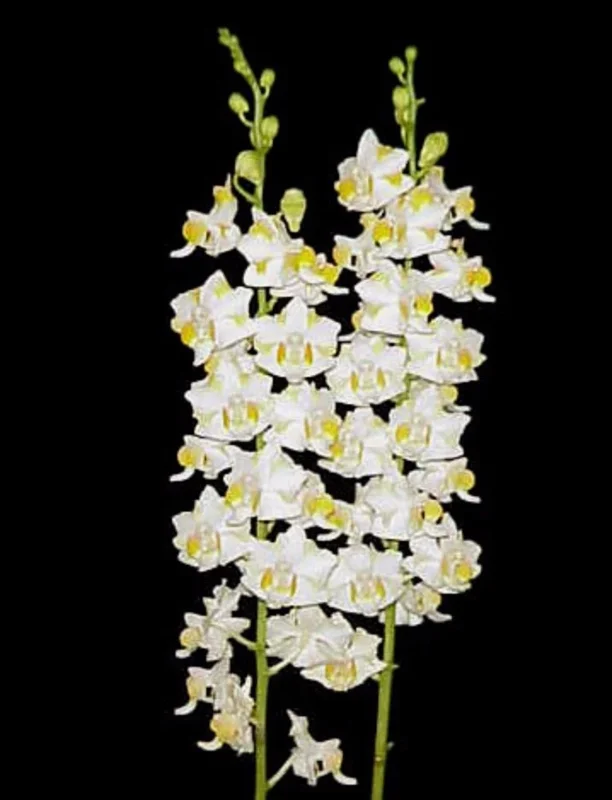
Houseplants
Phalaenopsis pulcherrima ‘Mauna Kea Snow’ Orchid Live Plant – White Flowers, Potted 2.5 in
Sold 50 products
$49.88
Sold 50 products
$49.88RELATED posts
Awapuhi Wild Ginger Plant: Zones, Care, and Propagation
Learn which USDA zones suit awapuhi wild ginger, plus sunlight, water, planting, propagation, pests, size, [...]
Awapuhi Shampoo Ginger – Care, Growing Zones, and Differences
Learn how to grow awapuhi (shampoo) ginger, its USDA zones, watering schedule, propagation tips, and [...]
Awapuhi Shampoo Plant Buying Guide – Choose the Right Zingiber zerumbet
META: Learn which awapuhi (shampoo ginger) plant or rhizome pack gives the best natural shampoo, [...]
Awapuhi Plant for Sale: Complete Buying Guide
Find the right awapuhi (shampoo ginger) plant, size, price, soil mix, and online source. Practical [...]
Shampoo Ginger Plant for Sale – Buying Guide & Tips
Find the right shampoo ginger plant, size, price, and care tips. Quick guide for U.S. [...]
Shampoo Ginger Plant (Awapuhi) Care Guide
Learn how to grow, care for, and use shampoo ginger (Zingiber zerumbet), the tropical awapuhi [...]
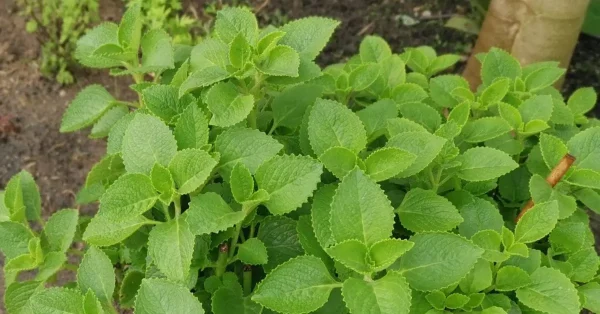
How to Grow Cuban Oregano Plants: A Complete Care Guide
If you’ve ever wanted a plant that combines the culinary punch of traditional oregano with [...]
Aug

How to Grow Habanero Pepper Plants: A Step-by-Step Guide
Habanero pepper plants are prized for their vibrant colors, intense heat, and exceptional flavor, making [...]
Aug

Reviews
There are no reviews yet.