
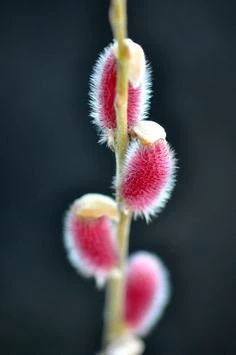
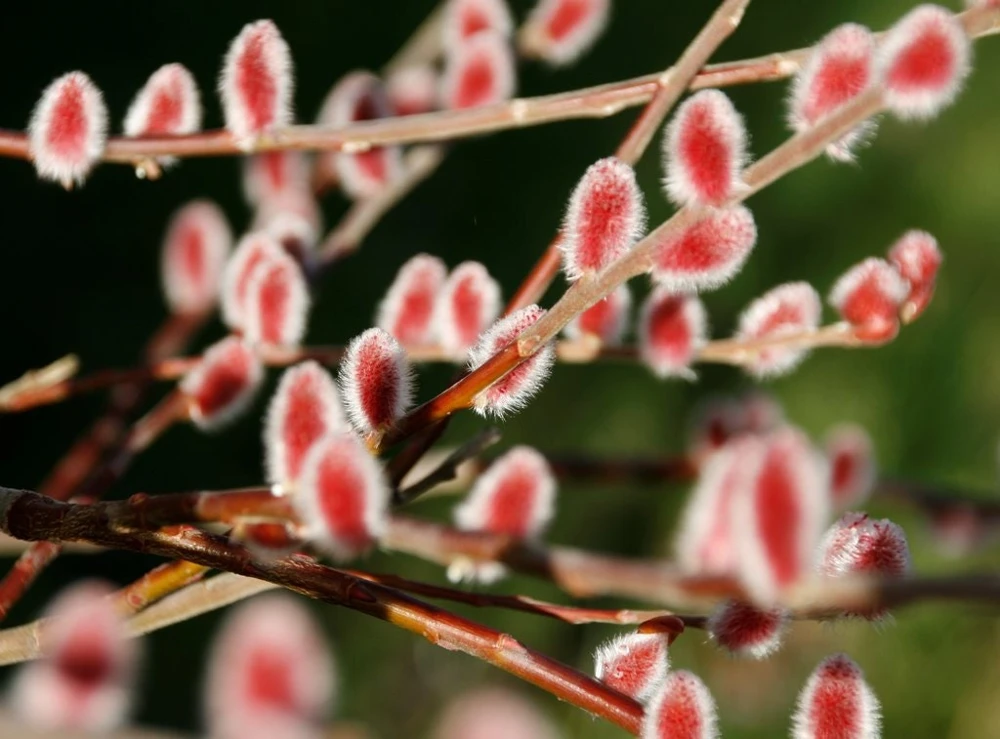
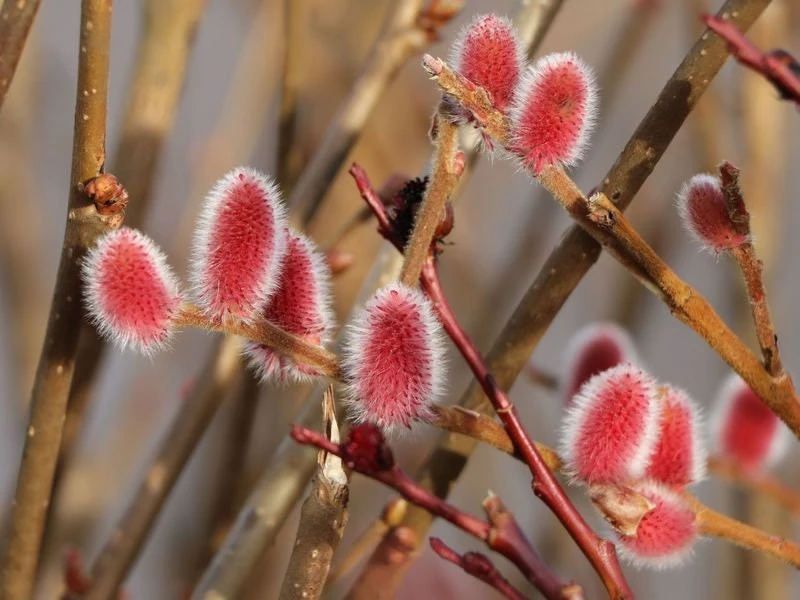
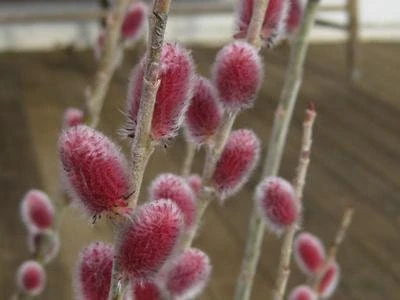

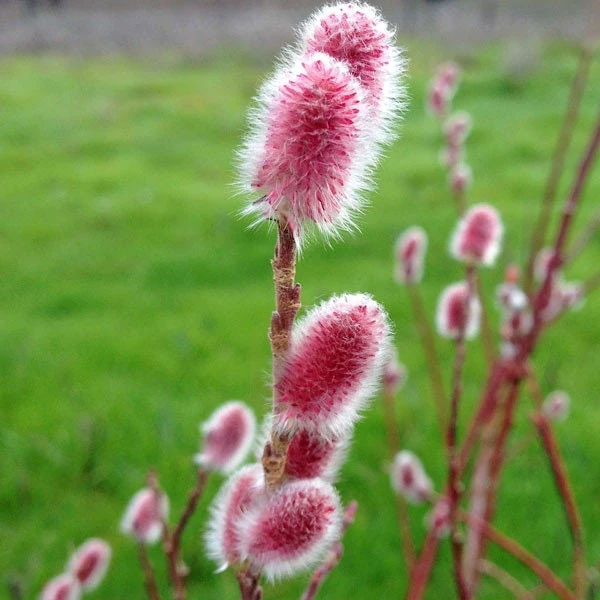
Pink Japanese Pussy Willow Mt Aso Live Plant, Shrub Bush, Starter Plant, Zones 4-7
Original price was: $25.78.$20.84Current price is: $20.84.
Add unique beauty to your landscape with the pink japanese pussy willow live plant. This captivating mt aso willow shrub features striking silvery foliage and a compact form, perfect for smaller gardens or mixed plantings. A hardy and ornamental choice for zones 4-7, it offers year-round visual interest.
Shipping and Return policies:
We stand behind our plants with our Alive & Thrive Guarantee. If you experience any issues within the first 30 days, please email us, and our team will be happy to help. When needed, we’ll send you a one-time replacement free of charge to make sure your garden keeps growing strong.

Reasonable Price
We offer reasonable price

Support 24/7
Contact us 24 hrs a day
100% Money Back
You’ve 30 days to Return
Payment Secure
100% secure payment
Overview
Introduce a touch of elegance and unique texture to your garden with the pink japanese pussy willow live plant. Known botanically as Salix gracilistyla ‘Mount Aso’, this distinctive shrub is celebrated for its attractive, compact growth habit and its striking silvery foliage. Originating from the Mt. Aso region of Japan, it brings an exotic yet hardy charm to any outdoor space. Unlike typical willows, the ‘Mt. Aso’ variety offers a refined aesthetic with its soft, narrow leaves that transition from light green to a beautiful silver, creating a captivating visual effect. This particular listing provides a healthy starter plant, ready to establish and flourish in your landscape, offering an easy way to incorporate this sought-after ornamental plant into your collection.
The pink japanese pussy willow live plant is highly valued by gardeners for its ability to add significant aesthetic appeal without demanding excessive space. Its smaller, rounded shape makes it an excellent choice for various garden designs, from focal points in perennial beds to a sophisticated addition in mixed borders. This mt aso willow shrub is not just visually appealing; it’s also a robust and adaptable plant, thriving in a range of conditions once established. It’s an investment in enduring beauty and a testament to nature’s artistry, promising to be a conversation starter in any garden setting.
Key Benefits
The pink japanese pussy willow live plant offers a multitude of benefits that make it a desirable addition to any garden. Its unique characteristics contribute to its appeal and ease of integration into diverse landscapes. Discover why this ornamental shrub is a favorite among gardening enthusiasts:
- Striking Foliage: The silvery-green leaves provide a distinctive color and texture, offering year-round visual interest even when not in bloom. This unique coloration helps it stand out from other garden plants.
- Compact Growth Habit: Unlike larger willow varieties, the ‘Mt. Aso’ maintains a manageable, rounded shape, making it ideal for smaller gardens, containers, or as a sophisticated accent plant.
- Hardy & Adaptable: Thriving in USDA Zones 4-7, this hardy pussy willow plant is resilient to various climates and soil types, ensuring a successful growing experience for many gardeners.
- Early Spring Interest: Before its leaves fully emerge, this willow produces delicate, often pink-tinged catkins, providing early spring beauty and a welcome sign of the season’s arrival.
- Low Maintenance: Once established, the salix gracilistyla mt aso requires minimal care, primarily needing occasional pruning to maintain its shape and promote healthy growth.
- Versatile Landscaping: Its elegant appearance and compact size allow for versatile use in the landscape, from mass plantings to specimen plants, or even as a charming hedge.
- Pollinator Friendly: The early catkins provide a valuable food source for early emerging pollinators, contributing to local biodiversity.
Plant Care & Growing Tips
Caring for your pink japanese pussy willow live plant is relatively straightforward, ensuring it thrives and beautifies your garden for years to come. This robust shrub adapts well to various conditions, but understanding its preferences will help you achieve the best results. For optimal growth, site your mt aso willow shrub in a location that receives full sun to partial shade. Full sun encourages denser growth and more vibrant foliage, while partial shade can be beneficial in hotter climates to prevent leaf scorch. Aim for at least 6 hours of direct sunlight daily.
When it comes to soil, the hardy pussy willow plant prefers moist, well-draining soil. It is adaptable to a range of soil types but ideally thrives in slightly acidic to neutral pH levels. Regular watering is crucial, especially during dry spells and in the plant’s first year of establishment. It does not tolerate prolonged dry soil, so consistent moisture is key. During hot summer months, you may need to water more frequently. Regarding temperature, this plant prefers cooler climates and is highly resilient, capable of withstanding frost and moderate cold within its recommended Hardiness Zones 4-7. Mulching around the base can help conserve soil moisture and protect the roots during colder periods.
Pruning should be done in late winter or early spring while the plant is dormant. This helps maintain its desired shape, removes any dead or damaged branches, and encourages new growth. Fertilization is generally not heavily required for a mature salix gracilistyla mt aso, but a balanced slow-release fertilizer in early spring can boost its vigor. Watch out for common willow pests like aphids or rust; good air circulation and appropriate treatments can manage these issues effectively. Following these guidelines will ensure your pink japanese pussy willow live plant remains a stunning and healthy feature in your garden.
Size & Details
This offering is for a vibrant pink japanese pussy willow live plant starter, carefully nurtured to ensure a strong beginning in your garden. Each plant is unique and will vary slightly in size, color, and shape depending on the season, reflecting its natural growth cycle. These starter plants are typically shipped either bare root or in a 2.5×4 inch greenhouse pot, providing a well-rooted specimen ready for transplanting. When mature, the mt aso willow shrub typically grows to a compact size, reaching approximately 4-6 feet in height and spread, forming an attractive rounded bush. Its moderate growth rate means you will see noticeable development within the first few seasons.
The salix gracilistyla mt aso is known for its elegant, slender branches and delicate silvery leaves that offer a soft texture to the landscape. While it can be pruned to maintain a smaller size, its natural compact habit makes it suitable for various garden applications without becoming overgrown. This ornamental garden shrub will begin to establish itself quickly after planting, developing a robust root system and putting out new foliage. Expect its full beauty to emerge as it settles into its new environment, providing a captivating display of color and form.
Frequently Asked Questions
- Q: How big does this plant get? A: The pink japanese pussy willow live plant typically grows to a compact size of 4-6 feet in both height and spread, forming an attractive rounded bush. Its mature size can be managed with annual pruning.
- Q: Is this an indoor or outdoor plant? A: This is an outdoor plant, a hardy shrub best suited for garden landscapes. It thrives in USDA Hardiness Zones 4-7.
- Q: How much sunlight does it need? A: The mt aso willow shrub prefers full sun to partial shade, ideally receiving at least 6 hours of direct sunlight per day for optimal growth and foliage color.
- Q: Is this plant easy to care for? A: Yes, once established, the hardy pussy willow plant is relatively low-maintenance. It primarily requires consistent watering, especially during dry periods, and annual pruning to maintain its shape.
- Q: What condition will it arrive in? A: Your pink japanese pussy willow live plant will arrive as a rooted starter plant, either bare root or in a 2.5×4 inch greenhouse pot, ready for planting. We ensure careful packaging for safe transit.
- Q: When is the best time to plant? A: The best time to plant your salix gracilistyla mt aso is in spring or early fall, allowing the plant ample time to establish its root system before extreme weather conditions.
- Q: Will it survive winter in my zone? A: Yes, this ornamental garden shrub is hardy and can withstand winter conditions in USDA Zones 4-7. Mulching around the base can provide extra protection in colder areas.
- Q: What kind of soil does it prefer? A: It thrives in moist, well-draining soil. While adaptable, it prefers slightly acidic to neutral pH levels. Avoid overly dry or waterlogged conditions.
- Q: Does it have pink flowers? A: While often referred to as “pink pussy willow,” the plant produces soft, fuzzy catkins that often have a pinkish hue before the leaves emerge, rather than traditional flowers.
- Q: Can I grow the pink japanese pussy willow live plant in a container? A: Yes, due to its compact size, the ‘Mt. Aso’ willow can be successfully grown in a large container, provided it receives adequate water and drainage.
Be the first to review “Pink Japanese Pussy Willow Mt Aso Live Plant, Shrub Bush, Starter Plant, Zones 4-7”
You must be logged in to post a review.
People also Viewed
Sold 50 products
$32.38
Sold 50 products
$27.38
Sold 50 products
$32.38
Sold 50 products
$19.88
Sold 50 products
$62.38
Sold 50 products
$24.88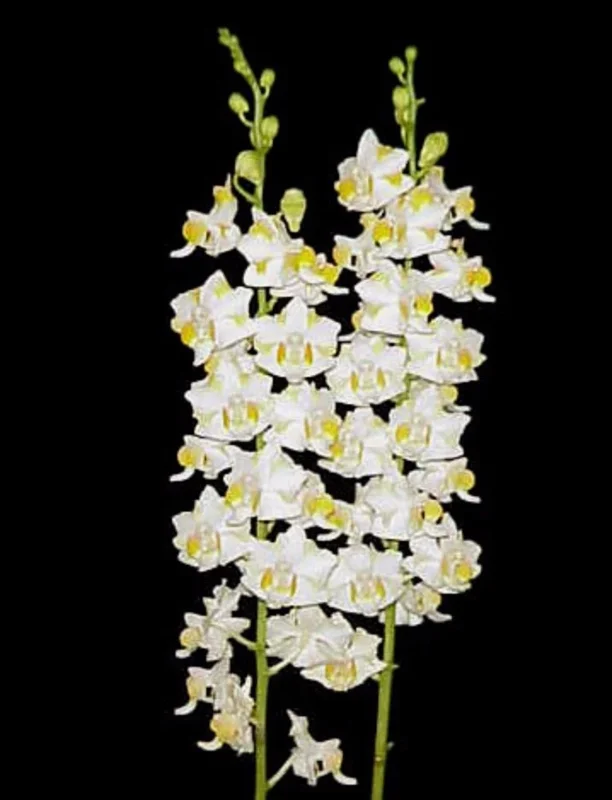
Houseplants
Phalaenopsis pulcherrima ‘Mauna Kea Snow’ Orchid Live Plant – White Flowers, Potted 2.5 in
Sold 50 products
$49.88
Sold 50 products
$49.88RELATED posts
Awapuhi Wild Ginger Plant: Zones, Care, and Propagation
Learn which USDA zones suit awapuhi wild ginger, plus sunlight, water, planting, propagation, pests, size, [...]
Awapuhi Shampoo Ginger – Care, Growing Zones, and Differences
Learn how to grow awapuhi (shampoo) ginger, its USDA zones, watering schedule, propagation tips, and [...]
Awapuhi Shampoo Plant Buying Guide – Choose the Right Zingiber zerumbet
META: Learn which awapuhi (shampoo ginger) plant or rhizome pack gives the best natural shampoo, [...]
Awapuhi Plant for Sale: Complete Buying Guide
Find the right awapuhi (shampoo ginger) plant, size, price, soil mix, and online source. Practical [...]
Shampoo Ginger Plant for Sale – Buying Guide & Tips
Find the right shampoo ginger plant, size, price, and care tips. Quick guide for U.S. [...]
Shampoo Ginger Plant (Awapuhi) Care Guide
Learn how to grow, care for, and use shampoo ginger (Zingiber zerumbet), the tropical awapuhi [...]
How to Grow Cuban Oregano Plants: A Complete Care Guide
If you’ve ever wanted a plant that combines the culinary punch of traditional oregano with [...]
Aug
How to Grow Habanero Pepper Plants: A Step-by-Step Guide
Habanero pepper plants are prized for their vibrant colors, intense heat, and exceptional flavor, making [...]
Aug


Reviews
There are no reviews yet.