
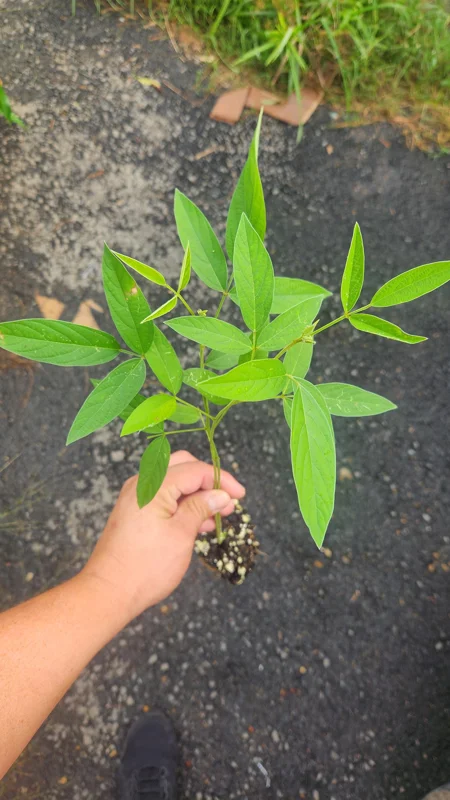
Pigeon Pea Seeds – Shrubby Legume for Edible Gardens & Healthy Harvests
$102.50
Cultivate your own nutritious harvest with our premium pigeon pea seeds. This versatile shrubby legume seeds, also known as gandules, produces healthy, protein-rich peas ideal for edible gardens in warm climates. Enjoy a sustainable and rewarding growing experience.
Shipping and Return policies:
We stand behind our plants with our Alive & Thrive Guarantee. If you experience any issues within the first 30 days, please email us, and our team will be happy to help. When needed, we’ll send you a one-time replacement free of charge to make sure your garden keeps growing strong.

Reasonable Price
We offer reasonable price

Support 24/7
Contact us 24 hrs a day
100% Money Back
You’ve 30 days to Return
Payment Secure
100% secure payment
Overview
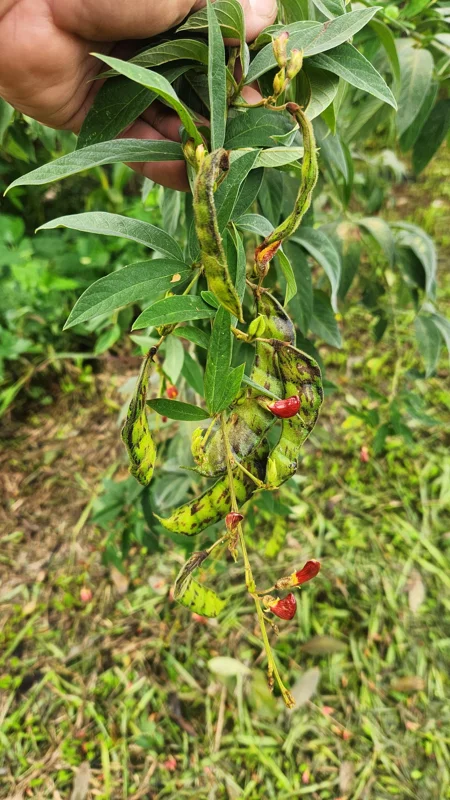
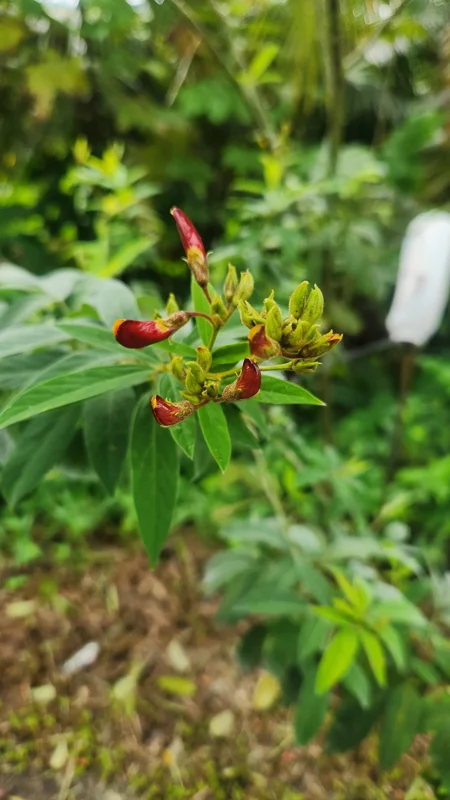
Embark on a rewarding gardening journey with our high-quality pigeon pea seeds. The pigeon pea, scientifically known as Cajanus cajan, is a fascinating and highly beneficial shrubby legume that has been cultivated for thousands of years. While its exact origin is debated between Africa and India, its widespread adoption across tropical and subtropical regions speaks to its adaptability and value. These seeds will allow you to grow robust plants that yield delicious and nutritious peas, often referred to as gandules in many Latin American countries. This plant is not only a fantastic source of protein and essential nutrients but also contributes to soil health through nitrogen fixation, making it an excellent choice for sustainable gardening practices. Whether you’re an experienced gardener or just starting, learning how to grow pigeon peas can be a deeply satisfying experience, providing fresh, healthy produce right from your backyard.
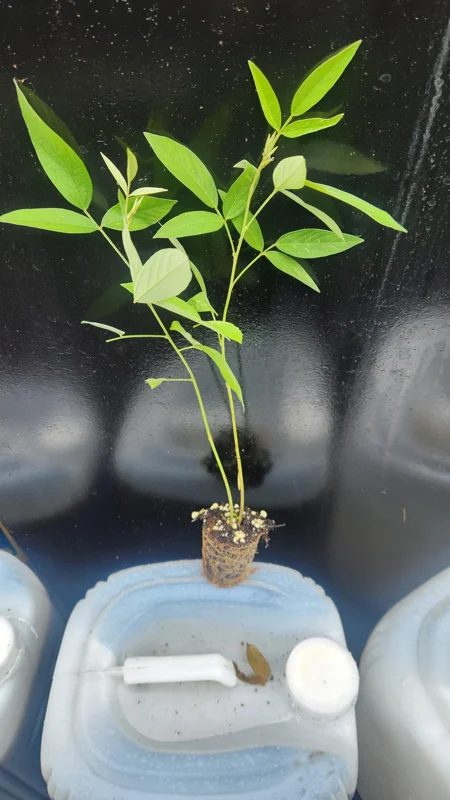
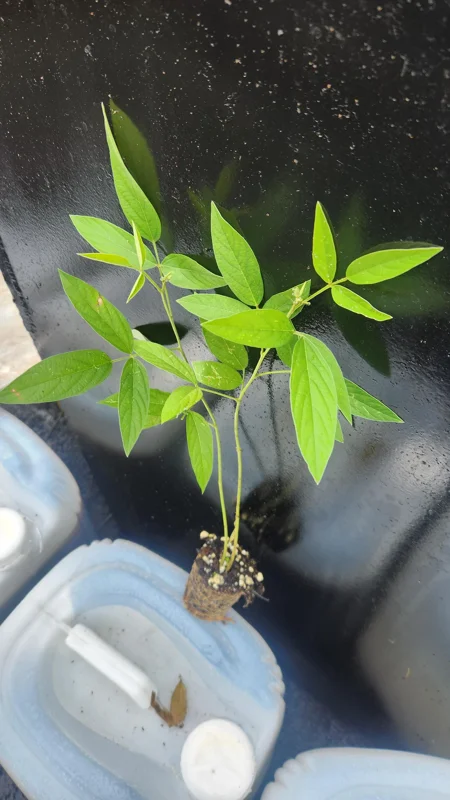
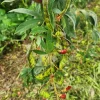
Our Cajanus cajan seeds are carefully selected to ensure strong germination and vigorous growth, leading to a bountiful harvest. The resulting plants are a shrubby legume with alternating trifoliolate leaves, similar in appearance to the common pea plant, but with a more upright, bushy growth habit. This makes them an attractive and productive addition to food forests, permaculture designs, or traditional vegetable gardens. The pigeon pea is renowned for its resilience and ability to thrive in various conditions, offering a reliable food source. Discover the joy of cultivating this ancient and healthy crop.
Key Benefits
Growing pigeon peas offers a multitude of benefits, both for your garden and your plate. These versatile plants provide a sustainable food source and enrich your garden ecosystem. Our pigeon pea seeds are your first step towards unlocking these advantages.
- Nutritional Powerhouse: Pigeon peas are incredibly healthy and a staple in many cuisines. They are packed with protein, dietary fiber, vitamins (like B vitamins), and minerals (such as iron, potassium, and magnesium), making them an excellent addition to a balanced diet.
- Soil Improvement: As a legume, the pigeon pea plant has the remarkable ability to fix atmospheric nitrogen into the soil. This natural process enriches soil fertility, reducing the need for synthetic fertilizers and benefiting other plants in your garden.
- Drought Tolerance: Once established, pigeon pea plants are known for their impressive drought resistance. This makes them a reliable crop in regions with less consistent rainfall, contributing to food security and requiring less water than many other vegetable crops.
- Versatile Culinary Use: The peas can be harvested green for fresh consumption, or allowed to mature and dry for storage. They are used in a wide array of dishes, from stews and soups to salads and side dishes, particularly popular in Caribbean and Latin American cooking. Learning to grow pigeon peas opens up a world of culinary possibilities.
- Low Maintenance: These shrubby legume seeds grow into relatively low-maintenance plants. Once they are established, they require minimal care, making them suitable for gardeners looking for productive plants that don’t demand constant attention.
- Pest and Disease Resistance: Pigeon peas generally exhibit good resistance to many common pests and diseases, contributing to a healthier garden ecosystem and reducing the need for chemical interventions.
- Long Harvest Period: Depending on the variety and climate, pigeon peas can offer a prolonged harvest period, providing fresh produce over several months, ensuring a continuous supply of this nutritious legume.
Plant Care & Growing Tips
Successful cultivation of pigeon peas begins with understanding their basic needs. To get the best results from your pigeon pea seeds, consider the following care and growing tips. Pigeon peas thrive in warm, sunny conditions. They require a location that receives at least 6-8 hours of direct sunlight per day. In cooler climates, starting seeds indoors before the last frost can give them a head start. The ideal temperature range for growth is between 68°F and 86°F (20°C to 30°C). They are sensitive to frost, so ensure they are planted after all danger of frost has passed in your area. For optimal growth and yield, provide consistent moisture during the germination and early growth stages. Once established, pigeon peas are quite drought-tolerant, but regular watering during dry spells will promote better pod development. Avoid waterlogging, as this can lead to root rot. Well-draining soil is crucial.
Pigeon peas prefer well-draining, moderately fertile soil with a pH between 5.0 and 7.0. They can tolerate a range of soil types, including sandy, loamy, and even some heavier clay soils, as long as drainage is adequate. As legumes, they benefit from the presence of nitrogen-fixing bacteria in the soil. While they don’t require heavy fertilization, a balanced slow-release fertilizer at planting can be beneficial, especially if your soil is poor. Avoid excessive nitrogen, which can promote leafy growth at the expense of pod production. Pruning can be done to shape the plant and encourage bushier growth, though it’s not strictly necessary. Monitor for common garden pests, but pigeon peas are generally quite resilient. Harvesting typically occurs when the pods are plump and green for fresh use, or when they have dried on the plant for storage. Knowing how to grow pigeon peas effectively ensures a rewarding harvest.
Size & Details
Our pigeon pea seeds will mature into a shrubby legume typically reaching heights of 3 to 10 feet (1 to 3 meters), depending on the variety and growing conditions. They develop a bushy, upright growth habit, making them suitable for various garden layouts, including as a living fence or in a mixed perennial bed. The plants are fast-growing, with the first harvest of green peas often possible within 90-120 days from planting. For dry peas, the plants will require a longer growing season, typically 150-250 days. These seeds are suitable for planting in warm climates and are generally considered a perennial in tropical regions, though often grown as an annual in temperate zones due to frost sensitivity. Each packet contains a generous quantity of viable gandules seeds, ensuring you have ample opportunity for a successful crop. They are shipped as dry seeds, ready for planting.
Frequently Asked Questions
- Q: How big does this plant get? A: The pigeon pea plant typically grows as a shrub, reaching heights of 3 to 10 feet (1 to 3 meters). Its size can vary based on the specific variety, climate, and growing conditions you provide, but it generally forms a substantial bush.
- Q: Is this an indoor or outdoor plant? A: Pigeon peas are primarily an outdoor plant, thriving in full sun and warm temperatures. While you can start pigeon pea seeds indoors in cooler climates to extend the growing season, they need to be transplanted outdoors to flourish and produce a good harvest.
- Q: How much sunlight does it need? A: For optimal growth and pea production, pigeon pea plants require at least 6 to 8 hours of direct sunlight per day. They are sun-loving plants and will not perform well in shaded conditions.
- Q: Is this plant easy to care for? A: Yes, pigeon peas are generally considered easy to care for, especially once established. They are known for their resilience, drought tolerance, and minimal fertilization needs, making them suitable for both beginner and experienced gardeners looking to grow pigeon peas.
- Q: What condition will it arrive in? A: Your product will arrive as high-quality, dry Cajanus cajan seeds, packaged securely to ensure viability and readiness for planting. These are not live plants but dormant seeds ready to sprout.
- Q: When is the best time to plant? A: The best time to plant shrubby legume seeds like pigeon peas is after all danger of frost has passed in your region and soil temperatures have warmed, typically in late spring or early summer. In tropical climates, they can be planted year-round.
- Q: Will it survive winter in my zone? A: Pigeon peas are frost-sensitive. In USDA zones where winter temperatures drop below freezing, they are typically grown as annuals. In warmer, frost-free USDA zones (generally 9-11 and above), they can be grown as perennials.
- Q: Can I use these seeds for culinary purposes directly? A: While these are edible seeds, they are sold for planting purposes. For culinary use, you would typically plant them, harvest the pods, and then consume the fresh or dried peas.
- Q: What is the main benefit of growing pigeon peas? A: One of the main benefits is their dual role as a highly nutritious food source, rich in protein and fiber, and their ability to improve soil fertility through nitrogen fixation, making them great for sustainable gardening.
- Q: Are these gandules seeds the same as pigeon peas? A: Yes, ‘gandules’ is a common name for pigeon peas, especially in various Latin American and Caribbean cultures. So, these are indeed gandules seeds.
Be the first to review “Pigeon Pea Seeds – Shrubby Legume for Edible Gardens & Healthy Harvests”
You must be logged in to post a review.
People also Viewed
Sold 50 products
$32.38
Sold 50 products
$27.38
Sold 50 products
$32.38
Sold 50 products
$19.88
Sold 50 products
$62.38
Sold 50 products
$24.88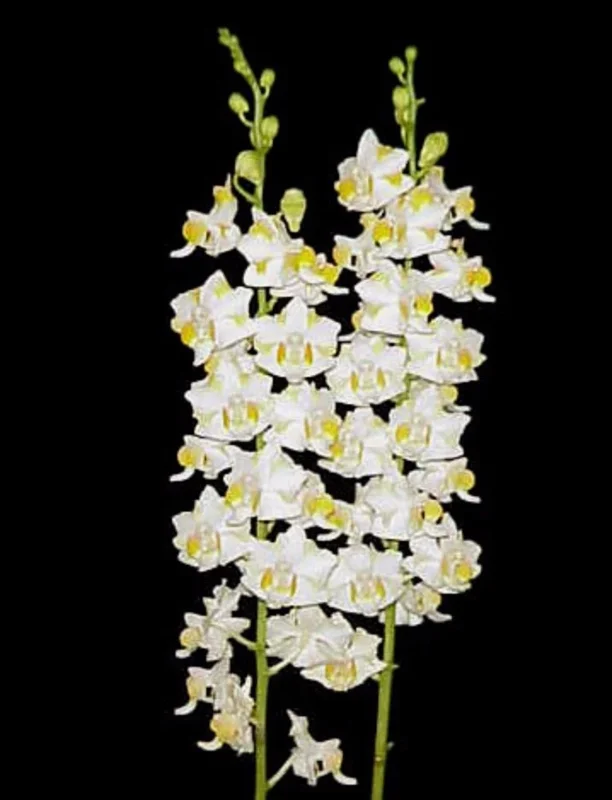
Houseplants
Phalaenopsis pulcherrima ‘Mauna Kea Snow’ Orchid Live Plant – White Flowers, Potted 2.5 in
Sold 50 products
$49.88
Sold 50 products
$49.88RELATED posts
Awapuhi Wild Ginger Plant: Zones, Care, and Propagation
Learn which USDA zones suit awapuhi wild ginger, plus sunlight, water, planting, propagation, pests, size, [...]
Awapuhi Shampoo Ginger – Care, Growing Zones, and Differences
Learn how to grow awapuhi (shampoo) ginger, its USDA zones, watering schedule, propagation tips, and [...]
Awapuhi Shampoo Plant Buying Guide – Choose the Right Zingiber zerumbet
META: Learn which awapuhi (shampoo ginger) plant or rhizome pack gives the best natural shampoo, [...]
Awapuhi Plant for Sale: Complete Buying Guide
Find the right awapuhi (shampoo ginger) plant, size, price, soil mix, and online source. Practical [...]
Shampoo Ginger Plant for Sale – Buying Guide & Tips
Find the right shampoo ginger plant, size, price, and care tips. Quick guide for U.S. [...]
Shampoo Ginger Plant (Awapuhi) Care Guide
Learn how to grow, care for, and use shampoo ginger (Zingiber zerumbet), the tropical awapuhi [...]
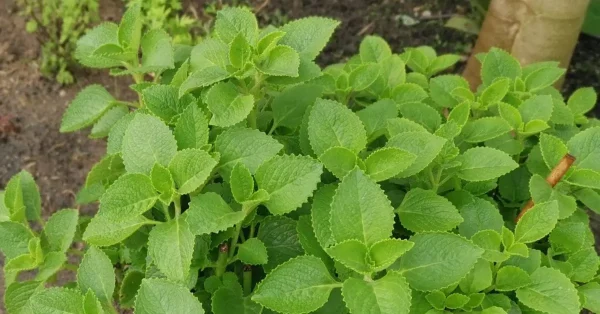
How to Grow Cuban Oregano Plants: A Complete Care Guide
If you’ve ever wanted a plant that combines the culinary punch of traditional oregano with [...]
Aug
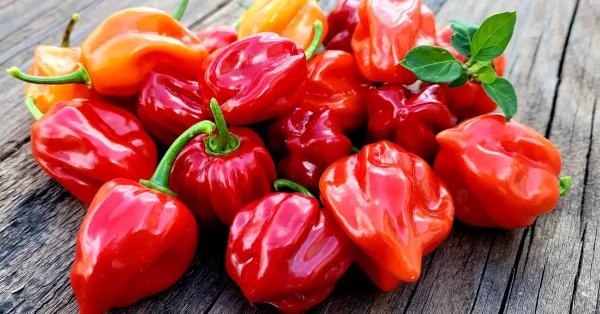
How to Grow Habanero Pepper Plants: A Step-by-Step Guide
Habanero pepper plants are prized for their vibrant colors, intense heat, and exceptional flavor, making [...]
Aug
Reviews
There are no reviews yet.