
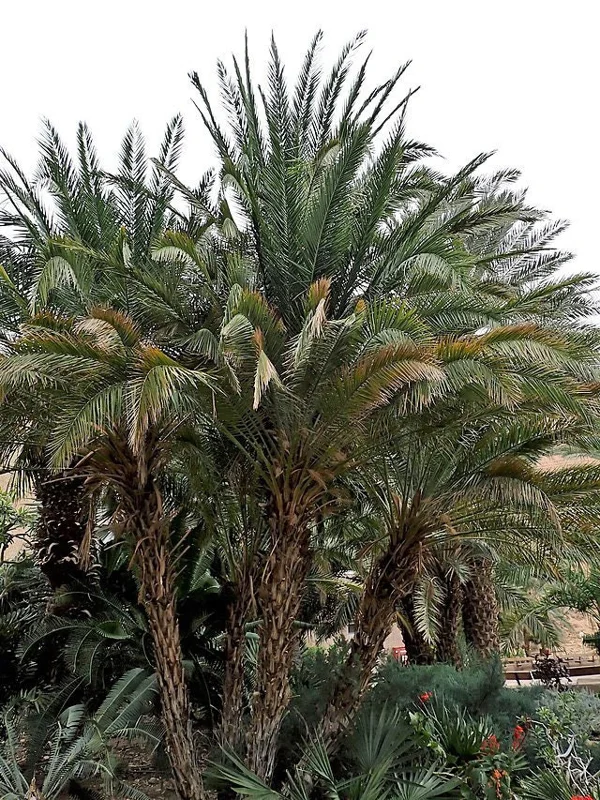
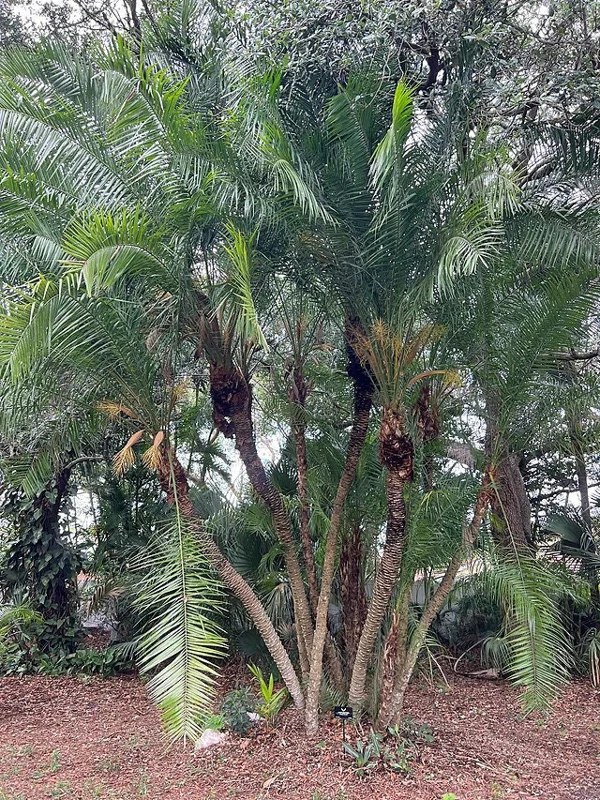
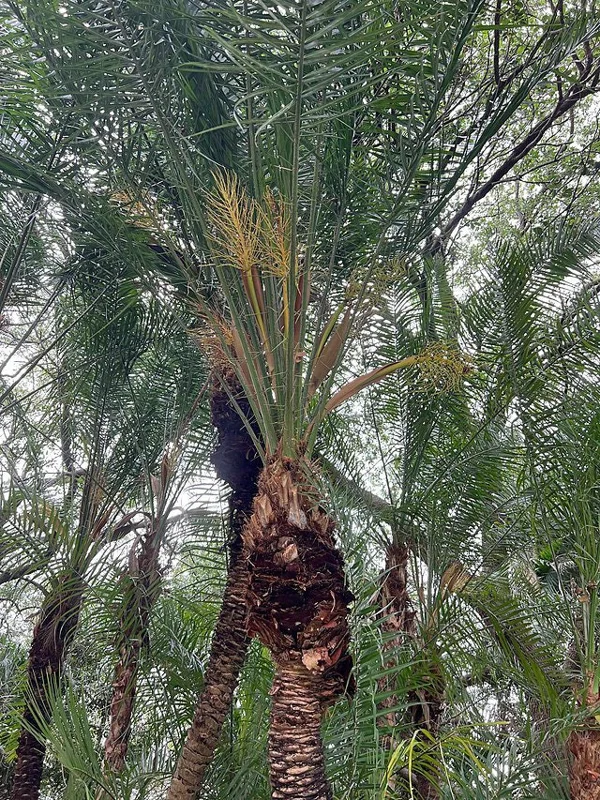
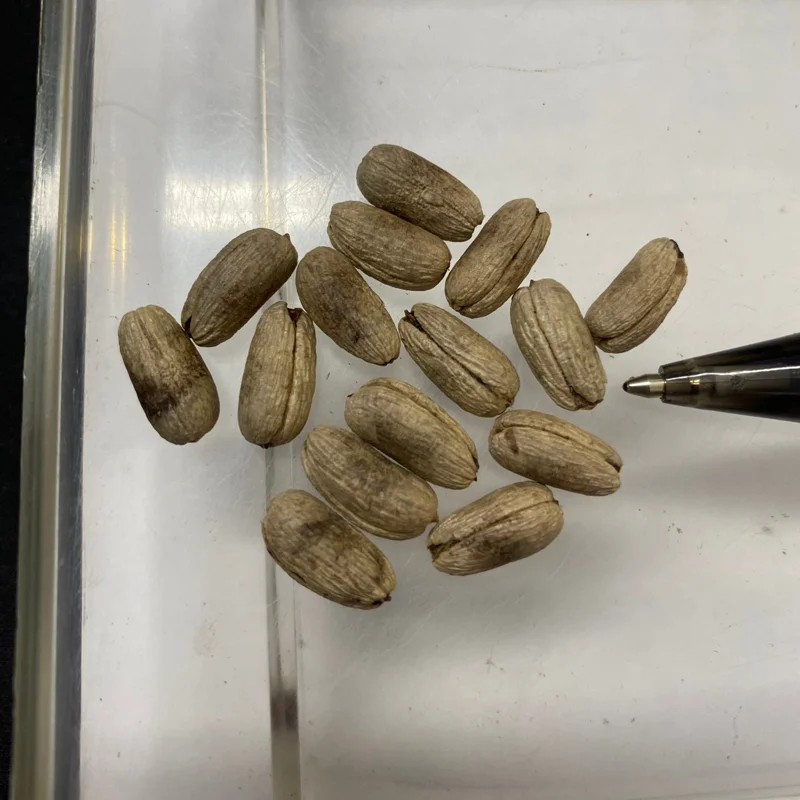
Phoenix rupicola Cliff Date Palm Seeds – 10 Count – Tropical Outdoor Palm
Original price was: $31.00.$22.60Current price is: $22.60.
Cultivate the majestic Phoenix rupicola seeds, also known as the cliff date palm seeds. This packet contains 10 seeds to grow a striking tropical palm known for its elegant, feather-like fronds and adaptability to warm climates (USDA Zones 9-11). Perfect for adding vertical interest to your garden or landscape.
Shipping and Return policies:
We stand behind our plants with our Alive & Thrive Guarantee. If you experience any issues within the first 30 days, please email us, and our team will be happy to help. When needed, we’ll send you a one-time replacement free of charge to make sure your garden keeps growing strong.

Reasonable Price
We offer reasonable price

Support 24/7
Contact us 24 hrs a day
100% Money Back
You’ve 30 days to Return
Payment Secure
100% secure payment
Overview
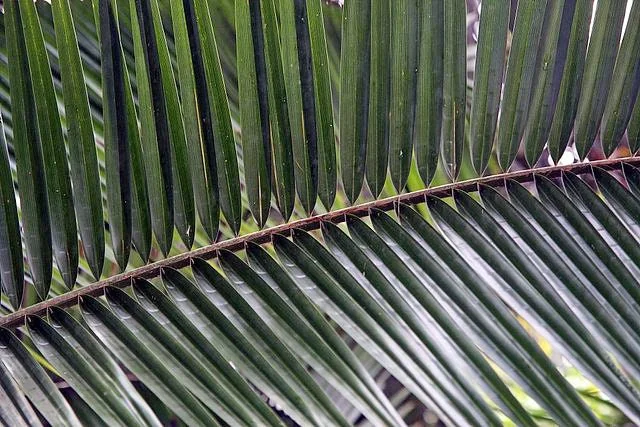
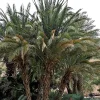
Embark on a rewarding gardening journey with Phoenix rupicola seeds, offering you the opportunity to cultivate the stunning Cliff Date Palm. Also known as the rock date palm, this species is native to the rocky terrains of southwestern India. Renowned for its elegant, feather-like fronds that gracefully emerge from a stout trunk, the Cliff Date Palm creates an appealing tropical silhouette in any landscape. Its vibrant foliage, ranging from bright green to bluish-green, adds a lush, exotic touch to outdoor spaces. Growing your own Phoenix rupicola seeds allows you to witness the development of this beautiful, slow-growing palm from its very beginning, bringing a touch of the tropics to your home.
The Cliff Date Palm is highly prized for its ornamental value and its ability to thrive in warm, subtropical climates. It’s a fantastic choice for gardeners looking to add a unique and robust palm to their collection. With proper care and patience, these tropical palm seeds will germinate and grow into magnificent trees, enhancing the beauty and ambiance of your garden, park, or urban landscape. Its moderate size makes it versatile for various landscape designs, while its resilience makes it suitable for a range of conditions once established.
Key Benefits
Growing Phoenix rupicola seeds offers numerous advantages, transforming your outdoor space into a tropical oasis. These seeds promise to deliver a visually stunning and adaptable palm.
- Exotic Landscape Appeal: The Cliff Date Palm’s elegant, feather-like fronds and striking silhouette provide a strong tropical aesthetic, making it an excellent focal point in gardens and landscapes. Cultivating Phoenix rupicola seeds ensures a unique addition.
- Drought & Wind Tolerance: Once established, these palms are known for their ability to withstand periods of drought and windy conditions, making them a resilient choice for various outdoor environments, including coastal areas.
- Versatile Planting Options: Suitable for adding vertical interest in gardens, parks, and urban settings, the rock date palm adapts well to different landscape designs, providing flexibility for your planting vision.
- Moderate Size: Unlike some larger palm species, the Cliff Date Palm maintains a moderate size, making it manageable for residential gardens without overwhelming the space.
- Adaptable to Soil Types: This palm is tolerant of a variety of soil types, including rocky and sandy soils, simplifying the planting process for those with less-than-ideal garden conditions.
- Long-Term Beauty: Though slow-growing, the patience invested in germinating Phoenix rupicola seeds is rewarded with a long-lived, increasingly beautiful palm that matures gracefully over many years.
- Unique Foliage Color: The foliage ranges from bright green to an attractive bluish-green, offering a subtle color variation that enhances the visual depth of your garden.
Plant Care & Growing Tips
Successfully growing Phoenix rupicola seeds into thriving palms requires attention to specific environmental conditions. Begin by soaking the cliff date palm seeds in warm water for 24 to 48 hours to help soften their hard outer coat, which aids in germination. After soaking, sow the seeds in a well-draining seed starting mix. Ensure the seeds are planted no deeper than 1 inch below the soil surface. Maintaining consistent moisture is crucial; the soil should be kept moist but not waterlogged to prevent rot. Provide warmth, with ideal temperatures ranging from 80-90°F (27-32°C), mimicking the palm’s native tropical environment. A heating mat can be very beneficial for maintaining these temperatures, which are key to successful grow date palm from seed efforts.
Germination of Phoenix rupicola seeds typically occurs within 2 to 6 months under optimal conditions, but it can sometimes take longer, so patience is indeed a virtue. Once seedlings emerge, continue to provide warmth, bright light, and adequate moisture to support their initial growth. As the palms mature, they prefer full sun exposure to thrive, ideally receiving at least 6 hours of direct sunlight daily. Regular watering is essential, especially during establishment, to encourage deep root development. While tolerant of various soil types, a well-draining soil mix is always recommended to prevent waterlogging. These palms are hardy in USDA Zones 9-11, making them suitable for outdoor planting in regions with mild winters. Protect young plants from frost in cooler areas. Fertilize sparingly with a balanced palm-specific fertilizer once the plant is established, following product instructions.
Size & Details
This product includes 10 Phoenix rupicola seeds, allowing you to begin cultivating this elegant palm species. The Cliff Date Palm is a slow-growing species, reaching a moderate mature size, typically growing 10 to 20 feet tall with a spread of 8 to 12 feet. The stout trunk is topped with a crown of arching, feather-like fronds that can grow up to 6-10 feet in length. These tropical palm seeds will ship in a protective packet, ready for planting. Expected time to maturity, where the palm reaches a significant size and displays its full aesthetic appeal, can be several years, requiring patience from the grower. However, the unique beauty and hardiness of the rock date palm make the wait worthwhile.
When you grow date palm from seed, initial growth will be slow, focusing on root development before significant above-ground growth. The mature palm will develop a distinctive trunk, often becoming more robust over time. These seeds offer the potential for a long-lived, visually appealing addition to your landscape, providing a tropical ambiance for decades. The exact dimensions and growth rate will vary depending on climate, soil conditions, and care provided, but these seeds offer a consistent foundation for a healthy plant.
Frequently Asked Questions
- Q: How big does the Cliff Date Palm get? A: The Phoenix rupicola typically grows to a moderate height of 10 to 20 feet tall with a spread of 8 to 12 feet, making it a good choice for various garden sizes without becoming overly dominant.
- Q: How many seeds are included in this packet? A: This product contains 10 Phoenix rupicola seeds, providing a good quantity to start your cultivation project for these beautiful palms.
- Q: Is this an indoor or outdoor plant? A: The Cliff Date Palm is primarily an outdoor plant, thriving in warm, subtropical climates. It is hardy in USDA Zones 9-11. Young plants can be started indoors in cooler climates before being moved outside.
- Q: How much sunlight do these seeds need to germinate and the plants need to grow? A: For germination, warmth is key, ideally 80-90°F (27-32°C). Once sprouted, the mature rock date palm prefers full sun exposure, meaning at least 6 hours of direct sunlight daily.
- Q: Is this plant easy to care for? Is it good for beginners? A: While germinating Phoenix rupicola seeds requires patience and specific temperature control, the mature palm is relatively low-maintenance once established, tolerating drought and various soils. It’s a good choice for patient gardeners.
- Q: What condition will the seeds arrive in? A: The tropical palm seeds will arrive dry and carefully packaged to ensure their viability and protection during transit, ready for you to begin the soaking and planting process.
- Q: How long until the seeds germinate? A: Germination for Phoenix rupicola seeds can take anywhere from 2 to 6 months, or sometimes longer, under optimal warm and moist conditions. Patience is essential when you grow date palm from seed.
- Q: What’s the minimum temperature these palms can withstand? A: These palms are best suited for USDA Zones 9-11, meaning they can tolerate temperatures down to about 20-25°F (-6 to -4°C) once established. Young plants are more sensitive to cold.
- Q: What type of soil is best for growing Cliff Date Palms? A: The cliff date palm seeds and subsequent plants prefer well-draining soil. They are tolerant of various soil types, including rocky and sandy soils, but good drainage is crucial to prevent root rot.
- Q: Can I grow Phoenix rupicola in a container? A: Yes, young Phoenix rupicola palms can be grown in large containers, especially in regions outside their hardiness zone, allowing them to be moved indoors during colder months. Ensure the container has excellent drainage.
Be the first to review “Phoenix rupicola Cliff Date Palm Seeds – 10 Count – Tropical Outdoor Palm”
You must be logged in to post a review.
People also Viewed
Sold 50 products
Original price was: $109.95.$79.98Current price is: $79.98.
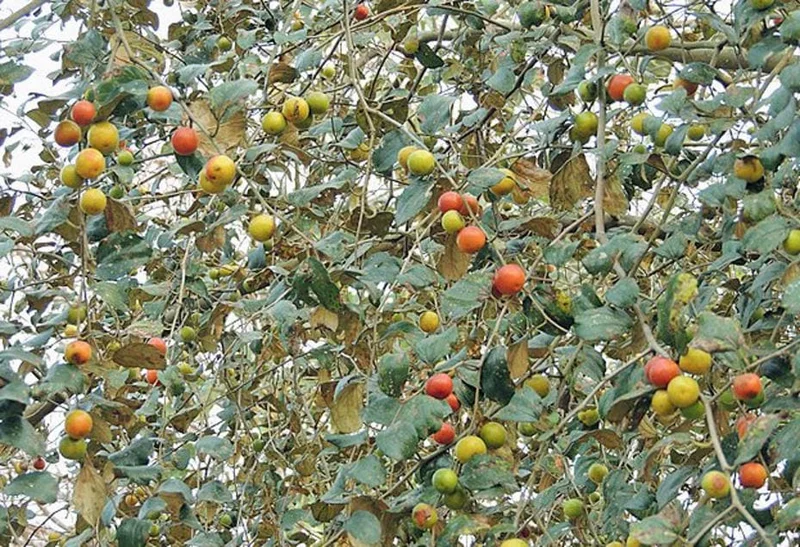
Sold 50 products
Original price was: $25.00.$17.50Current price is: $17.50.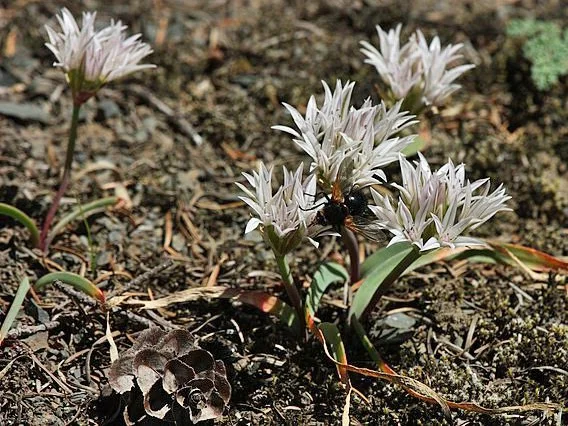
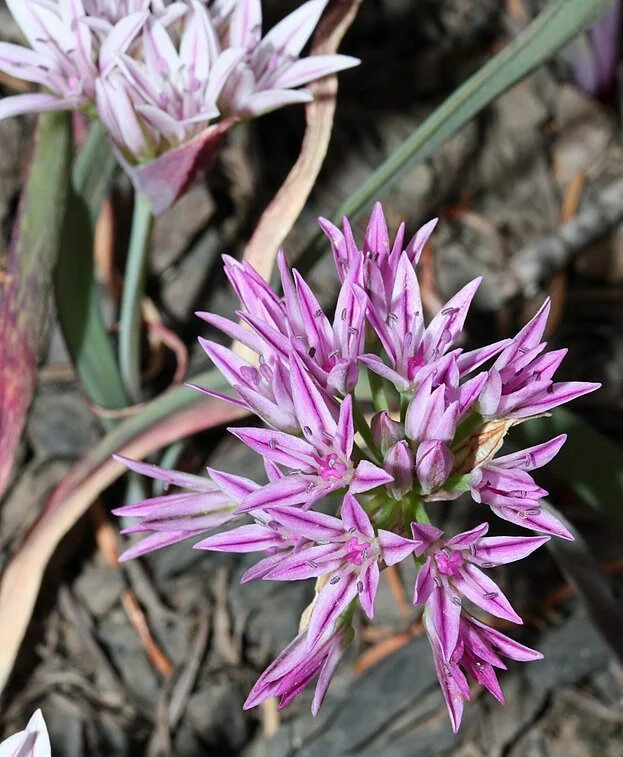
Flower Seeds
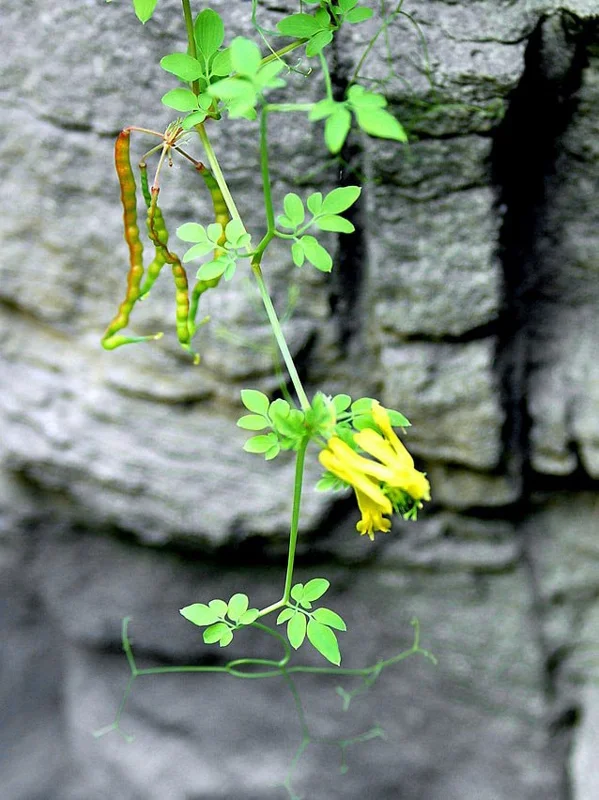
Olympic Onion Seeds – Allium crenulatum Flower Seeds – 10 Seed Pack – Outdoor Native Plant
Sold 50 products
Original price was: $25.00.$17.50Current price is: $17.50.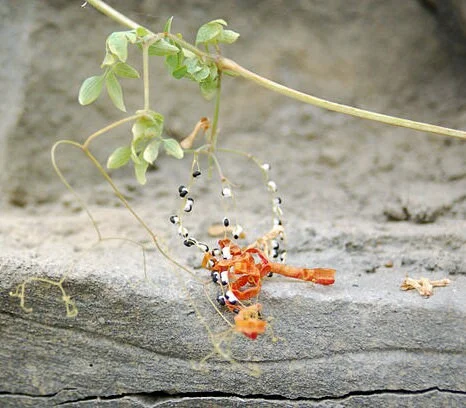
Sold 50 products
Original price was: $25.00.$17.50Current price is: $17.50.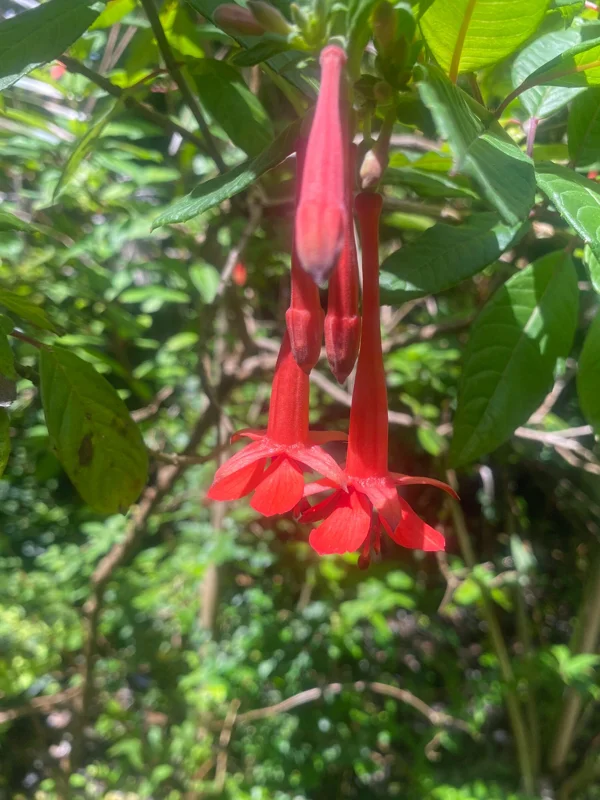
Flower Seeds
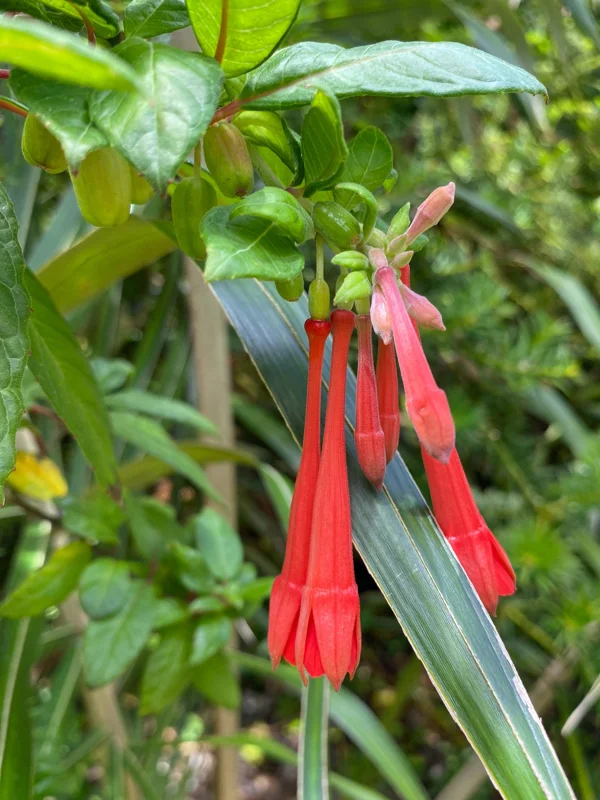
Fuchsia vulcanica Seeds – 20 Pack – Vibrant Orange Coral Flowers for Garden & Containers
Sold 50 products
Original price was: $25.00.$17.50Current price is: $17.50.
Sold 50 products
Original price was: $116.98.$95.68Current price is: $95.68.
Sold 50 products
Original price was: $21.00.$14.10Current price is: $14.10.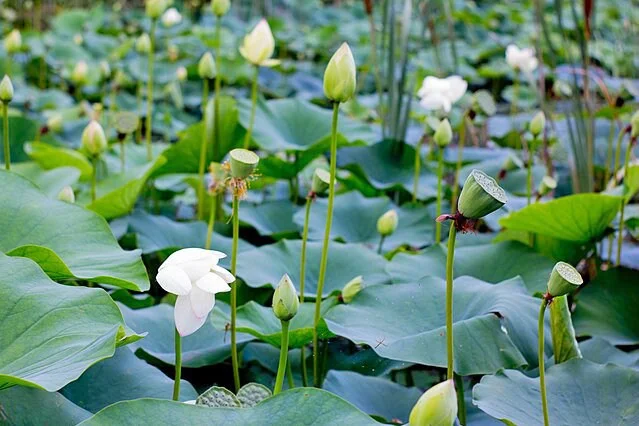
Aquatic Plant Seeds
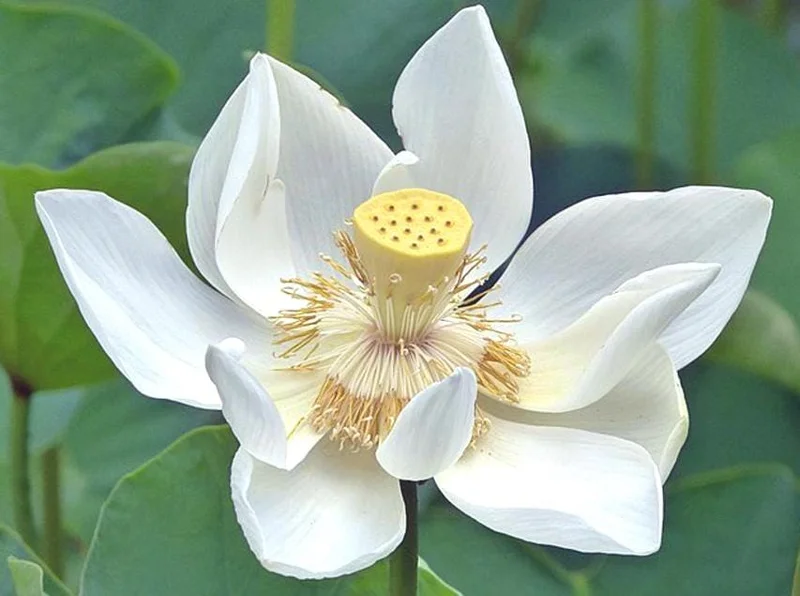
White Lotus Seeds – Nelumbo Nucifera Aquatic Pond Plant – 5 Seeds for Water Garden
Sold 50 products
Original price was: $29.00.$20.90Current price is: $20.90.RELATED posts
Awapuhi Wild Ginger Plant: Zones, Care, and Propagation
Learn which USDA zones suit awapuhi wild ginger, plus sunlight, water, planting, propagation, pests, size, [...]
Awapuhi Shampoo Ginger – Care, Growing Zones, and Differences
Learn how to grow awapuhi (shampoo) ginger, its USDA zones, watering schedule, propagation tips, and [...]
Awapuhi Shampoo Plant Buying Guide – Choose the Right Zingiber zerumbet
META: Learn which awapuhi (shampoo ginger) plant or rhizome pack gives the best natural shampoo, [...]
Awapuhi Plant for Sale: Complete Buying Guide
Find the right awapuhi (shampoo ginger) plant, size, price, soil mix, and online source. Practical [...]
Shampoo Ginger Plant for Sale – Buying Guide & Tips
Find the right shampoo ginger plant, size, price, and care tips. Quick guide for U.S. [...]
Shampoo Ginger Plant (Awapuhi) Care Guide
Learn how to grow, care for, and use shampoo ginger (Zingiber zerumbet), the tropical awapuhi [...]
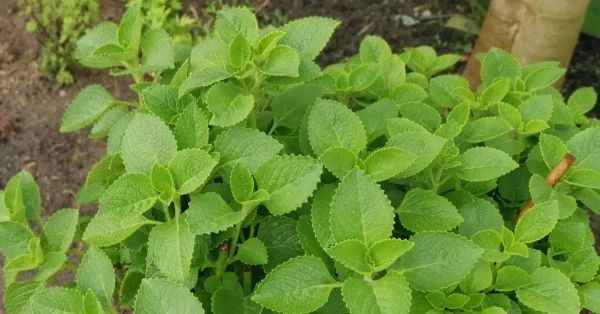
How to Grow Cuban Oregano Plants: A Complete Care Guide
If you’ve ever wanted a plant that combines the culinary punch of traditional oregano with [...]
Aug
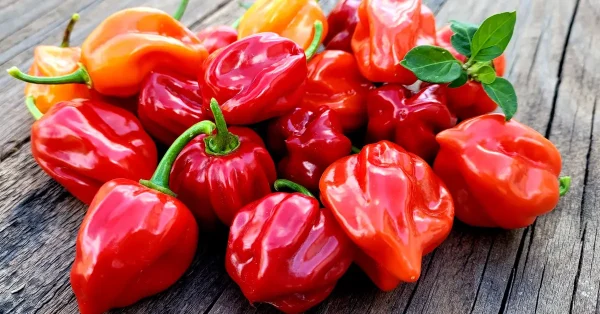
How to Grow Habanero Pepper Plants: A Step-by-Step Guide
Habanero pepper plants are prized for their vibrant colors, intense heat, and exceptional flavor, making [...]
Aug
Reviews
There are no reviews yet.