
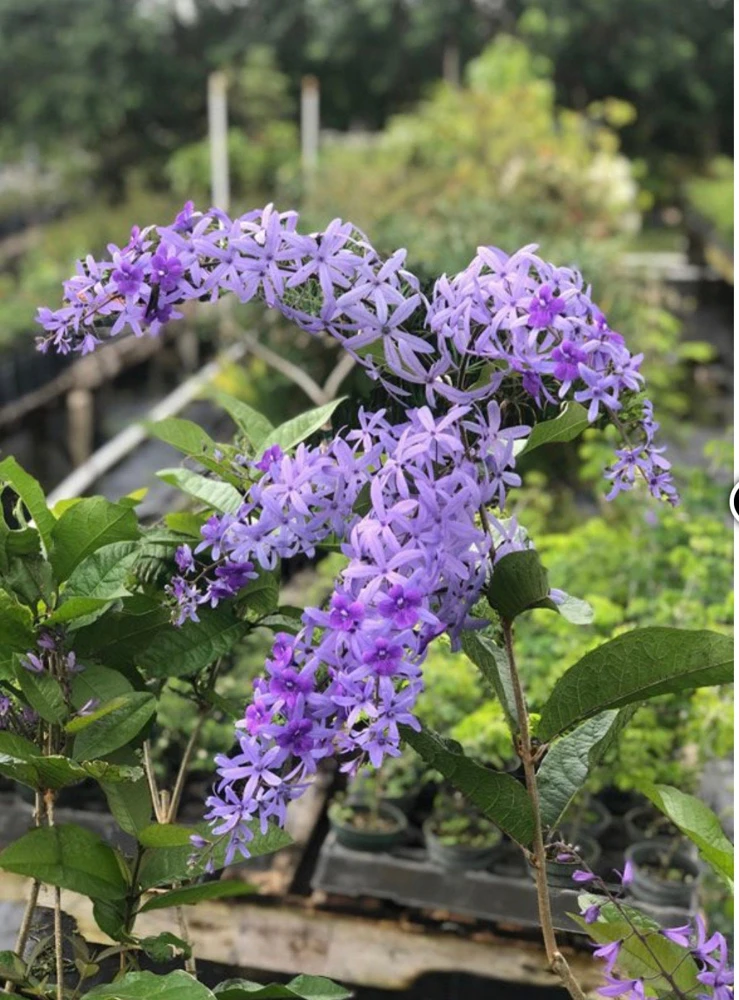
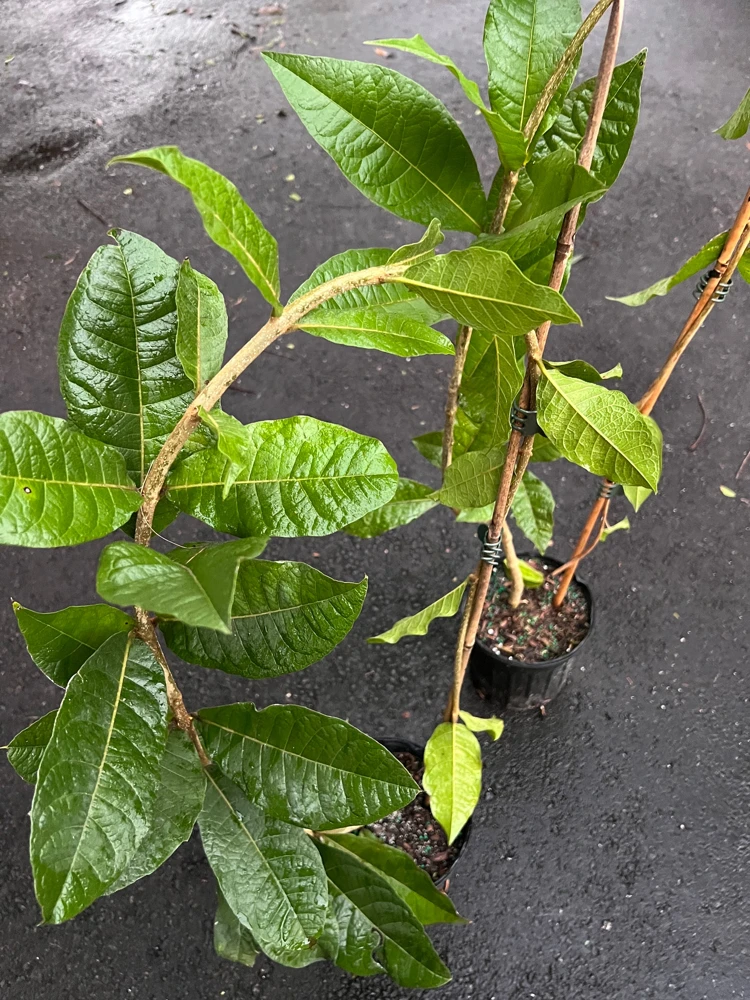
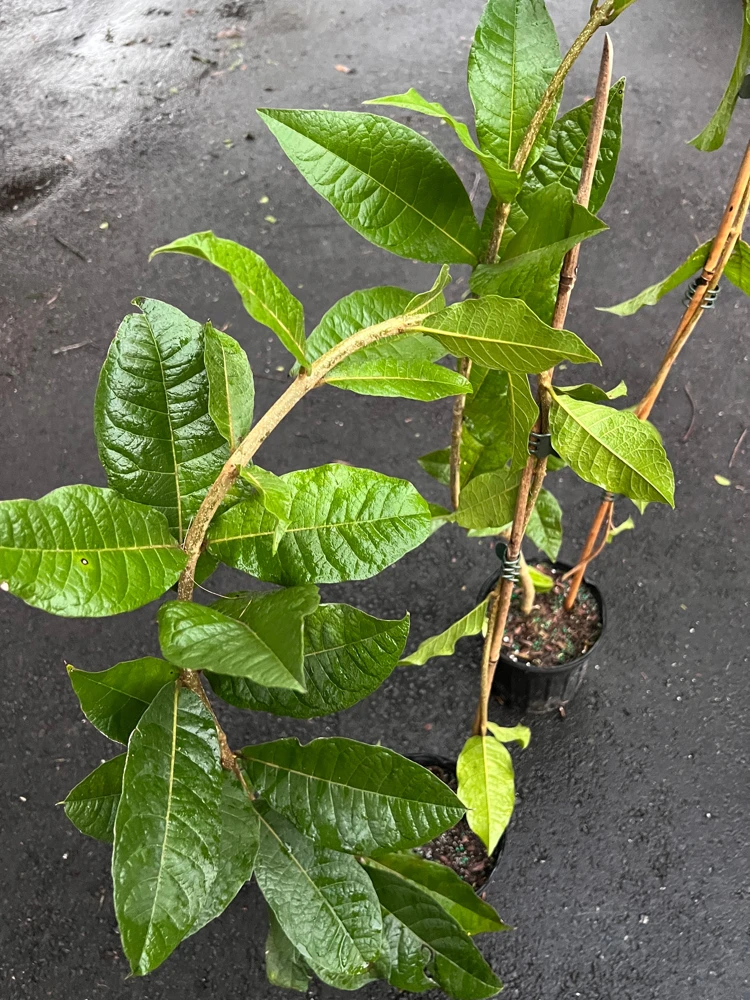
Petrea racemosa Live Plant – Purple Queen’s Wreath Vine, 0.5 Gallon Pot – Cannot ship to CA
Original price was: $104.03.$64.07Current price is: $64.07.
Enhance your garden with a stunning Petrea racemosa live plant, also known as Purple Queen’s Wreath. This beautiful tropical vine, shipped in a 0.5 gallon pot, boasts vibrant purple blooms and unique sandpaper-like leaves. Perfect for adding a dramatic, exotic touch to your outdoor space.
Shipping and Return policies:
We stand behind our plants with our Alive & Thrive Guarantee. If you experience any issues within the first 30 days, please email us, and our team will be happy to help. When needed, we’ll send you a one-time replacement free of charge to make sure your garden keeps growing strong.

Reasonable Price
We offer reasonable price

Support 24/7
Contact us 24 hrs a day
100% Money Back
You’ve 30 days to Return
Payment Secure
100% secure payment
Overview
Introduce an exotic touch to your garden with the breathtaking Petrea racemosa live plant, often celebrated as the Purple Queen’s Wreath. This magnificent tropical vine, arriving in a convenient 0.5 gallon nursery pot, is a true showstopper. Known for its abundant clusters of vibrant purple flowers that resemble wisteria or even lilacs, the Petrea racemosa live plant offers an unparalleled visual spectacle. Unlike its more common relative, P. volubilis, this particular species boasts larger, darker, and even more striking blooms, making it a rare and coveted addition for any plant enthusiast. Its unique, rough-textured leaves give it another common name, Sandpaper Vine care, adding to its intriguing character. This unfragrant yet visually captivating vine will transform your outdoor space into a tropical paradise, especially when it bursts into its heaviest bloom cycle in the spring, with re-blooming periods throughout the warmer months.
Originating from the lush landscapes of Brazil and belonging to the Verbenaceae family, the Petrea racemosa live plant thrives in warm climates. It’s a vigorous grower, capable of reaching impressive sizes, and its mature beauty truly shines. If you’re searching for a distinctive and elegant flowering vine that commands attention, the Purple Queen’s Wreath is an exceptional choice. Its vigorous growth and stunning floral displays make it ideal for arbors, pergolas, fences, or as a striking ground cover. Embrace the allure of this rare tropical specimen and watch your garden come alive with its spectacular purple cascades.
Key Benefits
The Petrea racemosa live plant offers numerous advantages for the discerning gardener, bringing both aesthetic appeal and robust growth to your landscape. This tropical vine plant is not just beautiful but also offers a dynamic presence.
- Spectacular Floral Display: The primary benefit is its stunning and abundant purple flowers, which bloom heavily in spring and re-bloom throughout warmer months, creating a vibrant and continuous show. The larger, darker flowers of Petrea racemosa live plant are particularly striking.
- Unique Foliage: Its distinctive sandpaper-like leaves add textural interest to your garden, providing a tactile experience in addition to its visual appeal. This feature also contributes to its common name, Sandpaper Vine care.
- Vigorous Growth: As a strong vine, it quickly establishes and can cover large structures like pergolas, trellises, or fences, offering excellent privacy and shade. This makes it an ideal choice for a tropical vine plant looking to fill a space.
- Rare and Coveted: Compared to other Petrea species, P. racemosa is considered rarer and offers a more dramatic floral impact, making it a unique acquisition for collectors and enthusiasts. This is truly a rare flowering vine.
- Low Maintenance Once Established: While requiring initial care, once mature, this vine is relatively easy to maintain, providing maximum beauty with minimal fuss, especially concerning its water needs.
- Attracts Pollinators: While not fragrant, its vibrant flowers are known to attract various pollinators, contributing to the biodiversity of your garden ecosystem.
- Architectural Interest: Its vining habit allows it to be trained and shaped, adding significant architectural interest and vertical dimension to your garden design.
Plant Care & Growing Tips
Caring for your Petrea racemosa live plant, also known as Purple Queen’s Wreath, is relatively straightforward, especially once it’s established. To ensure robust growth and prolific blooming, providing the right conditions is key. This tropical vine plant thrives in warm environments, mirroring its Brazilian origins. For optimal flowering, position your vine where it will receive ample sunlight. It prefers full sun to partial sun exposure, meaning at least 6 hours of direct sunlight per day. While it can tolerate some shade, too much will reduce the number of blooms. Good air circulation is also beneficial to prevent fungal issues.
When it comes to watering, Petrea racemosa requires average to medium moisture, particularly during its establishment phase. Ensure the soil remains consistently moist but not waterlogged. Once mature, it can tolerate short periods of drought, but regular watering during dry spells will encourage better flowering. The ideal soil for this vine is well-draining, fertile, and slightly acidic to neutral. Amend heavy clay soils with organic matter to improve drainage. For fertilization, a balanced slow-release fertilizer applied in early spring and mid-summer will support healthy growth and abundant blooms. Pruning is best done after the heaviest spring bloom to maintain shape, control size, and encourage new growth and subsequent flowering. This also helps with Sandpaper Vine care, keeping it tidy.
This rare flowering vine is quite hardy for a tropical plant, tolerating temperatures down to the low 30s Fahrenheit for short periods. However, prolonged exposure to freezing temperatures can cause damage. In USDA zones where winter temperatures regularly drop below freezing, consider growing it in a container that can be moved indoors or provide winter protection. Keep an eye out for common pests like aphids or mealybugs, which can be managed with insecticidal soap. Providing a sturdy trellis or support structure early on will guide its growth and showcase its beautiful cascades of flowers. With proper Petrea racemosa live plant care, you’ll enjoy a stunning display for many years.
Size & Details
Your Petrea racemosa live plant will arrive in a 0.5 gallon nursery pot, ready for planting. At maturity, this vigorous tropical vine plant can reach an impressive size of 15 feet or more, creating a dramatic visual impact in your garden. Its leaves are notably larger than those of P. volubilis, contributing to its lush appearance, and both species share the characteristic rough, sandpaper-like texture that gives it its common name, Sandpaper Vine care. While specific growth rates can vary based on climate and care, under ideal conditions, it establishes quickly and begins to produce its stunning purple blooms within its first few growing seasons. The heaviest blooming period for this rare flowering vine is typically in the spring, with re-blooming occurring several times throughout the warmer months. Older, more established plants tend to bloom more prolifically, rewarding patience with an even grander display. Expect a beautiful, healthy specimen that will quickly adapt to its new home and begin its journey to becoming a magnificent garden feature.
Frequently Asked Questions
- Q: How big does this plant get? A: The Petrea racemosa live plant is a vigorous vine that can grow to a mature size of 15 feet or more, depending on growing conditions and support. It’s ideal for covering large trellises or arbors.
- Q: What size pot does it come in? A: This Purple Queen’s Wreath will be shipped to you in a 0.5 gallon nursery pot, providing a healthy root system for successful transplanting.
- Q: Is this an indoor or outdoor plant? A: Petrea racemosa is primarily an outdoor tropical vine. In colder climates (below USDA Zone 9), it can be grown in a container and brought indoors during winter, or treated as an annual.
- Q: How much sunlight does it need? A: For the best blooming performance, the Petrea racemosa live plant requires full sun to partial sun, meaning at least 6 hours of direct sunlight daily.
- Q: Is this plant easy to care for? A: While it needs consistent care to establish, once mature, this tropical vine plant is considered relatively low-maintenance. It’s a good choice for gardeners who can provide its sun and water requirements.
- Q: What condition will it arrive in? A: Your rare flowering vine will arrive in a healthy, live condition, carefully packaged in its 0.5 gallon nursery pot to ensure safe transit.
- Q: How long until it blooms? A: With proper care, your Petrea racemosa live plant can begin to produce its beautiful purple flowers within its first year or two, with more prolific blooming as it matures.
- Q: When is the best time to plant? A: The best time to plant your Purple Queen’s Wreath is in spring or early summer, after the last threat of frost, allowing it ample time to establish before cooler weather.
- Q: Will it survive winter in my zone? A: Petrea racemosa is suitable for USDA Zones 9-11, where it can withstand temperatures down to the low 30s for short periods. In colder zones, winter protection is necessary.
- Q: Does this vine have a fragrance? A: No, the Petrea racemosa live plant, despite its stunning appearance and common name ‘Queen’s Wreath’, does not produce a fragrance. Its beauty is purely visual.
Be the first to review “Petrea racemosa Live Plant – Purple Queen’s Wreath Vine, 0.5 Gallon Pot – Cannot ship to CA”
You must be logged in to post a review.
People also Viewed
Sold 50 products
Original price was: $37.48.$23.98Current price is: $23.98.
Sold 50 products
$32.38
Sold 50 products
$27.38
Sold 50 products
$32.38
Sold 50 products
$19.88
Sold 50 products
$62.38
Sold 50 products
$24.88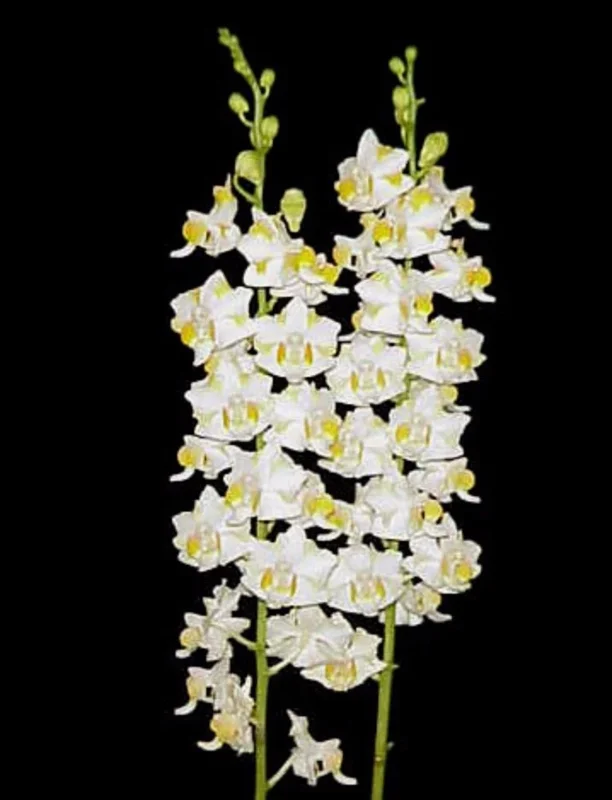
Houseplants
Phalaenopsis pulcherrima ‘Mauna Kea Snow’ Orchid Live Plant – White Flowers, Potted 2.5 in
Sold 50 products
$49.88RELATED posts
Awapuhi Wild Ginger Plant: Zones, Care, and Propagation
Learn which USDA zones suit awapuhi wild ginger, plus sunlight, water, planting, propagation, pests, size, [...]
Awapuhi Shampoo Ginger – Care, Growing Zones, and Differences
Learn how to grow awapuhi (shampoo) ginger, its USDA zones, watering schedule, propagation tips, and [...]
Awapuhi Shampoo Plant Buying Guide – Choose the Right Zingiber zerumbet
META: Learn which awapuhi (shampoo ginger) plant or rhizome pack gives the best natural shampoo, [...]
Awapuhi Plant for Sale: Complete Buying Guide
Find the right awapuhi (shampoo ginger) plant, size, price, soil mix, and online source. Practical [...]
Shampoo Ginger Plant for Sale – Buying Guide & Tips
Find the right shampoo ginger plant, size, price, and care tips. Quick guide for U.S. [...]
Shampoo Ginger Plant (Awapuhi) Care Guide
Learn how to grow, care for, and use shampoo ginger (Zingiber zerumbet), the tropical awapuhi [...]
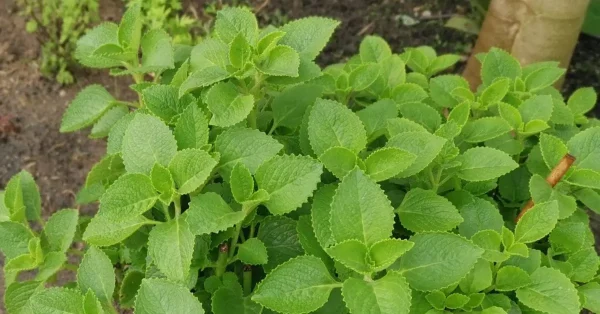
How to Grow Cuban Oregano Plants: A Complete Care Guide
If you’ve ever wanted a plant that combines the culinary punch of traditional oregano with [...]
Aug
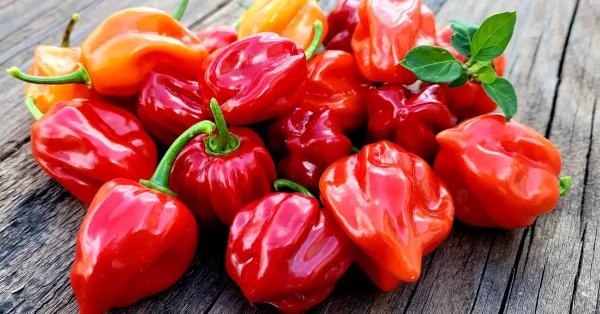
How to Grow Habanero Pepper Plants: A Step-by-Step Guide
Habanero pepper plants are prized for their vibrant colors, intense heat, and exceptional flavor, making [...]
Aug

Reviews
There are no reviews yet.