
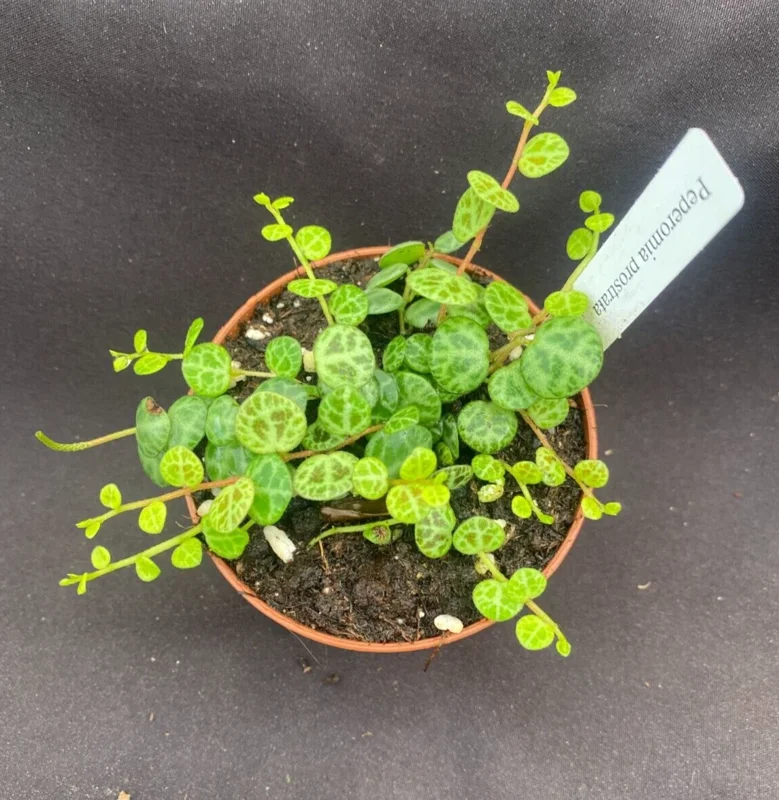
Peperomia Prostrata String of Turtles Live Plant – Rooted in 3 inch Pot
$24.88
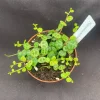
Bring home a delightful peperomia prostrata live plant, also known as the String of Turtles succulent. This charming trailing houseplant features unique, small, round leaves resembling turtle shells, making it a captivating addition to any indoor plant collection. Shipped as a rooted plant in a 3-inch pot, it’s ready to thrive in your home.
Shipping and Return policies:
We stand behind our plants with our Alive & Thrive Guarantee. If you experience any issues within the first 30 days, please email us, and our team will be happy to help. When needed, we’ll send you a one-time replacement free of charge to make sure your garden keeps growing strong.

Reasonable Price
We offer reasonable price

Support 24/7
Contact us 24 hrs a day
100% Money Back
You’ve 30 days to Return
Payment Secure
100% secure payment
Overview
Introduce a touch of whimsical beauty to your indoor garden with the exquisite peperomia prostrata live plant. Commonly known as the String of Turtles, this enchanting Peperomia variety is celebrated for its delicate, trailing vines adorned with small, round, succulent-like leaves. Each leaf is intricately patterned with darker veins, creating a mosaic effect that truly resembles a miniature turtle shell. This particular offering provides a healthy, rooted specimen, carefully cultivated and shipped in a 3-inch pot, ensuring it arrives ready to flourish in its new home. Ideal for hanging baskets or as a desk plant, the String of Turtles adds a unique visual texture and a calming presence to any interior space. Its relatively compact size and distinctive appearance make it a favorite among houseplant enthusiasts and collectors seeking something out of the ordinary.
The botanical name, Peperomia prostrata, accurately describes its prostrate, or trailing, growth habit, which allows its beautiful foliage to cascade gracefully. Originating from the rainforests of Brazil, this plant thrives in conditions that mimic its natural habitat, preferring warmth and humidity. It’s a fantastic choice for those looking for a low-maintenance yet visually striking plant that offers continuous interest. Whether you’re a seasoned plant parent or just starting your green journey, the peperomia prostrata live plant is a rewarding addition that promises to be a conversation starter.
Key Benefits
The peperomia prostrata live plant offers a multitude of benefits, combining aesthetic appeal with ease of care, making it a perfect choice for various indoor settings. Its unique appearance and growth habit contribute significantly to its desirability.
- Unique Aesthetic Appeal: The most striking feature of the String of Turtles is its distinctive foliage. The small, round leaves with their intricate patterns resemble tiny turtle shells, providing a captivating and whimsical look that stands out in any plant collection. This makes it a focal point and a delightful conversation starter.
- Compact & Trailing Growth: This plant’s naturally trailing habit makes it ideal for hanging baskets, shelves, or terrariums, where its delicate vines can cascade beautifully. Its compact size ensures it doesn’t take up too much space, making it perfect for smaller living areas or offices.
- Low Maintenance: The string of turtles succulent is relatively easy to care for, requiring minimal attention once its basic needs are met. This makes it an excellent option for beginners or those with busy lifestyles who still want to enjoy the beauty of live plants.
- Air Purification: Like many houseplants, Peperomia prostrata contributes to a healthier indoor environment by helping to filter airborne toxins. While not as potent as some larger plants, it still plays a role in improving air quality.
- Pet-Friendly: Peperomia plants are generally considered non-toxic to cats and dogs, offering peace of mind for pet owners who wish to add greenery to their homes without worry.
- Versatile Decor: Its unique appearance and adaptable nature allow it to blend seamlessly into various decor styles, from modern minimalist to bohemian. It can be a charming accent on a bookshelf, a vibrant addition to a desk, or a graceful element in a hanging display.
- Easy Propagation: The String of Turtles is relatively easy to propagate from stem cuttings, allowing enthusiasts to expand their collection or share with friends, making it a rewarding plant to grow.
Plant Care & Growing Tips
Caring for your peperomia prostrata live plant, or String of Turtles, is a straightforward and rewarding experience, provided you understand its specific needs. Originating from tropical environments, it thrives on consistency and attention to its watering and light requirements.
Sunlight Requirements
The String of Turtles prefers bright, indirect light. Place it near an east or north-facing window, or a few feet away from a south or west-facing window where it won’t receive direct, harsh sunlight, which can scorch its delicate leaves. Too little light can lead to leggy growth and duller leaf patterns. A good indicator of sufficient light is vibrant leaf coloration and compact growth. For optimal growth and to maintain the distinct patterns on the leaves, ensure it receives at least 4-6 hours of indirect light daily.
Watering Schedule and Soil Moisture Preferences
As a semi-succulent, the string of turtles care routine involves allowing the soil to dry out almost completely between waterings. Overwatering is a common cause of issues for this plant, leading to root rot. To check if it needs water, feel the top inch or two of the soil; if it’s dry, it’s time to water. Water thoroughly until water drains from the bottom of the pot, then discard any excess. In winter, reduce watering frequency as the plant’s growth slows. The plump leaves store water, making it somewhat drought-tolerant, but consistent drying out followed by thorough watering is best.
Soil Type and Drainage Requirements
A well-draining potting mix is crucial for the String of Turtles. A mix designed for succulents or cacti, or a standard potting mix amended with perlite or orchid bark (about 1 part perlite/bark to 2 parts potting mix), will provide the necessary aeration and drainage. This prevents waterlogging and promotes healthy root development. Ensure the pot has drainage holes to avoid standing water, which can quickly lead to root rot.
Temperature Range and USDA Hardiness Zone
This tropical plant thrives in warm temperatures, ideally between 65-75°F (18-24°C). Avoid exposing it to temperatures below 50°F (10°C) or sudden temperature fluctuations, as this can stress the plant. It’s best suited as an indoor houseplant in most regions. While it doesn’t have a traditional USDA hardiness zone for outdoor planting due to its indoor nature, it would generally align with zones 10-12 if grown outdoors in consistently warm, humid climates.
Fertilization Schedule and Type
Fertilize your String of Turtles sparingly during its active growing season (spring and summer). Use a balanced liquid houseplant fertilizer diluted to half strength every 2-4 weeks. Avoid fertilizing in fall and winter when the plant is dormant. Over-fertilization can lead to salt buildup in the soil, which can harm the roots. A gentle, balanced fertilizer will support healthy foliage and growth without overwhelming the plant.
Common Problems and Solutions
Watch out for common issues like yellowing leaves (often a sign of overwatering), stunted growth (underwatering or insufficient light), and pest infestations such as mealybugs or spider mites. For overwatering, reduce frequency and ensure good drainage. For underwatering, increase frequency slightly. For pests, wipe leaves with a damp cloth or use an insecticidal soap. Providing adequate humidity can also help prevent dry-air loving pests. Understanding these aspects of indoor peperomia plants care will help your plant thrive.
Size & Details
This offering features a vibrant and healthy peperomia prostrata live plant, meticulously rooted and cultivated for optimal growth. Each plant is shipped securely in a 3-inch nursery pot, providing a stable environment for its roots during transit and allowing for easy acclimation upon arrival. The trailing vines typically measure several inches in length, showcasing the distinctive ‘turtle shell’ foliage. While individual plant sizes may vary slightly, you can expect a well-established specimen ready to continue its growth journey.
The String of Turtles is known for its moderate growth rate, with vines that can eventually reach lengths of 1 to 2 feet or more under ideal conditions, making it perfect for hanging displays. It will continue to develop its charming, patterned leaves as it matures. Upon receiving your plant, it’s generally recommended to allow it to acclimate to its new environment for a few weeks before considering repotting, giving it the best chance to settle in and thrive.
Frequently Asked Questions
- Q: How big does this plant get? A: The peperomia prostrata live plant typically produces trailing vines that can grow to lengths of 1 to 2 feet or more, creating a beautiful cascading effect. Its compact nature makes it suitable for various indoor spaces.
- Q: Is this an indoor or outdoor plant? A: The String of Turtles is primarily an indoor houseplant due to its preference for stable, warm temperatures and high humidity, similar to its native tropical habitat. It can be moved outdoors in very warm, shaded areas during summer in appropriate climates.
- Q: How much sunlight does it need? A: This plant thrives in bright, indirect light. Avoid direct sunlight, which can scorch its leaves. An east or north-facing window is ideal, or a spot a few feet away from a south or west-facing window.
- Q: What size pot does it come in? A: Each peperomia prostrata live plant is shipped as a rooted specimen in a 3-inch nursery pot, providing a good starting size for its root system.
- Q: Is this plant easy to care for? A: Yes, the String of Turtles is considered relatively easy to care for, making it suitable for both beginners and experienced plant enthusiasts. The key is to avoid overwatering and provide adequate indirect light.
- Q: What condition will it arrive in? A: Your string of turtles succulent will arrive as a healthy, rooted plant, carefully packaged to minimize stress during shipping. It will be ready to be placed in its new home upon arrival.
- Q: Is it pet-safe? A: Yes, Peperomia prostrata is generally considered non-toxic to pets, including cats and dogs, making it a safe choice for homes with animals.
- Q: When is the best time to repot my String of Turtles? A: It’s best to repot your String of Turtles in the spring or early summer when the plant is actively growing. Only repot when it becomes root-bound, usually every 1-2 years, into a pot only slightly larger than its current one.
- Q: How often should I water my String of Turtles? A: Water your peperomia prostrata trailing plant when the top 1-2 inches of soil feel dry to the touch. The frequency will depend on factors like light, temperature, and humidity, but generally, it’s less often than many other houseplants.
- Q: What kind of soil is best for this plant? A: A well-draining soil mix is essential. A succulent or cacti mix, or a standard potting mix amended with perlite or orchid bark, will provide the necessary drainage to prevent root rot.
Be the first to review “Peperomia Prostrata String of Turtles Live Plant – Rooted in 3 inch Pot”
You must be logged in to post a review.
People also Viewed
Sold 50 products
$32.38
Sold 50 products
$27.38
Sold 50 products
$32.38
Sold 50 products
$19.88
Sold 50 products
$62.38
Sold 50 products
$24.88
Houseplants
Phalaenopsis pulcherrima ‘Mauna Kea Snow’ Orchid Live Plant – White Flowers, Potted 2.5 in
Sold 50 products
$49.88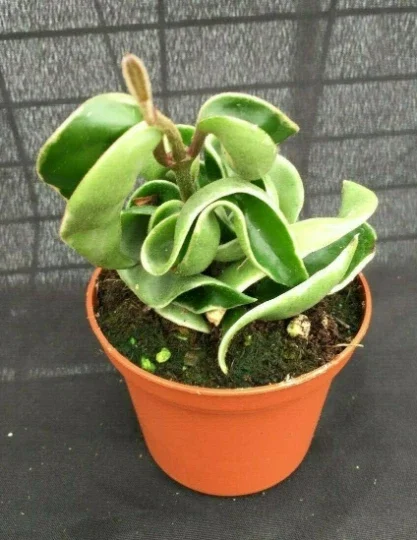
Sold 50 products
$49.88RELATED posts
Awapuhi Wild Ginger Plant: Zones, Care, and Propagation
Learn which USDA zones suit awapuhi wild ginger, plus sunlight, water, planting, propagation, pests, size, [...]
Awapuhi Shampoo Ginger – Care, Growing Zones, and Differences
Learn how to grow awapuhi (shampoo) ginger, its USDA zones, watering schedule, propagation tips, and [...]
Awapuhi Shampoo Plant Buying Guide – Choose the Right Zingiber zerumbet
META: Learn which awapuhi (shampoo ginger) plant or rhizome pack gives the best natural shampoo, [...]
Awapuhi Plant for Sale: Complete Buying Guide
Find the right awapuhi (shampoo ginger) plant, size, price, soil mix, and online source. Practical [...]
Shampoo Ginger Plant for Sale – Buying Guide & Tips
Find the right shampoo ginger plant, size, price, and care tips. Quick guide for U.S. [...]
Shampoo Ginger Plant (Awapuhi) Care Guide
Learn how to grow, care for, and use shampoo ginger (Zingiber zerumbet), the tropical awapuhi [...]
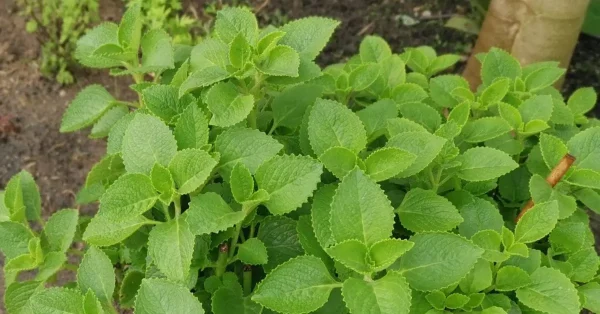
How to Grow Cuban Oregano Plants: A Complete Care Guide
If you’ve ever wanted a plant that combines the culinary punch of traditional oregano with [...]
Aug
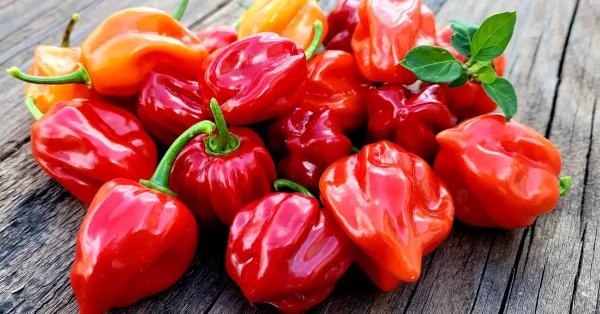
How to Grow Habanero Pepper Plants: A Step-by-Step Guide
Habanero pepper plants are prized for their vibrant colors, intense heat, and exceptional flavor, making [...]
Aug
Reviews
There are no reviews yet.