
Peanut Butter Fruit Tree Live Plant (Bunchosia Glandulifera) – 12-20 inch Tall
$132.50
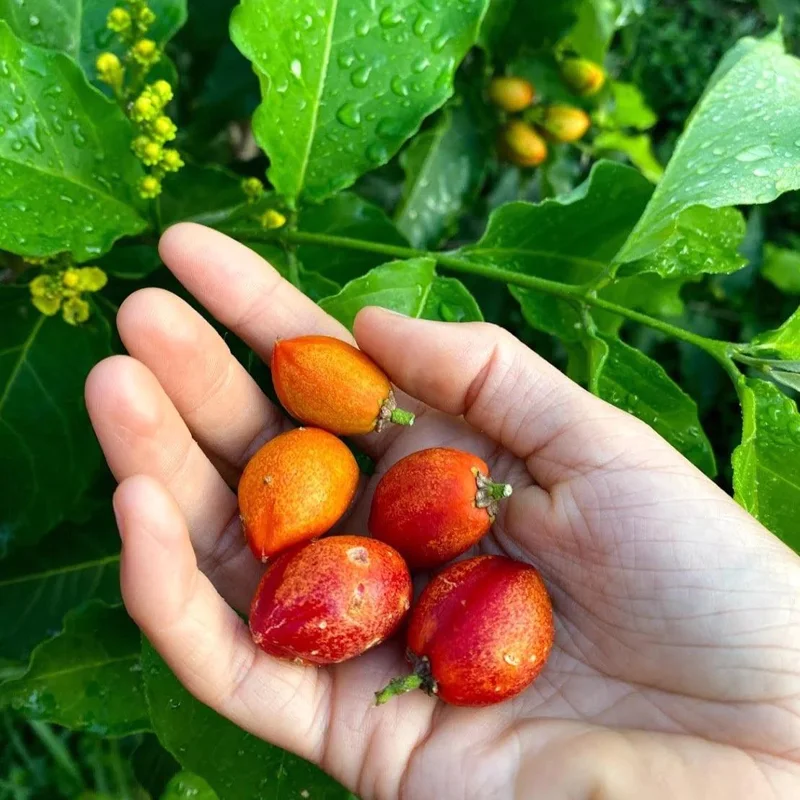
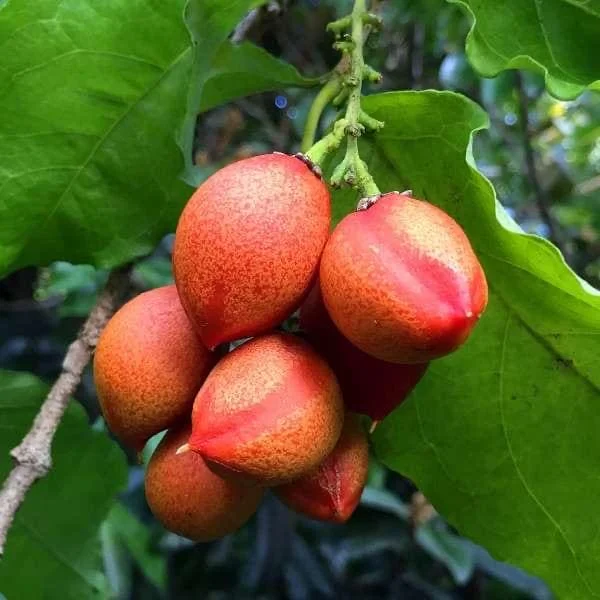
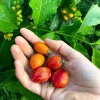
Bring home a unique peanut butter fruit tree (Bunchosia Glandulifera), standing 12-20 inches tall. This tropical plant produces distinctive orange-red fruits with a surprisingly delicious peanut butter-like flavor and aroma, perfect for adventurous gardeners and fruit enthusiasts. Ideal for warm climates or container growing.
Shipping and Return policies:
We stand behind our plants with our Alive & Thrive Guarantee. If you experience any issues within the first 30 days, please email us, and our team will be happy to help. When needed, we’ll send you a one-time replacement free of charge to make sure your garden keeps growing strong.

Reasonable Price
We offer reasonable price

Support 24/7
Contact us 24 hrs a day
100% Money Back
You’ve 30 days to Return
Payment Secure
100% secure payment
Overview
Discover the exotic charm of the peanut butter fruit tree (Bunchosia Glandulifera), a fascinating addition to any garden or collection of tropical plants. This live plant, typically arriving 12-20 inches tall, is native to Central and South America and is renowned for its unusual and delicious fruit. The common name, peanut butter fruit tree, comes from the striking resemblance of its ripe fruit’s flavor and texture to actual peanut butter. Imagine harvesting small, orange-red fruits directly from your garden, each bursting with a sticky, dense pulp that offers a truly unique culinary experience. This plant is not just a conversation starter; it’s a rewarding specimen for those who enjoy growing rare and unusual edible plants, providing both ornamental beauty and a bountiful harvest of distinctive fruit.
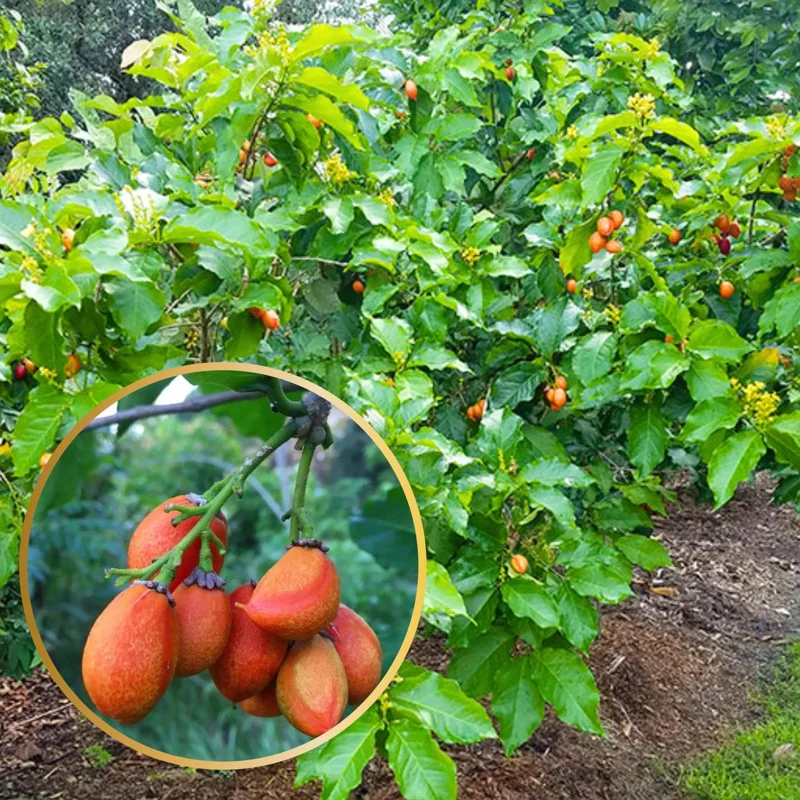
The Bunchosia Glandulifera is a hardy and relatively fast-growing tree, making it accessible even for those new to tropical fruit cultivation. Its glossy green leaves provide an attractive backdrop, and the small, vibrant fruits add a splash of color before they are ready to be enjoyed. Whether you’re looking to expand your edible landscape or simply curious about growing a truly unique fruit, the bunchosia glandulifera plant offers an exciting and delicious journey into the world of tropical horticulture.
Key Benefits
Cultivating a peanut butter fruit tree offers a multitude of benefits, from its unique produce to its aesthetic appeal. This remarkable plant is more than just a novelty; it’s a productive and engaging addition to your home or garden.
- Unique Culinary Delight: Enjoy fresh, orange-red fruits that boast an unmistakable flavor and aroma reminiscent of peanut butter. Perfect for eating fresh, adding to smoothies, or creating exotic desserts, offering a truly distinctive taste experience.
- Tropical Garden Accent: With its lush green foliage and bright, colorful fruits, the peanut butter fruit tree serves as an attractive ornamental plant, bringing a touch of the tropics to your outdoor space or a bright, sunny indoor location.
- Rewarding Growing Experience: Experience the satisfaction of growing a rare and unusual fruit-bearing tree. Watching the fruits develop and ripen, eventually tasting the unique flavor, is a highly rewarding endeavor for any plant enthusiast.
- Relatively Low Maintenance: Once established, this bunchosia glandulifera plant is known for being quite resilient and adaptable, requiring standard tropical plant care without excessive fuss, making it suitable for a range of gardeners.
- Supports Biodiversity: Growing diverse fruit trees like the rare fruit plants helps support local ecosystems and promotes a greater variety of produce, contributing to sustainable gardening practices.
Plant Care & Growing Tips
Caring for your peanut butter fruit tree (Bunchosia Glandulifera) is straightforward, especially when provided with the right conditions that mimic its native tropical habitat. These plants thrive in warm, humid environments and require specific attention to sunlight, watering, and soil to ensure vigorous growth and abundant fruit production. Understanding the needs of your peanut butter fruit tree is key to a successful harvest.
For optimal growth, the bunchosia glandulifera plant requires full sun exposure, meaning at least 6-8 hours of direct sunlight per day. In very hot climates, some afternoon shade can be beneficial to prevent leaf scorch. If growing indoors, place it near a south-facing window or supplement with a grow light. Consistent watering is crucial, especially during the growing season. The soil should be kept consistently moist but never waterlogged. Allow the top inch or two of soil to dry out slightly between waterings. Good drainage is paramount; ensure your pot has drainage holes, or if planting in the ground, amend heavy soils to improve porosity. A well-draining potting mix for tropical plants or a sandy loam soil works best. This tropical fruit tree prefers a slightly acidic to neutral soil pH (6.0-7.0).
The peanut butter fruit tree is a tropical species, ideally suited for USDA Hardiness Zones 9-11. It can tolerate brief periods of cool weather but is not frost-tolerant. If you live in a colder zone, it’s best to grow this tree in a container that can be moved indoors during winter. Fertilize regularly during the spring and summer growing season with a balanced, slow-release fertilizer or a liquid fertilizer formulated for fruit trees. Reduce fertilization in fall and winter. Pests are generally not a major issue, but keep an eye out for common tropical plant pests like aphids or spider mites and treat them promptly with organic pest control methods. Proper care will ensure your peanut butter fruit tree flourishes and yields its unique, delicious fruits.
Size & Details
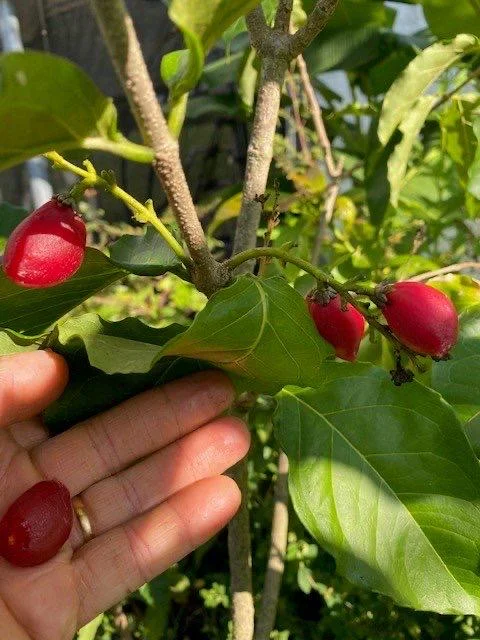
This offering is for a live peanut butter fruit tree (Bunchosia Glandulifera), typically ranging from 12 to 20 inches in height upon arrival. These young trees are well-rooted and ready to be transplanted into a larger pot or directly into your garden if you reside in a suitable climate. The growth rate is moderate, and with proper care, these trees can reach heights of 10-15 feet in their natural habitat, though they can be maintained at a smaller, more manageable size through pruning, especially when grown in containers. The plant will be shipped in a nursery pot, ensuring its roots are protected and hydrated during transit.
Expect your rare fruit plants to begin producing fruit within 2-4 years of planting, depending on growing conditions and care. The fruits are small, typically about 1 inch in diameter, turning a vibrant orange-red when ripe. They are best consumed fresh directly from the tree. The tree’s overall spread can be similar to its height, creating a lovely, compact specimen if maintained with regular pruning. This size makes it an excellent choice for patios, sunny balconies, or as an understory tree in a tropical landscape. The peanut butter fruit care you provide will directly influence its vigor and productivity.
Frequently Asked Questions
- Q: How big does this plant get? A: The peanut butter fruit tree can reach heights of 10-15 feet in optimal conditions when planted in the ground. When grown in containers, its size can be managed through regular pruning, typically staying between 5-8 feet tall, making it suitable for patios or indoor spaces.
- Q: What size pot does it come in? A: Your bunchosia glandulifera plant will arrive well-rooted in a nursery pot, designed to protect the root system during shipping and provide a healthy start. It will need to be repotted into a larger container or planted in the ground upon arrival.
- Q: Is this an indoor or outdoor plant? A: The peanut butter fruit tree is a tropical outdoor plant suitable for USDA Zones 9-11. In colder climates, it can be grown successfully as a container plant and brought indoors during the cooler months, requiring a bright, sunny location.
- Q: How much sunlight does it need? A: This tree thrives in full sun, requiring at least 6-8 hours of direct sunlight daily to produce the best fruit. In extremely hot climates, some afternoon shade can be beneficial to protect the leaves from scorching.
- Q: Is this plant easy to care for? A: Once established, the peanut butter fruit tree is considered relatively easy to care for. It requires consistent watering, well-draining soil, and protection from frost. It’s a great choice for those looking to expand their collection of rare fruit plants.
- Q: What condition will it arrive in? A: Your live plant will be carefully packaged to ensure it arrives in healthy condition, typically 12-20 inches tall. We take great care in preparing our plants for shipment to minimize stress during transit.
- Q: How long until it blooms and fruits? A: With proper peanut butter fruit care, you can expect your tree to begin flowering and producing fruit within 2-4 years of planting. Factors like climate, soil, and consistent care can influence this timeline.
- Q: What’s the minimum temperature it can tolerate? A: As a tropical plant, the peanut butter fruit tree is sensitive to cold. It can tolerate brief dips to around 30-32°F (0°C) but will suffer damage or die if exposed to prolonged freezing temperatures. It’s best to protect it from any frost.
- Q: Can I grow it from seed? A: While it is possible to grow peanut butter fruit tree from seed, purchasing a live plant provides a significant head start, allowing you to enjoy fruits much sooner and bypassing the often slow and delicate germination phase.
- Q: What does the fruit taste like? A: The fruit has a unique sweet and slightly nutty flavor, with a texture often described as sticky and dense, remarkably similar to peanut butter. It’s truly a one-of-a-kind taste experience.
Be the first to review “Peanut Butter Fruit Tree Live Plant (Bunchosia Glandulifera) – 12-20 inch Tall”
You must be logged in to post a review.
People also Viewed
Sold 50 products
Original price was: $37.48.$23.98Current price is: $23.98.
Sold 50 products
$32.38
Sold 50 products
$27.38
Sold 50 products
$32.38
Sold 50 products
$19.88
Sold 50 products
$62.38
Sold 50 products
$24.88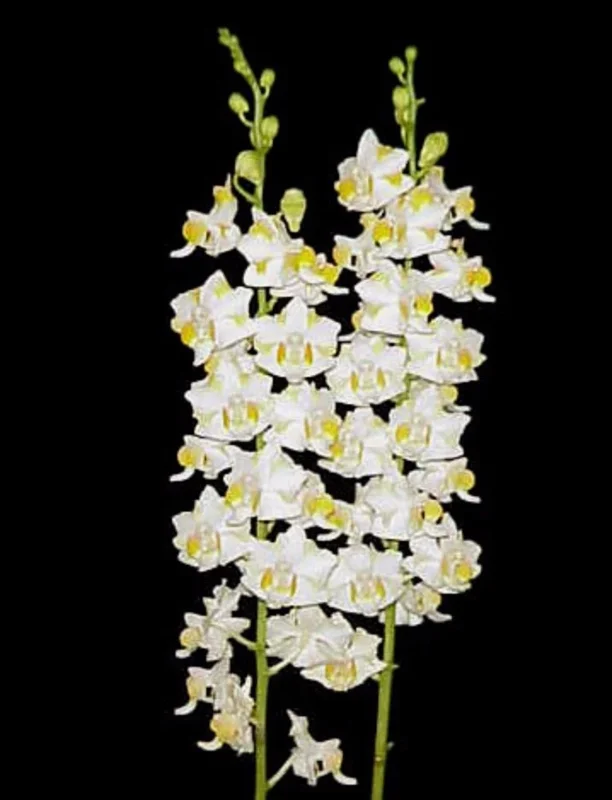
Houseplants
Phalaenopsis pulcherrima ‘Mauna Kea Snow’ Orchid Live Plant – White Flowers, Potted 2.5 in
Sold 50 products
$49.88RELATED posts
Awapuhi Wild Ginger Plant: Zones, Care, and Propagation
Learn which USDA zones suit awapuhi wild ginger, plus sunlight, water, planting, propagation, pests, size, [...]
Awapuhi Shampoo Ginger – Care, Growing Zones, and Differences
Learn how to grow awapuhi (shampoo) ginger, its USDA zones, watering schedule, propagation tips, and [...]
Awapuhi Shampoo Plant Buying Guide – Choose the Right Zingiber zerumbet
META: Learn which awapuhi (shampoo ginger) plant or rhizome pack gives the best natural shampoo, [...]
Awapuhi Plant for Sale: Complete Buying Guide
Find the right awapuhi (shampoo ginger) plant, size, price, soil mix, and online source. Practical [...]
Shampoo Ginger Plant for Sale – Buying Guide & Tips
Find the right shampoo ginger plant, size, price, and care tips. Quick guide for U.S. [...]
Shampoo Ginger Plant (Awapuhi) Care Guide
Learn how to grow, care for, and use shampoo ginger (Zingiber zerumbet), the tropical awapuhi [...]
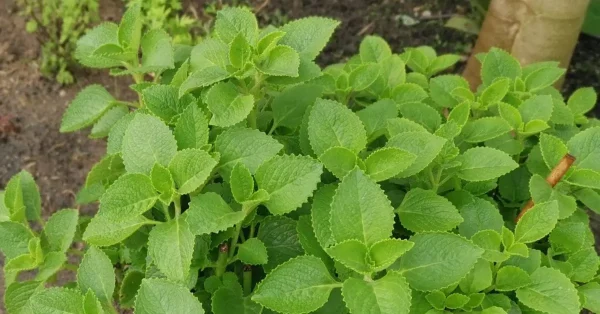
How to Grow Cuban Oregano Plants: A Complete Care Guide
If you’ve ever wanted a plant that combines the culinary punch of traditional oregano with [...]
Aug
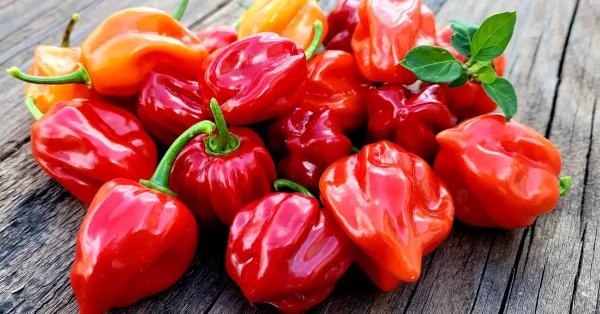
How to Grow Habanero Pepper Plants: A Step-by-Step Guide
Habanero pepper plants are prized for their vibrant colors, intense heat, and exceptional flavor, making [...]
Aug

Reviews
There are no reviews yet.