
Paw Paw Indian Banana Live Plant – Quart Pot – Edible Fruit Tree
Original price was: $36.70.$20.70Current price is: $20.70.
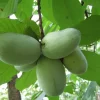
Cultivate your own unique fruit with this paw paw indian banana live plant. Arriving in a quart pot, this deciduous tree produces sweet, custard-like fruits with tropical flavors. Perfect for edible landscapes and native plant enthusiasts.
Shipping and Return policies:
We stand behind our plants with our Alive & Thrive Guarantee. If you experience any issues within the first 30 days, please email us, and our team will be happy to help. When needed, we’ll send you a one-time replacement free of charge to make sure your garden keeps growing strong.

Reasonable Price
We offer reasonable price

Support 24/7
Contact us 24 hrs a day
100% Money Back
You’ve 30 days to Return
Payment Secure
100% secure payment
Overview
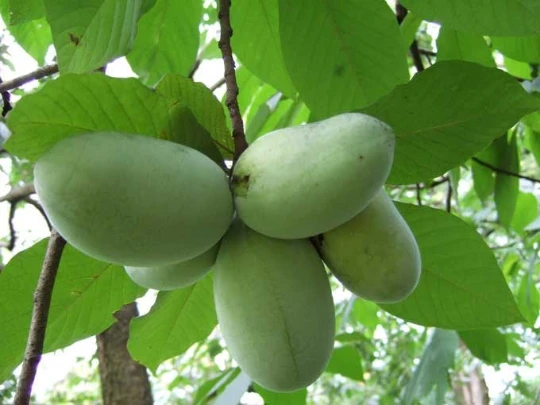
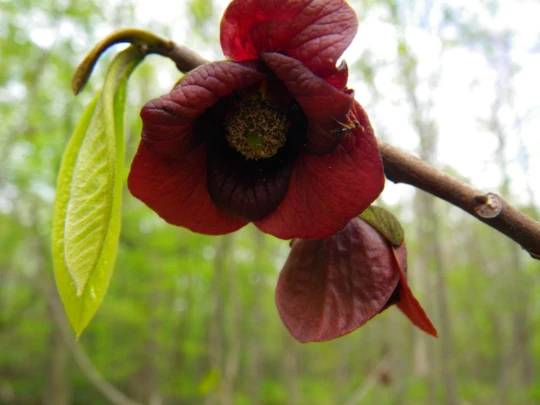
Discover the joy of growing your own native American fruit with this paw paw indian banana live plant. Often called the ‘custard apple of the North,’ the Paw Paw (Asimina triloba) is a fascinating and increasingly popular addition to edible landscapes and home gardens. This live plant, arriving in a convenient quart pot, is ready to be transplanted and begin its journey towards producing delicious, tropical-flavored fruit. The Paw Paw tree is known for its unique flavor profile, often described as a blend of banana, mango, and pineapple. Beyond its delectable fruit, the paw paw indian banana live plant also offers ornamental value with its attractive, large green leaves that turn a vibrant yellow in the fall, and intriguing maroon flowers in spring.
Originating from the eastern United States, the Asimina triloba is a hardy and relatively low-maintenance tree once established. It’s an excellent choice for those looking to diversify their home orchard or add a unique, native edible plant to their garden. With proper care, your paw paw indian banana live plant will mature into a productive and beautiful specimen, providing shade, beauty, and an abundance of exotic-tasting fruit.
Key Benefits
Bringing a paw paw indian banana live plant into your garden offers a multitude of benefits, from its unique fruit to its aesthetic appeal and ecological value. This remarkable tree is a true garden gem.
- Unique Edible Fruit: Enjoy the rare and delicious taste of Paw Paw fruit, a creamy, sweet, and custardy treat with tropical notes not commonly found in grocery stores. Growing your own paw paw fruit tree ensures access to fresh, organic produce.
- Native and Hardy: As a native North American tree, the Paw Paw is well-adapted to many temperate climates and is generally resistant to pests and diseases, making it a robust choice for various growing conditions.
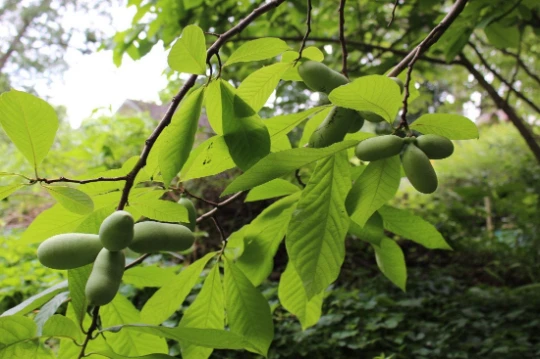
- Ornamental Value: Beyond its fruit, the Paw Paw offers attractive foliage, with large, lush green leaves that provide excellent shade in summer and transform into a striking golden yellow in autumn.
- Supports Wildlife: The tree’s flowers attract native pollinators, and its fruit provides a food source for various wildlife, contributing to a healthy ecosystem in your garden.
- Low Maintenance: Once established, Paw Paw trees require minimal care, making them suitable for both experienced gardeners and those new to fruit tree cultivation.
- Good for Shaded Areas: Unlike many fruit trees that demand full sun, the Paw Paw can tolerate and even thrive in partial shade, making it versatile for different garden spots.
- Sustainable Choice: Opting for a native asimina triloba plant helps support local biodiversity and reduces the environmental impact often associated with exotic fruit production.
Plant Care & Growing Tips
Caring for your paw paw indian banana live plant is straightforward, especially once it’s established. Understanding its specific needs will ensure a healthy, productive tree. Paw Paws prefer a location with at least 6 hours of sunlight for optimal fruit production, though they can tolerate partial shade, especially when young. Young trees benefit from some shade protection during their first year or two to prevent sunscald. They thrive in rich, well-draining soil with a slightly acidic to neutral pH (5.5-7.0). Amend heavy clay or sandy soils with organic matter like compost to improve drainage and fertility. Consistent moisture is crucial, especially during dry periods and when the fruit is developing. Water deeply and regularly, but avoid waterlogging the soil. A good layer of mulch around the base of the tree will help retain soil moisture and suppress weeds.
Paw Paws are hardy in USDA Zones 5-9. They require a certain amount of chill hours to produce fruit, making them unsuitable for very warm, tropical climates. Fertilize your growing paw paw trees in early spring with a balanced organic fertilizer or a slow-release granular product. Avoid high-nitrogen fertilizers, which can promote leafy growth at the expense of fruit. Pruning is generally minimal, focusing on removing dead, damaged, or crossing branches. Shape the tree to encourage an open canopy for good air circulation and light penetration. While Paw Paws are generally pest-resistant, keep an eye out for common garden issues. Remember that most Paw Paw varieties require cross-pollination from another genetically different Paw Paw tree for successful fruit set, so consider planting at least two different varieties for best results. This ensures you’ll have plenty of delicious fruit from your edible fruit plants.
Size & Details
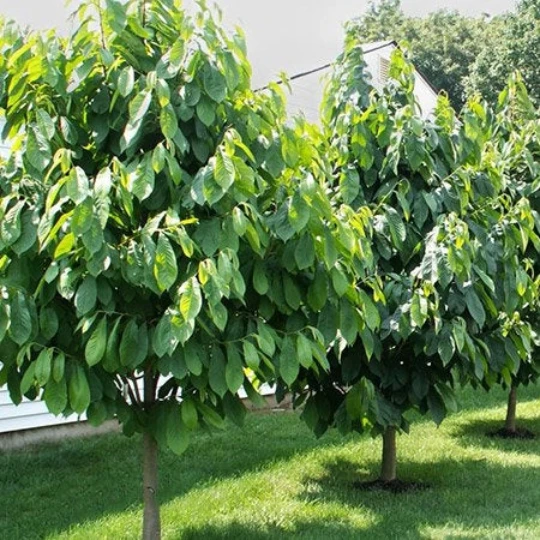
This paw paw indian banana live plant arrives in a quart-sized pot, providing a well-rooted specimen ready for planting. Young Paw Paw trees typically grow at a moderate rate, eventually reaching a height of 15-20 feet and a spread of 10-15 feet at maturity. The exact size will depend on growing conditions and pruning. The plant will be well-packed to ensure its safe arrival, with its root ball intact and protected. Expect your tree to begin producing fruit within 3-5 years after planting, with yields increasing as the tree matures. The delicious fruit, often referred to as Indian Banana, typically ripens in late summer to early fall.
When you receive your asimina triloba plant, it will be a young, healthy specimen, perfectly sized for easy handling and transplanting into its permanent garden location. Adequate space should be provided for its mature size, ensuring good air circulation and access to sunlight. The Paw Paw is a deciduous tree, meaning it will lose its leaves in the fall and enter dormancy for the winter months, only to leaf out beautifully again in the spring.
Frequently Asked Questions
- Q: How big does this paw paw indian banana live plant get? A: At maturity, a Paw Paw tree typically reaches a height of 15-20 feet and a spread of 10-15 feet, though this can vary with growing conditions and pruning.
- Q: What size pot does it come in? A: This paw paw indian banana live plant is shipped in a quart-sized pot, providing a healthy root system for successful transplanting.
- Q: Is this an indoor or outdoor plant? A: The Paw Paw is an outdoor deciduous fruit tree. It requires a period of dormancy and is not suitable for long-term indoor cultivation.
- Q: How much sunlight does it need? A: For best fruit production, growing paw paw trees need at least 6 hours of full sun. Young trees can benefit from some partial shade during their first year or two to prevent sunscald.
- Q: Is this plant easy to care for? A: Yes, once established, the Paw Paw is considered a relatively low-maintenance fruit tree, making it a good choice for various gardening skill levels.
- Q: What condition will it arrive in? A: Your paw paw fruit tree will arrive as a healthy, well-rooted live plant, carefully packaged to ensure its safe journey. It will be ready for immediate planting upon arrival.
- Q: Can I use the fruit from this tree? A: Absolutely! The Paw Paw produces delicious, creamy fruit with a unique tropical flavor, perfect for eating fresh or using in various culinary applications like pies, ice cream, and custards.
- Q: How long until it blooms? A: Paw Paw trees typically begin to flower and produce fruit within 3-5 years after planting, with production increasing as the tree matures.
- Q: When is the best time to plant this edible fruit plant? A: The best time to plant Paw Paw trees is in spring or early fall when temperatures are moderate.
- Q: Will it survive winter in my zone? A: Paw Paw trees are hardy in USDA Zones 5-9. They require a certain number of chill hours to produce fruit and are well-adapted to temperate winter conditions.
Be the first to review “Paw Paw Indian Banana Live Plant – Quart Pot – Edible Fruit Tree”
You must be logged in to post a review.
People also Viewed
Sold 50 products
$32.38
Sold 50 products
$27.38
Sold 50 products
$32.38
Sold 50 products
$19.88
Sold 50 products
$62.38
Sold 50 products
$24.88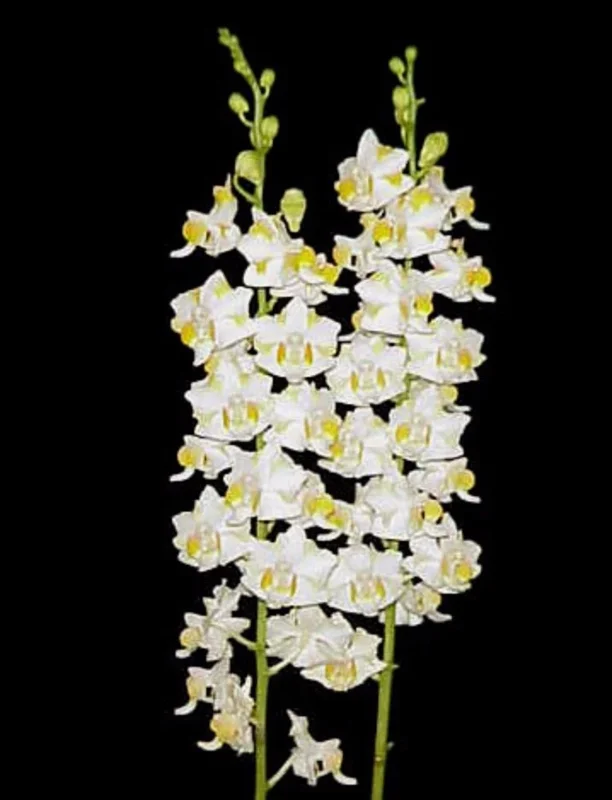
Houseplants
Phalaenopsis pulcherrima ‘Mauna Kea Snow’ Orchid Live Plant – White Flowers, Potted 2.5 in
Sold 50 products
$49.88
Sold 50 products
$49.88RELATED posts
Awapuhi Wild Ginger Plant: Zones, Care, and Propagation
Learn which USDA zones suit awapuhi wild ginger, plus sunlight, water, planting, propagation, pests, size, [...]
Awapuhi Shampoo Ginger – Care, Growing Zones, and Differences
Learn how to grow awapuhi (shampoo) ginger, its USDA zones, watering schedule, propagation tips, and [...]
Awapuhi Shampoo Plant Buying Guide – Choose the Right Zingiber zerumbet
META: Learn which awapuhi (shampoo ginger) plant or rhizome pack gives the best natural shampoo, [...]
Awapuhi Plant for Sale: Complete Buying Guide
Find the right awapuhi (shampoo ginger) plant, size, price, soil mix, and online source. Practical [...]
Shampoo Ginger Plant for Sale – Buying Guide & Tips
Find the right shampoo ginger plant, size, price, and care tips. Quick guide for U.S. [...]
Shampoo Ginger Plant (Awapuhi) Care Guide
Learn how to grow, care for, and use shampoo ginger (Zingiber zerumbet), the tropical awapuhi [...]
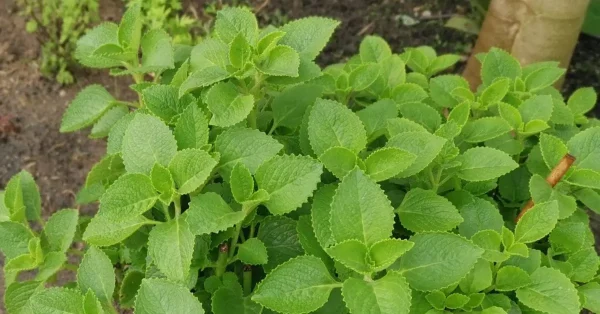
How to Grow Cuban Oregano Plants: A Complete Care Guide
If you’ve ever wanted a plant that combines the culinary punch of traditional oregano with [...]
Aug
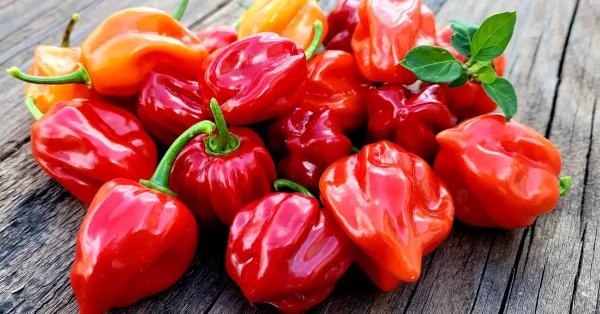
How to Grow Habanero Pepper Plants: A Step-by-Step Guide
Habanero pepper plants are prized for their vibrant colors, intense heat, and exceptional flavor, making [...]
Aug
Reviews
There are no reviews yet.