
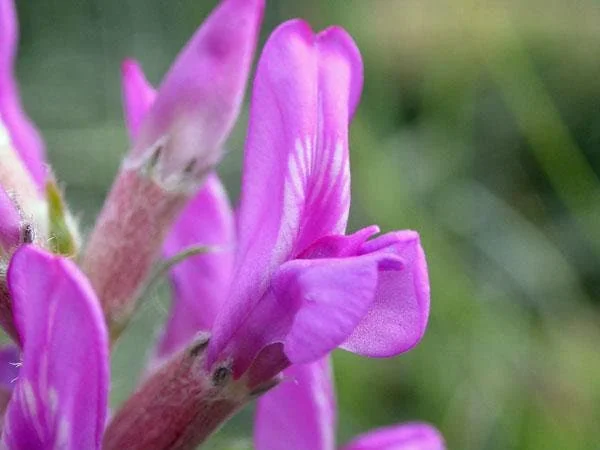
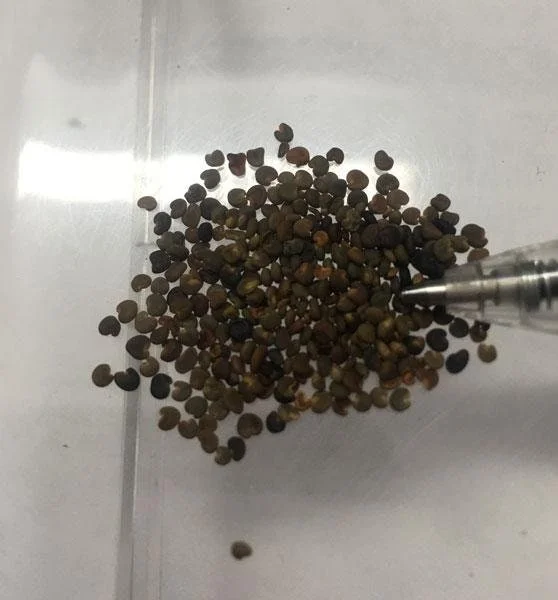
Oxytropis Lambertii Seeds – Purple Locoweed – 10 Seeds – Zones 3-6
Original price was: $25.00.$17.50Current price is: $17.50.
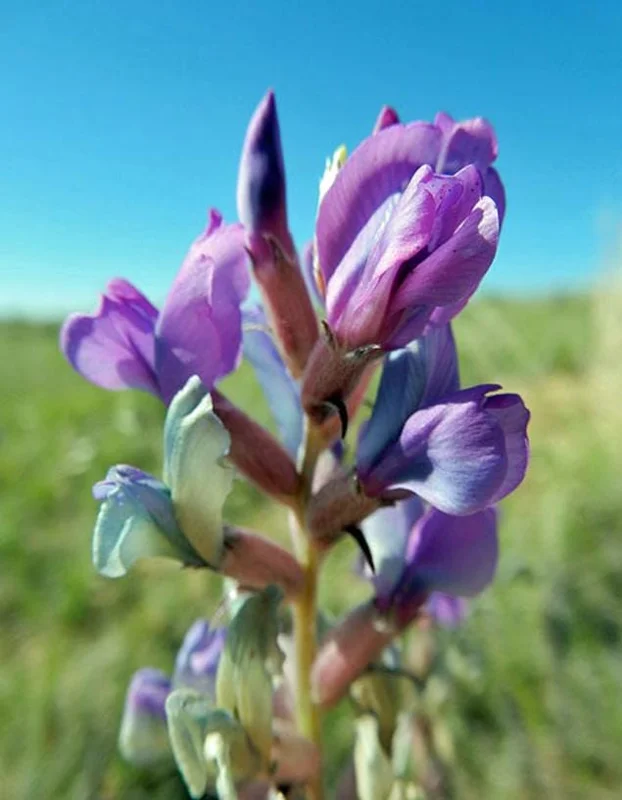
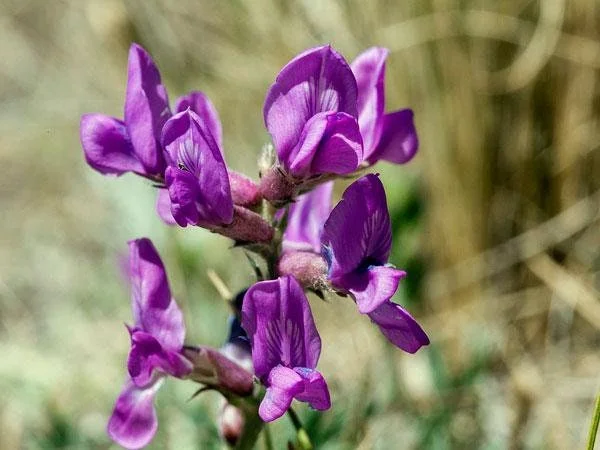
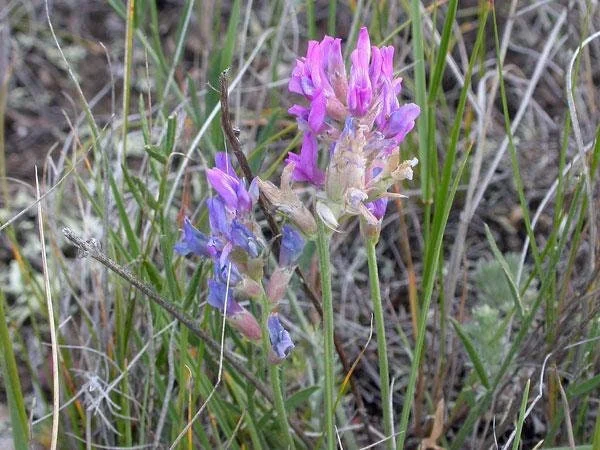
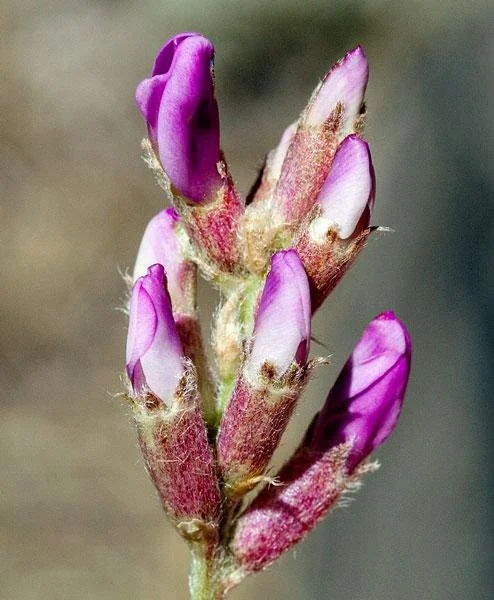
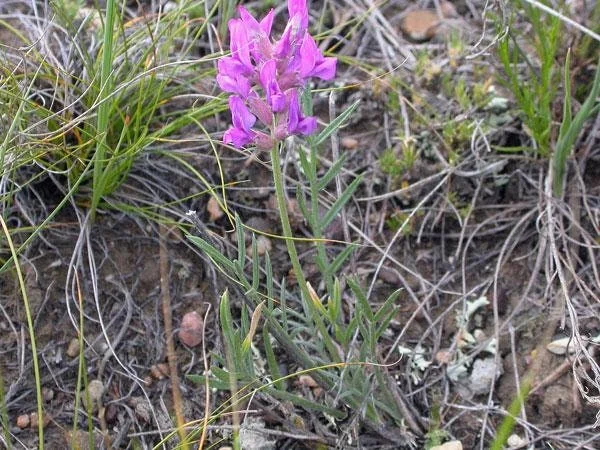
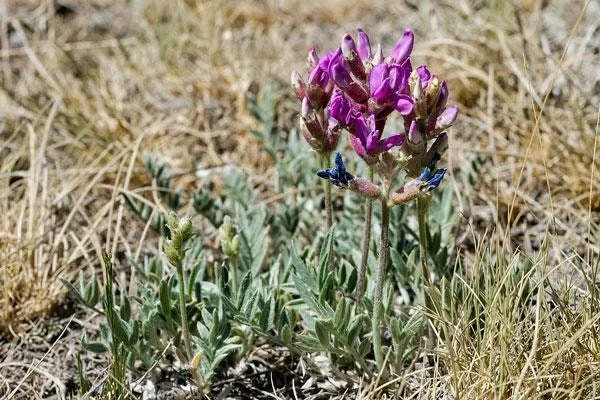
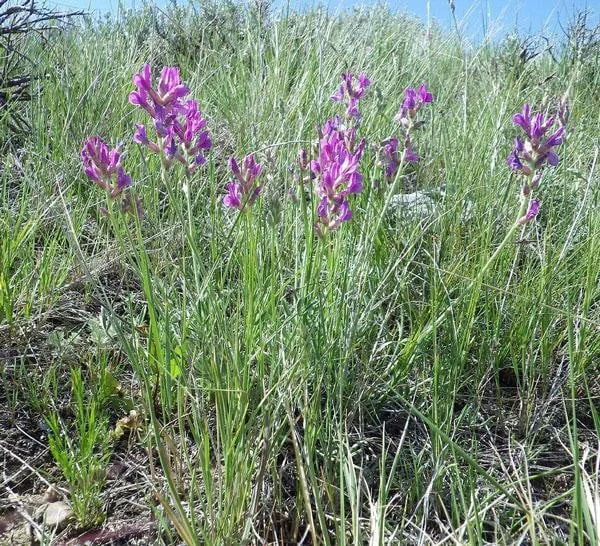
Discover the unique beauty of Oxytropis Lambertii seeds, also known as Purple Locoweed or Lambert’s Crazyweed. This hardy perennial is perfect for gardeners in USDA Zones 3-6, offering distinctive purple flowers from late spring to mid-summer. Each pack contains 10 seeds ready for cultivation.
Shipping and Return policies:
We stand behind our plants with our Alive & Thrive Guarantee. If you experience any issues within the first 30 days, please email us, and our team will be happy to help. When needed, we’ll send you a one-time replacement free of charge to make sure your garden keeps growing strong.

Reasonable Price
We offer reasonable price

Support 24/7
Contact us 24 hrs a day
100% Money Back
You’ve 30 days to Return
Payment Secure
100% secure payment
Overview
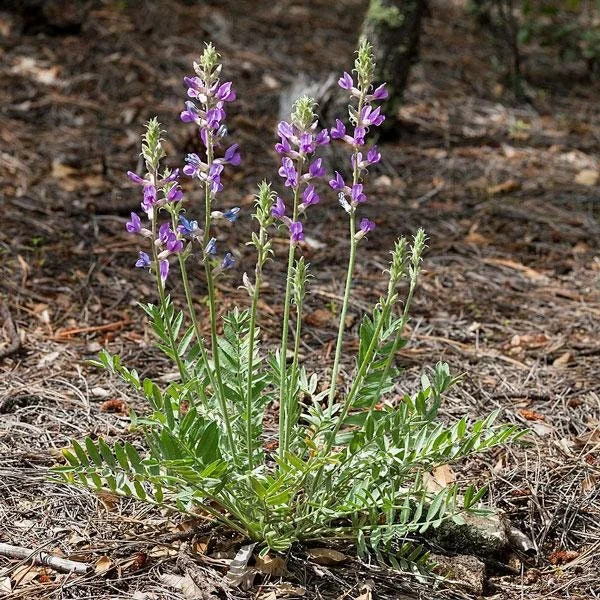
Embark on a rewarding gardening journey with Oxytropis Lambertii seeds, the gateway to cultivating the captivating Purple Locoweed, also known as Lambert’s Crazyweed. This product offers 10 seeds of this unique perennial, a member of the Fabaceae family, ready to bring its charm to your garden. Native to both Euro Asia and North America, Oxytropis lambertii is celebrated for its striking purple flowers and ability to thrive in a range of conditions. Growing to about a foot tall and wide, it forms a compact, attractive mound of basal leaves before sending up its impressive flower spikes. These seeds provide an excellent opportunity for gardeners to introduce a resilient and visually interesting plant into their landscape, particularly those looking for a distinctive perennial that stands out.
The common names purple locoweed seeds and Lambert’s locoweed reflect its distinct appearance and historical context. This perennial is not just a beautiful addition; it’s a conversation starter, perfect for rock gardens, native plant landscapes, or pollinator-friendly beds. Its robust nature makes it an ideal choice for gardeners seeking low-maintenance yet high-impact flora. With these seeds, you’re not just planting a flower; you’re cultivating a piece of botanical history and natural beauty that will enhance your outdoor space for years to come. Prepare to enjoy its vibrant blooms and unique foliage as it establishes itself in your garden.
Key Benefits
Cultivating Oxytropis Lambertii seeds offers numerous advantages for both your garden and local ecosystem. These seeds grow into robust plants that provide significant aesthetic and ecological benefits.
- Unique Floral Display: Enjoy a prolonged bloom period from late spring to mid-summer, featuring distinctive purple flowers arranged in dense spikes. These blossoms add a unique visual texture and color to any garden setting, making it a focal point.
- Hardy Perennial: As a perennial, once established, Oxytropis lambertii returns year after year, reducing the need for annual replanting. It is well-suited for USDA Zones 3-6, demonstrating excellent cold hardiness.
- Attracts Pollinators: The vibrant purple flowers are a magnet for local pollinators, including various bees and butterflies. Planting purple locoweed seeds helps support local biodiversity and ecosystem health in your area.
- Drought Tolerant: Once mature, this plant exhibits good drought tolerance, making it an excellent choice for xeriscaping or gardens in drier climates, requiring less supplemental watering.
- Low Maintenance: Oxytropis lambertii is a relatively low-maintenance plant. It doesn’t demand constant attention, making it suitable for busy gardeners or those new to growing unique perennials.
- Architectural Interest: The basal rosette of silky-haired leaves and the upright flower spikes provide interesting architectural form, even when not in bloom, adding structure to your garden design.
- Native Plant Appeal: As a native species to parts of North America, growing Lambert’s locoweed contributes to ecological restoration and provides habitat for local wildlife.
Plant Care & Growing Tips
Successfully growing Oxytropis Lambertii seeds requires understanding its specific needs, especially during germination and establishment. This hardy perennial thrives with proper care, ensuring a vibrant display of purple blooms.
Sunlight Requirements: Oxytropis lambertii prefers full sun exposure, meaning at least 6-8 hours of direct sunlight per day. While it can tolerate partial shade, abundant sunlight encourages the most prolific flowering and robust growth. When choosing a planting site for your perennial flower seeds, consider a location that receives ample morning sun and some afternoon protection in extremely hot climates, though it generally fares well in full sun.
Watering and Soil: For germination, sow seeds thinly and lightly cover with a medium. Keep the soil consistently moist but not waterlogged in a bright spot. Once established, Oxytropis lambertii is quite drought-tolerant and prefers well-draining soil. Overwatering can be detrimental, leading to root rot. A sandy or gravelly loam is ideal, mimicking its natural habitat. Ensure your garden bed or container has excellent drainage to prevent standing water. For zone 3-6 seeds, soil composition is key to winter survival and overall plant health.
Temperature and Hardiness: This plant is remarkably cold-hardy, thriving in USDA Zones 3-6. During germination, maintain a consistent temperature around 65-75°F (18-24°C). Once mature, it can withstand freezing temperatures and is well-adapted to temperate climates. No special winter protection is typically needed within its hardiness zones. Fertilization is generally not heavily required; a light application of a balanced, slow-release granular fertilizer in early spring can support vigorous growth, but avoid over-fertilizing, especially with nitrogen, which can lead to excessive foliage at the expense of flowers.
Size & Details
The Oxytropis Lambertii seeds you receive will grow into a distinctive perennial plant, reaching a mature size of approximately one foot (30 cm) tall and one foot (30 cm) wide. The plant develops 6-inch (15 cm) basal leaves, which are typically found in groups of 10-20 and are covered in soft, silky hairs, giving them a unique texture and appearance. From late spring until mid-summer, the plant produces impressive flower spikes, each about a foot (30 cm) long, adorned with clusters of up to 25 vibrant purple flowers. These purple locoweed seeds will develop into plants that provide a continuous display of color throughout the warmer months.
This species is shipped as a pack of 10 seeds, ready for you to sow. Germination typically occurs within 7-30 days under optimal conditions. Expect the first blooms in the second year after planting, as the plant establishes a robust root system. Its moderate growth rate allows it to fill out its designated space gracefully without becoming invasive. These Lambert’s locoweed plants are an excellent choice for adding naturalized beauty to your garden, providing both visual appeal and ecological benefits as they mature.
Frequently Asked Questions
- Q: How big does Oxytropis Lambertii get? A: This perennial typically grows to about one foot (30 cm) tall and one foot (30 cm) wide at maturity. Its flower spikes can also reach up to a foot in length, adding to its overall height during bloom.
- Q: Is this an indoor or outdoor plant? A: Oxytropis Lambertii is primarily an outdoor plant, well-suited for gardens, rockeries, and naturalized areas. It thrives in full sun and is hardy in USDA Zones 3-6.
- Q: How much sunlight do Oxytropis Lambertii seeds need? A: For optimal growth and flowering, Oxytropis Lambertii requires full sun exposure, meaning at least 6-8 hours of direct sunlight daily. It can tolerate some partial shade but may produce fewer flowers.
- Q: Is this plant easy to care for? A: Yes, once established, Oxytropis Lambertii is considered a low-maintenance plant. It’s drought-tolerant and doesn’t require extensive care, making it suitable for various gardeners.
- Q: What condition will the seeds arrive in? A: The product includes 10 seeds, carefully packaged to ensure their viability upon arrival. You will receive them ready for planting.
- Q: How long until purple locoweed seeds bloom? A: While germination takes 7-30 days, established plants typically begin to bloom in their second year, from late spring until mid-summer. Patience is key for these beautiful perennials.
- Q: Will Lambert’s locoweed survive winter in my zone? A: Yes, Oxytropis Lambertii is very cold-hardy and thrives in USDA Zones 3-6. It is well-adapted to survive cold winters within these zones without special protection.
- Q: What type of soil is best for these perennial flower seeds? A: Well-draining soil is crucial. A sandy or gravelly loam is ideal, as the plant does not tolerate wet feet. Ensure good drainage to prevent root issues.
- Q: How often should I water established Oxytropis Lambertii? A: Once established, water sparingly. The plant is drought-tolerant and prefers drier conditions. Allow the soil to dry out completely between waterings to prevent overhydration.
- Q: Can I grow zone 3-6 seeds in containers? A: Yes, Oxytropis Lambertii can be grown in containers, provided the containers are large enough to accommodate its root system and have excellent drainage. Ensure they are placed in a sunny location.
Be the first to review “Oxytropis Lambertii Seeds – Purple Locoweed – 10 Seeds – Zones 3-6”
You must be logged in to post a review.
People also Viewed

Sold 50 products
Original price was: $109.95.$79.98Current price is: $79.98.
Sold 50 products
Original price was: $25.00.$17.50Current price is: $17.50.
Flower Seeds
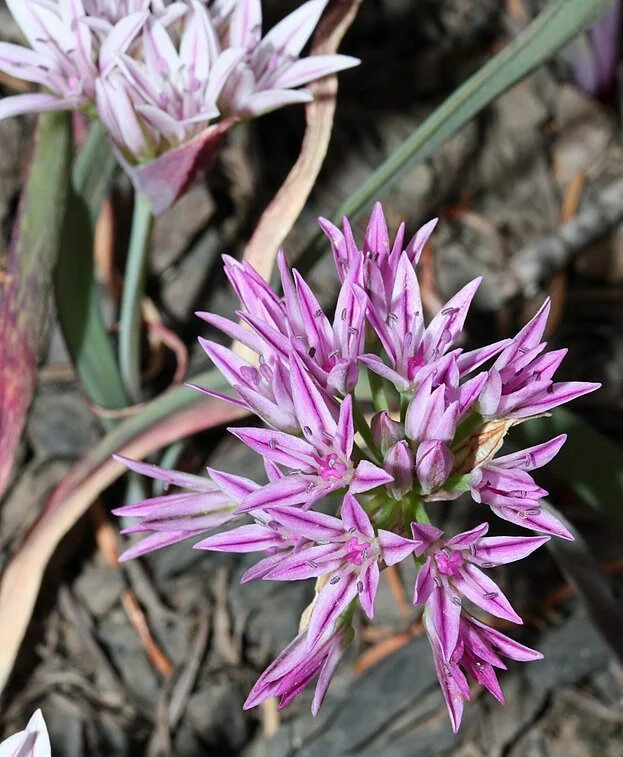
Olympic Onion Seeds – Allium crenulatum Flower Seeds – 10 Seed Pack – Outdoor Native Plant
Sold 50 products
Original price was: $25.00.$17.50Current price is: $17.50.
Sold 50 products
Original price was: $25.00.$17.50Current price is: $17.50.
Flower Seeds
Fuchsia vulcanica Seeds – 20 Pack – Vibrant Orange Coral Flowers for Garden & Containers
Sold 50 products
Original price was: $25.00.$17.50Current price is: $17.50.
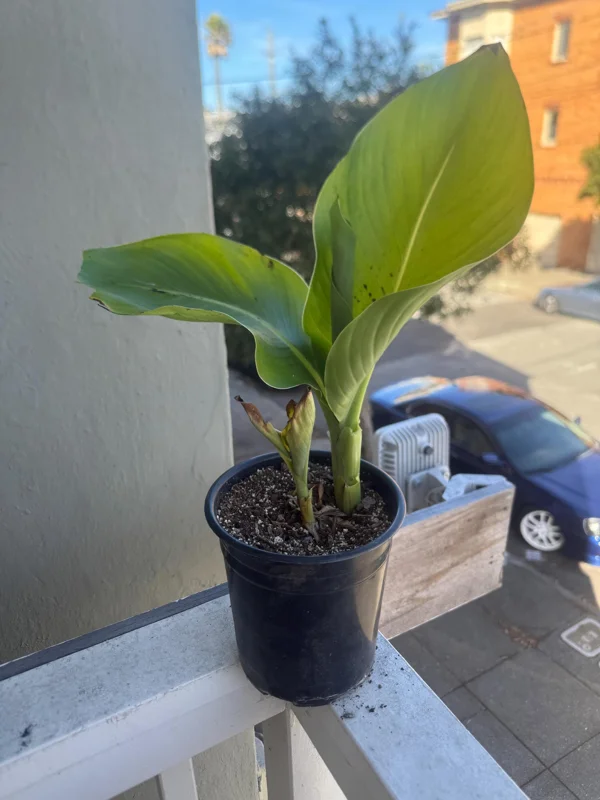
Sold 50 products
Original price was: $116.98.$95.68Current price is: $95.68.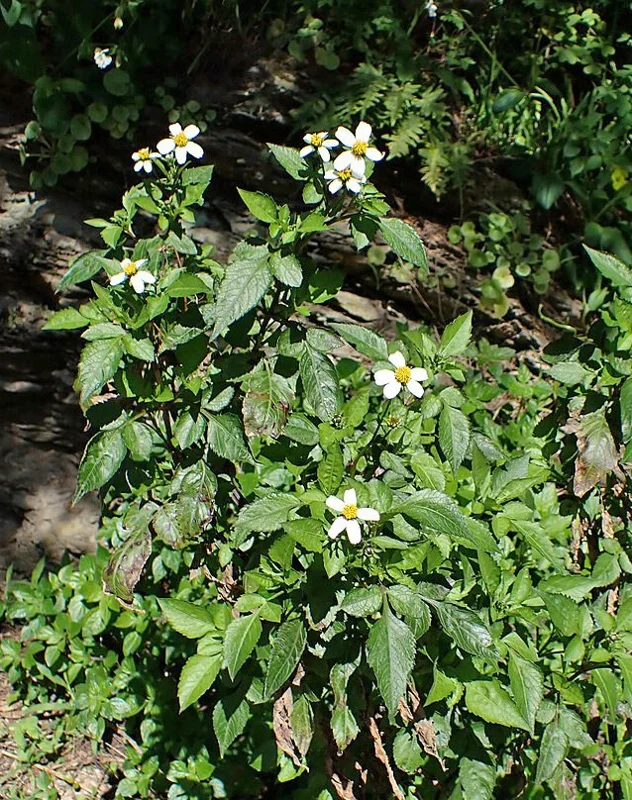
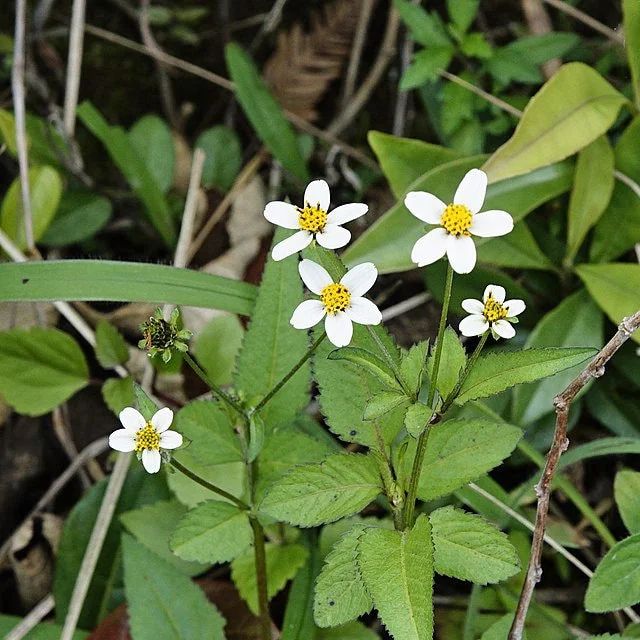
Sold 50 products
Original price was: $21.00.$14.10Current price is: $14.10.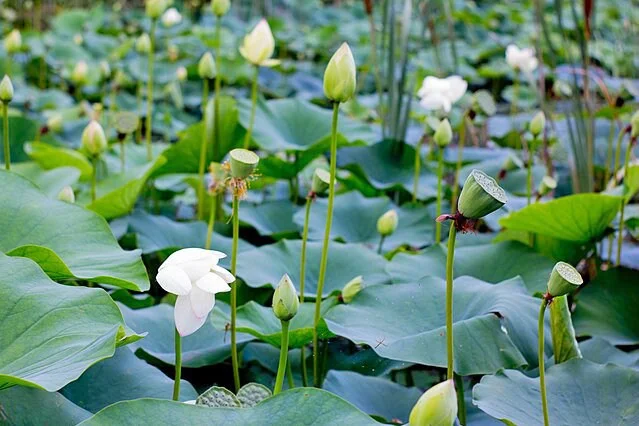
Aquatic Plant Seeds
White Lotus Seeds – Nelumbo Nucifera Aquatic Pond Plant – 5 Seeds for Water Garden
Sold 50 products
Original price was: $29.00.$20.90Current price is: $20.90.RELATED posts
Awapuhi Wild Ginger Plant: Zones, Care, and Propagation
Learn which USDA zones suit awapuhi wild ginger, plus sunlight, water, planting, propagation, pests, size, [...]
Awapuhi Shampoo Ginger – Care, Growing Zones, and Differences
Learn how to grow awapuhi (shampoo) ginger, its USDA zones, watering schedule, propagation tips, and [...]
Awapuhi Shampoo Plant Buying Guide – Choose the Right Zingiber zerumbet
META: Learn which awapuhi (shampoo ginger) plant or rhizome pack gives the best natural shampoo, [...]
Awapuhi Plant for Sale: Complete Buying Guide
Find the right awapuhi (shampoo ginger) plant, size, price, soil mix, and online source. Practical [...]
Shampoo Ginger Plant for Sale – Buying Guide & Tips
Find the right shampoo ginger plant, size, price, and care tips. Quick guide for U.S. [...]
Shampoo Ginger Plant (Awapuhi) Care Guide
Learn how to grow, care for, and use shampoo ginger (Zingiber zerumbet), the tropical awapuhi [...]
How to Grow Cuban Oregano Plants: A Complete Care Guide
If you’ve ever wanted a plant that combines the culinary punch of traditional oregano with [...]
Aug

How to Grow Habanero Pepper Plants: A Step-by-Step Guide
Habanero pepper plants are prized for their vibrant colors, intense heat, and exceptional flavor, making [...]
Aug


Reviews
There are no reviews yet.