
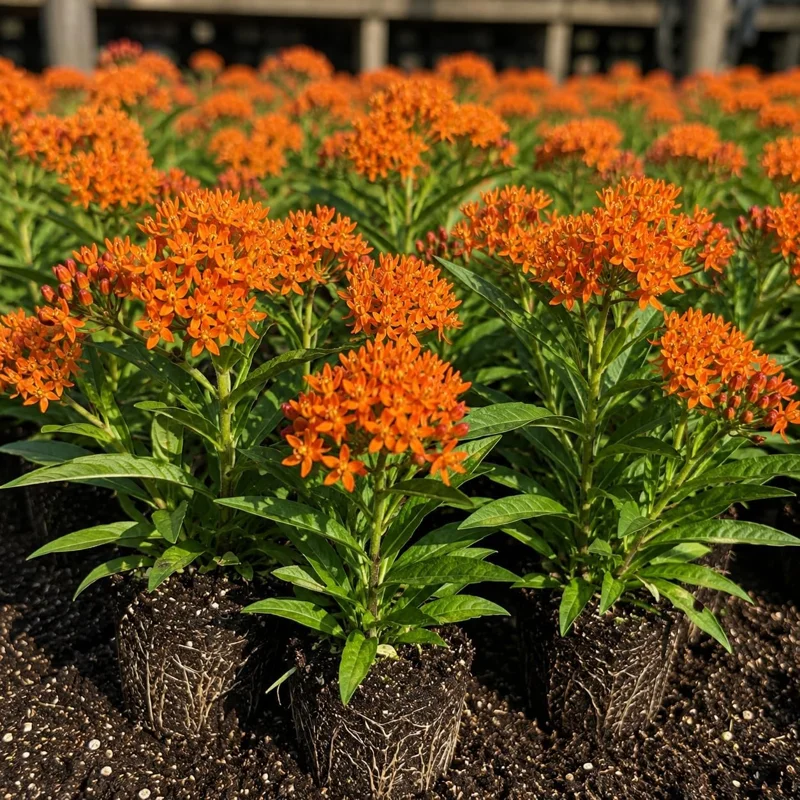
Orange Milkweed Live Plants – Set of 4, Asclepias Tuberosa, 4-8 Inch Tall, Perennial Outdoor
$38.99
Enhance your garden with this set of 4 orange milkweed live plant starters, perfect for attracting butterflies and other pollinators. These 4-8 inch tall asclepias tuberosa plant perennials feature vibrant orange flowers and are ideal for outdoor planting in full sun.
Shipping and Return policies:
We stand behind our plants with our Alive & Thrive Guarantee. If you experience any issues within the first 30 days, please email us, and our team will be happy to help. When needed, we’ll send you a one-time replacement free of charge to make sure your garden keeps growing strong.

Reasonable Price
We offer reasonable price

Support 24/7
Contact us 24 hrs a day
100% Money Back
You’ve 30 days to Return
Payment Secure
100% secure payment
Overview
Introduce a burst of color and vital ecological support to your garden with this set of four orange milkweed live plant starters. Also known scientifically as Asclepias Tuberosa plant or Butterfly Weed, this native perennial is renowned for its brilliant orange blooms and its crucial role in supporting monarch butterfly populations. Unlike many other milkweeds, orange milkweed does not produce a milky sap, making it a unique and fascinating addition to any landscape. Each starter plant, measuring 4-8 inches tall, is ready for planting and promises to transform your outdoor space into a vibrant haven for pollinators. This robust perennial thrives in a variety of conditions, making it an excellent choice for both novice and experienced gardeners looking to cultivate a biodiverse and beautiful environment. The striking orange flowers create a stunning visual impact, ensuring your garden stands out.
These young orange milkweed live plant specimens are carefully cultivated to ensure a strong start in your garden. While they may arrive without flowers, they will quickly establish themselves and begin to produce their iconic blooms in due time. Planting orange milkweed is not just about aesthetics; it’s an investment in local ecosystems. Monarch butterflies exclusively lay their eggs on milkweed plants, and these plants provide essential food for their caterpillars. By planting asclepias tuberosa plant, you directly contribute to the conservation efforts of these magnificent insects. Get ready to witness a lively spectacle of butterflies and other beneficial insects as they flock to your flourishing milkweed.
Key Benefits
Cultivating orange milkweed live plant offers a multitude of advantages for your garden and the environment. These benefits extend beyond mere visual appeal, providing ecological value and ease of care. Here are some of the key reasons to choose this vibrant perennial:
- Pollinator Magnet: The bright orange flowers are irresistible to a wide array of pollinators, including monarch butterflies, other butterfly species, bees, and hummingbirds. Planting these is a direct way to support local biodiversity and create a thriving ecosystem in your backyard.
- Monarch Butterfly Host Plant: This asclepias tuberosa plant is a critical host plant for monarch butterfly caterpillars. By providing a safe place for monarchs to lay eggs and for their larvae to feed, you play a vital role in the monarch migration and conservation.
- Drought Tolerant: Once established, orange milkweed is highly drought-tolerant, requiring minimal watering. This makes it an excellent choice for xeriscaping or gardens in regions with water restrictions, reducing your overall water usage.
- Low Maintenance Perennial: As a perennial orange flower, orange milkweed returns year after year with little intervention. It requires minimal care once established, making it perfect for busy gardeners or those new to gardening.
- Vibrant Aesthetic Appeal: The brilliant, fiery orange blooms provide a spectacular display from late spring through summer, adding intense color and visual interest to borders, meadows, and native plant gardens.
- Deer Resistant: Generally, deer tend to leave milkweed alone, making it a good option if deer are a common problem in your area. This helps ensure your beautiful flowers remain untouched.
- Erosion Control: Its fibrous root system can help stabilize soil, making it useful for preventing erosion on slopes or in areas prone to runoff.
Plant Care & Growing Tips
Caring for your orange milkweed live plant is relatively straightforward, as this native perennial is quite resilient. To ensure vigorous growth and abundant blooms, proper attention to sunlight, soil, and water is essential. Orange milkweed thrives in full sun, meaning it needs at least 6-8 hours of direct sunlight per day. Choose a location in your garden that receives ample sun exposure throughout the day. While it can tolerate some partial shade, too little sun will result in fewer flowers and weaker growth. When planting, ensure the young starter plants are spaced appropriately to allow for mature growth, typically 18-24 inches apart.
The ideal soil for asclepias tuberosa plant is well-draining, sandy, or gravelly soil. It does not tolerate heavy, wet clays, which can lead to root rot. If your soil is heavy, consider amending it with sand or organic matter to improve drainage. Water regularly during the establishment phase, which is typically the first growing season after planting. Once established, orange milkweed is quite drought-tolerant and only needs watering when the soil becomes dry to the touch. Overwatering is a common mistake that can harm this plant. For optimal growth, maintain soil temperatures between 65 and 85 degrees Fahrenheit. Fertilization is generally not necessary, especially in rich soils. If your soil is very poor, a light application of a balanced, slow-release fertilizer in spring can be beneficial. Watch out for common pests like aphids, which can be managed with a strong spray of water or insecticidal soap. Providing proper milkweed plant care ensures a healthy, thriving plant that will grace your garden for years.
This perennial orange flower is hardy in USDA Zones 3-9, making it suitable for a wide range of climates across the United States. It is crucial to plant within these zones for successful overwintering. In colder zones, ensure adequate mulch protection during winter. The blooming season typically runs from late spring through summer, providing a continuous show of color and a consistent food source for pollinators. Deadheading spent flowers can encourage a longer blooming period, though allowing some flowers to go to seed will provide food for birds and allow for natural reseeding. These simple milkweed plant care tips will help you enjoy the full beauty and ecological benefits of your orange milkweed.
Size & Details
This offering includes a set of four orange milkweed live plant starters, each standing approximately 4-8 inches tall upon arrival. These are young, healthy starter plants, carefully cultivated and shipped without a pot to minimize shipping stress and waste. While they may not have flowers or the mature appearance shown in reference images, they are robust and ready for immediate planting in your garden. Expect these plants to grow into mature specimens typically reaching 1-3 feet in height and spreading 1-2 feet wide, forming attractive clumps over time. The growth rate is moderate, with significant development expected in the first growing season after establishment. This set provides an excellent foundation for creating a vibrant butterfly garden or a native plant landscape.
The plants are shipped as bare roots or with minimal soil around their root ball, ensuring they can be easily transplanted into your prepared garden beds. They are designed to establish quickly when planted according to the care instructions. The specific dimensions of each plant may vary slightly due to natural growth patterns, but all will fall within the 4-8 inch height range, offering a consistent starting point for your landscaping project. When considering the ideal location for your asclepias tuberosa plant, remember its mature size and spread to allow ample room for growth and air circulation. This set is perfect for gardeners looking to establish a significant patch of milkweed, crucial for supporting local wildlife.
Frequently Asked Questions
- Q: What size are the orange milkweed plants when they arrive? A: The orange milkweed live plant starters typically arrive 4-8 inches tall. They are young plants ready for transplanting into your garden.
- Q: Is this an indoor or outdoor plant? A: This asclepias tuberosa plant is an outdoor perennial. It thrives in full sun conditions in garden beds, meadows, or naturalized areas.
- Q: How much sunlight does this perennial orange flower need? A: Orange milkweed requires full sun, meaning at least 6-8 hours of direct sunlight per day, for optimal growth and flowering.
- Q: Is this plant easy to care for? Is it good for beginners? A: Yes, milkweed plant care is relatively easy. Once established, it is drought-tolerant and low-maintenance, making it an excellent choice for beginners.
- Q: What condition will the plants arrive in? A: You will receive young starter plants that may not currently have flowers, fruits, or the same size and appearance as mature specimens. They are carefully packed for safe transit.
- Q: When is the best time to plant orange milkweed? A: The best time to plant is typically in spring after the last frost, or in early fall in warmer climates, allowing the plants to establish before extreme temperatures.
- Q: Will this plant survive winter in my zone? A: This orange milkweed live plant is hardy in USDA Zones 3-9, meaning it will typically survive winter and return in spring within these zones.
- Q: What is the primary benefit of planting orange milkweed? A: The primary benefit is its crucial role as a host plant for monarch butterfly caterpillars and its ability to attract a wide variety of pollinators to your garden.
- Q: Do these plants come with a pot? A: No, these plants are shipped without a pot. They are packaged to be planted directly into your garden or a larger container upon arrival.
- Q: How tall does orange milkweed get at maturity? A: At maturity, the asclepias tuberosa plant typically grows 1-3 feet tall and spreads 1-2 feet wide, forming a beautiful clump of vibrant orange flowers.
Be the first to review “Orange Milkweed Live Plants – Set of 4, Asclepias Tuberosa, 4-8 Inch Tall, Perennial Outdoor”
You must be logged in to post a review.
People also Viewed

Sold 50 products
Original price was: $37.48.$23.98Current price is: $23.98.
Sold 50 products
$32.38
Sold 50 products
$27.38
Sold 50 products
$32.38
Sold 50 products
$19.88
Sold 50 products
$62.38
Sold 50 products
$24.88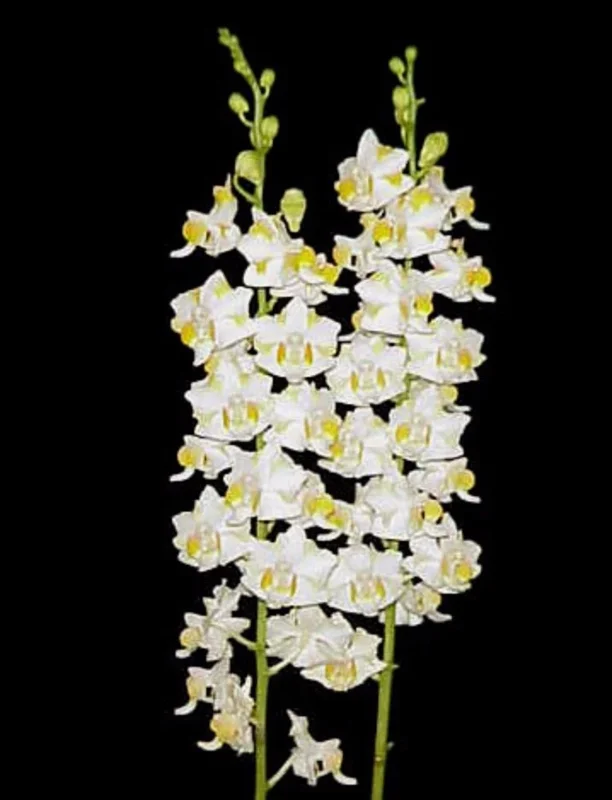
Houseplants
Phalaenopsis pulcherrima ‘Mauna Kea Snow’ Orchid Live Plant – White Flowers, Potted 2.5 in
Sold 50 products
$49.88RELATED posts
Awapuhi Wild Ginger Plant: Zones, Care, and Propagation
Learn which USDA zones suit awapuhi wild ginger, plus sunlight, water, planting, propagation, pests, size, [...]
Awapuhi Shampoo Ginger – Care, Growing Zones, and Differences
Learn how to grow awapuhi (shampoo) ginger, its USDA zones, watering schedule, propagation tips, and [...]
Awapuhi Shampoo Plant Buying Guide – Choose the Right Zingiber zerumbet
META: Learn which awapuhi (shampoo ginger) plant or rhizome pack gives the best natural shampoo, [...]
Awapuhi Plant for Sale: Complete Buying Guide
Find the right awapuhi (shampoo ginger) plant, size, price, soil mix, and online source. Practical [...]
Shampoo Ginger Plant for Sale – Buying Guide & Tips
Find the right shampoo ginger plant, size, price, and care tips. Quick guide for U.S. [...]
Shampoo Ginger Plant (Awapuhi) Care Guide
Learn how to grow, care for, and use shampoo ginger (Zingiber zerumbet), the tropical awapuhi [...]
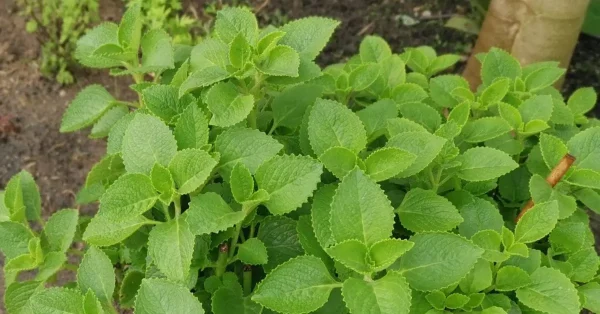
How to Grow Cuban Oregano Plants: A Complete Care Guide
If you’ve ever wanted a plant that combines the culinary punch of traditional oregano with [...]
Aug

How to Grow Habanero Pepper Plants: A Step-by-Step Guide
Habanero pepper plants are prized for their vibrant colors, intense heat, and exceptional flavor, making [...]
Aug


Reviews
There are no reviews yet.