
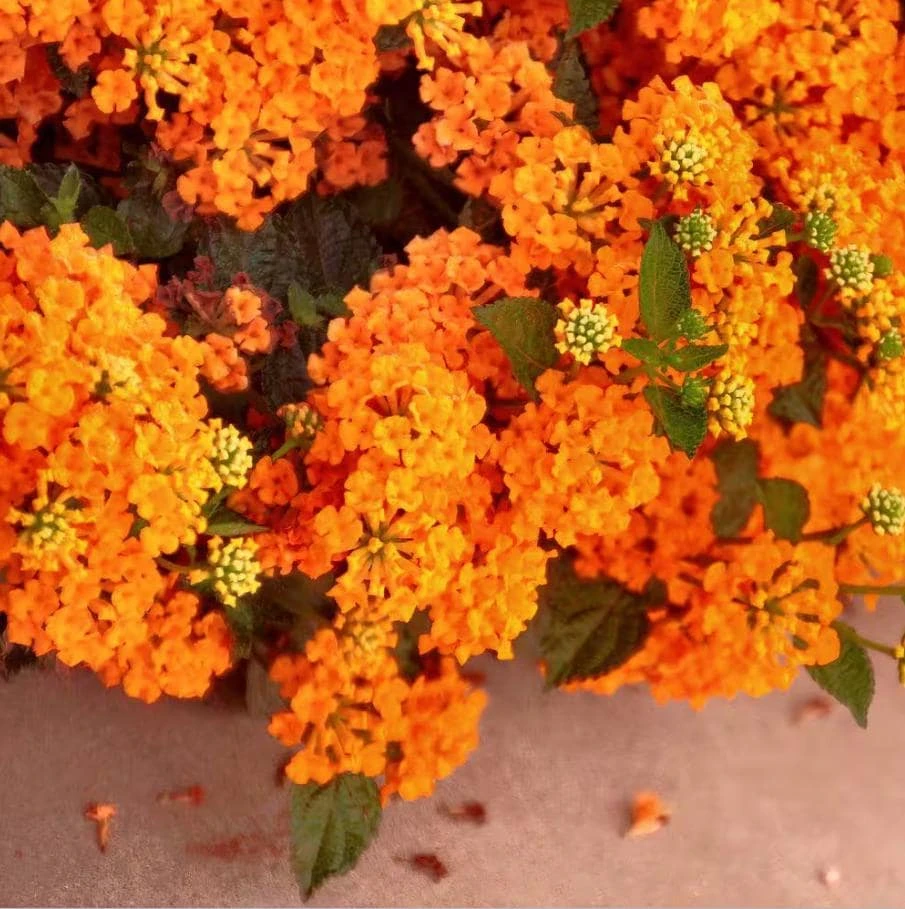
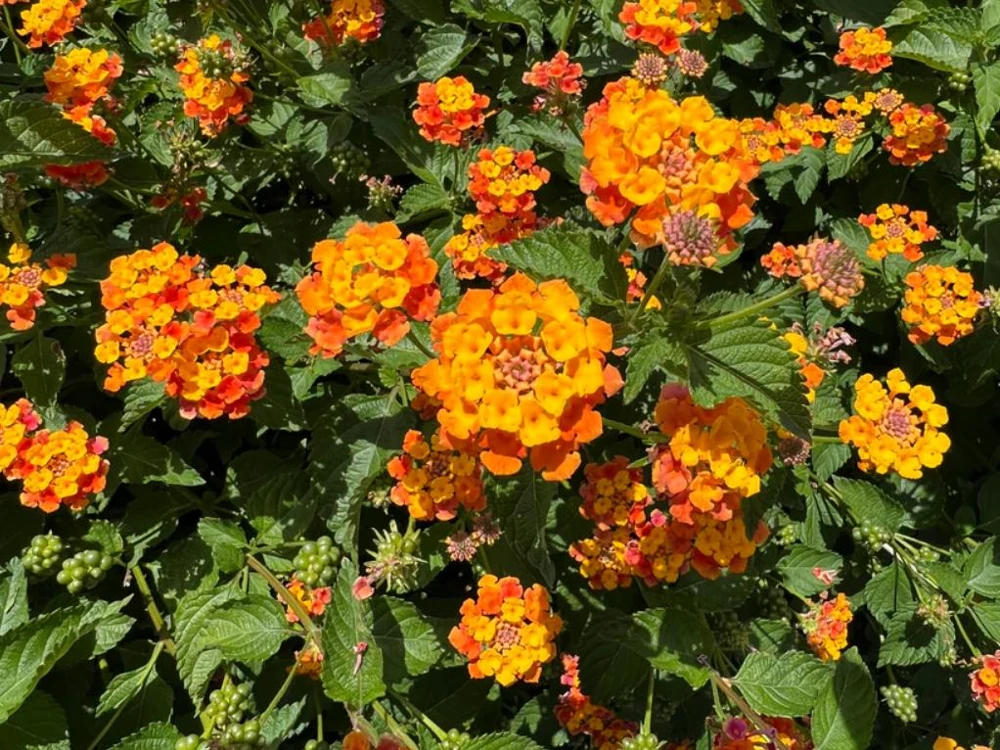
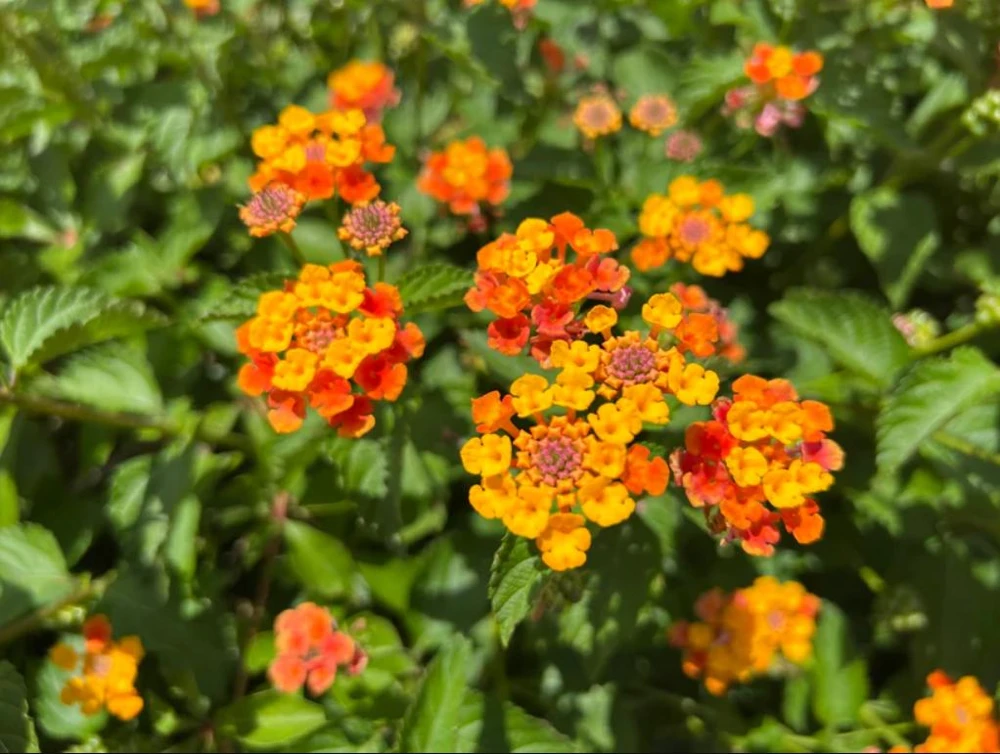
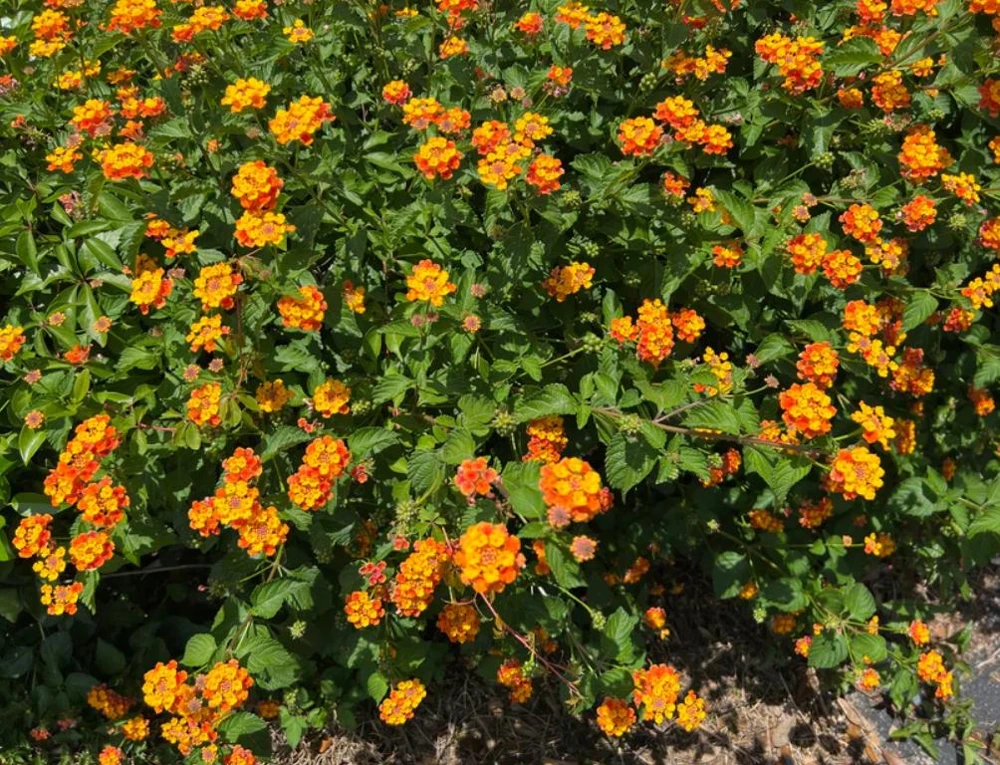
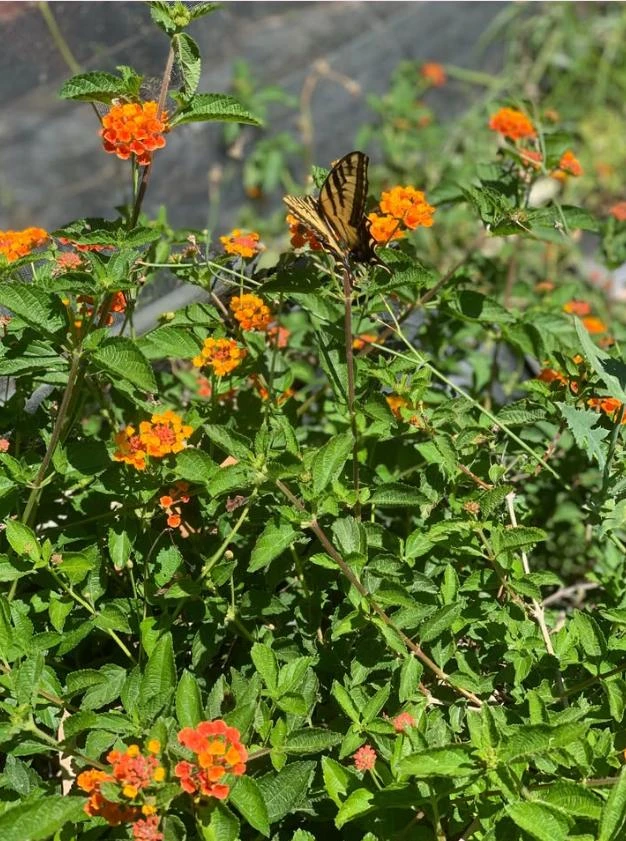
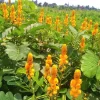
Orange Lantana Live Plant – 3-5 Inches Tall – Flowering Shrub
Original price was: $20.39.$15.29Current price is: $15.29.
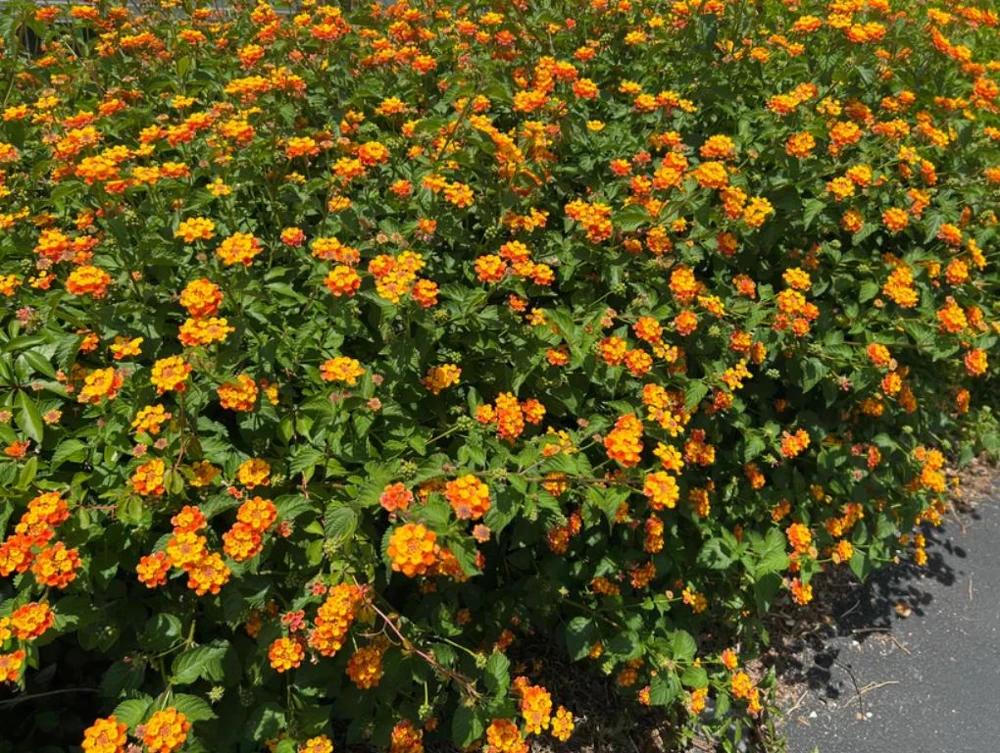
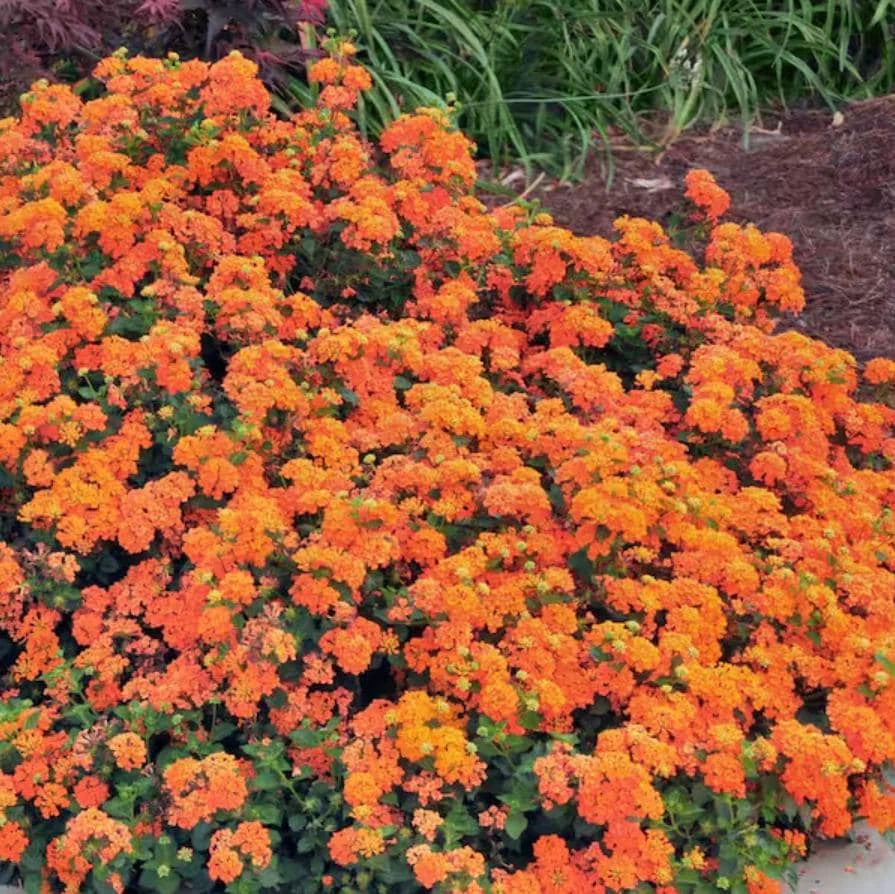
Add a splash of vibrant color to your garden with this orange lantana live plant. Standing 3-5 inches tall, this garden-friendly flowering shrub is perfect for borders, containers, or ground cover, attracting pollinators with its bright blooms. Enjoy its continuous flowering and low-maintenance nature.
Shipping and Return policies:
We stand behind our plants with our Alive & Thrive Guarantee. If you experience any issues within the first 30 days, please email us, and our team will be happy to help. When needed, we’ll send you a one-time replacement free of charge to make sure your garden keeps growing strong.

Reasonable Price
We offer reasonable price

Support 24/7
Contact us 24 hrs a day
100% Money Back
You’ve 30 days to Return
Payment Secure
100% secure payment
Overview
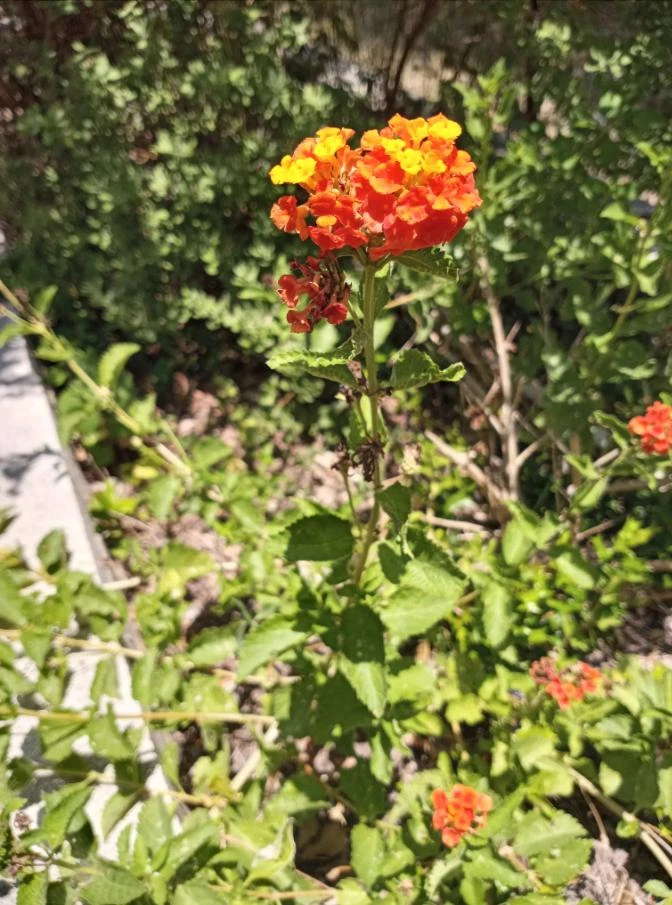
Introduce a burst of sunshine to your outdoor sanctuary with the stunning orange lantana live plant. This vigorous and resilient flowering shrub is celebrated for its continuous display of brilliant orange blossoms, creating a captivating focal point in any garden setting. Our orange lantana live plant arrives ready to thrive, typically measuring 3-5 inches tall, perfect for establishing quickly in your landscape. Lantana camara, the botanical name for this popular species, is known for its hardiness and ability to flourish in various conditions, making it an excellent choice for both experienced gardeners and novices alike. Its vibrant blooms transition through shades of red, orange, and yellow, drawing in a delightful array of butterflies and hummingbirds, enriching your garden’s biodiversity.
The orange lantana live plant is more than just a pretty face; it’s a workhorse in the garden. This versatile plant can be grown as an annual in cooler climates or as a perennial in warmer regions, offering flexibility in its application. Whether you’re looking to fill a planter, create a colorful border, or add texture to rock gardens, this plant delivers consistent beauty with minimal fuss. Its compact growth habit and profusion of flowers make it an ideal choice for enhancing curb appeal and creating a welcoming outdoor environment. Experience the joy of a garden filled with continuous color and lively visitors with this exceptional flowering plant.
Key Benefits
The orange lantana live plant offers a multitude of advantages that make it a cherished addition to any garden. Its robust nature and stunning aesthetics contribute significantly to a vibrant and low-maintenance landscape.
- Continuous Blooming Power: Enjoy a nearly year-round display of bright orange, red, and yellow flowers in warmer climates. This exceptional blooming period ensures your garden remains colorful and dynamic for many months, providing consistent visual interest.
- Attracts Pollinators: The vibrant clusters of flowers are irresistible to butterflies, bees, and hummingbirds. By planting this orange lantana live plant, you contribute to local ecosystem health and enjoy the lively activity of these beneficial garden visitors.
- Drought Tolerant & Low Maintenance: Once established, the flowering lantana shrub is remarkably tolerant of dry conditions and requires minimal care. This makes it an ideal choice for busy gardeners or those in water-restricted areas, reducing the need for frequent watering.
- Versatile Garden Use: Perfect for a variety of applications, from cheerful container plantings and hanging baskets to vibrant borders, ground cover, or even as a small hedge. Its adaptability allows you to easily integrate it into diverse garden designs, enhancing any outdoor space.
- Deer & Rabbit Resistant: Gardeners often appreciate that lantana is generally not favored by deer and rabbits, offering a natural defense against common garden pests. This helps protect your beautiful blooms and foliage from unwanted browsing.
- Robust & Resilient: Known for its hardiness, the orange lantana live plant thrives in full sun and can withstand challenging conditions. It’s a tough plant that continues to perform, even in hot and dry environments, making it a reliable choice for long-lasting garden beauty.
- Easy to Grow: Even beginners can successfully grow lantana outdoors. With basic care, this plant will reward you with abundant blooms and lush foliage, making gardening a truly rewarding experience.
Plant Care & Growing Tips
Caring for your orange lantana live plant is relatively straightforward, making it a favorite among gardeners seeking vibrant color with minimal effort. This resilient shrub thrives in conditions that might challenge other plants. For optimal growth and an abundance of blooms, plant your lantana in a location that receives full sun, meaning at least 6-8 hours of direct sunlight per day. Adequate sunlight is crucial for maximizing flower production and maintaining dense foliage. While it tolerates a range of soil types, well-draining soil is essential to prevent root rot. If your garden soil is heavy clay, consider amending it with organic matter like compost to improve drainage and aeration. This ensures the roots can breathe and absorb nutrients effectively.
Watering frequency for your flowering lantana shrub should be moderate. While establishing, keep the soil consistently moist but not waterlogged. Once mature, lantana becomes quite drought-tolerant, requiring less frequent watering. Allow the top inch or two of soil to dry out between waterings. Overwatering can be detrimental, so err on the side of underwatering rather than overwatering. Lantana thrives in warm temperatures and is generally hardy in USDA Zones 8-11, where it can be grown as a perennial. In cooler zones (Zone 7 and below), it is typically grown as an annual or brought indoors during winter. Fertilize sparingly; an all-purpose balanced fertilizer once or twice during the growing season is usually sufficient to support its vigorous blooming. Deadheading spent flowers is not strictly necessary but can encourage more prolific blooming and maintain a tidier appearance. Regularly inspecting for common pests like whiteflies or spider mites and treating them promptly will help keep your lantana camara orange healthy and beautiful.
Size & Details
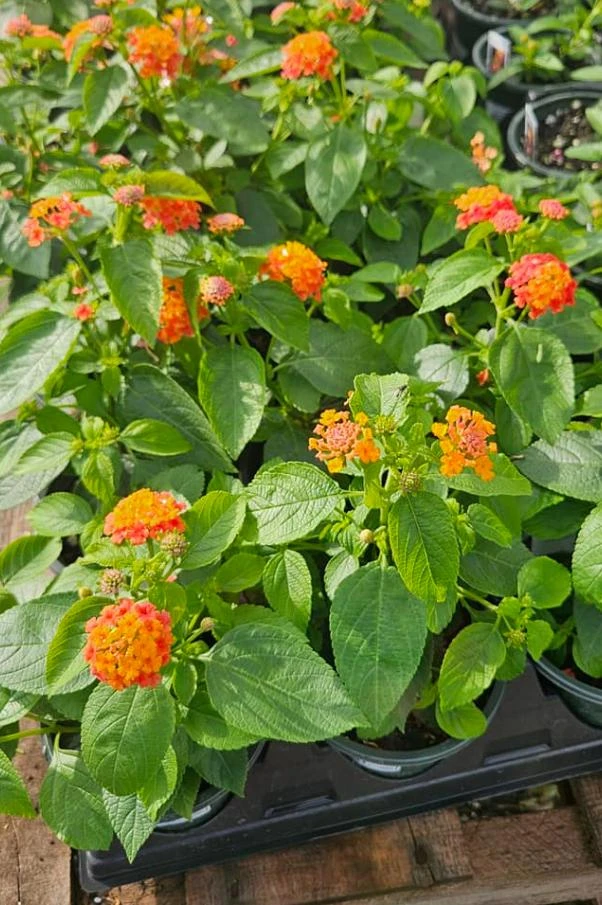
This orange lantana live plant arrives as a young, healthy specimen, typically standing between 3-5 inches tall. It is shipped without a pot to minimize shipping stress and prepare it for immediate planting in your garden or preferred container. Lantana camara is known for its relatively fast growth rate, quickly filling out to form a bushy, mounding habit. Mature plants can reach a height of 2-6 feet and spread 3-10 feet wide, depending on the variety, climate, and growing conditions. This particular variety is selected for its vibrant orange flowers that bloom continuously from spring through fall, or even year-round in frost-free regions. Expect your plant to begin producing its characteristic clusters of small, colorful flowers shortly after establishment. It’s an excellent choice for a long-lasting display of color and is perfect for gardeners looking to grow lantana outdoors with impressive results.
Frequently Asked Questions
- Q: How big does this orange lantana live plant get? A: This orange lantana live plant typically arrives 3-5 inches tall. Once established, it can grow to a mature height of 2-6 feet and spread 3-10 feet wide, depending on growing conditions and whether it’s grown as an annual or perennial.
- Q: Is this an indoor or outdoor plant? A: Lantana is primarily an outdoor plant, thriving in full sun. In USDA Zones 8-11, it can be grown as a perennial. In colder zones, it’s usually treated as an annual or brought indoors during winter.
- Q: How much sunlight does a flowering lantana shrub need? A: For the best blooming performance, your flowering lantana shrub requires at least 6-8 hours of direct sunlight per day. Full sun exposure is key to vibrant and continuous blooms.
- Q: Is this plant easy to care for? A: Yes, lantana is well-known for being a low-maintenance and easy-to-care-for plant. It’s drought-tolerant once established and thrives with minimal intervention, making it great for beginners.
- Q: What condition will it arrive in? A: Your orange lantana live plant will arrive as a healthy, unpotted specimen, typically 3-5 inches tall, ready for planting to minimize shipping shock and ensure a smooth transition to your garden.
- Q: How long until it blooms? A: Lantana is a fast-growing and eager bloomer. You can expect your plant to start producing its characteristic orange flowers shortly after it’s established in its new location, often within a few weeks.
- Q: Will it survive winter in my zone? A: The ability of your orange lantana live plant to survive winter depends on your USDA hardiness zone. It is perennial in zones 8-11, but in colder zones, it will need protection or should be treated as an annual.
- Q: What is the best way to grow lantana outdoors? A: To successfully grow lantana outdoors, plant it in a location with full sun and well-draining soil. Water regularly until established, then reduce frequency. Pruning can help maintain its shape and encourage more blooms.
- Q: Is the lantana camara orange plant safe for pets? A: All parts of the Lantana camara plant are considered toxic if ingested by pets and humans. It’s advisable to keep pets away from the plant and exercise caution.
- Q: What type of soil does lantana prefer? A: Lantana thrives in well-draining soil. It’s not particularly fussy about soil type but will perform best in average, moderately fertile soil. Avoid heavy, waterlogged soils.
Be the first to review “Orange Lantana Live Plant – 3-5 Inches Tall – Flowering Shrub”
You must be logged in to post a review.
People also Viewed
Sold 50 products
$32.38
Sold 50 products
$27.38
Sold 50 products
$32.38
Sold 50 products
$19.88
Sold 50 products
$62.38
Sold 50 products
$24.88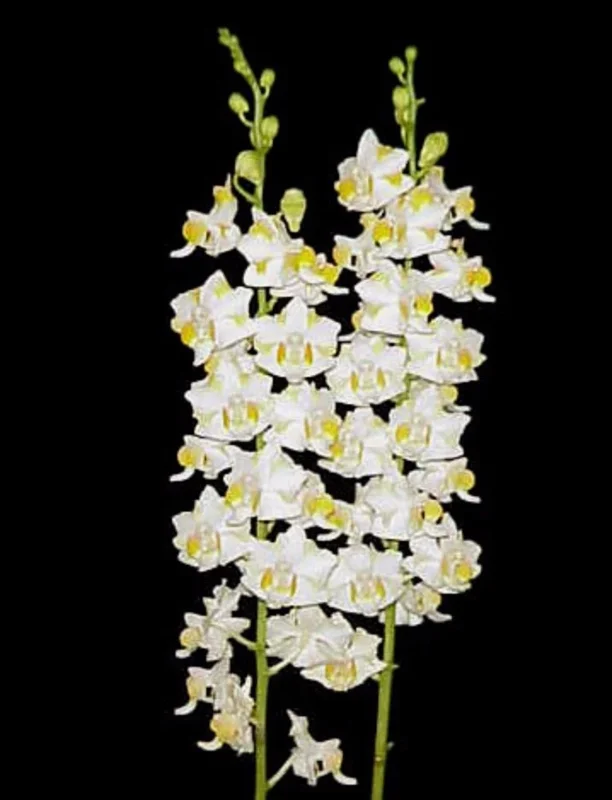
Houseplants
Phalaenopsis pulcherrima ‘Mauna Kea Snow’ Orchid Live Plant – White Flowers, Potted 2.5 in
Sold 50 products
$49.88
Sold 50 products
$49.88RELATED posts
Awapuhi Wild Ginger Plant: Zones, Care, and Propagation
Learn which USDA zones suit awapuhi wild ginger, plus sunlight, water, planting, propagation, pests, size, [...]
Awapuhi Shampoo Ginger – Care, Growing Zones, and Differences
Learn how to grow awapuhi (shampoo) ginger, its USDA zones, watering schedule, propagation tips, and [...]
Awapuhi Shampoo Plant Buying Guide – Choose the Right Zingiber zerumbet
META: Learn which awapuhi (shampoo ginger) plant or rhizome pack gives the best natural shampoo, [...]
Awapuhi Plant for Sale: Complete Buying Guide
Find the right awapuhi (shampoo ginger) plant, size, price, soil mix, and online source. Practical [...]
Shampoo Ginger Plant for Sale – Buying Guide & Tips
Find the right shampoo ginger plant, size, price, and care tips. Quick guide for U.S. [...]
Shampoo Ginger Plant (Awapuhi) Care Guide
Learn how to grow, care for, and use shampoo ginger (Zingiber zerumbet), the tropical awapuhi [...]
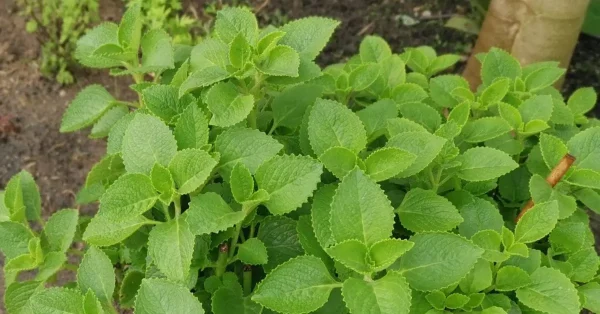
How to Grow Cuban Oregano Plants: A Complete Care Guide
If you’ve ever wanted a plant that combines the culinary punch of traditional oregano with [...]
Aug
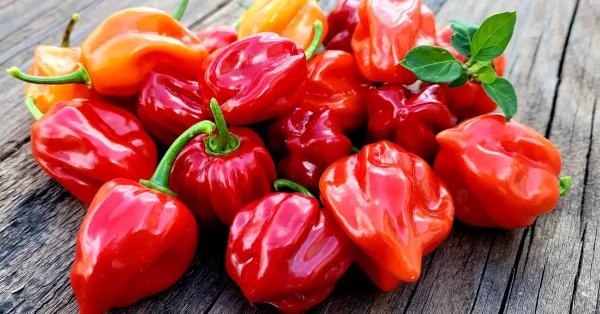
How to Grow Habanero Pepper Plants: A Step-by-Step Guide
Habanero pepper plants are prized for their vibrant colors, intense heat, and exceptional flavor, making [...]
Aug

Reviews
There are no reviews yet.