
Orange Daylily Live Plant – Trumpet Blooms, Hardy Perennial, USDA Zones 3-9
Original price was: $31.98.$25.48Current price is: $25.48.
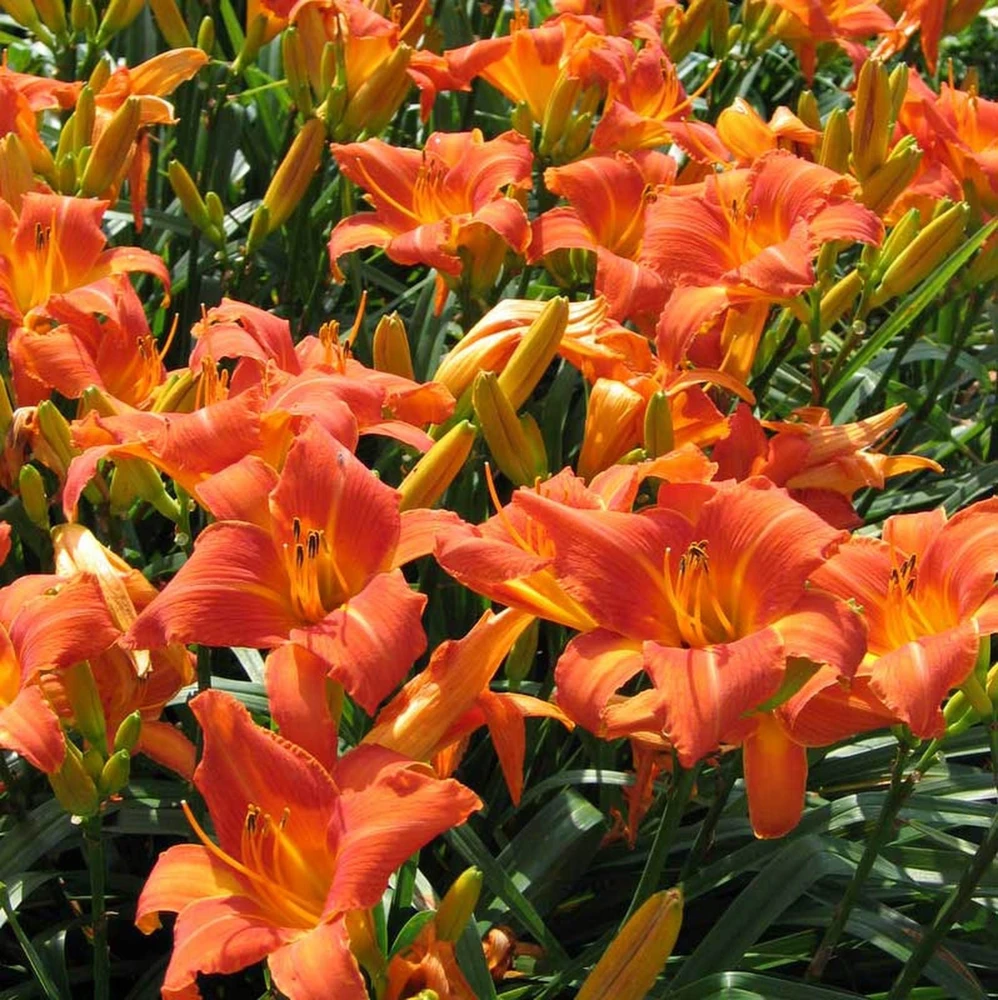
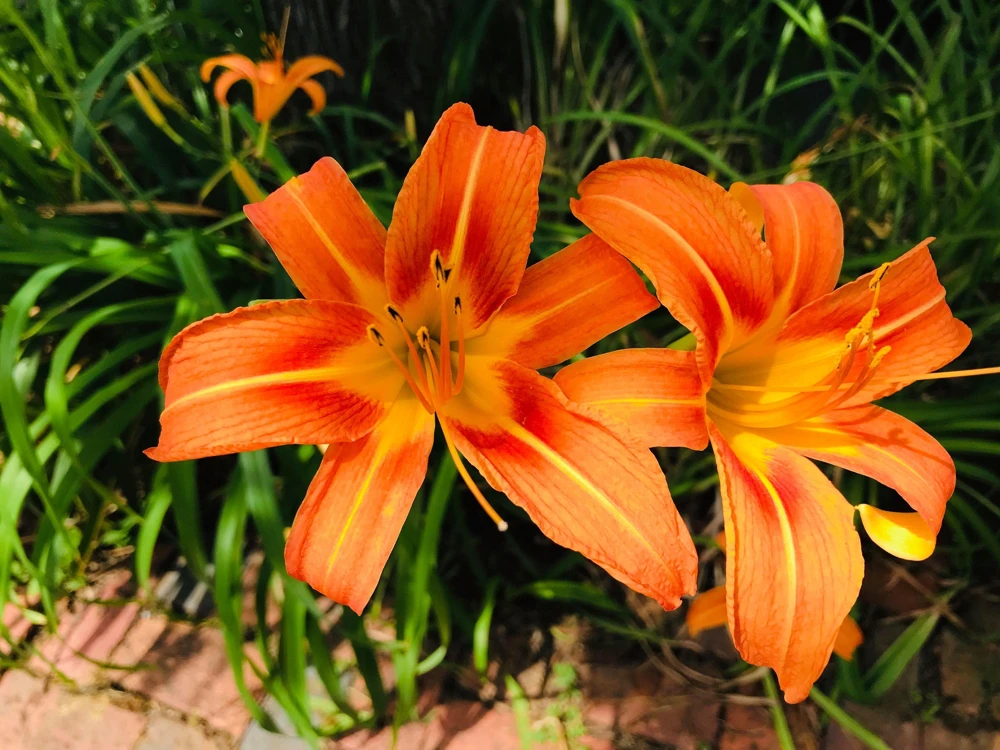
Bring vibrant color to your garden with the orange daylily live plant. This robust perennial features trumpet-shaped orange blooms and thrives with minimal care. Ideal for borders, cottage gardens, and naturalized areas, it’s a hardy garden flower that returns reliably each year.
Shipping and Return policies:
We stand behind our plants with our Alive & Thrive Guarantee. If you experience any issues within the first 30 days, please email us, and our team will be happy to help. When needed, we’ll send you a one-time replacement free of charge to make sure your garden keeps growing strong.

Reasonable Price
We offer reasonable price

Support 24/7
Contact us 24 hrs a day
100% Money Back
You’ve 30 days to Return
Payment Secure
100% secure payment
Overview
The orange daylily live plant, scientifically known as Hemerocallis fulva, is a vigorous and exceptionally easy-to-grow perennial that promises a burst of vibrant color in any garden setting. Often affectionately referred to as ‘ditch lilies’ or ‘tiger lilies’ due to their prolific nature and striking appearance, these plants are a gardener’s delight, offering reliable beauty year after year. Their bright orange, trumpet-shaped blooms are a classic sign of summer, adding a bold and cheerful aesthetic to landscapes from late spring through mid-summer. With their arching green foliage forming attractive clumps, orange daylily live plant specimens are perfect for creating impactful visual statements.
This resilient plant is not just about beauty; it’s also about ease. It thrives in a wide range of conditions, making it an excellent choice for both novice and experienced gardeners. Whether you’re looking to fill a border, enhance a cottage garden, or naturalize an area, the orange daylily live plant adapts beautifully. Its hardy nature ensures it will return faithfully, providing a spectacular show with minimal intervention. Embrace the charm and durability of this beloved garden classic, and watch your outdoor space transform with its undeniable allure.
Key Benefits
Choosing the orange daylily live plant for your garden brings a multitude of advantages, combining aesthetic appeal with practical resilience. These benefits make it a standout choice for various landscaping needs:
-
Vibrant, Long-Lasting Blooms: Enjoy a spectacular display of bright orange, trumpet-shaped flowers that provide bold summer color, enhancing any garden space for weeks on end. The prolific blooming habit ensures a continuous show.
-
Exceptional Hardiness: This perennial is incredibly tough, thriving in USDA Zones 3–9. It withstands a wide range of temperatures and conditions, making it a reliable performer in many climates.
-
Low Maintenance: Once established, the orange daylily live plant requires very little care. It’s drought-tolerant and largely resistant to pests and diseases, perfect for busy gardeners or those seeking an easy-care solution.
-
Versatile Landscaping Use: Its clumping growth habit and attractive foliage make it ideal for borders, mass plantings, cottage gardens, roadside areas, and for naturalizing open spaces. It’s a truly adaptable ditch lily perennial.
-
Fast Growing and Spreading: This plant establishes quickly and spreads to form dense clumps, effectively filling spaces and suppressing weeds. It’s an excellent choice for erosion control on slopes or banks.
-
Attracts Pollinators: The bright flowers are a beacon for beneficial insects like bees and butterflies, contributing to a healthier and more vibrant garden ecosystem.
-
Reliable Returner: As a true perennial, the orange daylily live plant reliably returns each spring, growing larger and more floriferous year after year without needing to be replanted.
Plant Care & Growing Tips
Caring for your orange daylily live plant is remarkably straightforward, making it a favorite among gardeners of all skill levels. To ensure optimal growth and a spectacular display of blooms, consider the following guidelines. These plants are incredibly forgiving, but providing them with their preferred conditions will result in the most vigorous and floriferous performance. They are known for their resilience as a ditch lily perennial.
For sunlight, the orange daylily live plant thrives in full sun to partial shade. Full sun (at least 6 hours of direct sunlight per day) generally encourages the most abundant flowering. In hotter climates, partial shade during the intense afternoon hours can help protect the blooms from scorching and prolong their vibrancy. Well-draining soil is crucial; while daylilies are adaptable, they do not tolerate soggy conditions. Amend heavy clay soils with organic matter like compost to improve drainage. For watering, keep the soil consistently moist during the plant’s establishment period. Once mature, daylilies are fairly drought-tolerant and will only require watering during prolonged dry spells. Overwatering should be avoided to prevent root rot. These plants are incredibly hardy, thriving in USDA Zones 3–9, returning reliably each year even after harsh winters. Fertilization is generally not heavily required; a balanced slow-release granular fertilizer in early spring can boost growth, but avoid over-fertilizing, which can promote foliage at the expense of flowers. Deadheading spent blooms can keep the plant looking tidy and may encourage a few additional late-season flowers, though it is not strictly necessary for the plant’s health. Watch out for common pests like aphids, which can usually be managed with a strong spray of water or insecticidal soap. Overall, the hemerocallis fulva plant is robust and easy to care for.
Size & Details
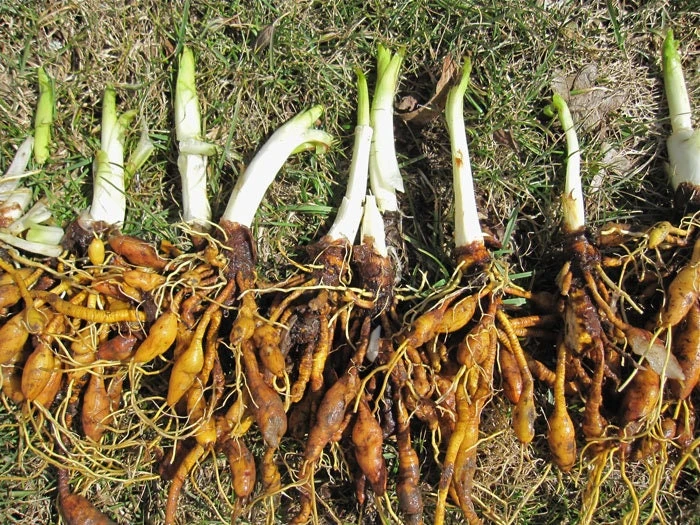
The orange daylily live plant is a robust perennial that forms substantial clumps, making a significant impact in the garden. Each plant typically grows to a height of 24 to 36 inches (60-90 cm) with a similar spread, creating an attractive, arching mound of foliage. The trumpet-shaped flowers are borne on tall scapes, rising above the leaves for a dramatic effect. These plants are known for their rapid growth rate, establishing quickly in the landscape. When shipped, the plant will arrive as a bare root specimen or in a 2.5-inch pot, depending on the season and current availability, ensuring a healthy start for your garden. Expect the first blooms to appear within the first year of planting, with the plant maturing into a full, floriferous clump within two to three years.
The easy care daylily is a long-lived plant, providing years of enjoyment. It’s an excellent choice for those looking for a plant that offers both visual appeal and a strong constitution. Its adaptability to various soil types and light conditions, combined with its impressive hardiness, makes it a valuable addition to any outdoor space. The mature size allows it to serve as a backdrop in borders, a focal point in naturalized areas, or an effective ground cover on slopes. This hardy garden flower is truly a versatile and rewarding perennial.
Frequently Asked Questions
-
Q: How big does the orange daylily live plant get? A: A: The orange daylily live plant typically grows to a height of 24 to 36 inches (60-90 cm) with a similar spread, forming attractive, arching clumps of foliage. The flower stalks rise above the leaves.
-
Q: Is this an indoor or outdoor plant? A: The orange daylily live plant is an outdoor perennial. It is very hardy and designed to thrive in garden settings, returning year after year in appropriate climates.
-
Q: How much sunlight does it need? A: This plant prefers full sun (at least 6 hours of direct sunlight) for the best blooming, but it can also tolerate partial shade, especially in hotter climates where afternoon shade can protect the flowers.
-
Q: Is the hemerocallis fulva plant easy to care for? A: Yes, it is considered a very easy-care plant. Once established, it is drought-tolerant and requires minimal attention, making it perfect for beginners and experienced gardeners alike.
-
Q: What condition will it arrive in? A: Your orange daylily live plant will arrive either as a bare root plant or in a 2.5-inch pot, depending on the season and current stock. Both forms are ready for planting.
-
Q: When is the best time to plant a ditch lily perennial? A: The best time to plant is in spring or early fall. This allows the plant sufficient time to establish its root system before extreme weather conditions.
-
Q: Will it survive winter in my zone? A: Yes, the orange daylily live plant is incredibly hardy and thrives in USDA Zones 3–9, meaning it can withstand cold winters and reliably return each spring.
-
Q: What kind of soil does this hardy garden flower prefer? A: It prefers well-draining soil. While adaptable to various soil types, amending heavy clay with organic matter will improve drainage and promote healthier growth.
-
Q: Do I need to deadhead the spent flowers? A: Deadheading is not required for the plant’s health, but it can help keep the plant looking tidier and may encourage a few additional blooms. It’s primarily for aesthetic purposes.
-
Q: Is the easy care daylily invasive? A: While vigorous and capable of spreading, especially in ideal conditions, daylilies are generally not considered invasive in the same way as some other species. They form clumps that are relatively easy to manage and divide.
Be the first to review “Orange Daylily Live Plant – Trumpet Blooms, Hardy Perennial, USDA Zones 3-9”
You must be logged in to post a review.
People also Viewed
Sold 50 products
$32.38
Sold 50 products
$27.38
Sold 50 products
$32.38
Sold 50 products
$19.88
Sold 50 products
$62.38
Sold 50 products
$24.88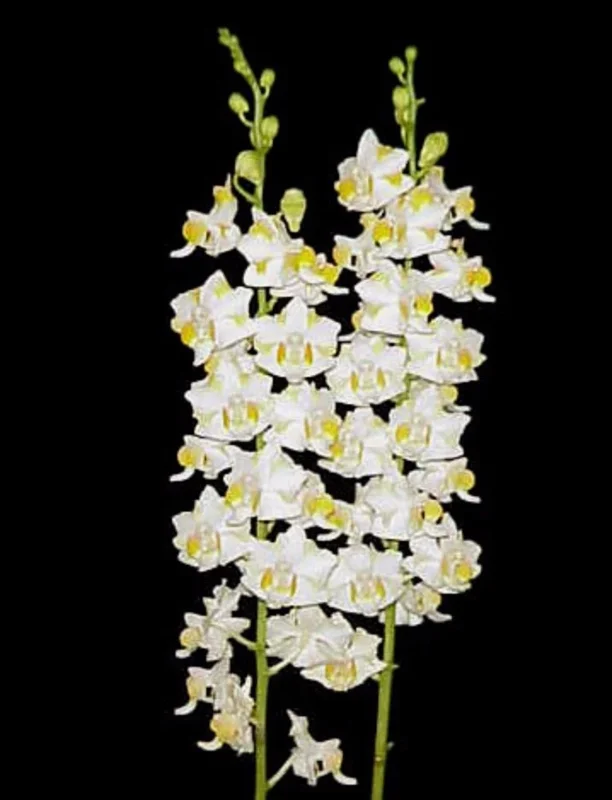
Houseplants
Phalaenopsis pulcherrima ‘Mauna Kea Snow’ Orchid Live Plant – White Flowers, Potted 2.5 in
Sold 50 products
$49.88
Sold 50 products
$49.88RELATED posts
Awapuhi Wild Ginger Plant: Zones, Care, and Propagation
Learn which USDA zones suit awapuhi wild ginger, plus sunlight, water, planting, propagation, pests, size, [...]
Awapuhi Shampoo Ginger – Care, Growing Zones, and Differences
Learn how to grow awapuhi (shampoo) ginger, its USDA zones, watering schedule, propagation tips, and [...]
Awapuhi Shampoo Plant Buying Guide – Choose the Right Zingiber zerumbet
META: Learn which awapuhi (shampoo ginger) plant or rhizome pack gives the best natural shampoo, [...]
Awapuhi Plant for Sale: Complete Buying Guide
Find the right awapuhi (shampoo ginger) plant, size, price, soil mix, and online source. Practical [...]
Shampoo Ginger Plant for Sale – Buying Guide & Tips
Find the right shampoo ginger plant, size, price, and care tips. Quick guide for U.S. [...]
Shampoo Ginger Plant (Awapuhi) Care Guide
Learn how to grow, care for, and use shampoo ginger (Zingiber zerumbet), the tropical awapuhi [...]
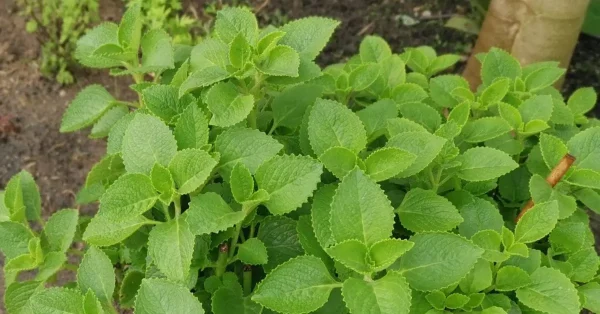
How to Grow Cuban Oregano Plants: A Complete Care Guide
If you’ve ever wanted a plant that combines the culinary punch of traditional oregano with [...]
Aug
How to Grow Habanero Pepper Plants: A Step-by-Step Guide
Habanero pepper plants are prized for their vibrant colors, intense heat, and exceptional flavor, making [...]
Aug
Reviews
There are no reviews yet.