
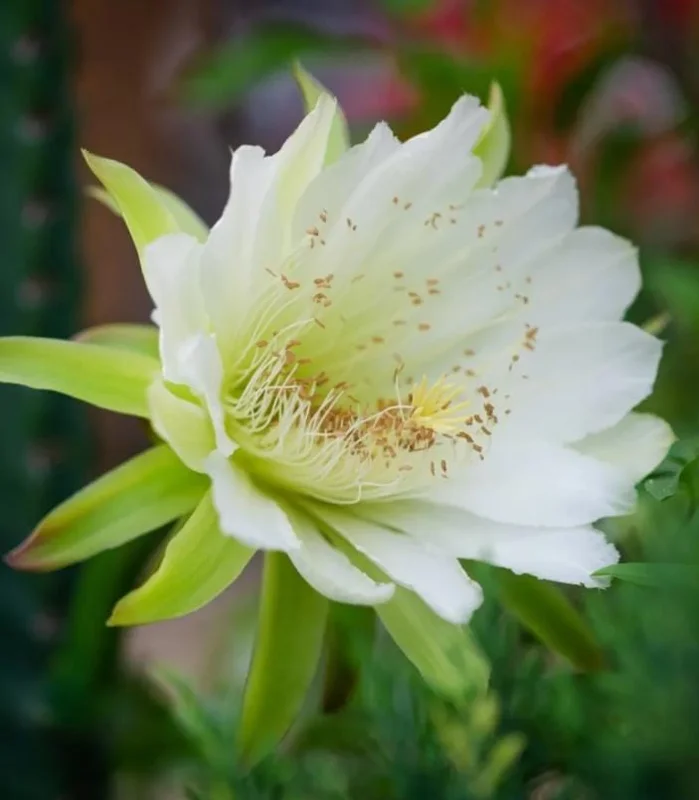
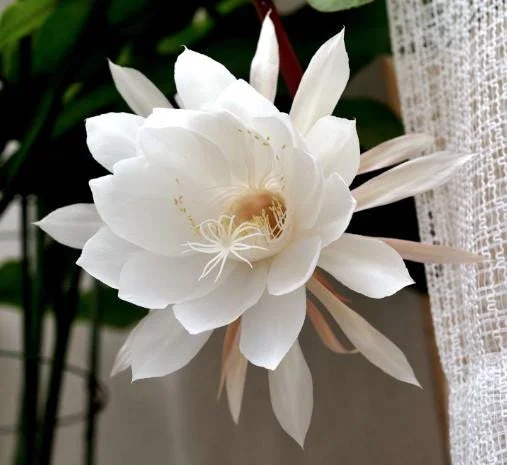
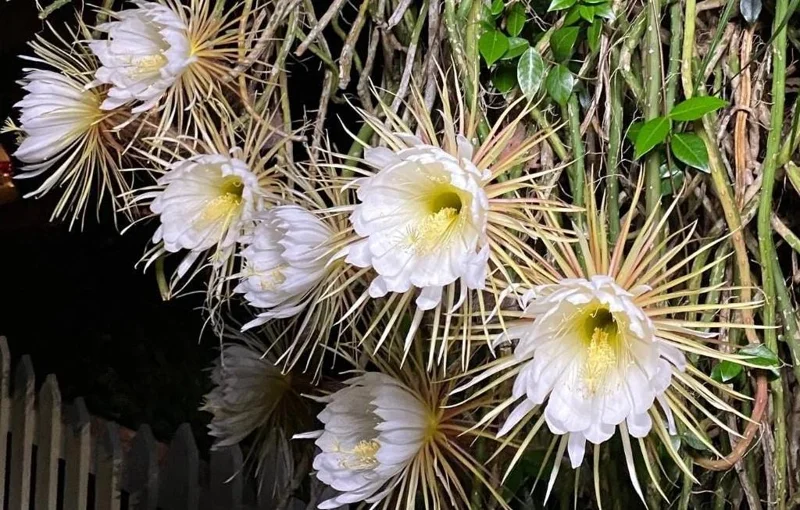
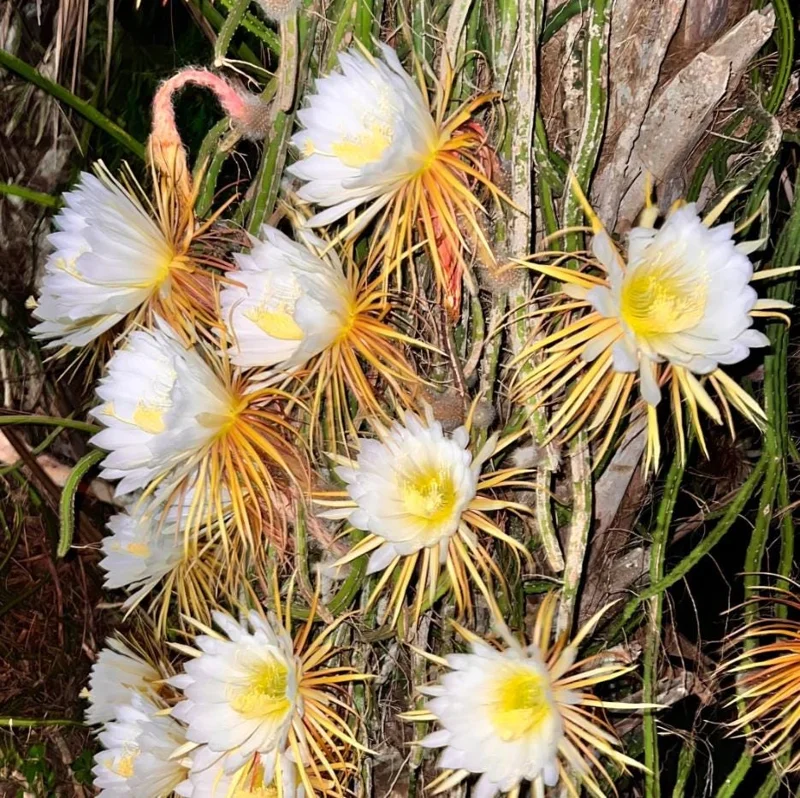
Night Blooming Cereus Live Plant – Queen of the Night, 4 Inch Pot, Indoor/Outdoor
Original price was: $36.99.$21.99Current price is: $21.99.
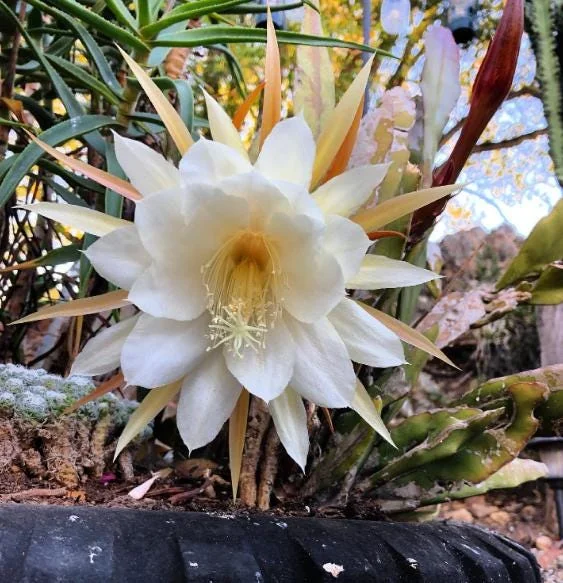
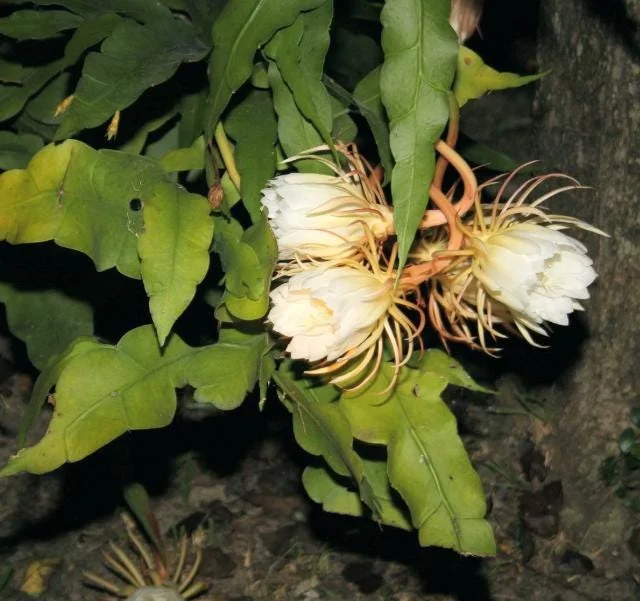
Bring home a captivating Night Blooming Cereus live plant, famously known as the Queen of the Night plant care. This tropical cactus delights with spectacular, fragrant white flowers that bloom for a single night, offering a dramatic display for your home or garden.
Shipping and Return policies:
We stand behind our plants with our Alive & Thrive Guarantee. If you experience any issues within the first 30 days, please email us, and our team will be happy to help. When needed, we’ll send you a one-time replacement free of charge to make sure your garden keeps growing strong.

Reasonable Price
We offer reasonable price

Support 24/7
Contact us 24 hrs a day
100% Money Back
You’ve 30 days to Return
Payment Secure
100% secure payment
Overview
Experience the magic of the Night Blooming Cereus live plant, a truly spectacular addition to any plant collection. Also known as the Queen of the Night plant care, this tropical cactus (scientifically known as Epiphyllum oxypetalum) is celebrated for its breathtakingly beautiful, large white flowers. These exquisite blooms unfurl only at night, releasing a strong, sweet fragrance that fills the evening air, making it a highly prized and dramatic specimen. Each flower is a fleeting masterpiece, typically lasting just one night, adding to its allure and mystique. The plant features long, flat, trailing or climbing stems, making it versatile for various displays. Whether you’re looking for a unique indoor houseplant or an eye-catching outdoor container specimen, the night blooming cactus offers an unforgettable experience for plant enthusiasts.
This particular offering is for a healthy Night Blooming Cereus live plant, ready to thrive in your home or garden. Its fast-growing nature ensures you won’t have to wait long to witness its magnificent nocturnal displays. Perfect for collectors and beginners alike, this plant promises to be a conversation starter and a source of wonder as you anticipate its rare and beautiful blossoms. The striking contrast of its green foliage and the pure white, fragrant flowers makes it a truly enchanting plant.
Key Benefits
The Night Blooming Cereus live plant offers a multitude of benefits, from its stunning visual appeal to its unique nocturnal fragrance. Owning one of these plants provides an exclusive experience that few other plants can match.
- Spectacular Night Blooms: Witness the awe-inspiring beauty of large, pristine white flowers that open only after dusk, creating a magical atmosphere. Each bloom is a rare and precious event.
- Intense, Sweet Fragrance: The flowers release a powerful and delightful sweet scent that can perfume an entire room or garden space, enhancing your evening experience. This makes the Queen of the Night plant care even more rewarding.
- Dramatic & Unique Display: Its short-lived, nocturnal flowering habit makes it a truly dramatic and unique plant, perfect for those who appreciate rare botanical phenomena. It’s a true night blooming cactus.
- Versatile Growth Habit: With its trailing or climbing stems, it can be grown in hanging baskets, containers, or trained on trellises, allowing for creative display options indoors or outdoors.
- Relatively Easy to Care For: As a tropical cactus, it is quite resilient and, with proper Queen of the Night plant care, can thrive with moderate attention, making it suitable for various skill levels.
- Fast-Growing: This plant grows quickly, meaning you’ll enjoy its mature form and blooms sooner rather than later, adding dynamic life to your space.
- Collectibility: Highly sought after by plant collectors for its unique flowering schedule and beauty, adding significant value to your plant collection. Discover the allure of fragrant night flowers.
Plant Care & Growing Tips
Caring for your Night Blooming Cereus live plant is a rewarding experience that ensures you’ll enjoy its spectacular blooms. This tropical cactus thrives with specific conditions that mimic its natural habitat. For optimal growth and flowering, provide bright, indirect light to partial shade. While it appreciates good light, direct scorching sun, especially during the hottest parts of the day, can damage its stems. If grown indoors, a north or east-facing window is ideal, or a spot where it receives filtered light. Outdoors, place it under the canopy of a larger tree or on a shaded patio.
When it comes to watering, the Epiphyllum oxypetalum prefers a moderate approach. Water regularly during its active growing season (spring to summer), allowing the top inch or two of soil to dry out partially between waterings. Avoid overwatering, as this can lead to root rot. During the cooler winter months, reduce watering significantly, as the plant enters a semi-dormant period. The ideal soil for this night blooming cactus is a well-draining cactus mix, or a blend of potting soil with perlite or orchid bark to enhance drainage. It’s crucial that the soil doesn’t remain waterlogged.
Temperature and humidity are also important factors for successful Night Blooming Cereus live plant cultivation. This plant thrives in temperatures between 60 degrees Fahrenheit and 90 degrees Fahrenheit. It is sensitive to frost, so if you live in a colder USDA zone, it’s best to grow it in a container that can be moved indoors during winter. While it tolerates average household humidity, it appreciates higher humidity, which can be provided by misting or placing it near a humidifier. Fertilize monthly during the growing season with a balanced liquid fertilizer diluted to half strength. Remember, proper Queen of the Night plant care ensures vibrant health and abundant fragrant night flowers.
Size & Details
This offering is for one Night Blooming Cereus live plant, carefully cultivated and shipped in a 4-inch nursery pot. At the time of shipment, the plant will have established roots and healthy stems, ready for continued growth in your home or garden. While the exact height and spread may vary slightly depending on the individual plant, you can expect a robust specimen with trailing or climbing stems characteristic of the species. The plant is typically grown in containers, hanging baskets, or trained on trellises, showcasing its versatile growth habit. With proper care, this fast-growing tropical cactus will rapidly develop into a magnificent specimen, eventually producing its highly anticipated fragrant night flowers during its blooming season from spring to summer. It’s an ideal size for transplanting into a larger decorative pot or for integrating into an existing plant display, making it a perfect choice for those seeking a unique and rewarding gardening experience.
Frequently Asked Questions
- Q: How big does this Night Blooming Cereus live plant get? A: With its trailing and climbing stems, this plant can grow quite large, often reaching several feet in length. Its size can be managed through pruning and by providing adequate support if you wish for it to climb.
- Q: What size pot does it come in? A: This Night Blooming Cereus live plant is shipped in a 4-inch nursery pot, providing a good start for its root system and allowing for easy transplanting into a larger container upon arrival.
- Q: Is this an indoor or outdoor plant? A: The Queen of the Night plant care allows it to be grown both indoors and outdoors. It thrives outdoors in USDA Zones 10-11, and can be grown indoors in all other zones, especially where frost is a concern.
- Q: How much sunlight does it need? A: It prefers bright, indirect light to partial shade. Avoid direct, intense sunlight, which can scorch its stems. Filtered light or morning sun is ideal for this Epiphyllum oxypetalum.
- Q: Is this plant easy to care for? A: Yes, for a tropical cactus, the night blooming cactus is relatively easy to care for. It requires well-draining soil, moderate watering, and protection from frost, making it suitable for both novice and experienced gardeners.
- Q: What condition will it arrive in? A: Your Night Blooming Cereus live plant will arrive as a healthy, established plant in its 4-inch nursery pot, carefully packaged to ensure safe transit and ready for you to nurture.
- Q: How long until it blooms? A: While growth rates vary, a healthy and mature Night Blooming Cereus live plant typically begins blooming in spring to summer. Patience and good Queen of the Night plant care will be rewarded with its stunning fragrant night flowers.
- Q: When is the best time to plant? A: You can plant or repot your Night Blooming Cereus live plant any time of year if growing indoors. If placing outdoors in appropriate zones, spring or early summer is ideal to allow it to establish before colder weather.
- Q: Will it survive winter in my zone? A: This tropical plant is suitable for outdoor growth year-round only in USDA Zones 10 and 11. In colder zones, it must be brought indoors before temperatures drop below 50°F to protect it from frost.
- Q: What’s the minimum temperature it can tolerate? A: The Epiphyllum oxypetalum prefers temperatures between 60°F and 90°F. It cannot tolerate freezing temperatures and should be protected when temperatures fall below 50°F.
Be the first to review “Night Blooming Cereus Live Plant – Queen of the Night, 4 Inch Pot, Indoor/Outdoor”
You must be logged in to post a review.
People also Viewed
Sold 50 products
$32.38

Sold 50 products
$27.38
Sold 50 products
$32.38
Sold 50 products
$19.88
Sold 50 products
$62.38
Sold 50 products
$24.88
Houseplants
Phalaenopsis pulcherrima ‘Mauna Kea Snow’ Orchid Live Plant – White Flowers, Potted 2.5 in
Sold 50 products
$49.88
Sold 50 products
$49.88RELATED posts
Awapuhi Wild Ginger Plant: Zones, Care, and Propagation
Learn which USDA zones suit awapuhi wild ginger, plus sunlight, water, planting, propagation, pests, size, [...]
Awapuhi Shampoo Ginger – Care, Growing Zones, and Differences
Learn how to grow awapuhi (shampoo) ginger, its USDA zones, watering schedule, propagation tips, and [...]
Awapuhi Shampoo Plant Buying Guide – Choose the Right Zingiber zerumbet
META: Learn which awapuhi (shampoo ginger) plant or rhizome pack gives the best natural shampoo, [...]
Awapuhi Plant for Sale: Complete Buying Guide
Find the right awapuhi (shampoo ginger) plant, size, price, soil mix, and online source. Practical [...]
Shampoo Ginger Plant for Sale – Buying Guide & Tips
Find the right shampoo ginger plant, size, price, and care tips. Quick guide for U.S. [...]
Shampoo Ginger Plant (Awapuhi) Care Guide
Learn how to grow, care for, and use shampoo ginger (Zingiber zerumbet), the tropical awapuhi [...]

How to Grow Cuban Oregano Plants: A Complete Care Guide
If you’ve ever wanted a plant that combines the culinary punch of traditional oregano with [...]
Aug

How to Grow Habanero Pepper Plants: A Step-by-Step Guide
Habanero pepper plants are prized for their vibrant colors, intense heat, and exceptional flavor, making [...]
Aug



Reviews
There are no reviews yet.