
Nepenthes Miranda Pitcher Plant – Rooted Carnivorous Live Plant in 2.5 inch Pot – Tropical Carnivore
$27.38
Bring home a fascinating Nepenthes Miranda live plant, a stunning tropical pitcher plant known for its large, colorful pitchers. This rooted carnivorous plant arrives ready to thrive in its 2.5 inch pot, making it an excellent choice for adding an exotic touch to your indoor garden. Perfect for beginners interested in unique plant varieties.
Shipping and Return policies:
We stand behind our plants with our Alive & Thrive Guarantee. If you experience any issues within the first 30 days, please email us, and our team will be happy to help. When needed, we’ll send you a one-time replacement free of charge to make sure your garden keeps growing strong.

Reasonable Price
We offer reasonable price

Support 24/7
Contact us 24 hrs a day
100% Money Back
You’ve 30 days to Return
Payment Secure
100% secure payment
Overview
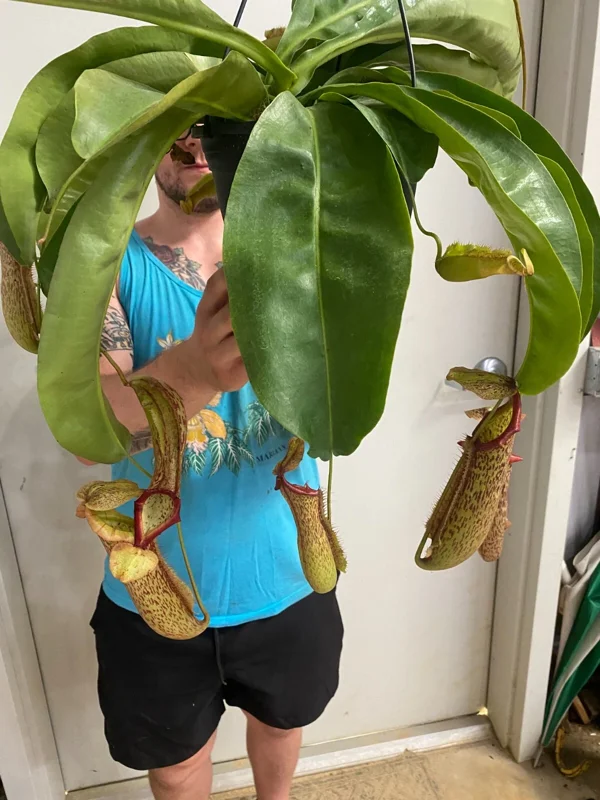
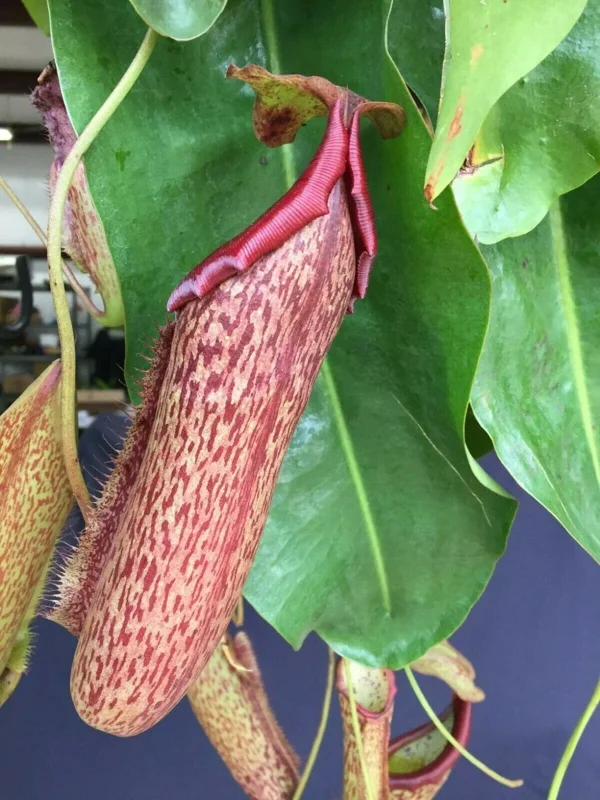
Introduce an extraordinary botanical specimen into your collection with the Nepenthes Miranda live plant. This impressive tropical pitcher plant, also known as the Monkey Cup, is a captivating carnivorous plant renowned for its dramatic, large pitchers that lure and capture insects. Each plant is carefully rooted and shipped in a 2.5 inch pot, ensuring it arrives healthy and ready to establish itself in your home. The Nepenthes Miranda is a hybrid, celebrated for its robust growth and striking appearance, making it a favorite among both novice and experienced carnivorous plant enthusiasts. Its unique insect-trapping mechanism provides natural pest control while offering an engaging focal point for any indoor space.
The allure of the Nepenthes Miranda lies in its intricate pitchers, which develop vibrant colors and patterns, ranging from mottled green to deep red. These plants are not only visually stunning but also offer a fascinating glimpse into the world of carnivorous flora. Growing a Nepenthes Miranda live plant is a rewarding experience, as you observe its unique adaptations and watch new pitchers unfurl. This particular variety is known for being relatively forgiving, making carnivorous plant care more accessible than some other species. Elevate your indoor garden with this magnificent and functional living sculpture.
Key Benefits
The Nepenthes Miranda live plant offers a multitude of benefits, from its aesthetic appeal to its functional attributes. It’s an ideal choice for anyone looking to add a truly unique and engaging plant to their home or office environment.
- Natural Pest Control: The primary benefit of this tropical pitcher plant is its ability to naturally trap and digest insects, such as flies and gnats, helping to keep your indoor environment cleaner without chemicals.
- Exotic Visual Appeal: With its large, colorful, and uniquely shaped pitchers, the Nepenthes Miranda serves as an exceptional decorative element, adding a touch of the extraordinary to any room.
- Educational Value: Observing the carnivorous nature of this plant provides an excellent educational opportunity, fascinating for both adults and children interested in botany and natural sciences.
- Conversation Starter: Its unusual form and function make it a perfect conversation piece, sure to intrigue guests and spark discussions about the wonders of the plant kingdom.
- Relatively Low Maintenance: Compared to some other carnivorous plants, the Nepenthes Miranda is considered robust and adaptable, simplifying Nepenthes care for new plant parents.
- Air Purification: Like many houseplants, the Nepenthes Miranda contributes to a healthier indoor atmosphere by absorbing carbon dioxide and releasing oxygen.
- Unique Gifting Option: For the plant lover who has everything, this exotic indoor plant makes a memorable and distinctive gift.
Plant Care & Growing Tips
Proper carnivorous plant care is essential for the health and longevity of your Nepenthes Miranda live plant. While relatively easy to care for, understanding its specific needs will ensure it thrives and produces abundant pitchers. This tropical plant prefers warm, humid conditions, mimicking its natural rainforest habitat.
Sunlight Requirements: Provide your Nepenthes Miranda with bright, indirect light. An east-facing window is often ideal, or a few feet away from a south or west-facing window. Direct, harsh sunlight can scorch the leaves and pitchers, while too little light will result in fewer and smaller pitchers. Aim for 6-8 hours of bright, filtered light daily. If natural light is insufficient, a grow light can be used to supplement.
Watering Schedule and Soil Moisture: Consistency is key with watering. Keep the soil consistently moist but never waterlogged. Use distilled water, rainwater, or reverse osmosis water, as tap water often contains minerals that can harm carnivorous plants over time. Avoid letting the pot sit in standing water for extended periods, as this can lead to root rot. Water thoroughly when the top inch of soil feels slightly dry. Good drainage is crucial; ensure your pot has drainage holes.
Soil Type and Drainage: The Nepenthes Miranda requires a very specific soil mix that is well-draining, nutrient-poor, and slightly acidic. A common and effective mix includes sphagnum moss, perlite, and sometimes orchid bark. Avoid standard potting soil, which is too rich in nutrients and can be detrimental to the plant’s health. The 2.5 inch pot it arrives in is suitable for initial growth, but consider repotting into a slightly larger pot with a similar mix as it grows.
Temperature Range and USDA Hardiness Zone: Being a tropical pitcher plant, the Nepenthes Miranda thrives in warm temperatures, ideally between 65-85°F (18-29°C) during the day and no lower than 60°F (15°C) at night. It is not cold-hardy and should be kept indoors in most climates. Its natural USDA hardiness zone would be 10-11, making it strictly an indoor plant for most US regions. Humidity is also crucial; aim for 60-80% humidity, which can be achieved with a humidifier, pebble tray, or by grouping it with other plants.
Fertilization: Nepenthes plants obtain nutrients from the insects they catch, so traditional fertilization through the soil is generally not recommended and can harm the plant. If your plant isn’t catching many insects, you can occasionally drop a small, freshly killed insect (like a cricket) into a few pitchers. Do not overfeed. For optimal Nepenthes care, focus on providing the right light, water, and humidity.
Common Problems and Solutions: Yellowing leaves can indicate overwatering or nutrient issues (often from tap water). Browning pitcher edges often point to low humidity or insufficient watering. Pests are rare, but scale or mealybugs can sometimes appear; treat with horticultural oil or insecticidal soap, being careful not to spray inside the pitchers.
Size & Details
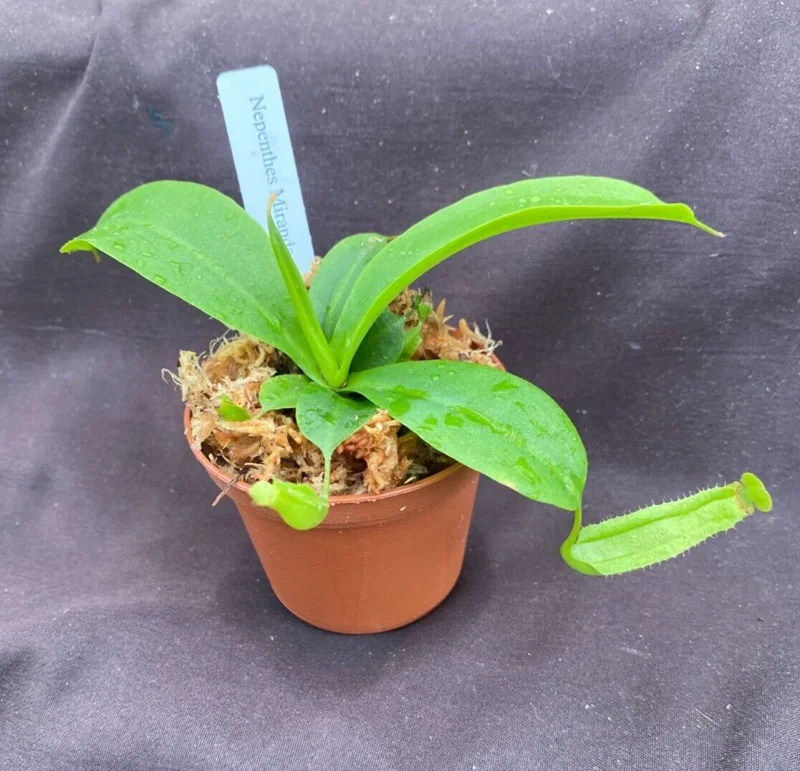
The Nepenthes Miranda live plant you receive will be a healthy, rooted starter plant, shipped in a 2.5 inch nursery pot. At this stage, the plant typically features several leaves and may already have small pitchers forming, showcasing its unique carnivorous characteristics. The overall height of the plant will vary but generally ranges from 4 to 8 inches from the base of the pot, with a similar spread. This variety is known for its vigorous growth and can eventually reach a considerable size with proper Nepenthes care, producing pitchers that can be several inches long. Its growth rate is moderate, allowing you to enjoy its development over time.
This exotic indoor plant is delivered in its potted form, minimizing transplant shock and making it easy to integrate into your existing plant collection. While it arrives in a 2.5 inch pot, it will benefit from being moved to a 4-6 inch pot once it outgrows its initial container, allowing its root system to expand. The pitchers are the main attraction, evolving in size and color as the plant matures. Expect a continuous display of these fascinating traps, providing both beauty and a natural solution for flying insects. This tropical pitcher plant is a long-lived specimen when given the right conditions, offering years of enjoyment.
Frequently Asked Questions
- Q: How big does this Nepenthes Miranda live plant get? A: While shipped in a 2.5 inch pot, with proper care, the Nepenthes Miranda can grow quite large, developing vines several feet long and pitchers that can reach 6-10 inches in length. Its mature size depends on growing conditions and pot size.
- Q: Is this an indoor or outdoor plant? A: The Nepenthes Miranda is a tropical plant that thrives in warm, humid conditions. For most regions in the US, it is best grown as an exotic indoor plant. It can be moved outdoors in very warm, humid climates (USDA Zones 10-11) during frost-free periods, but always in a shaded or partially shaded location.
- Q: How much sunlight does it need? A: This tropical pitcher plant requires bright, indirect light. Avoid direct, harsh sunlight which can burn its delicate leaves and pitchers. A spot near an east-facing window or a well-lit room with filtered light is ideal for optimal growth and pitcher development.
- Q: Is this plant easy to care for? Is it good for beginners? A: Yes, the Nepenthes Miranda is considered one of the easier carnivorous plants to care for, making it a good choice for beginners. Its robust nature makes Nepenthes care relatively straightforward, provided you meet its basic needs for humidity, water, and light.
- Q: What condition will it arrive in? Is it shipped in soil? A: Your Nepenthes Miranda live plant will arrive as a rooted plant, carefully packaged in its 2.5 inch nursery pot with its specialized carnivorous plant soil mix. It is packed to ensure minimal disturbance and stress during transit, ready for your home.
- Q: How often should I water my carnivorous plant? A: You should keep the soil consistently moist but not waterlogged. Water thoroughly when the top inch of the soil feels slightly dry. Always use distilled water, rainwater, or reverse osmosis water to prevent mineral buildup, which is crucial for good carnivorous plant care.
- Q: Does this plant need high humidity? A: Yes, high humidity is very important for the Nepenthes Miranda, ideally between 60-80%. If your home is dry, consider using a humidifier, a pebble tray, or grouping it with other humidity-loving plants to create a more favorable microclimate.
- Q: How does the Nepenthes Miranda catch insects? A: The pitchers of this tropical pitcher plant are modified leaves that secrete a sweet nectar to attract insects. Once an insect lands on the slippery rim, it falls into the digestive fluid at the bottom of the pitcher, where it is broken down, providing nutrients for the plant.
- Q: What kind of soil is best for Nepenthes Miranda? A: It requires a very specific, nutrient-poor, well-draining, and acidic soil mix. A common mix includes long-fiber sphagnum moss and perlite, often with some orchid bark. Never use standard potting soil.
- Q: Will this exotic indoor plant survive if it doesn’t catch insects? A: While Nepenthes obtain nutrients from insects, they can survive without them, especially if they are getting sufficient light and water. However, catching insects contributes to more vigorous growth and larger, more vibrant pitchers.
Be the first to review “Nepenthes Miranda Pitcher Plant – Rooted Carnivorous Live Plant in 2.5 inch Pot – Tropical Carnivore”
You must be logged in to post a review.
People also Viewed
Sold 50 products
$32.38
Sold 50 products
$27.38
Sold 50 products
$32.38
Sold 50 products
$19.88
Sold 50 products
$62.38
Sold 50 products
$24.88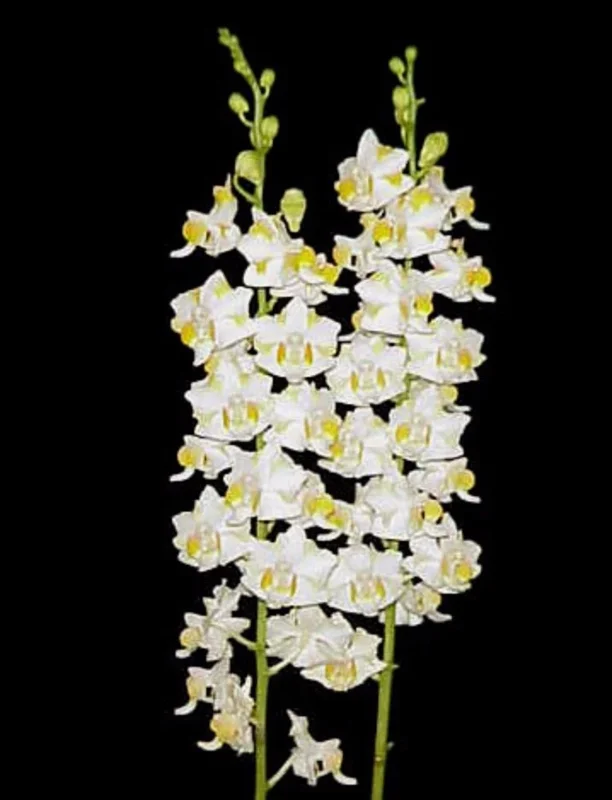
Houseplants
Phalaenopsis pulcherrima ‘Mauna Kea Snow’ Orchid Live Plant – White Flowers, Potted 2.5 in
Sold 50 products
$49.88
Sold 50 products
$49.88RELATED posts
Awapuhi Wild Ginger Plant: Zones, Care, and Propagation
Learn which USDA zones suit awapuhi wild ginger, plus sunlight, water, planting, propagation, pests, size, [...]
Awapuhi Shampoo Ginger – Care, Growing Zones, and Differences
Learn how to grow awapuhi (shampoo) ginger, its USDA zones, watering schedule, propagation tips, and [...]
Awapuhi Shampoo Plant Buying Guide – Choose the Right Zingiber zerumbet
META: Learn which awapuhi (shampoo ginger) plant or rhizome pack gives the best natural shampoo, [...]
Awapuhi Plant for Sale: Complete Buying Guide
Find the right awapuhi (shampoo ginger) plant, size, price, soil mix, and online source. Practical [...]
Shampoo Ginger Plant for Sale – Buying Guide & Tips
Find the right shampoo ginger plant, size, price, and care tips. Quick guide for U.S. [...]
Shampoo Ginger Plant (Awapuhi) Care Guide
Learn how to grow, care for, and use shampoo ginger (Zingiber zerumbet), the tropical awapuhi [...]
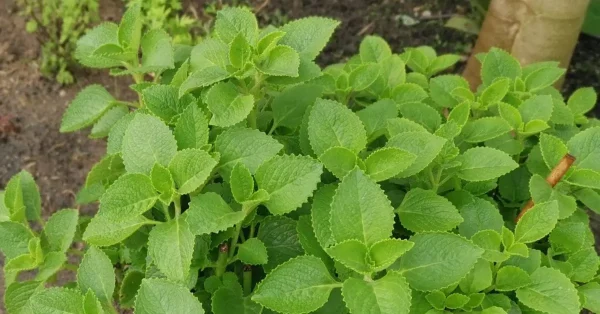
How to Grow Cuban Oregano Plants: A Complete Care Guide
If you’ve ever wanted a plant that combines the culinary punch of traditional oregano with [...]
Aug
How to Grow Habanero Pepper Plants: A Step-by-Step Guide
Habanero pepper plants are prized for their vibrant colors, intense heat, and exceptional flavor, making [...]
Aug
Reviews
There are no reviews yet.