
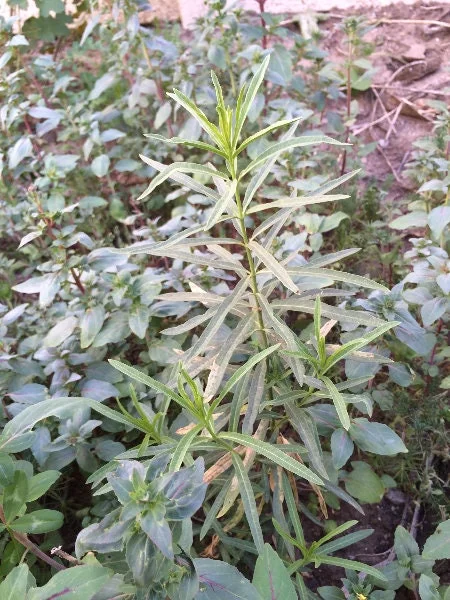
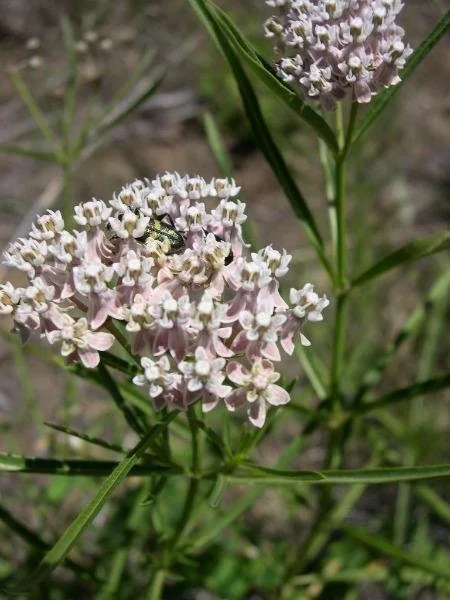
Narrow-Leaf Milkweed Seeds Asclepias fascicularis 25 Count – Monarch Butterfly Attractor
Original price was: $23.00.$15.80Current price is: $15.80.
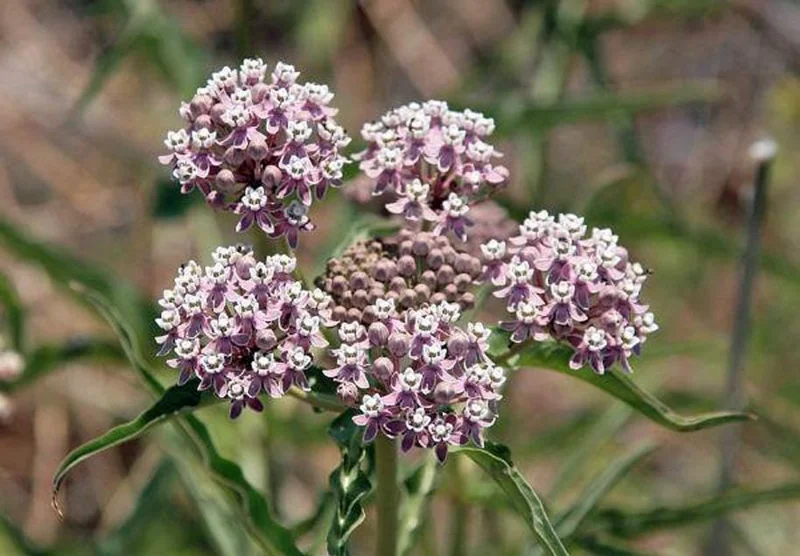
Cultivate a vibrant habitat with narrow-leaf milkweed seeds. This packet contains 25 Asclepias fascicularis seeds, perfect for attracting Monarch butterflies and other pollinators to your garden. Known for its resilience and beautiful white to pink blooms, this native perennial thrives in zones 6-10 and requires full sun.
Shipping and Return policies:
We stand behind our plants with our Alive & Thrive Guarantee. If you experience any issues within the first 30 days, please email us, and our team will be happy to help. When needed, we’ll send you a one-time replacement free of charge to make sure your garden keeps growing strong.

Reasonable Price
We offer reasonable price

Support 24/7
Contact us 24 hrs a day
100% Money Back
You’ve 30 days to Return
Payment Secure
100% secure payment
Overview
Embark on a rewarding gardening journey with narrow-leaf milkweed seeds. This offering provides a generous count of 25 Asclepias fascicularis seeds, allowing you to establish a vital host plant for Monarch butterflies and a beautiful addition to your landscape. Also known as Mexican whorled milkweed, this native perennial is cherished for its role in supporting pollinator populations and its striking, delicate blooms. Growing naturally across the Western United States and Baja California, it’s a resilient species that adapts well to various conditions, making it an excellent choice for gardeners looking to enhance biodiversity.
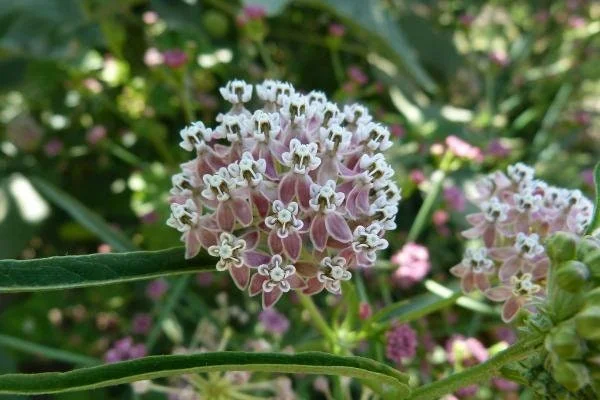
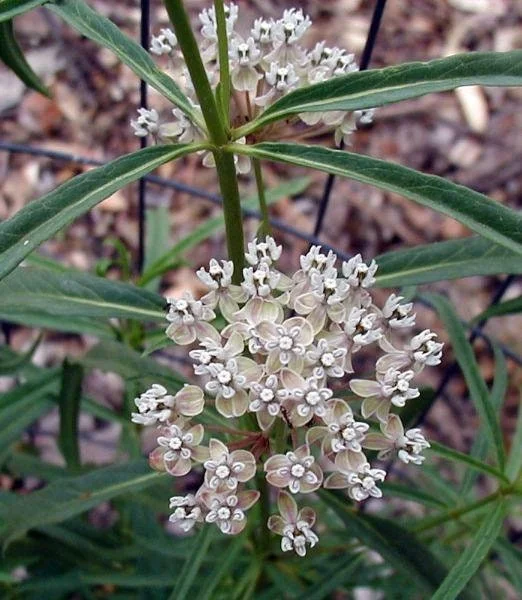
The narrow-leaf milkweed is a captivating plant, not only for its ecological importance but also for its aesthetic appeal. Its slender leaves and clusters of white to pink, sometimes pale green, flowers bring a natural charm to any garden. By planting these asclepias fascicularis seeds, you’re contributing to the conservation of Monarchs and providing a food source for bees and other beneficial insects. This perennial will become a focal point, drawing in the wonder of the natural world right to your backyard, growing up to 3 feet tall and 4 feet wide once mature.
Key Benefits
Planting narrow-leaf milkweed seeds offers a multitude of benefits, transforming your garden into a lively ecosystem and a source of natural beauty. These seeds are a simple way to create a profound impact on local wildlife and enjoy a low-maintenance, visually appealing plant.
- Monarch Butterfly Habitat: The primary benefit of growing narrow-leaf milkweed seeds is providing a crucial food source and breeding ground for Monarch butterflies. As a host plant, it’s essential for their life cycle, helping to sustain and increase their populations.
- Pollinator Attraction: Beyond Monarchs, the vibrant blooms of Asclepias fascicularis attract a wide array of pollinators, including various bee species and other butterflies, enhancing the biodiversity and health of your garden.
- Drought Tolerance: Once established, this native perennial is remarkably drought-tolerant, making it an excellent choice for water-wise gardening and regions with arid climates. Its resilience minimizes the need for frequent watering.
- Low Maintenance: Narrow-leaf milkweed is known for being easy to grow and maintain. It thrives with minimal intervention, making it suitable for both experienced and novice gardeners looking for a beautiful yet undemanding plant.
- Native Plant Benefits: As a native species, it is well-adapted to local conditions, requiring less care and resources than non-native alternatives. It supports the local ecosystem and contributes to ecological balance.
- Beautiful Blooms: The plant produces attractive clusters of white to pink and pale green flowers that add a delicate touch of color and texture to your garden throughout its blooming season.
- Erosion Control: Its robust root system can help stabilize soil, making it beneficial for areas prone to erosion, especially on slopes or in naturalized settings.
Plant Care & Growing Tips
Growing narrow-leaf milkweed from seeds is a straightforward process that yields rewarding results. This resilient perennial prefers specific conditions to flourish, ensuring a healthy and vibrant display in your garden. For successful germination and establishment, understanding its needs is key. The initial step involves proper seed sowing and providing the right environment for young seedlings to emerge and grow strong. Once established, this plant is quite hardy and requires less intensive care.
For optimal growth, Asclepias fascicularis requires full sun exposure, meaning at least 6-8 hours of direct sunlight daily. It can tolerate a variety of soil types but prefers well-draining soil. While it’s adaptable, avoid heavy, waterlogged conditions. Watering should be consistent during the germination and establishment phases, keeping the soil moist but not soggy. Once mature, narrow-leaf milkweed is quite drought-tolerant and will only need occasional watering during prolonged dry spells. Fertilization is generally not heavily required for this native plant, especially if planted in naturally fertile soil. If your soil is poor, a light application of a balanced, slow-release fertilizer in spring can be beneficial. This plant thrives in USDA hardiness zones 6-10.
Germination for narrow-leaf milkweed seeds typically takes 7-30 days. Sow seeds 1/4 inch deep and lightly cover them with a growing medium. Maintain consistent moisture in a bright spot, ensuring the soil does not dry out. The ideal temperature range for germination is around 65-75°F (18-24°C). Avoid covering the seeds with plastic, as good air circulation is beneficial. Once seedlings are established, thin them to appropriate spacing to allow for healthy development. This helps prevent overcrowding and ensures each plant receives adequate nutrients and light. Watch out for common garden pests, though milkweed’s natural compounds often deter many insects; however, aphids can sometimes be an issue and can be treated with a strong spray of water or insecticidal soap. Providing a healthy environment will ensure your monarch butterfly plant thrives.
Size & Details
This product includes a packet of 25 narrow-leaf milkweed seeds (Asclepias fascicularis), ready for you to sow and cultivate. Once fully grown, this perennial can reach an impressive height of up to 3 feet and spread out to 4 feet wide, creating a substantial presence in your garden. Its moderate growth rate means you’ll see significant development within the first growing season, with full maturity and abundant blooms typically appearing in the second year after planting.
The seeds are shipped in a protective packet, ensuring their viability upon arrival. This native milkweed seeds variety is known for its ability to establish quickly, forming a robust root system that supports its upright growth and wide spread. Expect the delicate white to pink or pale green blooms to emerge in late spring through summer, providing a continuous nectar source for pollinators and a beautiful display. The plant’s overall form is bushy and herbaceous, making it a versatile choice for various garden designs, from naturalized areas to more formal borders.
Frequently Asked Questions
- Q: How big does this plant get? A: Narrow-leaf milkweed typically grows to about 3 feet tall and can spread up to 4 feet wide once fully mature, forming a bushy perennial.
- Q: Is this an indoor or outdoor plant? A: This is primarily an outdoor plant, perfectly suited for garden beds, naturalized areas, and pollinator gardens. It thrives in full sun conditions outdoors.
- Q: How much sunlight does it need? A: Asclepias fascicularis requires full sun, meaning at least 6-8 hours of direct sunlight per day, to achieve optimal growth and flowering.
- Q: Is this plant easy to care for? A: Yes, once established, narrow-leaf milkweed is considered low-maintenance. It is drought-tolerant and generally robust, making it suitable for gardeners of all experience levels.
- Q: What condition will the seeds arrive in? A: The seeds will arrive in a sealed packet, protected to ensure their viability and readiness for planting upon delivery.
- Q: How long until it blooms? A: While germination takes 7-30 days, plants grown from narrow-leaf milkweed seeds typically begin to bloom in their second year of growth, usually in late spring to summer.
- Q: Will it survive winter in my zone? A: This plant is hardy in USDA zones 6-10, meaning it will typically survive winter in these regions and return in the spring as a perennial.
- Q: Can I use these seeds to attract Monarch butterflies? A: Absolutely! These asclepias fascicularis seeds are specifically known for growing into a vital host plant for Monarch butterflies, providing essential food for their caterpillars and nectar for adults.
- Q: What type of soil is best for narrow-leaf milkweed? A: Narrow-leaf milkweed prefers well-draining soil but is adaptable to various soil types, including sandy, loamy, or even clay soils, as long as drainage is adequate.
- Q: When is the best time to plant these seeds? A: The best time to sow narrow-leaf milkweed seeds is typically in late fall or early spring, after any danger of hard frost has passed, to allow for natural stratification or to simulate it.
Be the first to review “Narrow-Leaf Milkweed Seeds Asclepias fascicularis 25 Count – Monarch Butterfly Attractor”
You must be logged in to post a review.
People also Viewed

Sold 50 products
Original price was: $109.95.$79.98Current price is: $79.98.

Sold 50 products
Original price was: $25.00.$17.50Current price is: $17.50.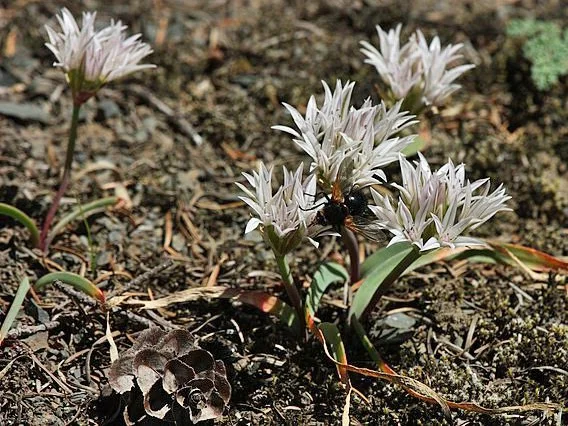
Flower Seeds
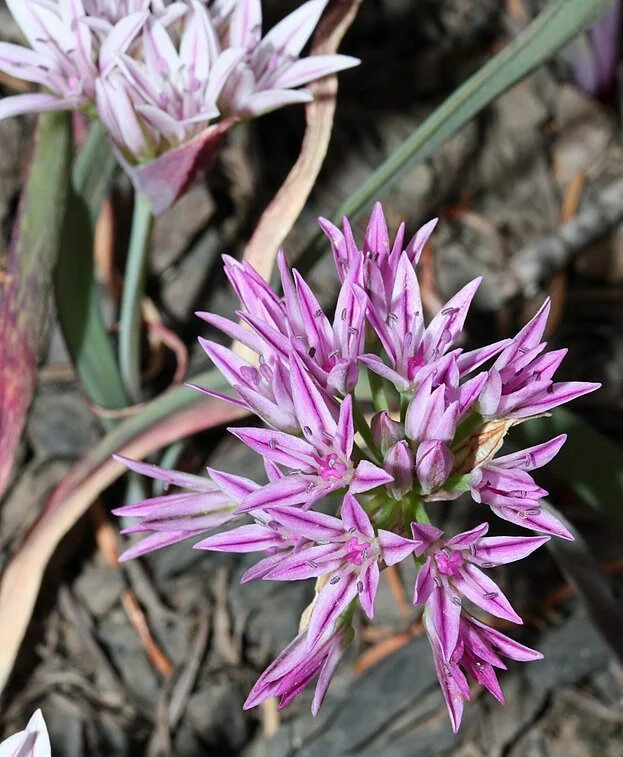
Olympic Onion Seeds – Allium crenulatum Flower Seeds – 10 Seed Pack – Outdoor Native Plant
Sold 50 products
Original price was: $25.00.$17.50Current price is: $17.50.
Sold 50 products
Original price was: $25.00.$17.50Current price is: $17.50.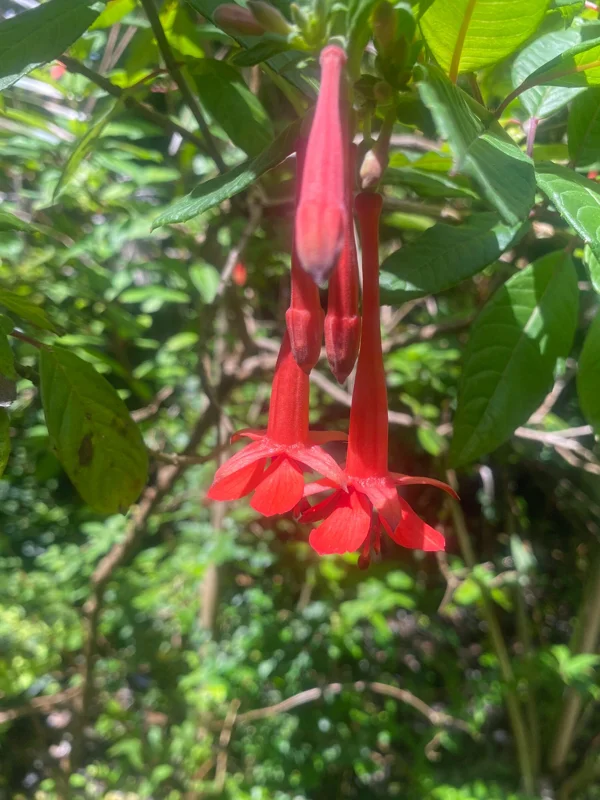
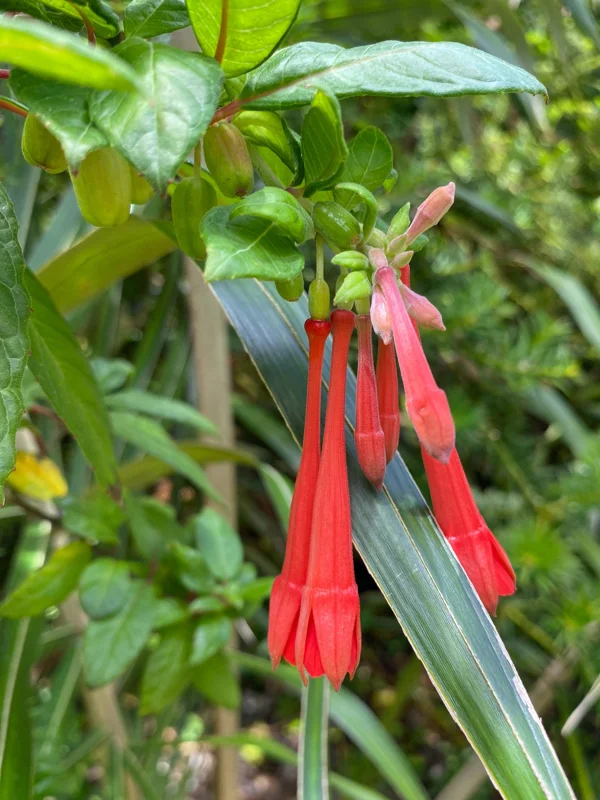
Flower Seeds
Fuchsia vulcanica Seeds – 20 Pack – Vibrant Orange Coral Flowers for Garden & Containers
Sold 50 products
Original price was: $25.00.$17.50Current price is: $17.50.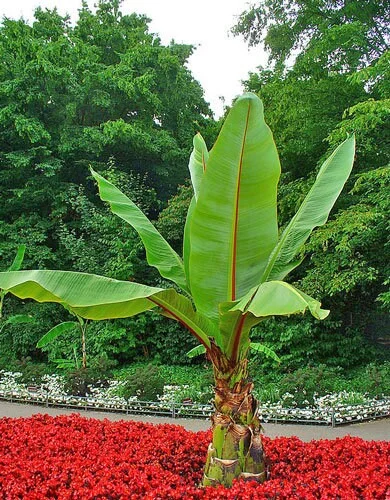
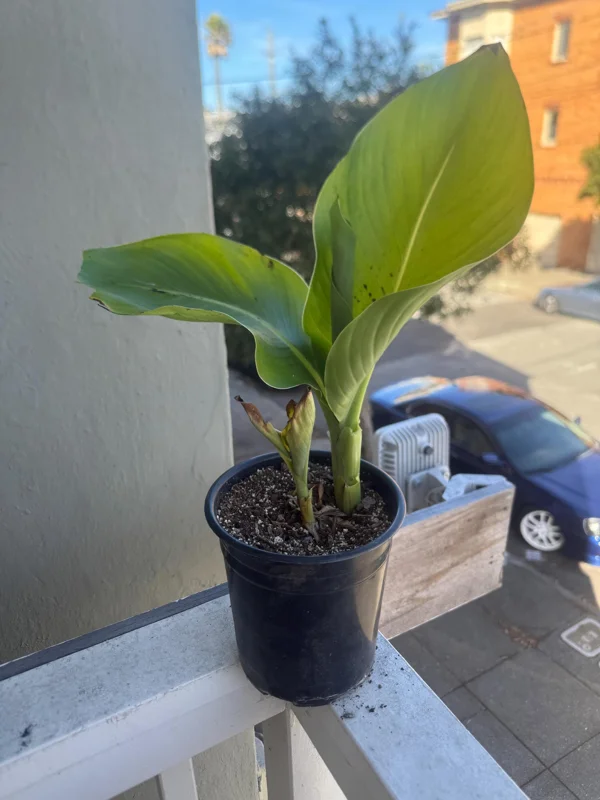
Sold 50 products
Original price was: $116.98.$95.68Current price is: $95.68.
Sold 50 products
Original price was: $21.00.$14.10Current price is: $14.10.
Aquatic Plant Seeds
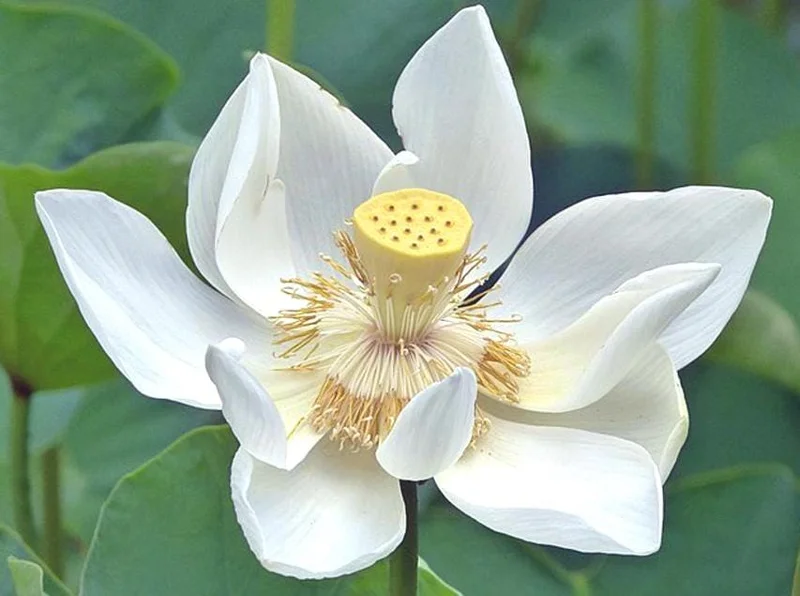
White Lotus Seeds – Nelumbo Nucifera Aquatic Pond Plant – 5 Seeds for Water Garden
Sold 50 products
Original price was: $29.00.$20.90Current price is: $20.90.RELATED posts
Awapuhi Wild Ginger Plant: Zones, Care, and Propagation
Learn which USDA zones suit awapuhi wild ginger, plus sunlight, water, planting, propagation, pests, size, [...]
Awapuhi Shampoo Ginger – Care, Growing Zones, and Differences
Learn how to grow awapuhi (shampoo) ginger, its USDA zones, watering schedule, propagation tips, and [...]
Awapuhi Shampoo Plant Buying Guide – Choose the Right Zingiber zerumbet
META: Learn which awapuhi (shampoo ginger) plant or rhizome pack gives the best natural shampoo, [...]
Awapuhi Plant for Sale: Complete Buying Guide
Find the right awapuhi (shampoo ginger) plant, size, price, soil mix, and online source. Practical [...]
Shampoo Ginger Plant for Sale – Buying Guide & Tips
Find the right shampoo ginger plant, size, price, and care tips. Quick guide for U.S. [...]
Shampoo Ginger Plant (Awapuhi) Care Guide
Learn how to grow, care for, and use shampoo ginger (Zingiber zerumbet), the tropical awapuhi [...]
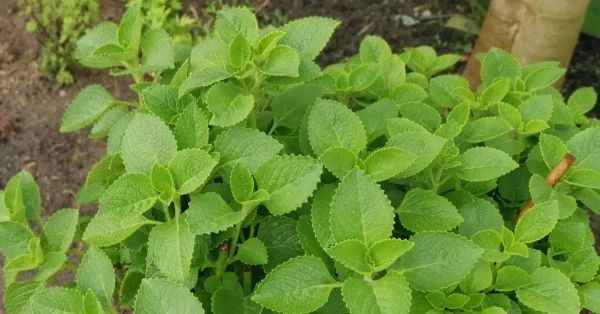
How to Grow Cuban Oregano Plants: A Complete Care Guide
If you’ve ever wanted a plant that combines the culinary punch of traditional oregano with [...]
Aug

How to Grow Habanero Pepper Plants: A Step-by-Step Guide
Habanero pepper plants are prized for their vibrant colors, intense heat, and exceptional flavor, making [...]
Aug
Reviews
There are no reviews yet.