
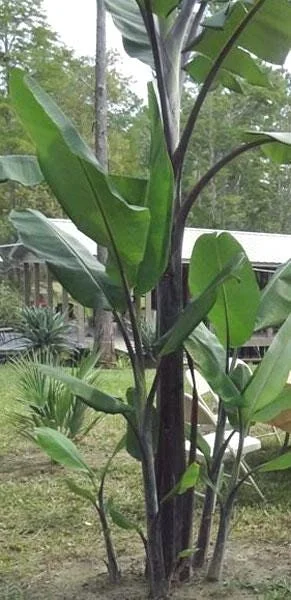
Musa balbisiana Atia Black Banana Seeds – 10 Pack – Black Thai Ornamental
Original price was: $25.00.$17.50Current price is: $17.50.
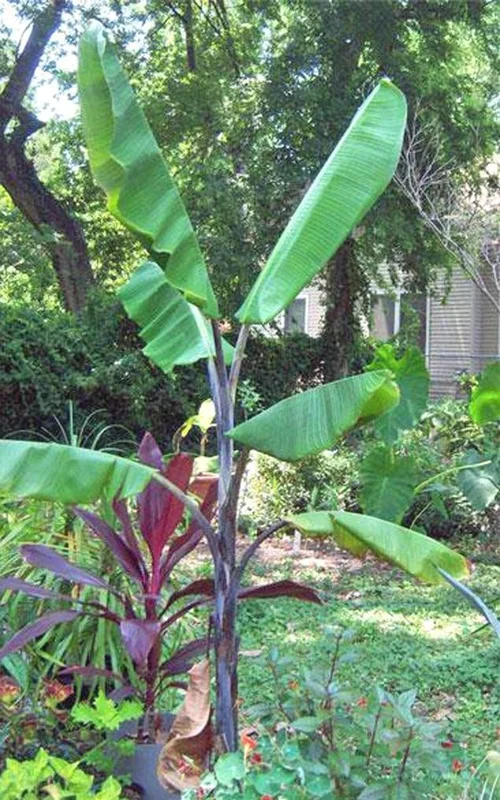
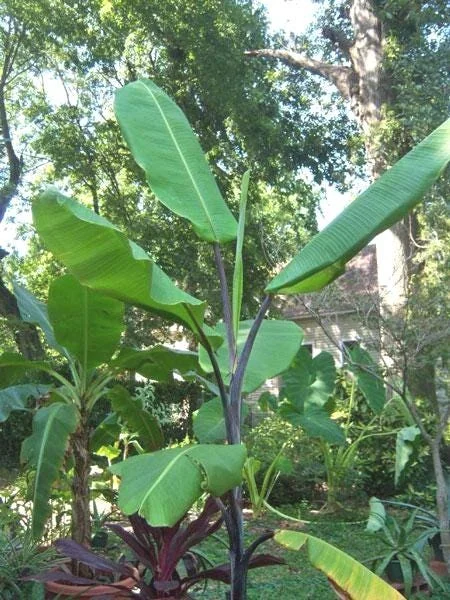
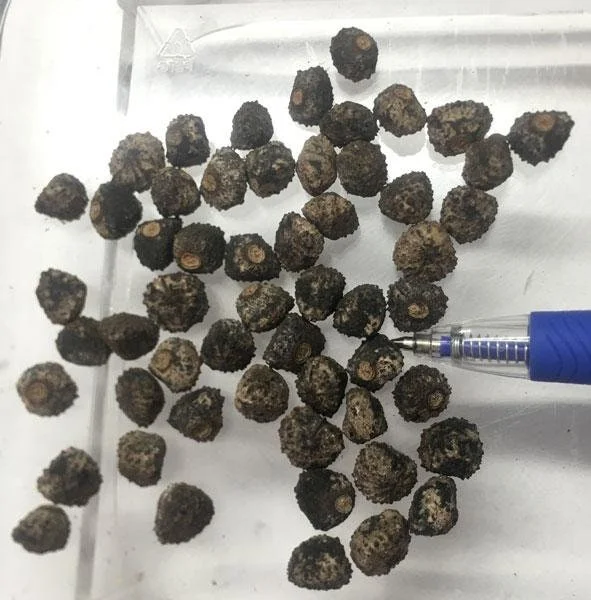
Cultivate the stunning Musa balbisiana Atia Black seeds, also known as Black Thai banana seeds. These exotic seeds develop into an ornamental wild banana plant featuring striking black stems and large green leaves, perfect for adding a tropical touch to your garden. Each pack contains 10 seeds for germination.
Shipping and Return policies:
We stand behind our plants with our Alive & Thrive Guarantee. If you experience any issues within the first 30 days, please email us, and our team will be happy to help. When needed, we’ll send you a one-time replacement free of charge to make sure your garden keeps growing strong.

Reasonable Price
We offer reasonable price

Support 24/7
Contact us 24 hrs a day
100% Money Back
You’ve 30 days to Return
Payment Secure
100% secure payment
Overview
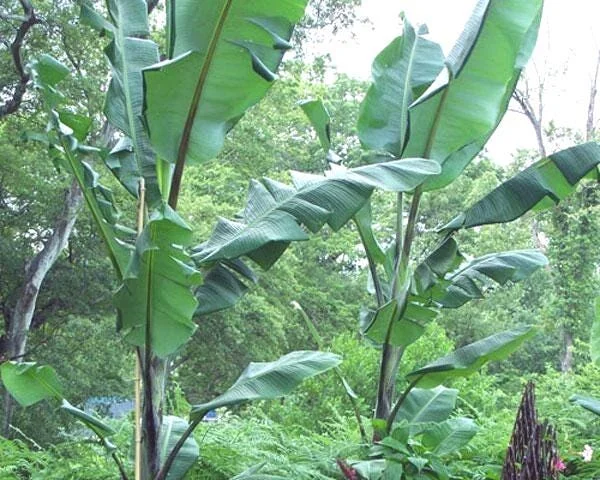
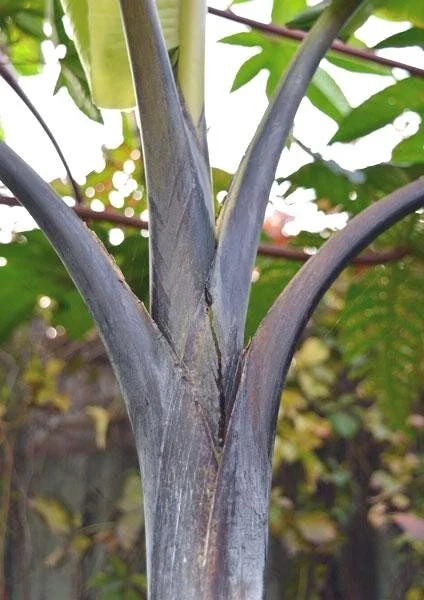
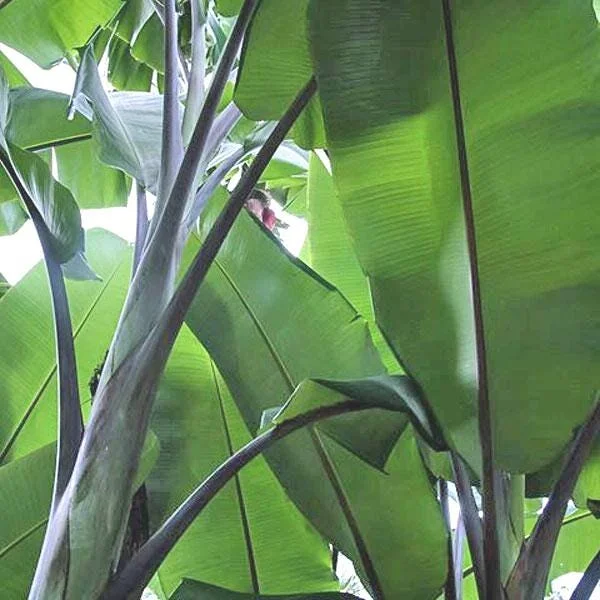
Embark on an exciting horticultural journey with Musa balbisiana Atia Black seeds. This intriguing and lesser-known variety of wild banana, often referred to as ‘Black Thai’, is primarily cultivated for its exceptional ornamental value rather than its small, inedible fruit. Originating from the diverse landscapes of Southeast Asia, this banana plant transforms any garden into a dramatic tropical escape. When fully grown from these Musa balbisiana Atia Black seeds, it develops into a large herbaceous shrub or tree, typically reaching impressive heights of 10 to 20 feet (3 to 6 meters). Its most distinctive feature is its striking maroon to almost black-colored stem and midrib, which provides a dramatic contrast against its lush green, paddle-shaped leaves. Ideal for enthusiasts seeking unique specimens, these seeds offer the chance to grow a truly captivating focal point.
While the fruit of the wild banana plant is not consumed, its captivating appearance makes it a prized choice for tropical and ornamental garden designs. Beyond its aesthetic appeal, Musa balbisiana ‘Atia Black’ is also valued for its genetic diversity. It is a close relative of many cultivated banana varieties and plays a significant role in the development of disease-resistant strains, contributing to broader agricultural resilience. Whether you are captivated by its unique aesthetic or appreciate its genetic significance, growing this exotic banana seeds variety promises to add an exotic and dramatic touch to any landscape, especially in warmer climates.
Key Benefits
Growing Musa balbisiana Atia Black seeds offers a multitude of benefits, transforming your outdoor space with its unique tropical appeal and genetic significance. These seeds provide the foundation for a truly remarkable garden specimen.
- Dramatic Ornamental Appeal: The most striking feature of the ‘Atia Black’ banana is its deep maroon to almost black stem and leaf midribs, which create a stunning visual contrast with its vibrant green foliage. This makes it an exceptional focal point in any tropical or exotic garden design.
- Unique Tropical Ambiance: Effortlessly brings a lush, tropical feel to your landscape. The large, paddle-shaped leaves and tall stature of the wild banana plant evoke images of exotic locales, enhancing the beauty and atmosphere of your outdoor living spaces.
- Genetic Significance: As a close relative of cultivated bananas, Musa balbisiana ‘Atia Black’ contributes valuable genetic diversity. Growing these Musa balbisiana Atia Black seeds supports biodiversity and the potential for developing disease-resistant banana varieties, making it a plant of both beauty and scientific interest.
- Architectural Statement: With its impressive height and bold foliage, this plant acts as a natural architectural element in the garden. It provides vertical interest and a strong visual presence, ideal for creating garden rooms or screening.
- Attracts Attention: Its unusual coloration and dramatic form are sure to draw admiration and conversation from visitors. It stands out from more common garden plants, making your landscape memorable.
- Adaptable Growth: While preferring warm climates, this banana variety is known for its robust nature within its suitable hardiness zones, making it a rewarding plant to cultivate from exotic banana seeds.
- Rewarding Cultivation: The process of germinating and growing these unique seeds into a magnificent plant offers a deeply satisfying experience for gardeners of all levels, watching its dramatic features unfold over time.
Plant Care & Growing Tips
Successfully germinating and growing Musa balbisiana Atia Black seeds requires patience and specific environmental conditions to mimic its tropical origins. The first crucial step is to prepare the hard seed coats. Begin by soaking the Musa balbisiana Atia Black seeds in lukewarm water for a full 48 hours. This softening process helps to break dormancy and allows moisture to penetrate the seed, which is vital for germination. After soaking, plant the seeds in a high-quality, well-draining potting mix. Use individual pots or a seed tray, covering the seeds with approximately half an inch (1.25 cm) of soil. Ensure the potting mix is consistently moist but never waterlogged, as excessive moisture can lead to rot.
Maintaining a consistently warm and humid environment is paramount for successful germination. Ideally, temperatures should be kept around 80-85°F (27-29°C). You can achieve this by placing pots on a heat mat or in a warm location. To maintain the necessary high humidity, cover the pots or trays with plastic wrap or a clear plastic lid, creating a mini-greenhouse effect. This helps to trap moisture and warmth, critical factors for the germination of these Black Thai banana seeds. Germination can be a slow and somewhat erratic process, often taking several weeks to a few months, so consistent care and patience are key. Once the seedlings have developed a few sturdy leaves and are large enough to handle without damage, they can be carefully transplanted into individual, larger pots, ready to continue their growth into impressive ornamental specimens.
For established plants grown from your exotic banana seeds, they thrive in full sun to partial shade, requiring at least 6 hours of direct sunlight per day for optimal growth and coloration. Water regularly, especially during dry periods, ensuring the soil remains consistently moist. While they are hardy in USDA Zones 7-11, protection from frost is essential in colder regions. Fertilize monthly during the growing season with a balanced, slow-release fertilizer to support their vigorous growth. Keep an eye out for common pests like spider mites and aphids, treating them promptly with organic insecticidal soap if observed.
Size & Details
Each pack contains 10 Musa balbisiana Atia Black seeds, providing ample opportunity to cultivate this unique ornamental banana plant. When mature, the wild banana plant typically grows as a large herbaceous shrub or tree, reaching an impressive height of 10 to 20 feet (3 to 6 meters) with a spread of 6 to 10 feet. Its growth rate is considered moderate to fast in ideal conditions, allowing it to establish quickly in tropical and subtropical gardens. The seeds are shipped dry and require proper pre-treatment and warm, humid conditions for successful germination, as detailed in the care section.
These Musa balbisiana Atia Black seeds will develop into a plant known for its dramatic maroon to almost black stems and midribs, offering a striking contrast to its lush green, paddle-shaped leaves. While the plant produces small, inedible bananas, its primary value is its captivating ornamental appearance. Expect germination to be slow and erratic, ranging from several weeks to a few months. Once established, the plants are suitable for USDA Zones 7-11, thriving in warm, humid environments. They are delivered as seeds in a protective packet, ready for your planting efforts.
Frequently Asked Questions
- Q: How big does this plant get from these seeds? A: The Musa balbisiana Atia Black seeds will grow into a large herbaceous shrub or tree, typically reaching heights of 10 to 20 feet (3 to 6 meters) with a spread of 6 to 10 feet at maturity. Its size makes it a dramatic focal point in any garden.
- Q: Is this an indoor or outdoor plant? A: While young seedlings can be started indoors, the mature wild banana plant is primarily an outdoor plant, best suited for tropical and subtropical climates in USDA Zones 7-11. In colder zones, it can be grown in containers and brought indoors during winter.
- Q: How much sunlight does it need? A: For optimal growth and vibrant stem coloration, this plant thrives in full sun, requiring at least 6 hours of direct sunlight per day. It can tolerate partial shade, but growth may be less vigorous.
- Q: What condition will the seeds arrive in? A: The Musa balbisiana Atia Black seeds will arrive as dry, raw seeds in a protective packet, ready for you to begin the soaking and germination process. They are not pre-germinated.
- Q: Is this plant easy to care for? A: Germinating the exotic banana seeds requires patience and specific conditions. Once established, the plant is relatively low maintenance in suitable climates, needing consistent watering and occasional fertilization.
- Q: How long until it blooms or fruits? A: While primarily ornamental, the plant may produce small, inedible bananas after several years of maturity, typically once it reaches its full size. The focus for these Black Thai banana seeds is on foliage and stem aesthetics.
- Q: What’s the minimum temperature it can tolerate? A: This wild banana is hardy in USDA Zones 7-11. It prefers temperatures above 50°F (10°C). In Zone 7, it may require winter protection or die back to the ground and regrow in spring.
- Q: Do I need special soil to grow these seeds? A: A well-draining potting mix is crucial for germinating the Musa balbisiana Atia Black seeds. For established plants, a rich, well-draining soil with good organic content is ideal.
- Q: Can I grow this plant in a pot? A: Yes, this plant can be grown in a large container, especially in colder climates where it needs to be moved indoors for winter. Choose a pot that allows for ample root development.
- Q: What are the benefits of growing a wild banana plant? A: Beyond its stunning ornamental value with dramatic black stems, the wild banana plant contributes to genetic diversity, aiding in the development of disease-resistant cultivated banana varieties.
Be the first to review “Musa balbisiana Atia Black Banana Seeds – 10 Pack – Black Thai Ornamental”
You must be logged in to post a review.
People also Viewed
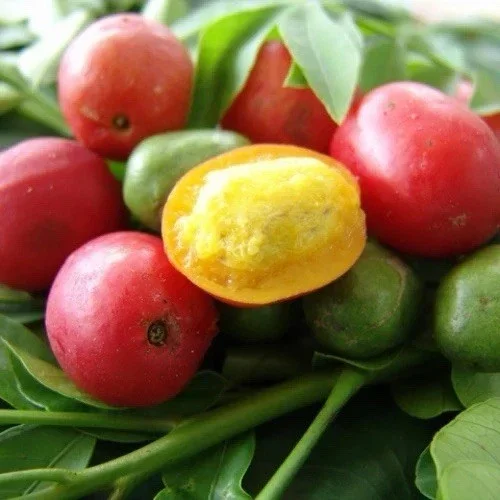
Sold 50 products
Original price was: $109.95.$79.98Current price is: $79.98.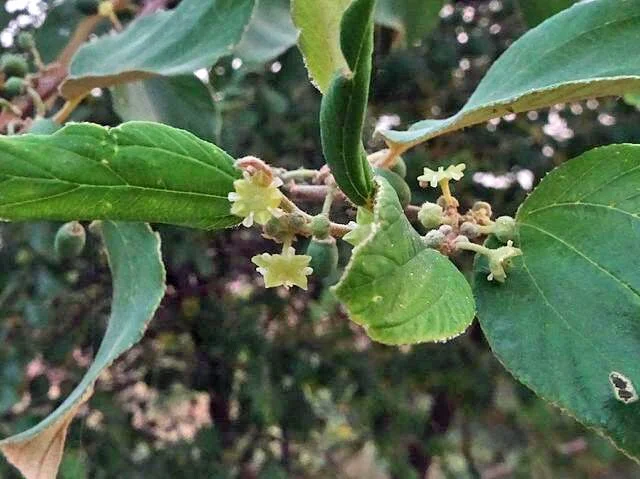
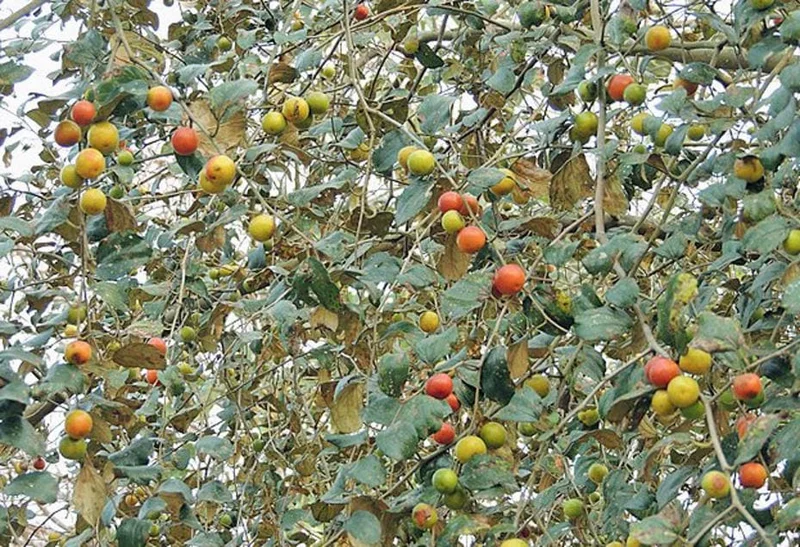
Sold 50 products
Original price was: $25.00.$17.50Current price is: $17.50.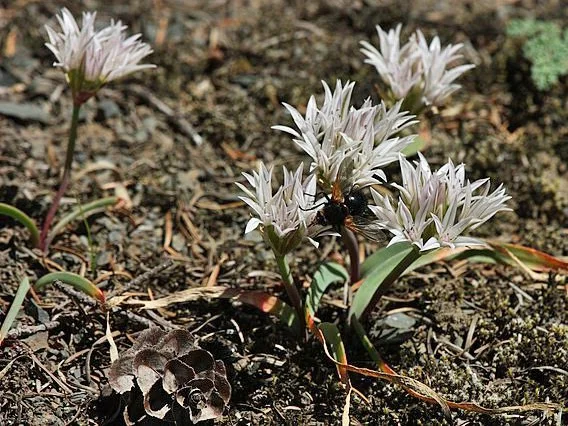
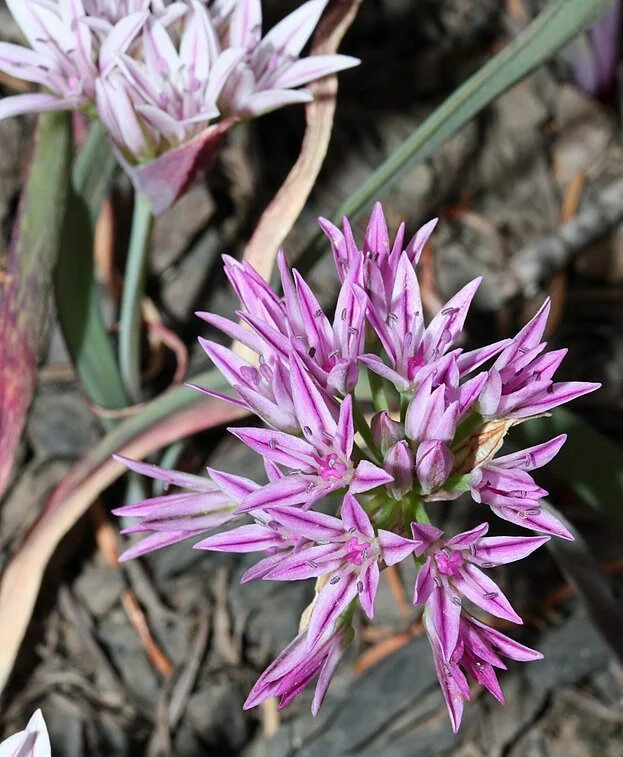
Flower Seeds
Olympic Onion Seeds – Allium crenulatum Flower Seeds – 10 Seed Pack – Outdoor Native Plant
Sold 50 products
Original price was: $25.00.$17.50Current price is: $17.50.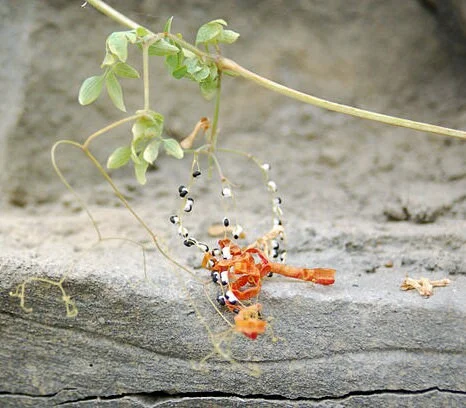
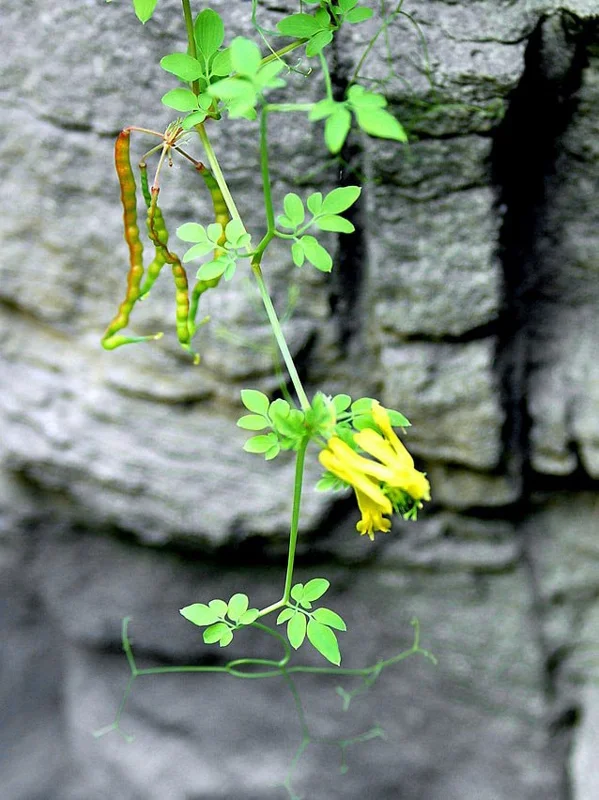
Sold 50 products
Original price was: $25.00.$17.50Current price is: $17.50.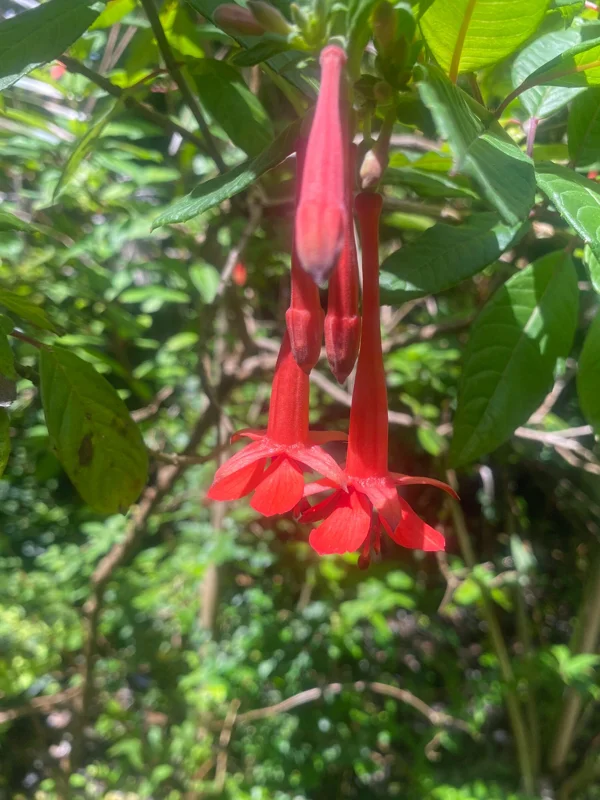
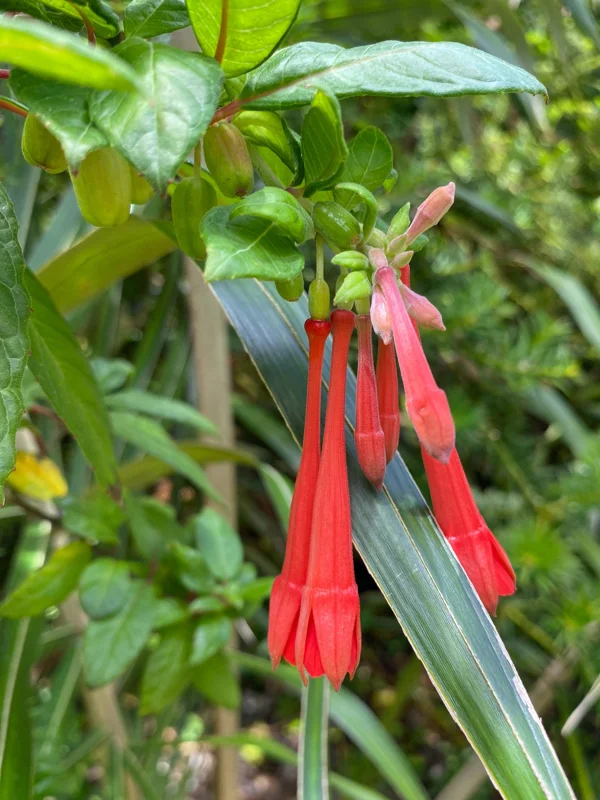
Flower Seeds
Fuchsia vulcanica Seeds – 20 Pack – Vibrant Orange Coral Flowers for Garden & Containers
Sold 50 products
Original price was: $25.00.$17.50Current price is: $17.50.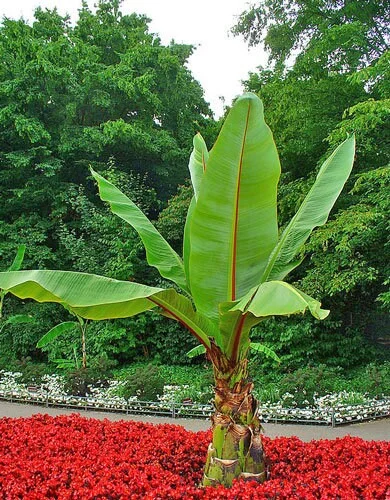
Sold 50 products
Original price was: $116.98.$95.68Current price is: $95.68.
Sold 50 products
Original price was: $21.00.$14.10Current price is: $14.10.
Aquatic Plant Seeds
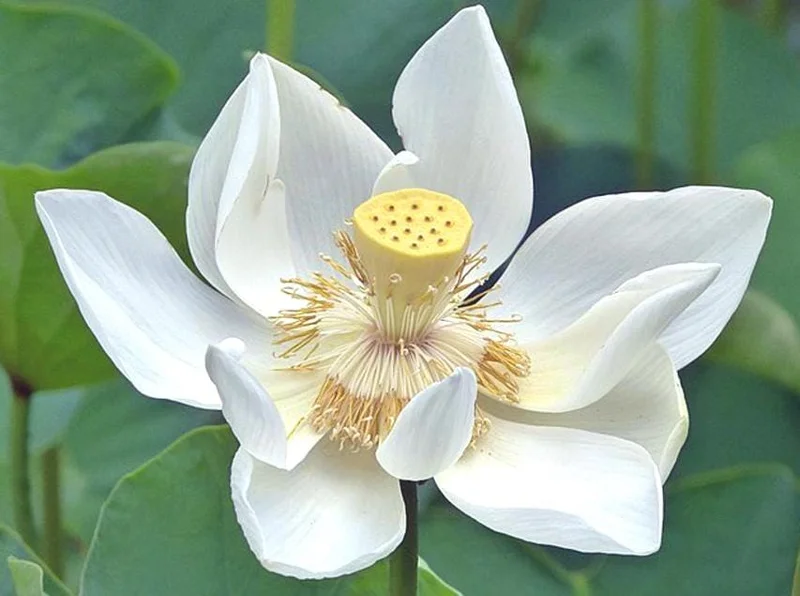
White Lotus Seeds – Nelumbo Nucifera Aquatic Pond Plant – 5 Seeds for Water Garden
Sold 50 products
Original price was: $29.00.$20.90Current price is: $20.90.RELATED posts
Awapuhi Wild Ginger Plant: Zones, Care, and Propagation
Learn which USDA zones suit awapuhi wild ginger, plus sunlight, water, planting, propagation, pests, size, [...]
Awapuhi Shampoo Ginger – Care, Growing Zones, and Differences
Learn how to grow awapuhi (shampoo) ginger, its USDA zones, watering schedule, propagation tips, and [...]
Awapuhi Shampoo Plant Buying Guide – Choose the Right Zingiber zerumbet
META: Learn which awapuhi (shampoo ginger) plant or rhizome pack gives the best natural shampoo, [...]
Awapuhi Plant for Sale: Complete Buying Guide
Find the right awapuhi (shampoo ginger) plant, size, price, soil mix, and online source. Practical [...]
Shampoo Ginger Plant for Sale – Buying Guide & Tips
Find the right shampoo ginger plant, size, price, and care tips. Quick guide for U.S. [...]
Shampoo Ginger Plant (Awapuhi) Care Guide
Learn how to grow, care for, and use shampoo ginger (Zingiber zerumbet), the tropical awapuhi [...]
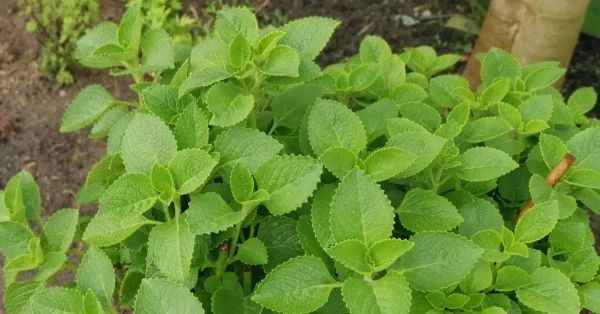
How to Grow Cuban Oregano Plants: A Complete Care Guide
If you’ve ever wanted a plant that combines the culinary punch of traditional oregano with [...]
Aug
How to Grow Habanero Pepper Plants: A Step-by-Step Guide
Habanero pepper plants are prized for their vibrant colors, intense heat, and exceptional flavor, making [...]
Aug
Reviews
There are no reviews yet.