
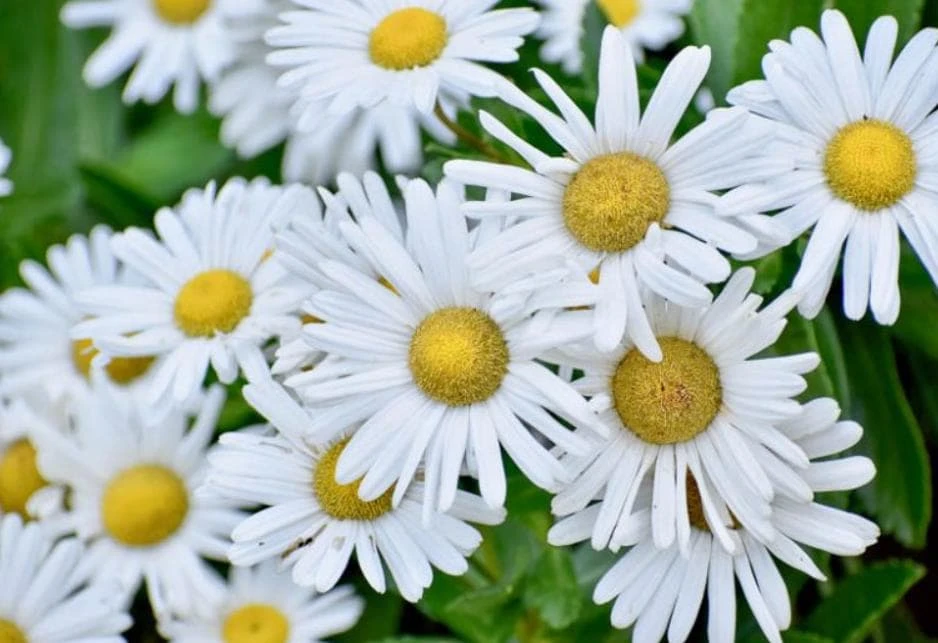
Montauk Daisy Live Plant – 4-6 inch Tall Nipponanthemum nipponicum Hardy Perennial Flower for Outdoor Gardens
Original price was: $23.99.$17.99Current price is: $17.99.
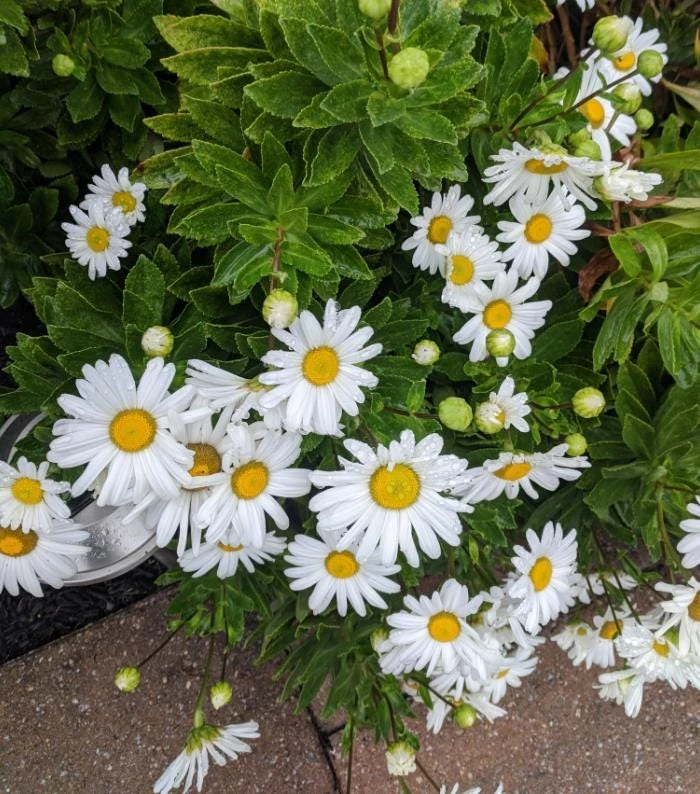
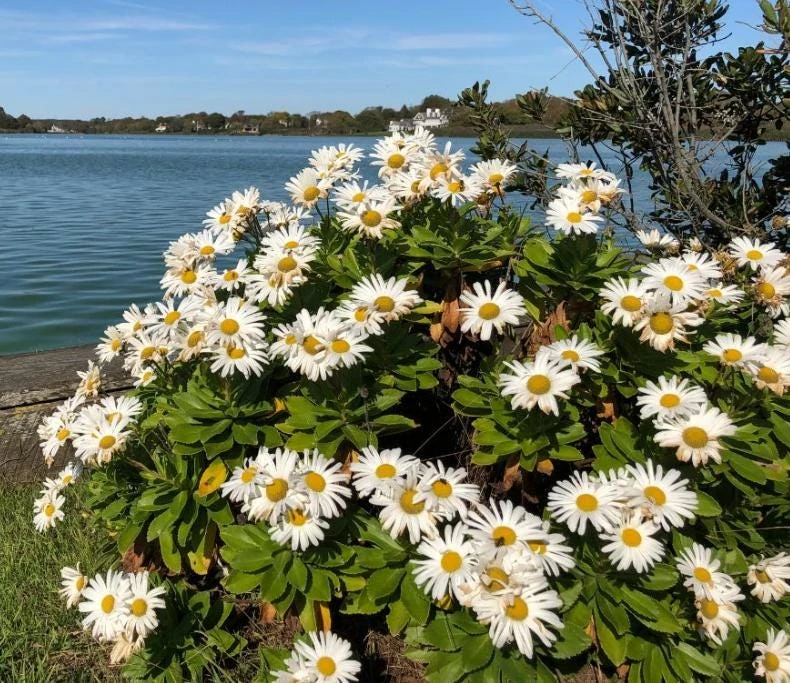
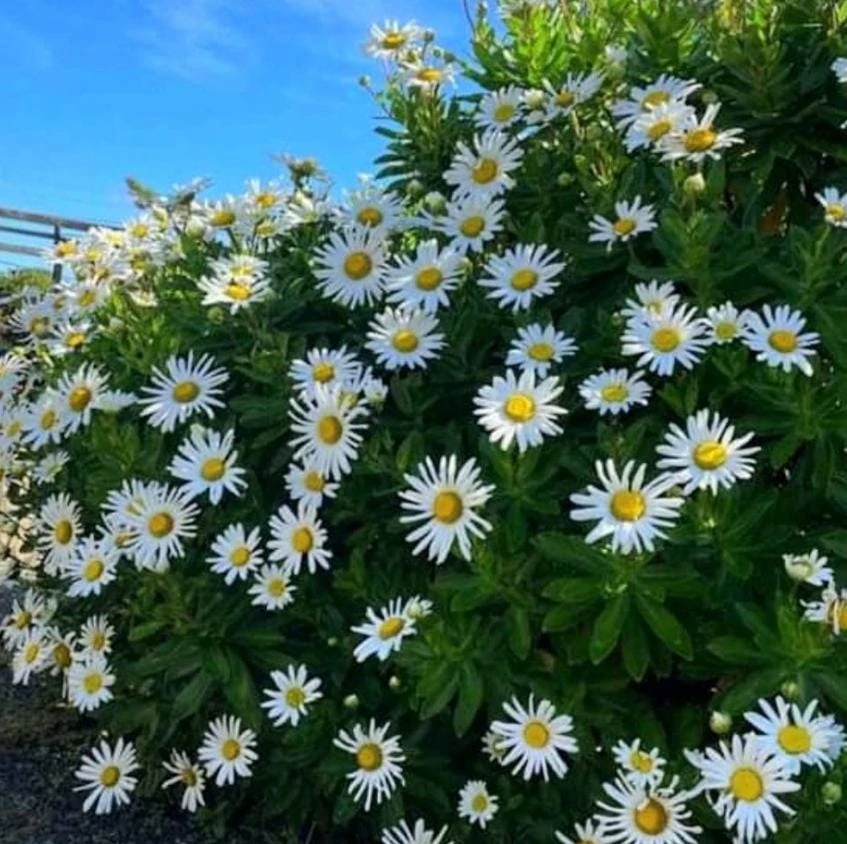
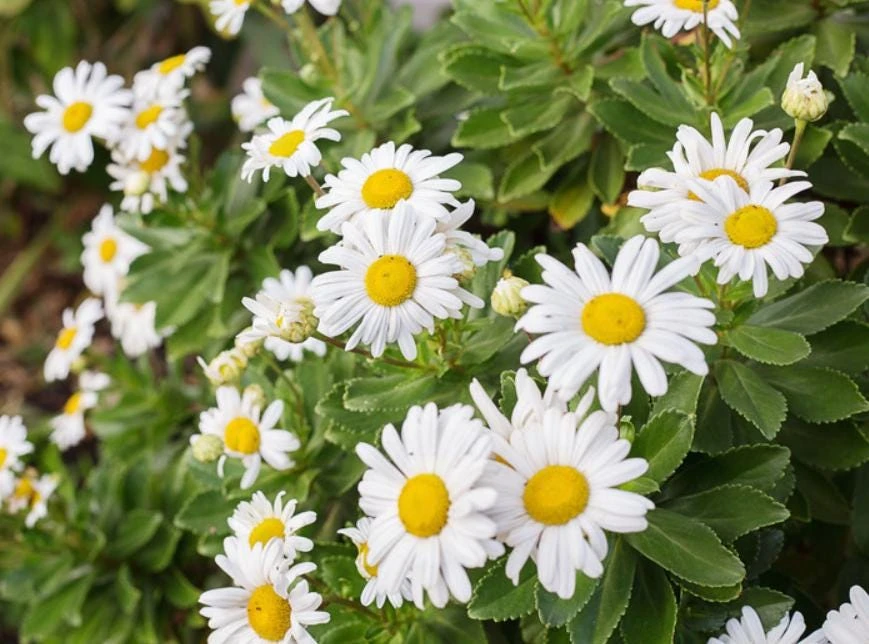
Bring lasting beauty to your garden with this Montauk Daisy live plant (Nipponanthemum nipponicum), typically 4-6 inches tall. This hardy perennial flower offers abundant white, daisy-like blooms from late summer to fall, making it ideal for garden borders, coastal landscapes, or containers. Drought-tolerant once established and low-maintenance, it’s a perfect choice for adding vibrant, late-season color.
Shipping and Return policies:
We stand behind our plants with our Alive & Thrive Guarantee. If you experience any issues within the first 30 days, please email us, and our team will be happy to help. When needed, we’ll send you a one-time replacement free of charge to make sure your garden keeps growing strong.

Reasonable Price
We offer reasonable price

Support 24/7
Contact us 24 hrs a day
100% Money Back
You’ve 30 days to Return
Payment Secure
100% secure payment
Overview
Introduce lasting charm and resilience to your outdoor space with the delightful Montauk Daisy live plant. Also known by its botanical name, Nipponanthemum nipponicum, this robust perennial is celebrated for its abundant, daisy-like white flowers that bring a fresh, vibrant look to the garden when many other plants are fading. Originating from coastal Japan, the Montauk Daisy is exceptionally resilient, thriving in conditions that might challenge other flora, making it a stellar choice for both seasoned gardeners and beginners. Its bright blooms, typically appearing from late summer through fall, create a stunning visual impact, perfect for extending your garden’s season of interest. This particular offering is a healthy, actively growing Montauk Daisy live plant, measuring 4 to 6 inches tall, ready to establish itself and flourish in its new home.
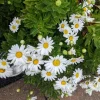
The Montauk Daisy live plant is highly valued for its ability to withstand salty air and sandy soils, making it an excellent selection for coastal regions, but it performs equally well in inland gardens. Its crisp white petals surrounding a bright yellow center are a classic combination that pairs beautifully with various other fall-blooming perennials. Beyond its aesthetic appeal, this Nipponanthemum nipponicum is a low-maintenance option that requires minimal fuss once established, allowing you more time to enjoy its beauty rather than tending to complex care routines. Enhance your garden’s appeal with this reliable and visually striking hardy perennial flower.
Key Benefits
Cultivating a Montauk Daisy live plant offers a multitude of advantages, transforming your garden into a late-season haven of beauty and resilience. This hardy perennial flower provides continuous enjoyment with its charming blooms and robust growth.
- Extended Bloom Season: Enjoy a spectacular display of white, daisy-like flowers from late summer well into fall, providing vibrant color when many other plants have finished blooming. This helps to prolong the visual interest of your garden and ensures a lively display.
- Exceptional Hardiness: Known for its resilience, the Montauk Daisy live plant is incredibly tolerant of challenging conditions, including salt spray, sandy soils, and drought once established, making it perfect for exposed sites and a superb coastal garden plant.
- Low Maintenance: Once planted and established, this perennial requires minimal care, making it an ideal choice for busy gardeners or those seeking a beautiful garden without extensive upkeep. Its ease of care is a major advantage.
- Pollinator Friendly: The bright, open flowers attract bees, butterflies, and other beneficial pollinators to your garden, contributing to a healthy ecosystem and supporting local wildlife. This enhances biodiversity in your outdoor space.
- Versatile Landscape Use: Its compact yet bushy growth habit makes it suitable for a variety of garden applications, including borders, rock gardens, mass plantings, and even containers. This versatility allows for creative garden design.
- Deer Resistant: While no plant is entirely deer-proof, Montauk Daisies are generally not preferred by deer, offering a greater chance of undisturbed growth and bloom in areas prone to browsing.
- Classic Aesthetic Appeal: The timeless beauty of white daisies with yellow centers provides a crisp, clean look that complements any garden style, from cottage to contemporary. It’s a truly classic addition.
Plant Care & Growing Tips
Caring for your Montauk Daisy live plant is straightforward, ensuring a bountiful display of flowers with minimal effort. This hardy perennial flower thrives with adequate sunlight and well-draining soil. Plant in a location that receives full sun, meaning at least six hours of direct sunlight per day. While it can tolerate some partial shade, too little sun may result in fewer blooms and leggy growth. Ensure the soil is well-draining, as soggy conditions can lead to root rot. Sandy or loamy soils are ideal, especially those found in coastal environments. Amend heavy clay soils with organic matter like compost or grit to improve drainage.
Water your Nipponanthemum nipponicum regularly during its first growing season to help establish a strong root system. Once established, Montauk Daisies are quite drought-tolerant and will only require supplemental watering during prolonged dry spells. Overwatering is a common mistake; allow the top inch or two of soil to dry out between waterings. Fertilization is generally not necessary in rich garden soil, but if your soil is poor, a balanced slow-release fertilizer in spring can encourage vigorous growth and more abundant blooms. Deadheading spent flowers is not strictly required but can improve the plant’s appearance and may encourage a few more late-season blooms.
This hardy perennial flower is typically resilient to pests and diseases. However, good air circulation can help prevent fungal issues. In late winter or early spring, cut back the previous year’s growth to about 4-6 inches from the ground to encourage fresh, bushy growth. For those wondering about specific care needs, understanding Montauk Daisy care involves providing them with their preferred sunny, well-drained environment. They are generally hardy in USDA zones 5-9, meaning they can withstand quite cold winters and thrive in a wide range of climates across the US. Protect young plants in zone 5 with a thick layer of mulch over winter, especially if you are living in an area with colder winters, ensuring your coastal garden plant thrives.
Size & Details
This offering includes one healthy Montauk Daisy live plant, typically measuring 4 to 6 inches tall from the base of the soil to the top of the foliage upon arrival. Each plant is carefully grown and shipped in a nursery pot, ensuring its roots are well-established and ready for transplanting. Montauk Daisies are known for their moderate to fast growth rate, quickly developing into a bushy, mounding perennial that generally reaches a mature height of 18 to 36 inches and a similar spread. The plants will typically begin blooming in late summer and continue through fall, with the most prolific blooms occurring in their second year.
The plant is shipped in its nursery container to minimize transplant shock, providing a robust start for your garden. Expect to see significant growth and blooming in the first full growing season after planting. This Montauk Daisy live plant is an excellent choice for adding structure and late-season color to your landscape, providing a strong visual presence without becoming overly aggressive. Its ultimate size and bloom density will depend on light conditions, soil quality, and care, but with good Montauk Daisy care, you can expect a fantastic display. This robust Nipponanthemum nipponicum is a truly rewarding addition to any garden.
Frequently Asked Questions
- Q: How big does this Montauk Daisy plant get? A: This particular Montauk Daisy live plant arrives 4 to 6 inches tall. Once mature, it typically grows to a height of 18 to 36 inches and can spread equally wide, forming a dense, bushy mound in your garden.
- Q: Is this an indoor or outdoor plant? A: The Montauk Daisy is a hardy perennial flower best suited for outdoor cultivation. It thrives in garden beds, borders, and rockeries, especially in areas with full sun exposure.
- Q: How much sunlight does it need? A: For optimal growth and prolific blooming, your Nipponanthemum nipponicum requires full sun, meaning at least 6 hours of direct sunlight per day. It can tolerate some partial shade, but flowering may be reduced.
- Q: Is this plant easy to care for? A: Yes, Montauk Daisies are considered very easy to care for. They are drought-tolerant once established and require minimal maintenance, making them an excellent choice for both beginner and experienced gardeners looking for a beautiful coastal garden plant.
- Q: What condition will it arrive in? A: Your hardy perennial flower will arrive as a healthy, actively growing plant in a nursery pot, with established roots, ready for planting to ensure a smooth transition to your garden.
- Q: When is the best time to plant a Montauk Daisy? A: The best time to plant your Montauk Daisy is in spring or early fall. This allows the plant sufficient time to establish its root system before the extreme heat of summer or the cold of winter.
- Q: Will it survive winter in my zone? A: Montauk Daisies are hardy in USDA Zones 5-9. If you are in zone 5, it is advisable to provide a layer of mulch over the plant’s crown in late fall to offer extra winter protection, contributing to good Montauk Daisy care.
- Q: What kind of soil does this plant prefer? A: This plant thrives in well-draining soil. It is particularly tolerant of sandy or rocky soils, making it an ideal choice for coastal landscapes. Avoid heavy, waterlogged soils.
- Q: How often should I water my Montauk Daisy? A: During its first growing season, water regularly to keep the soil consistently moist. Once established, it is fairly drought-tolerant and needs watering only during extended dry periods. Good Montauk Daisy care includes not overwatering.
- Q: Can I grow this plant in a container? A: Yes, you can grow a Montauk Daisy in a container, provided the container is large enough to accommodate its mature size and has excellent drainage. Ensure it receives plenty of sunlight for optimal growth.
Be the first to review “Montauk Daisy Live Plant – 4-6 inch Tall Nipponanthemum nipponicum Hardy Perennial Flower for Outdoor Gardens”
You must be logged in to post a review.
People also Viewed
Sold 50 products
Original price was: $37.48.$23.98Current price is: $23.98.
Sold 50 products
$32.38
Sold 50 products
$27.38
Sold 50 products
$32.38
Sold 50 products
$19.88
Sold 50 products
$62.38
Sold 50 products
$24.88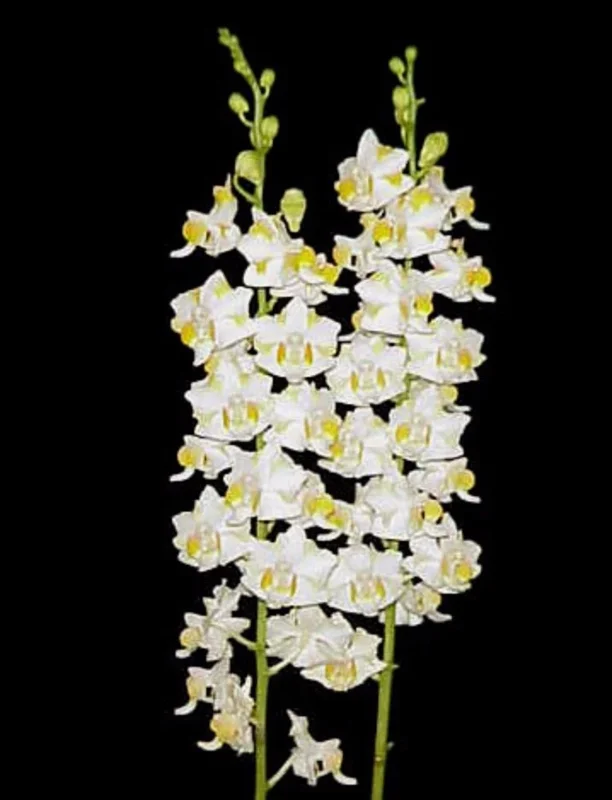
Houseplants
Phalaenopsis pulcherrima ‘Mauna Kea Snow’ Orchid Live Plant – White Flowers, Potted 2.5 in
Sold 50 products
$49.88RELATED posts
Awapuhi Wild Ginger Plant: Zones, Care, and Propagation
Learn which USDA zones suit awapuhi wild ginger, plus sunlight, water, planting, propagation, pests, size, [...]
Awapuhi Shampoo Ginger – Care, Growing Zones, and Differences
Learn how to grow awapuhi (shampoo) ginger, its USDA zones, watering schedule, propagation tips, and [...]
Awapuhi Shampoo Plant Buying Guide – Choose the Right Zingiber zerumbet
META: Learn which awapuhi (shampoo ginger) plant or rhizome pack gives the best natural shampoo, [...]
Awapuhi Plant for Sale: Complete Buying Guide
Find the right awapuhi (shampoo ginger) plant, size, price, soil mix, and online source. Practical [...]
Shampoo Ginger Plant for Sale – Buying Guide & Tips
Find the right shampoo ginger plant, size, price, and care tips. Quick guide for U.S. [...]
Shampoo Ginger Plant (Awapuhi) Care Guide
Learn how to grow, care for, and use shampoo ginger (Zingiber zerumbet), the tropical awapuhi [...]
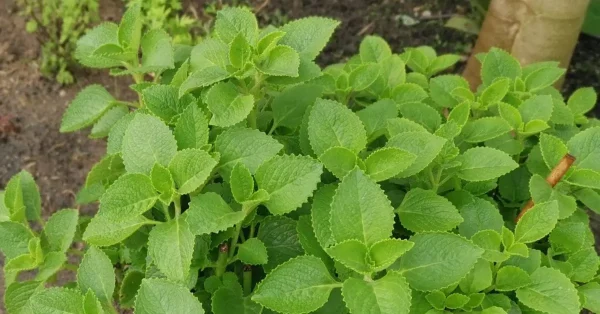
How to Grow Cuban Oregano Plants: A Complete Care Guide
If you’ve ever wanted a plant that combines the culinary punch of traditional oregano with [...]
Aug
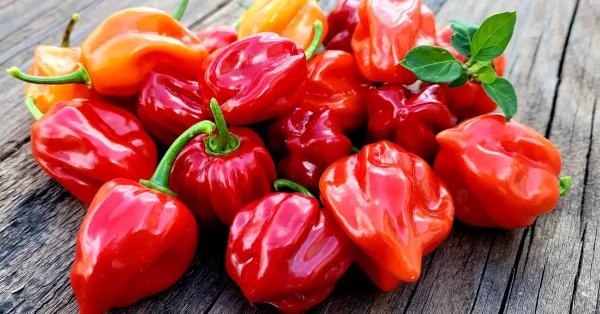
How to Grow Habanero Pepper Plants: A Step-by-Step Guide
Habanero pepper plants are prized for their vibrant colors, intense heat, and exceptional flavor, making [...]
Aug
Reviews
There are no reviews yet.