
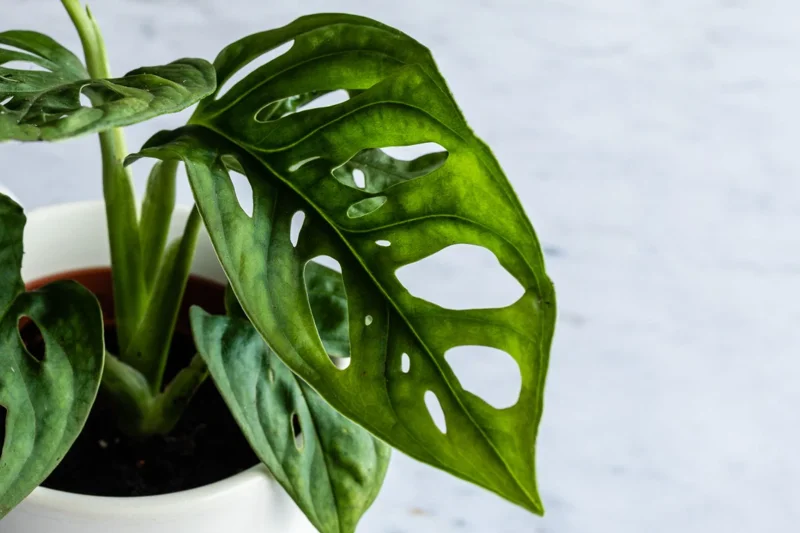
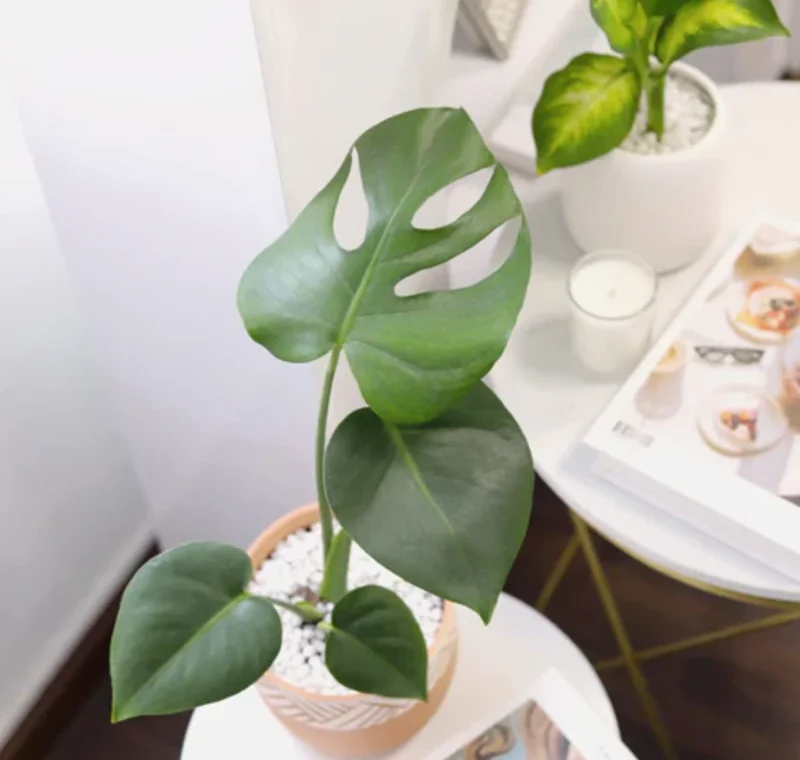
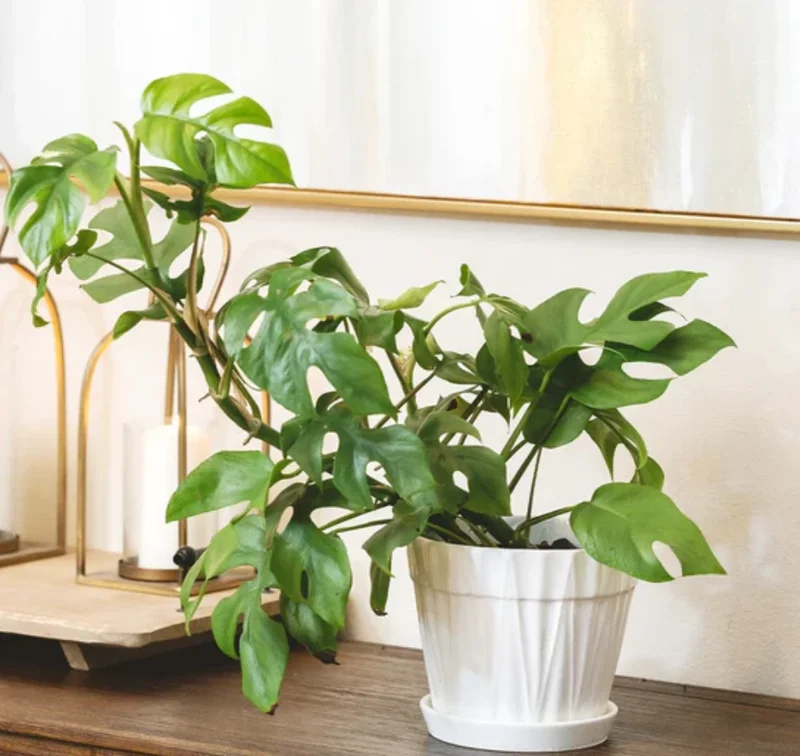
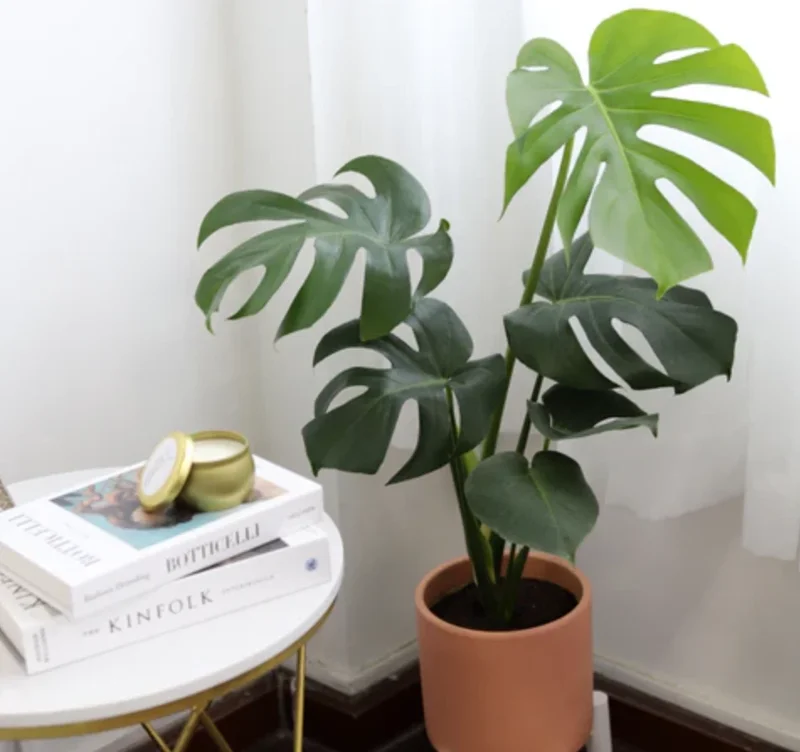
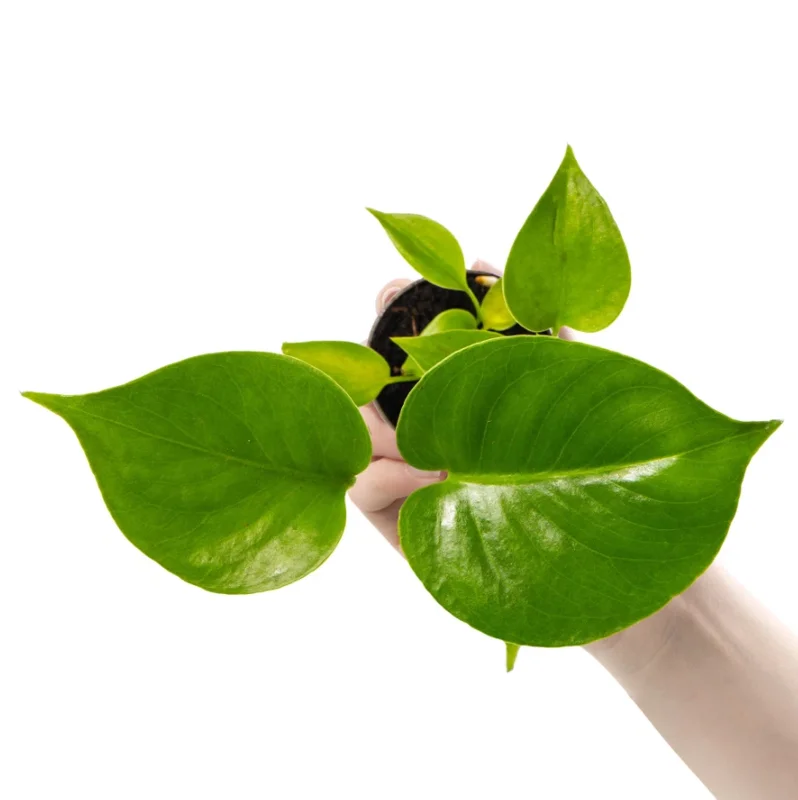
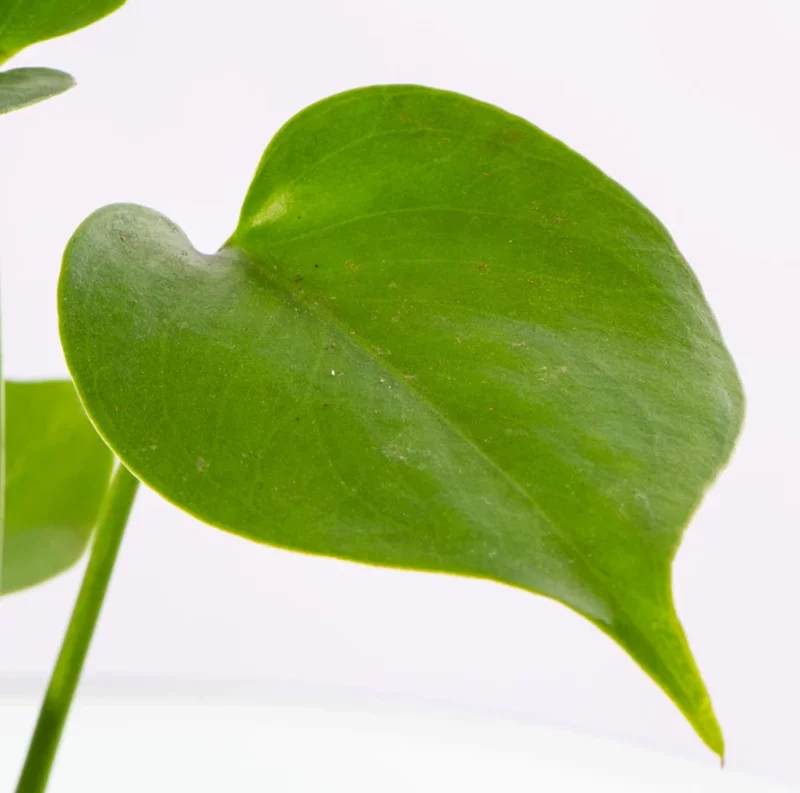
Monstera Swiss Cheese Plant – Live Houseplant – 4″ Pot – Tropical Holey Leaf
$21.99
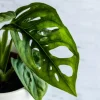
Bring home a beautiful monstera swiss cheese plant in a 4″ pot. This tropical houseplant is celebrated for its unique fenestrated leaves, adding a striking visual element to any indoor environment. Easy to care for and a fantastic choice for plant enthusiasts.
Shipping and Return policies:
We stand behind our plants with our Alive & Thrive Guarantee. If you experience any issues within the first 30 days, please email us, and our team will be happy to help. When needed, we’ll send you a one-time replacement free of charge to make sure your garden keeps growing strong.

Reasonable Price
We offer reasonable price

Support 24/7
Contact us 24 hrs a day
100% Money Back
You’ve 30 days to Return
Payment Secure
100% secure payment
Overview
Discover the captivating beauty of the monstera swiss cheese plant, a highly sought-after tropical houseplant renowned for its distinctive perforated leaves. This particular offering provides two robust plants in a single 4-inch pot, offering immediate visual impact and lush foliage. The scientific name, Monstera adansonii, perfectly describes its intriguing appearance, often referred to as the Swiss Cheese Vine due to the natural holes and splits that develop as the leaves mature. Originating from the tropical rainforests of Central and South America, this plant thrives in warm, humid environments, making it an ideal choice for indoor cultivation. Its vining habit and striking fenestrations add an exotic and architectural element to any room, easily transforming a space into a vibrant, green oasis. Whether you’re a seasoned plant parent or just starting your indoor garden, the monstera swiss cheese plant is a rewarding and relatively low-maintenance addition that promises to impress with its unique charm and continuous growth.
Key Benefits
The monstera swiss cheese plant offers a multitude of benefits beyond its stunning appearance, making it a popular choice for indoor plant enthusiasts. Its unique foliage and growth habit contribute to a healthier and more aesthetically pleasing living space.
- Unique Aesthetic Appeal: The most striking feature of the monstera swiss cheese plant is its iconic fenestrated leaves, which develop natural holes and splits as they mature. This ‘holey leaf’ pattern creates a captivating visual texture that stands out in any plant collection, adding a touch of tropical elegance and architectural interest to your home decor.
- Air Purification Qualities: Like many houseplants, Monstera adansonii contributes to improved indoor air quality by absorbing common household toxins and releasing fresh oxygen. This natural air-filtering capability helps create a healthier and more invigorating environment within your living space.
- Low Maintenance & Adaptable: Despite its exotic appearance, the monstera swiss cheese plant is surprisingly easy to care for, making it suitable for both beginner and experienced plant owners. It tolerates a range of indoor conditions and is forgiving of occasional neglect, thriving with consistent, yet simple, care routines.
- Versatile Growth Habit: This plant exhibits a vining growth habit, allowing for versatile display options. You can train it to climb a moss pole or trellis for vertical interest, or let it trail gracefully from a hanging basket or shelf, adding dynamic movement and greenery to your decor.
- Promotes Well-being: Studies suggest that having plants indoors can reduce stress, improve mood, and increase productivity. Caring for a beautiful plant like the monstera swiss cheese plant can provide a sense of accomplishment and connection to nature, enhancing overall mental well-being.
- Tropical Ambiance: Instantly transform any room into a tropical haven with the lush foliage and exotic charm of this plant. Its vibrant green leaves evoke the feeling of a rainforest, bringing a sense of calm and natural beauty indoors.
- Pet-Friendly (with caution): While all Monstera species contain calcium oxalate crystals that can cause irritation if ingested, the adansonii variety is generally considered less toxic than its larger relatives. However, it’s always best to keep plants out of reach of curious pets and children.
Plant Care & Growing Tips
Caring for your monstera swiss cheese plant is a rewarding experience, and with a few simple guidelines, you can ensure it thrives and continues to produce its characteristic ‘holey’ leaves. This tropical beauty enjoys conditions that mimic its natural rainforest habitat, focusing on light, water, and humidity.
Sunlight Requirements: The monstera swiss cheese plant prefers bright, indirect light. Direct sunlight can scorch its delicate leaves, leading to yellowing or browning. An east-facing window is often ideal, providing gentle morning sun, or a few feet back from a south or west-facing window. If your home lacks sufficient natural light, a grow light can provide the necessary intensity. Consistent, adequate lighting is crucial for the development of its iconic fenestrations. If you’re looking to buy monstera plant, ensure you have a suitable spot ready.
Watering Schedule & Soil Moisture: Water your Monstera when the top 1-2 inches of soil feel dry to the touch. It’s better to slightly underwater than to overwater, as consistently wet soil can lead to root rot. When watering, thoroughly drench the soil until water drains from the bottom of the pot, then discard any excess water. Reduce watering frequency during the cooler, darker winter months. Proper watering is key to happy monstera deliciosa care, though this is Monstera adansonii.
Soil Type & Drainage: A well-draining potting mix is essential for the health of your monstera swiss cheese plant. A mix designed for aroids or tropical plants, typically containing peat moss, perlite, and pine bark, will provide the aeration and drainage it needs. Ensure the pot has drainage holes to prevent waterlogging, which is detrimental to root health. A good soil mix will help prevent issues that can arise with improper watering.
Temperature & Humidity: This plant thrives in warm temperatures, ideally between 65°F and 80°F (18°C-27°C). Avoid exposing it to temperatures below 50°F (10°C), as it is sensitive to cold. High humidity is also beneficial, mimicking its native environment. You can increase humidity by misting the leaves regularly, placing the pot on a pebble tray with water, or using a humidifier, especially during dry indoor heating seasons. This aspect of care is vital for healthy leaves and to prevent crispy edges, a common issue for tropical houseplants.
Fertilization: Fertilize your monstera swiss cheese plant every 2-4 weeks during the growing season (spring and summer) with a balanced liquid fertilizer diluted to half strength. Reduce or stop fertilization during the fall and winter when the plant’s growth naturally slows down. Over-fertilization can lead to nutrient burn, so always follow product instructions. Proper nutrition supports vigorous growth and the development of new, healthy leaves.
Common Problems & Solutions: Yellowing leaves can indicate overwatering or nutrient deficiency. Browning leaf tips often point to low humidity or underwatering. Pests like spider mites or mealybugs can be treated with insecticidal soap or neem oil. Regular inspection of your plant helps catch issues early. Understanding these common problems is part of effective monstera adansonii indoor care.
Size & Details
This offering includes a healthy monstera swiss cheese plant presented in a convenient 4-inch nursery pot. Each pot contains two individual plant cuttings, providing a fuller, more established look from the start. The plants are carefully cultivated to ensure they arrive vibrant and ready to thrive in your home. At the time of shipment, the plants typically stand between 6-10 inches tall, measured from the base of the pot. As a vining plant, its growth rate is moderate to fast under optimal conditions, with individual vines capable of reaching several feet in length over time. The leaves, even when young, begin to show the characteristic fenestrations as they mature, adding to its unique charm. This plant is shipped as a live, potted specimen, ensuring minimal transplant shock and immediate enjoyment. Expect continuous growth and the development of more intricate leaf patterns as your monstera swiss cheese plant matures, making it a dynamic and evolving addition to your indoor garden.
Frequently Asked Questions
- Q: How big does this monstera swiss cheese plant get? A: In optimal indoor conditions, the vines of Monstera adansonii can grow several feet long. The leaves typically reach 6-10 inches in length. You can prune it to maintain a desired size or provide a moss pole for climbing.
- Q: What size pot does it come in? A: This monstera swiss cheese plant is delivered in a 4-inch nursery pot, containing two individual plants for a lush appearance. You can repot it into a slightly larger pot as it grows, typically every 1-2 years.
- Q: Is this an indoor or outdoor plant? A: While it’s a tropical plant, the monstera swiss cheese plant is primarily grown as an indoor houseplant in most climates. It can be moved outdoors in warm, humid conditions during summer but must be brought inside before temperatures drop below 50°F (10°C).
- Q: How much sunlight does it need? A: It thrives in bright, indirect light. Avoid direct sunlight, which can scorch its leaves. An east-facing window or a spot a few feet away from a south or west-facing window is usually ideal for this tropical houseplants.
- Q: Is this plant easy to care for? Is it good for beginners? A: Yes, the monstera swiss cheese plant is considered relatively easy to care for and is a great choice for beginners. It’s forgiving and resilient, making monstera deliciosa care (or adansonii care) accessible for new plant parents.
- Q: What condition will it arrive in? Is it shipped in soil? A: Your plant will arrive as a live, potted specimen, securely packaged in its 4-inch nursery pot with soil. We take great care to ensure it reaches you in excellent condition, ready to be enjoyed.
- Q: Is the monstera swiss cheese plant pet-safe? A: Like many Aroids, Monstera adansonii contains calcium oxalate crystals, which can cause irritation if ingested by pets or humans. While generally considered less toxic than other Monsteras, it’s best to keep it out of reach of curious pets and children.
- Q: How often should I water my monstera adansonii indoor plant? A: Water when the top 1-2 inches of soil feel dry to the touch. This typically translates to once a week, but it can vary based on light, humidity, and season. Always check the soil moisture before watering.
- Q: Do the leaves always have holes? A: Younger leaves may emerge without fenestrations, but as they mature and the plant receives adequate light and care, the characteristic holes and splits will develop. Consistent proper care encourages the development of these unique features.
- Q: When is the best time to repot this plant? A: The best time to repot your monstera swiss cheese plant is during the spring or early summer, which is its active growing season. Repot when you notice roots growing out of the drainage holes or the plant becomes root-bound.
Be the first to review “Monstera Swiss Cheese Plant – Live Houseplant – 4″ Pot – Tropical Holey Leaf”
You must be logged in to post a review.
People also Viewed
Sold 50 products
$32.38
Sold 50 products
$27.38
Sold 50 products
$32.38
Sold 50 products
$19.88
Sold 50 products
$62.38
Sold 50 products
$24.88
Houseplants
Phalaenopsis pulcherrima ‘Mauna Kea Snow’ Orchid Live Plant – White Flowers, Potted 2.5 in
Sold 50 products
$49.88
Sold 50 products
$49.88RELATED posts
Awapuhi Wild Ginger Plant: Zones, Care, and Propagation
Learn which USDA zones suit awapuhi wild ginger, plus sunlight, water, planting, propagation, pests, size, [...]
Awapuhi Shampoo Ginger – Care, Growing Zones, and Differences
Learn how to grow awapuhi (shampoo) ginger, its USDA zones, watering schedule, propagation tips, and [...]
Awapuhi Shampoo Plant Buying Guide – Choose the Right Zingiber zerumbet
META: Learn which awapuhi (shampoo ginger) plant or rhizome pack gives the best natural shampoo, [...]
Awapuhi Plant for Sale: Complete Buying Guide
Find the right awapuhi (shampoo ginger) plant, size, price, soil mix, and online source. Practical [...]
Shampoo Ginger Plant for Sale – Buying Guide & Tips
Find the right shampoo ginger plant, size, price, and care tips. Quick guide for U.S. [...]
Shampoo Ginger Plant (Awapuhi) Care Guide
Learn how to grow, care for, and use shampoo ginger (Zingiber zerumbet), the tropical awapuhi [...]
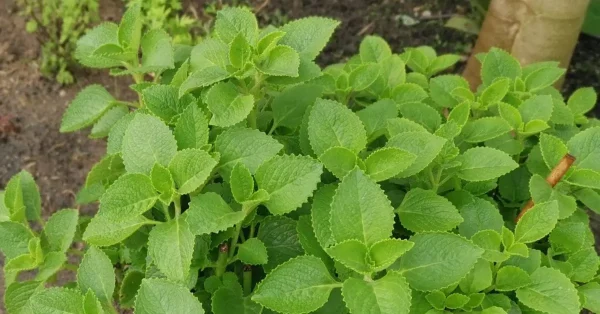
How to Grow Cuban Oregano Plants: A Complete Care Guide
If you’ve ever wanted a plant that combines the culinary punch of traditional oregano with [...]
Aug
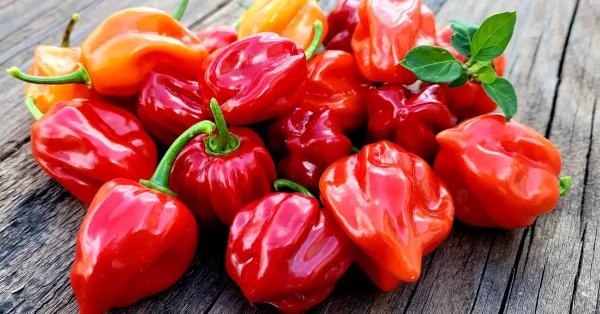
How to Grow Habanero Pepper Plants: A Step-by-Step Guide
Habanero pepper plants are prized for their vibrant colors, intense heat, and exceptional flavor, making [...]
Aug
Reviews
There are no reviews yet.