

Midnight Oil Bee Balm Live Plant – Monarda ‘Midnight Oil’ Perennial
Original price was: $23.98.$19.48Current price is: $19.48.
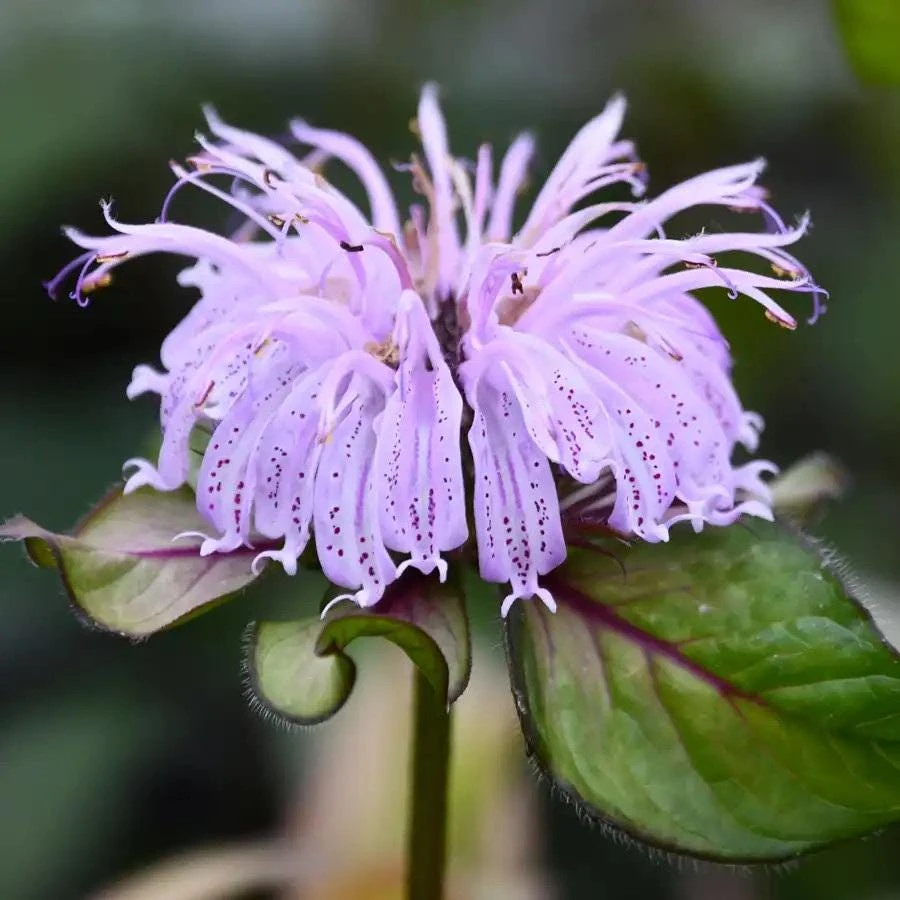
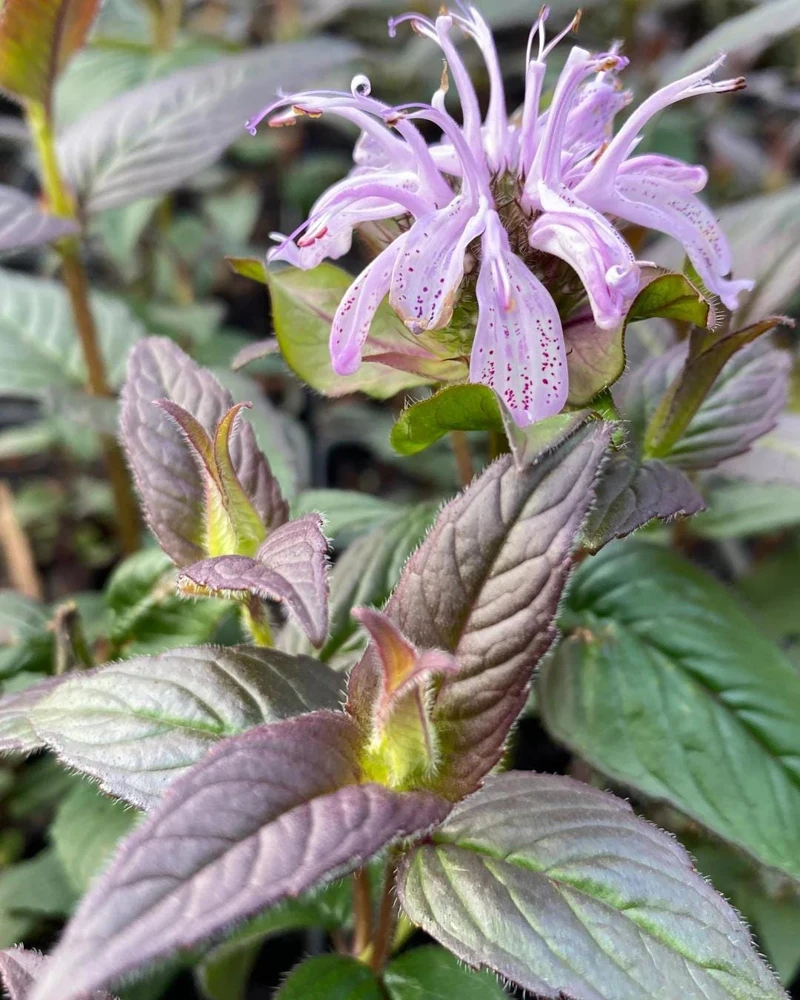
Enhance your garden with Midnight Oil Bee Balm, a captivating perennial live plant known for its glossy red-purple foliage and attractive pale pink flowers. This Monarda ‘Midnight Oil’ plant is a favorite for pollinators and offers easy care for USDA Zones 4-9.
Shipping and Return policies:
We stand behind our plants with our Alive & Thrive Guarantee. If you experience any issues within the first 30 days, please email us, and our team will be happy to help. When needed, we’ll send you a one-time replacement free of charge to make sure your garden keeps growing strong.

Reasonable Price
We offer reasonable price

Support 24/7
Contact us 24 hrs a day
100% Money Back
You’ve 30 days to Return
Payment Secure
100% secure payment
Overview
Introduce a touch of dramatic color and ecological vibrancy to your garden with the Midnight Oil Bee Balm, also known by its botanical name, Monarda bradburiana ‘Midnight Oil’. This exceptional perennial live plant is celebrated for its distinctive appearance and its strong appeal to beneficial garden visitors. Unlike many traditional bee balms, ‘Midnight Oil’ stands out with its striking, glossy red-purple to nearly black new foliage, which maintains its rich hue throughout the growing season, providing a fantastic contrast to green plants. Beyond its ornamental leaves, this perennial bee balm produces charming, rounded clusters of pale pink, tubular flowers adorned with delicate purple speckles in late spring to early summer. These blooms are a magnet for various pollinators, including bees, butterflies, and hummingbirds, making it an invaluable addition to any wildlife-friendly garden.
The ‘Midnight Oil’ cultivar is a compact, clump-forming wildflower, making it an excellent choice for borders, mass plantings, or even container gardening where its unique foliage can be admired up close. It’s a robust and reliable performer, bringing consistent beauty and ecological benefits year after year. For gardeners seeking a low-maintenance yet high-impact plant, the Midnight Oil Bee Balm offers a perfect blend of aesthetic appeal and environmental value.
Key Benefits
The Midnight Oil Bee Balm offers a multitude of advantages for both the gardener and the garden ecosystem. Its unique characteristics make it a standout choice:
- Dramatic Foliage Color: Enjoy season-long interest with new foliage emerging a stunning glossy red-purple, maturing to a darker, almost black hue. This provides exceptional visual contrast in the garden.
- Pollinator Magnet: The pale pink, speckled flowers are highly attractive to a wide array of pollinators, including bees, butterflies, and hummingbirds, actively supporting local ecosystems. This makes it an ideal pollinator garden plant.
- Compact & Clump-Forming: Its tidy growth habit makes it suitable for various garden settings, from small spaces and borders to mass plantings, without becoming invasive.
- Low Maintenance: This Monarda variety is naturally deer and rabbit resistant and requires minimal care once established, perfect for busy gardeners.
- Drought-Tolerant: Once established, drought tolerant monarda can withstand periods of dry weather, making it a water-wise choice for sustainable landscapes.
- Adaptable to Various Soils: While preferring well-draining soil, it shows good adaptability to different soil types, including clay, as long as it doesn’t stay overly wet.
- Disease Resistance: Good air circulation helps prevent powdery mildew, a common issue with some Bee Balm varieties, ensuring healthier growth and more vibrant blooms.
Plant Care & Growing Tips
Caring for your Midnight Oil Bee Balm is straightforward, ensuring a vibrant display year after year. This hardy perennial thrives in a range of conditions and is quite forgiving. For optimal growth and the most intense foliage color and abundant blooms, plant your Monarda in full sun, which means at least six hours of direct sunlight daily. It can tolerate partial shade, but flowering may be less prolific. Ensure good air circulation around the plant to help prevent powdery mildew, a common issue for Monarda, especially in humid conditions. The ideal USDA hardiness zones for this plant are 4–9, making it resilient in a broad spectrum of climates across the US.
When it comes to watering, the Monarda ‘Midnight Oil’ plant prefers low to moderate moisture. During its first growing season, water regularly to help establish a strong root system. Once established, it becomes notably drought-tolerant, an excellent trait for a drought tolerant monarda. However, it will perform best with consistent moisture, particularly during dry spells, and requires well-draining soil. While adaptable to various soil types, including clay, it dislikes overly wet conditions. Fertilization is generally not heavily required; a balanced, slow-release granular fertilizer in early spring can promote vigorous growth. Cut back stems after flowering to encourage a bushier habit and potentially a second flush of blooms, or prune in late fall to refresh the clump for the next season. This relatively low-maintenance plant ensures that even novice gardeners can enjoy the beauty of Midnight Oil Bee Balm.
Size & Details
The Midnight Oil Bee Balm is a compact, clump-forming perennial, typically reaching a mature height of approximately 18-24 inches and a similar spread. Its moderate growth rate means it will establish well within its first season, providing a beautiful display of foliage and flowers. This live plant ships either bare root or in a 2.5-inch nursery pot, depending on the season and availability, ensuring it arrives ready for planting. Expect the plant to begin flowering in late spring to early summer, with the vibrant foliage providing continuous interest throughout the growing season. It will return reliably year after year within its recommended USDA Zones 4–9.
Frequently Asked Questions
- Q: How big does this Midnight Oil Bee Balm get? A: This compact perennial typically grows to about 18-24 inches tall with a similar spread, forming a neat, clump-forming habit in your garden.
- Q: Is this an indoor or outdoor plant? A: The Midnight Oil Bee Balm is an outdoor perennial, best suited for garden beds, borders, and naturalized areas where it can thrive in full sun to partial shade.
- Q: How much sunlight does this Monarda ‘Midnight Oil’ plant need? A: For the best foliage color and most abundant blooms, it requires full sun, meaning at least 6 hours of direct sunlight per day. It can tolerate partial shade.
- Q: Is this plant easy to care for? A: Yes, this Bee Balm variety is considered low maintenance and is notably drought-tolerant once established, making it a great choice for gardeners of all skill levels.
- Q: What condition will it arrive in? A: Your Midnight Oil Bee Balm will arrive either as a bare root plant or in a 2.5-inch nursery pot, carefully packaged to ensure its health during transit.
- Q: When is the best time to plant perennial bee balm? A: Spring or early fall are generally the best times to plant Monarda, allowing the roots to establish before extreme summer heat or winter cold.
- Q: Will it survive winter in my zone? A: Yes, this plant is a hardy perennial in USDA Zones 4–9, meaning it will typically survive winter and return reliably each spring in these regions.
- Q: Is this a good pollinator garden plant? A: Absolutely! Its pale pink, speckled flowers are highly attractive to bees, butterflies, and hummingbirds, making it an excellent choice for supporting local pollinator populations.
- Q: What kind of soil does this plant prefer? A: It thrives in well-draining soil but is adaptable to various types, including clay, as long as the soil does not stay overly wet. Consistent moisture is preferred once established.
- Q: Is drought tolerant monarda deer and rabbit resistant? A: Yes, this variety of Bee Balm is naturally deer and rabbit resistant, adding to its appeal as a low-maintenance garden plant.
Be the first to review “Midnight Oil Bee Balm Live Plant – Monarda ‘Midnight Oil’ Perennial”
You must be logged in to post a review.
People also Viewed
Sold 50 products
$32.38
Sold 50 products
$27.38
Sold 50 products
$32.38
Sold 50 products
$19.88
Sold 50 products
$62.38
Sold 50 products
$24.88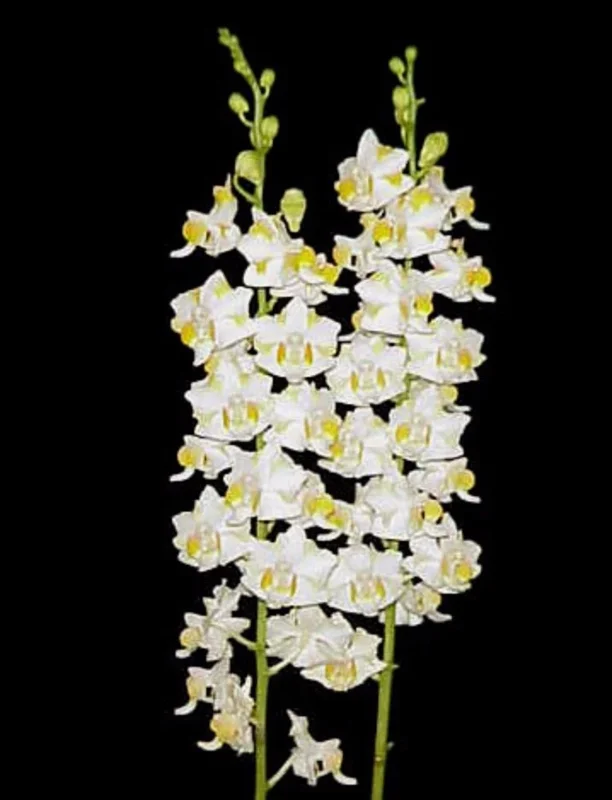
Houseplants
Phalaenopsis pulcherrima ‘Mauna Kea Snow’ Orchid Live Plant – White Flowers, Potted 2.5 in
Sold 50 products
$49.88
Sold 50 products
$49.88RELATED posts
Awapuhi Wild Ginger Plant: Zones, Care, and Propagation
Learn which USDA zones suit awapuhi wild ginger, plus sunlight, water, planting, propagation, pests, size, [...]
Awapuhi Shampoo Ginger – Care, Growing Zones, and Differences
Learn how to grow awapuhi (shampoo) ginger, its USDA zones, watering schedule, propagation tips, and [...]
Awapuhi Shampoo Plant Buying Guide – Choose the Right Zingiber zerumbet
META: Learn which awapuhi (shampoo ginger) plant or rhizome pack gives the best natural shampoo, [...]
Awapuhi Plant for Sale: Complete Buying Guide
Find the right awapuhi (shampoo ginger) plant, size, price, soil mix, and online source. Practical [...]
Shampoo Ginger Plant for Sale – Buying Guide & Tips
Find the right shampoo ginger plant, size, price, and care tips. Quick guide for U.S. [...]
Shampoo Ginger Plant (Awapuhi) Care Guide
Learn how to grow, care for, and use shampoo ginger (Zingiber zerumbet), the tropical awapuhi [...]
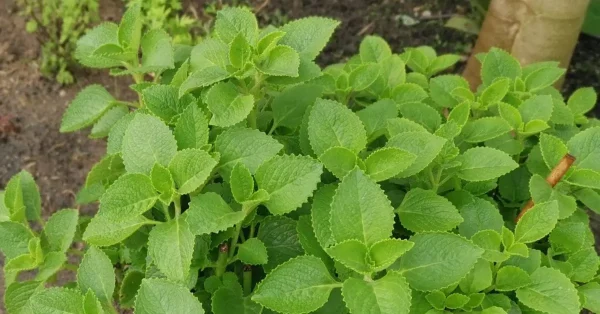
How to Grow Cuban Oregano Plants: A Complete Care Guide
If you’ve ever wanted a plant that combines the culinary punch of traditional oregano with [...]
Aug
How to Grow Habanero Pepper Plants: A Step-by-Step Guide
Habanero pepper plants are prized for their vibrant colors, intense heat, and exceptional flavor, making [...]
Aug
Reviews
There are no reviews yet.