
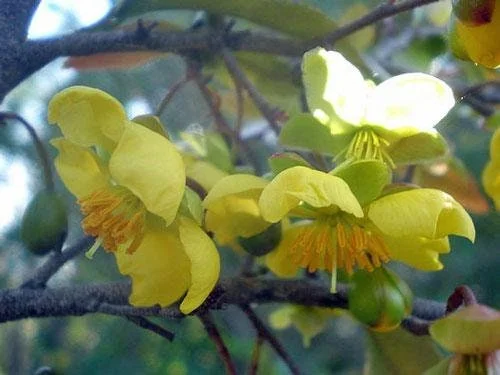
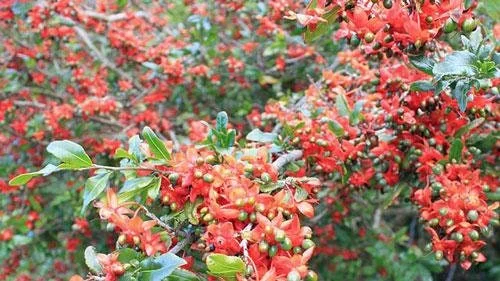
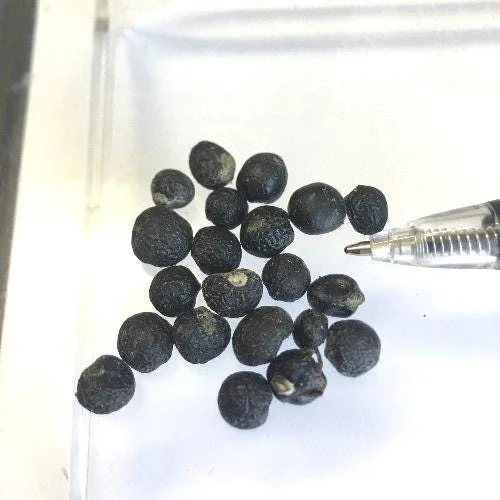
Mickey Mouse Plant Seeds – Ochna serrulata – 5 Seeds for Garden & Landscape
Original price was: $25.00.$17.50Current price is: $17.50.
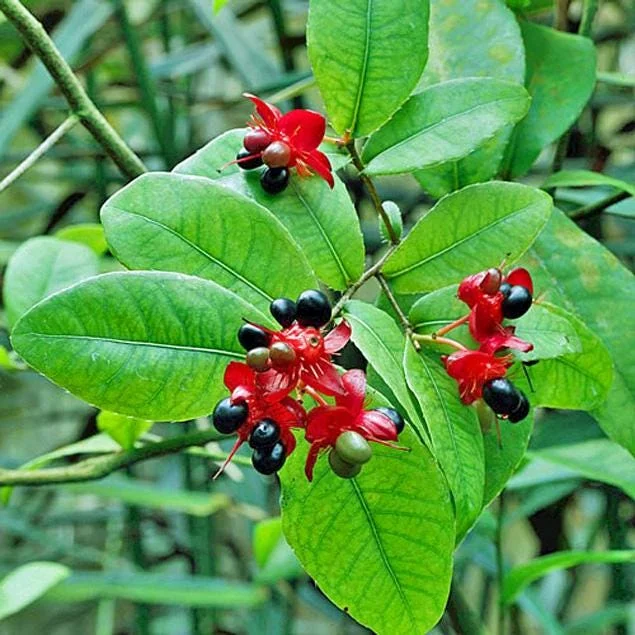
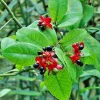
Cultivate the charming Mickey Mouse Plant seeds (Ochna serrulata) in your garden. These unique seeds promise a delightful shrub with bright yellow flowers and distinctive red and black fruits that resemble cartoon ears. Ideal for zones 9-11, these Ochna serrulata seeds are a fantastic addition for ornamental appeal and attracting wildlife.
Shipping and Return policies:
We stand behind our plants with our Alive & Thrive Guarantee. If you experience any issues within the first 30 days, please email us, and our team will be happy to help. When needed, we’ll send you a one-time replacement free of charge to make sure your garden keeps growing strong.

Reasonable Price
We offer reasonable price

Support 24/7
Contact us 24 hrs a day
100% Money Back
You’ve 30 days to Return
Payment Secure
100% secure payment
Overview
Discover the joy of growing the unique and captivating Mickey Mouse Plant seeds. Scientifically known as Ochna serrulata, this deciduous shrub is native to South Africa and is cherished for its distinctive appearance. The common name, Mickey Mouse Plant, comes from its striking red sepals and black fruits that, when inverted, cleverly resemble the iconic cartoon character’s ears and trousers. These Ochna serrulata seeds offer an exciting opportunity to introduce an adaptable and visually appealing species to your landscape. Whether you are a seasoned gardener or a curious beginner, cultivating this plant from seed is a rewarding experience, leading to a vibrant shrub that adds year-round interest.
The Mickey Mouse Plant is also known by other charming names such as Bird’s Eye Bush and Small-Leaved Plane. It thrives in diverse environments, from coastal areas to inland forests, making it a resilient choice for many gardens. Its ability to attract birds and wildlife further enhances its appeal, transforming your garden into a lively ecosystem. With these Mickey Mouse Plant seeds, you can embark on a journey to grow a plant that not only beautifies your space but also supports local fauna.
Key Benefits
Adding the Mickey Mouse Plant to your garden offers a range of aesthetic and ecological benefits. These unique plants provide continuous visual interest throughout the seasons, making them a standout feature. Here are some key advantages:
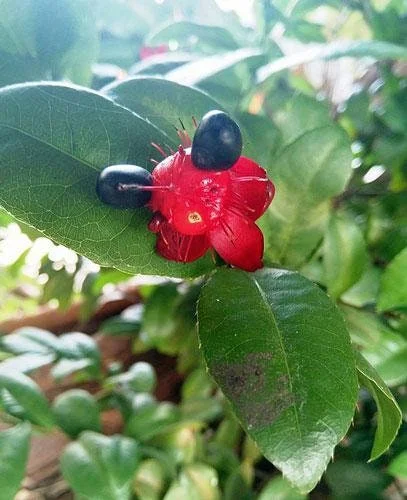
- Distinctive Ornamental Appeal: The primary draw of the Mickey Mouse Plant is its unique fruit display. After the yellow petals fall, the calyx swells and turns bright red, surrounding glossy black fruits that distinctly resemble Mickey Mouse’s ears, creating a whimsical and eye-catching feature in any garden. This makes them a fantastic conversation starter and a memorable addition to your plant collection.
- Attracts Wildlife: The fruits of the Ochna serrulata are a favorite food source for birds and other wildlife, encouraging biodiversity in your garden. Planting these seeds can help create a thriving natural habitat, bringing life and movement to your outdoor space.
- Adaptable Growth: Native to South Africa, this shrub is remarkably adaptable, capable of growing in various conditions including forest, coastal, and inland areas. This resilience makes it suitable for a wide range of garden settings and climates within its hardiness zones.
- Vibrant Seasonal Interest: Enjoy bright yellow flowers with numerous stamens from spring to early summer, followed by the striking red and black fruit display in late summer. The saw-toothed leaves also add texture, ensuring your garden remains vibrant and engaging throughout the year.
- Easy to Grow from Seed: With proper germination techniques, growing Mickey Mouse Plant seeds is a straightforward process, allowing you to cultivate multiple plants and expand your garden efficiently. Detailed germination instructions are provided to ensure your success.
- Low Maintenance Shrub: Once established, the Mickey Mouse Plant requires average water needs and tolerates both full sun and part shade, making it a relatively low-maintenance option for busy gardeners.
Plant Care & Growing Tips
Cultivating Mickey Mouse Plant seeds into a thriving shrub requires attention to specific environmental factors, but the plant is quite resilient once established. For optimal growth, these plants prefer a location that receives full sun to part shade. In hotter climates, some afternoon shade can prevent leaf scorch, while in cooler regions, more sun will encourage robust flowering and fruiting. Ensure the plant receives at least 4-6 hours of direct sunlight daily for best results. The Ochna serrulata is hardy in USDA Zones 9-11, thriving in warmer temperatures and being sensitive to frost. Protection during unexpected cold snaps is advisable in marginal zones.
When it comes to watering, the Mickey Mouse Plant has average water needs. It prefers consistently moist, but not waterlogged, soil, especially during its establishment phase. Once mature, it can tolerate short periods of drought, but regular watering during dry spells will promote healthier growth and more prolific fruiting. Well-draining soil is crucial to prevent root rot. A loamy or sandy soil enriched with organic matter provides an ideal environment. Fertilize sparingly; a balanced, slow-release granular fertilizer in spring can support vigorous growth, but avoid over-fertilization which can lead to excessive foliage at the expense of flowers and fruits. Watch out for common pests like aphids or spider mites, and treat with organic insecticidal soap if necessary. Proper air circulation and avoiding overhead watering can help prevent fungal issues.
Size & Details
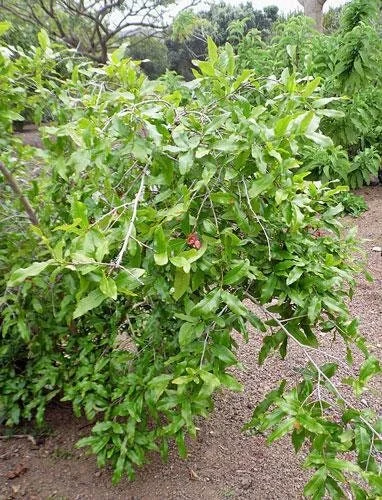
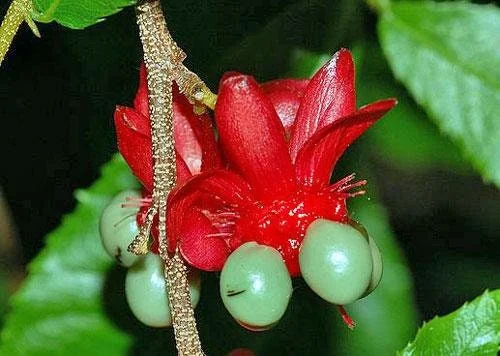
The Mickey Mouse Plant (Ochna serrulata) is a deciduous shrub that can reach an impressive height of up to 8 feet tall and spread up to 4 feet wide at maturity. Its growth rate is moderate, allowing it to establish itself well within a few seasons. These Ochna serrulata seeds are provided in a pack of 5, offering a great start to growing this distinctive plant. The leaves are characterized by their saw-toothed margins, which is reflected in its Latin name ‘serrulata’. Flowers appear from spring until early summer, showcasing bright yellow petals and numerous stamens. Following the bloom, the petals fall, and the calyx transforms into a vibrant red, swelling to encase the developing fruits. The fruits emerge green, gradually turning black by late summer, creating the iconic “Mickey Mouse” appearance. Each seed has the potential to grow into a substantial shrub, providing years of enjoyment. Germination typically takes 30-60 days under ideal conditions.
Frequently Asked Questions
- Q: How big does the Mickey Mouse Plant get? A: The Mickey Mouse Plant typically grows to about 8 feet tall and 4 feet wide at full maturity, forming an attractive, medium-sized shrub. Its size makes it suitable for various garden applications, from hedges to specimen plants.
- Q: Is this an indoor or outdoor plant? A: The Mickey Mouse Plant is primarily an outdoor plant, thriving in USDA Zones 9-11. It can be grown in containers and brought indoors in colder climates during winter, but it prefers outdoor conditions for optimal growth and fruiting.
- Q: How much sunlight does Ochna serrulata need? A: Ochna serrulata seeds should be planted in a location that receives full sun to part shade. At least 4-6 hours of direct sunlight daily is ideal for robust growth, flowering, and fruit production.
- Q: What condition will the seeds arrive in? A: Your Mickey Mouse Plant seeds will arrive as dry, viable seeds, ready for germination. They are carefully packaged to ensure their integrity during transit, providing you with the best chance for successful growth.
- Q: Is this plant easy to care for? A: Once established, the Mickey Mouse Plant is considered relatively low-maintenance. It requires average watering and adapts well to various soil types, making it a good choice for both experienced and novice gardeners.
- Q: How long until the Mickey Mouse Plant blooms? A: When grown from Mickey Mouse Plant seeds, it typically takes a few years for the plant to mature enough to produce its first blooms and fruits. Patience is key, but the unique display is well worth the wait.
- Q: When is the best time to plant these seeds? A: The best time to sow Ochna serrulata seeds is in spring or early summer after the last frost, ensuring warm temperatures for successful germination. Indoor sowing can be done earlier to get a head start.
- Q: What is the germination process for Ochna serrulata seeds? A: For best results, soak the Ochna serrulata seeds for 24 hours before planting. Sow them 1/2 inch deep in well-draining soil, tamp lightly, and keep moist in a bright spot at temperatures around 65-75°F. Germination usually occurs within 30-60 days.
- Q: Will the Mickey Mouse Plant survive winter in my zone? A: The Mickey Mouse Plant is hardy in USDA Zones 9-11. In these zones, it will typically survive winter outdoors. In colder zones, it must be protected from frost or brought indoors.
- Q: Why is it called the Mickey Mouse Plant? A: It’s called the Mickey Mouse Plant because after its yellow flowers fade, the red sepals swell and surround the developing black fruits. When viewed from certain angles, these red and black structures strongly resemble Mickey Mouse’s ears and trousers.
Be the first to review “Mickey Mouse Plant Seeds – Ochna serrulata – 5 Seeds for Garden & Landscape”
You must be logged in to post a review.
People also Viewed


Sold 50 products
Original price was: $109.95.$79.98Current price is: $79.98.

Sold 50 products
Original price was: $25.00.$17.50Current price is: $17.50.

Flower Seeds
Olympic Onion Seeds – Allium crenulatum Flower Seeds – 10 Seed Pack – Outdoor Native Plant
Sold 50 products
Original price was: $25.00.$17.50Current price is: $17.50.

Sold 50 products
Original price was: $25.00.$17.50Current price is: $17.50.

Flower Seeds
Fuchsia vulcanica Seeds – 20 Pack – Vibrant Orange Coral Flowers for Garden & Containers
Sold 50 products
Original price was: $25.00.$17.50Current price is: $17.50.

Sold 50 products
Original price was: $116.98.$95.68Current price is: $95.68.

Sold 50 products
Original price was: $21.00.$14.10Current price is: $14.10.

Aquatic Plant Seeds
White Lotus Seeds – Nelumbo Nucifera Aquatic Pond Plant – 5 Seeds for Water Garden
Sold 50 products
Original price was: $29.00.$20.90Current price is: $20.90.RELATED posts
Awapuhi Wild Ginger Plant: Zones, Care, and Propagation
Learn which USDA zones suit awapuhi wild ginger, plus sunlight, water, planting, propagation, pests, size, [...]
Awapuhi Shampoo Ginger – Care, Growing Zones, and Differences
Learn how to grow awapuhi (shampoo) ginger, its USDA zones, watering schedule, propagation tips, and [...]
Awapuhi Shampoo Plant Buying Guide – Choose the Right Zingiber zerumbet
META: Learn which awapuhi (shampoo ginger) plant or rhizome pack gives the best natural shampoo, [...]
Awapuhi Plant for Sale: Complete Buying Guide
Find the right awapuhi (shampoo ginger) plant, size, price, soil mix, and online source. Practical [...]
Shampoo Ginger Plant for Sale – Buying Guide & Tips
Find the right shampoo ginger plant, size, price, and care tips. Quick guide for U.S. [...]
Shampoo Ginger Plant (Awapuhi) Care Guide
Learn how to grow, care for, and use shampoo ginger (Zingiber zerumbet), the tropical awapuhi [...]

How to Grow Cuban Oregano Plants: A Complete Care Guide
If you’ve ever wanted a plant that combines the culinary punch of traditional oregano with [...]
Aug

How to Grow Habanero Pepper Plants: A Step-by-Step Guide
Habanero pepper plants are prized for their vibrant colors, intense heat, and exceptional flavor, making [...]
Aug

Reviews
There are no reviews yet.