
Mauritian Mallow Seeds – Purple Mallow (Malva sylvestris ssp. mauritiana) – 10 Seeds
Original price was: $25.00.$17.50Current price is: $17.50.
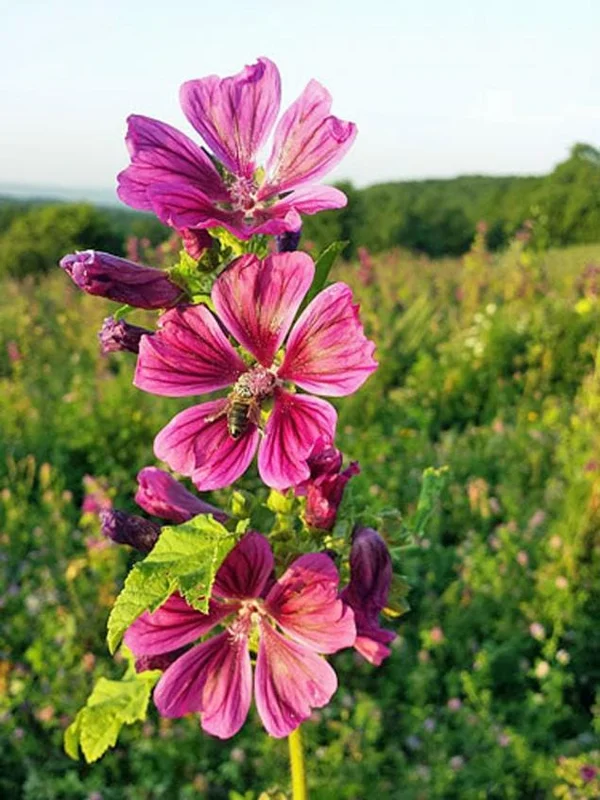
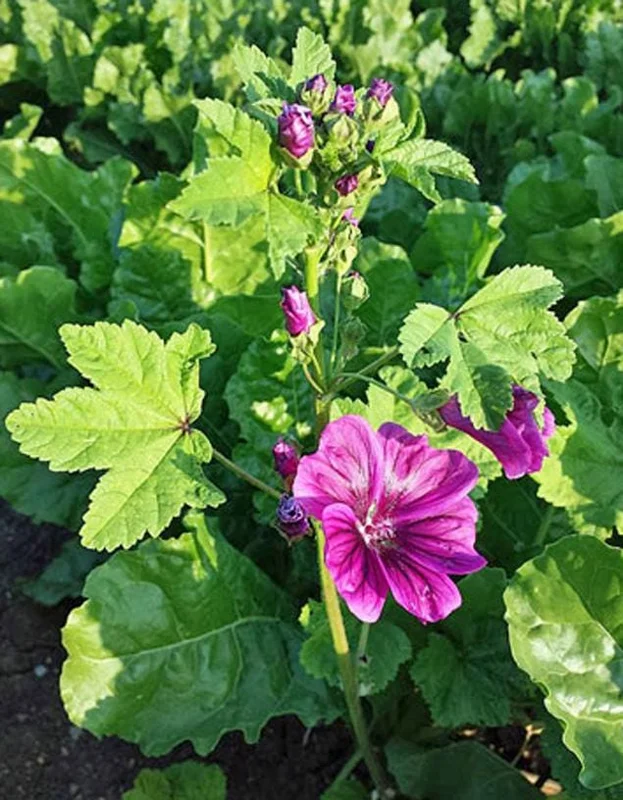
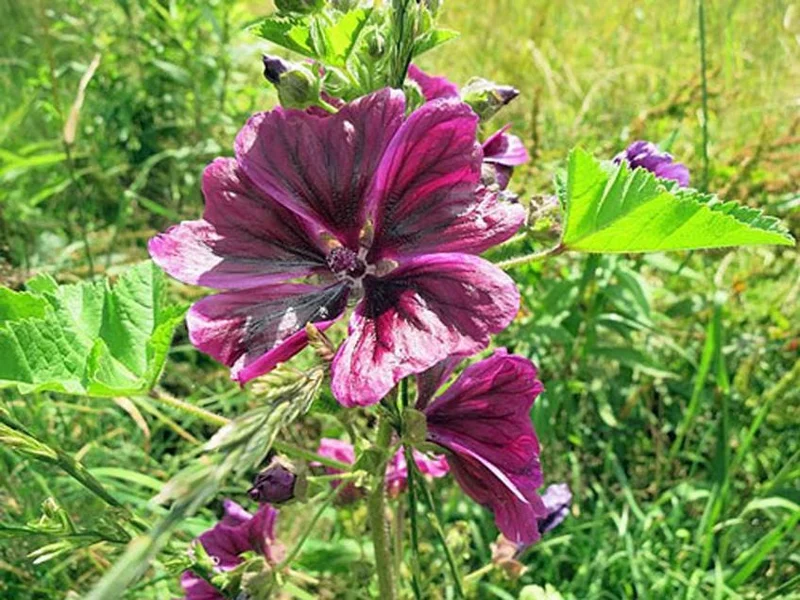
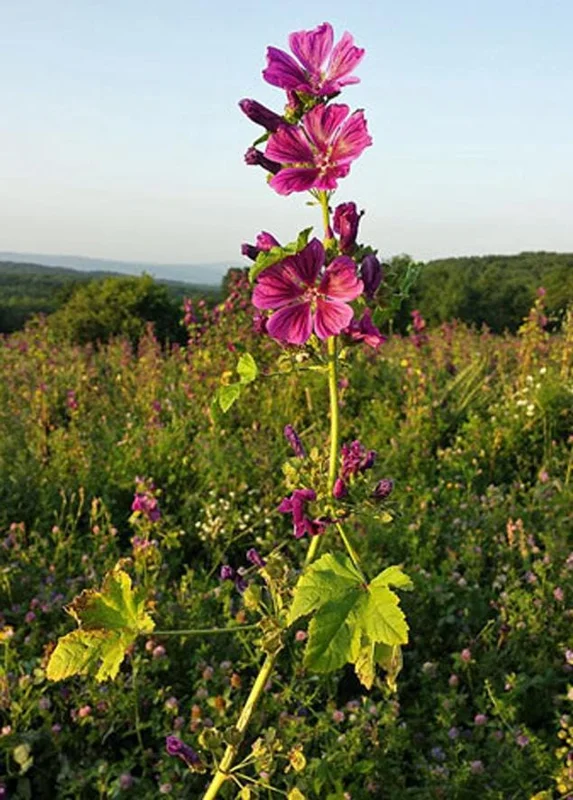
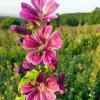
Cultivate the charming Mauritian Mallow seeds (Purple Mallow), known for its striking pink, lavender, or white blooms with dark veins. This versatile perennial is a fantastic choice for attracting pollinators and adding natural beauty to your garden. Easy to grow and adaptable to various conditions, it’s perfect for both experienced gardeners and beginners.
Shipping and Return policies:
We stand behind our plants with our Alive & Thrive Guarantee. If you experience any issues within the first 30 days, please email us, and our team will be happy to help. When needed, we’ll send you a one-time replacement free of charge to make sure your garden keeps growing strong.

Reasonable Price
We offer reasonable price

Support 24/7
Contact us 24 hrs a day
100% Money Back
You’ve 30 days to Return
Payment Secure
100% secure payment
Overview
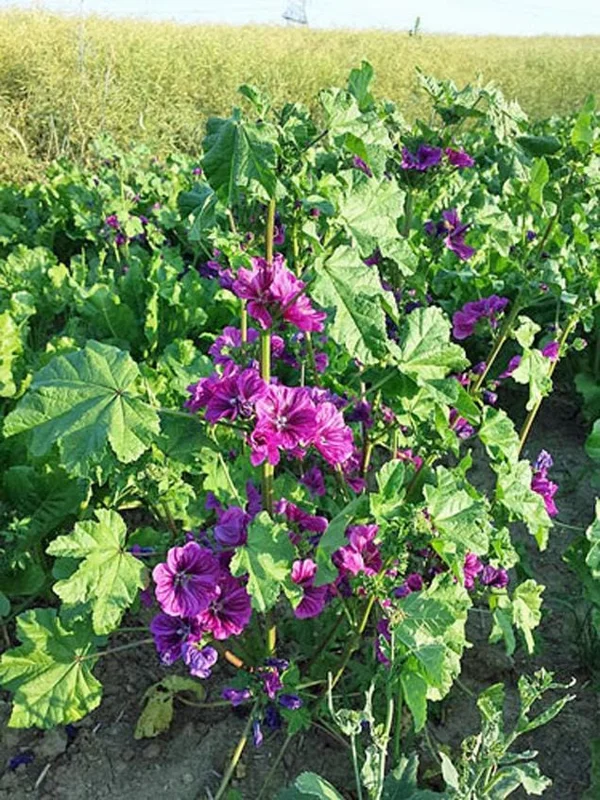
Discover the beauty and resilience of Mauritian Mallow seeds, offering an opportunity to cultivate the elegant Malva sylvestris ssp. mauritiana, also known as Purple Mallow or Common Mallow. These seeds will grow into a versatile and adaptable herbaceous perennial, native to Europe and Asia. The plant typically reaches heights of 2 to 3 feet (60 to 90 centimeters) and is characterized by its upright growth habit and lobed, soft-to-the-touch leaves. In summer, it produces an abundance of charming, cup-shaped flowers in shades of pink, lavender, or white, each with distinctive dark veins. These blooms not only add ornamental beauty but also serve as a valuable nectar source for pollinators like bees and butterflies, making the Mauritian Mallow seeds an excellent choice for supporting local ecosystems. Its historical uses in culinary and medicinal contexts further highlight its versatility, with young leaves being edible and its mucilaginous properties utilized for soothing purposes.
The Common Mallow’s adaptability to various soil types and its resilience in different climates make it a popular choice for gardens, roadsides, and waste areas. When you plant these Mauritian Mallow seeds, you’re not just growing a flower; you’re nurturing a testament to nature’s resourcefulness. This plant is a wonderful addition for anyone looking to add low-maintenance, beautiful flora to their landscape.
Key Benefits
Growing Mauritian Mallow seeds offers a multitude of benefits for your garden and local environment. This hardy perennial provides continuous beauty and ecological value with minimal effort.
- Attracts Pollinators: The vibrant pink, lavender, or white flowers are a rich source of nectar, making them irresistible to bees, butterflies, and other beneficial pollinators. Planting Mauritian Mallow seeds helps support biodiversity in your garden.
- Ornamental Beauty: With its charming cup-shaped blooms and distinctive dark veins, the Purple Mallow adds elegant visual interest to any garden setting, from formal beds to naturalized areas.
- Low Maintenance & Adaptable: This plant is incredibly resilient, thriving in a variety of soil types and climates. It’s an excellent choice for gardeners seeking beautiful plants that require minimal care once established.
- Culinary & Medicinal Uses: Beyond its beauty, the young leaves of the Common Mallow are edible and can be added to salads, while its mucilaginous properties have been traditionally used for soothing purposes.
- Drought Tolerant: Once established, the Purple Mallow can tolerate periods of drought, making it a sustainable option for water-wise gardening.
- Deer Resistant: Generally, deer tend to leave Mallow plants alone, making it a good choice for areas where deer browsing is a concern.
- Long Blooming Season: Enjoy an extended display of flowers throughout the summer, providing continuous color and nectar for pollinators.
Plant Care & Growing Tips
Germinating Mauritian Mallow seeds and cultivating the resulting plants is a rewarding process, suitable for gardeners of all experience levels. To prepare the seeds for germination, scarify them by gently rubbing them with sandpaper or nicking them with a knife to break the hard seed coat. This scarification process helps water penetrate the seed and promotes germination. After scarifying, sow the seeds in well-draining soil, either in containers or directly in your chosen garden location, burying them about 1/4 inch (6 millimeters) deep.
For optimal growth, keep the soil consistently moist but not waterlogged. Place the planting container or garden bed in a location with full sunlight or partial shade. Full sun (at least 6 hours of direct sunlight daily) will encourage the most prolific blooming. Germination typically occurs within a few weeks to a few months, so patience is key. Once the seedlings are large enough to handle, you can transplant them to their permanent growing location. The Malva sylvestris ssp. mauritiana thrives in USDA Zones 4-8. It prefers average, well-draining soil and is quite adaptable to various conditions, including poor soils. Fertilization is generally not required in fertile soils, but a balanced, all-purpose fertilizer can be applied sparingly in spring if growth appears sluggish. Deadhead spent flowers to encourage more blooms and prevent excessive self-seeding. Watch out for common garden pests like aphids, which can usually be managed with organic insecticidal soap.
Understanding how to grow mallow successfully involves providing adequate light and consistent moisture during establishment. Its resilience makes it a forgiving plant, ideal for adding beauty to challenging areas like roadsides or waste areas, as well as more cultivated garden beds.
Size & Details
This offering includes 10 Mauritian Mallow seeds (Malva sylvestris ssp. mauritiana), ready for planting. Once established, the Purple Mallow typically grows to a height of 2 to 3 feet (60 to 90 centimeters) with a similar spread, forming an upright, bushy perennial. The plant exhibits a moderate to fast growth rate, quickly filling in garden spaces. It produces its charming flowers throughout the summer months, providing a long season of interest and nectar for pollinators. The seeds are packaged to ensure viability and are ready for scarification and sowing upon arrival. Expect blooms from late spring through fall in most climates, making it a long-lasting addition to your garden.
The mature plant’s robust nature allows it to stand out in mixed borders, cottage gardens, or naturalized areas. Its adaptability to various soil conditions means it can thrive where other plants might struggle, making it a truly versatile choice for gardeners. These pollinator garden seeds are a simple way to introduce a resilient and beautiful species to your landscape.
Frequently Asked Questions
- Q: How big does this plant get? A: The Mauritian Mallow typically grows to a height of 2 to 3 feet (60 to 90 centimeters) with a similar spread, creating an upright and bushy perennial. Its size makes it suitable for various garden placements.
- Q: Is this an indoor or outdoor plant? A: The Malva sylvestris ssp. mauritiana is primarily an outdoor plant, thriving in garden beds, borders, and naturalized areas. It is well-suited for USDA Zones 4-8.
- Q: How much sunlight does it need? A: This plant prefers full sun to partial shade. For the most abundant blooms, aim for at least 6 hours of direct sunlight per day.
- Q: Is this plant easy to care for? A: Yes, Mauritian Mallow seeds grow into a relatively easy-to-care-for plant. It’s known for its adaptability and resilience, making it a great choice for beginners and experienced gardeners alike.
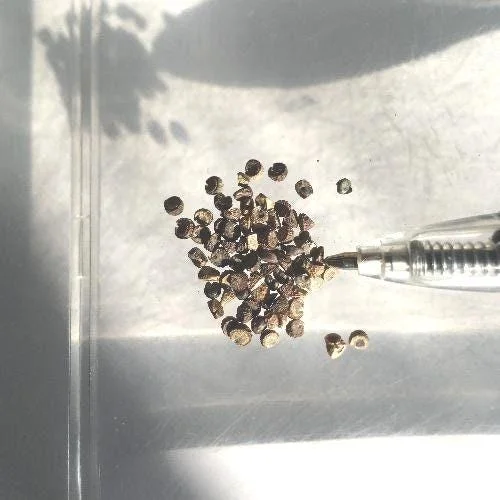
- Q: What condition will the seeds arrive in? A: You will receive 10 Mauritian Mallow seeds in a protective packet, ensuring their viability for planting. They will be dry and ready for scarification and sowing.
- Q: How long until it blooms? A: From seed, the plant may bloom in its first year if started early, but more robust flowering typically occurs in the second year. Blooms will appear throughout the summer months.
- Q: What’s the best way to scarify the seeds? A: Gently rub the seeds with sandpaper or carefully nick the hard seed coat with a knife. This helps water penetrate and encourages germination for these Purple Mallow seeds.
- Q: Can I use the leaves for culinary purposes? A: Yes, the young leaves of Malva sylvestris are edible and can be added to salads or cooked like other greens. They have a mild flavor.
- Q: Will it survive winter in my zone? A: The Mauritian Mallow is hardy in USDA Zones 4-8, meaning it will typically survive winter in these regions and return each spring as a perennial.
- Q: Is it good for beginners? A: Absolutely! Its adaptability, drought tolerance, and relatively low maintenance requirements make it an excellent choice for those new to gardening. Learning how to grow mallow is a straightforward and rewarding experience.
Be the first to review “Mauritian Mallow Seeds – Purple Mallow (Malva sylvestris ssp. mauritiana) – 10 Seeds”
You must be logged in to post a review.
People also Viewed
Sold 50 products
Original price was: $109.95.$79.98Current price is: $79.98.
Sold 50 products
Original price was: $25.00.$17.50Current price is: $17.50.
Flower Seeds
Olympic Onion Seeds – Allium crenulatum Flower Seeds – 10 Seed Pack – Outdoor Native Plant
Sold 50 products
Original price was: $25.00.$17.50Current price is: $17.50.
Sold 50 products
Original price was: $25.00.$17.50Current price is: $17.50.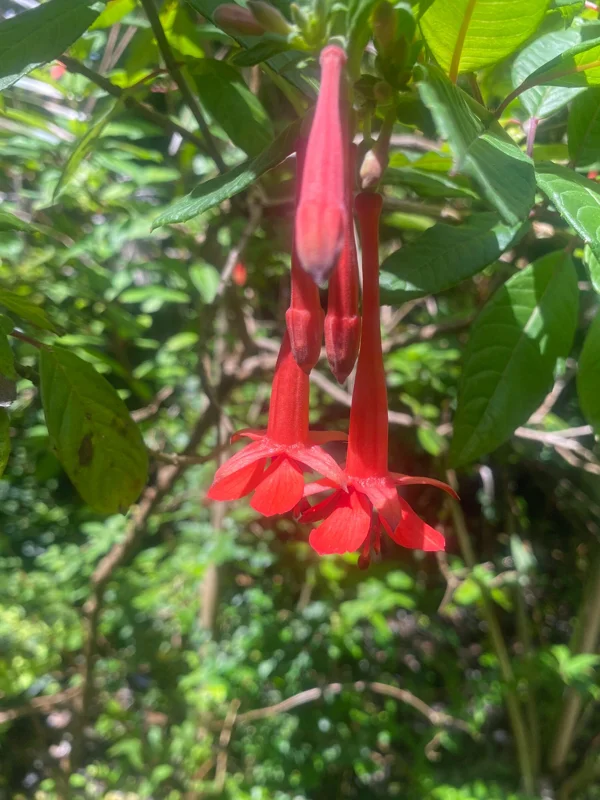
Flower Seeds
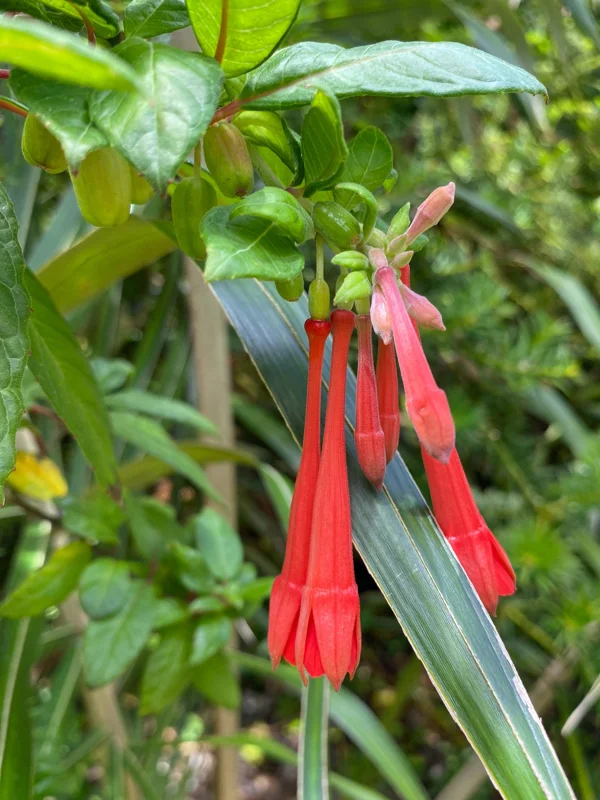
Fuchsia vulcanica Seeds – 20 Pack – Vibrant Orange Coral Flowers for Garden & Containers
Sold 50 products
Original price was: $25.00.$17.50Current price is: $17.50.
Sold 50 products
Original price was: $116.98.$95.68Current price is: $95.68.
Sold 50 products
Original price was: $21.00.$14.10Current price is: $14.10.
Aquatic Plant Seeds
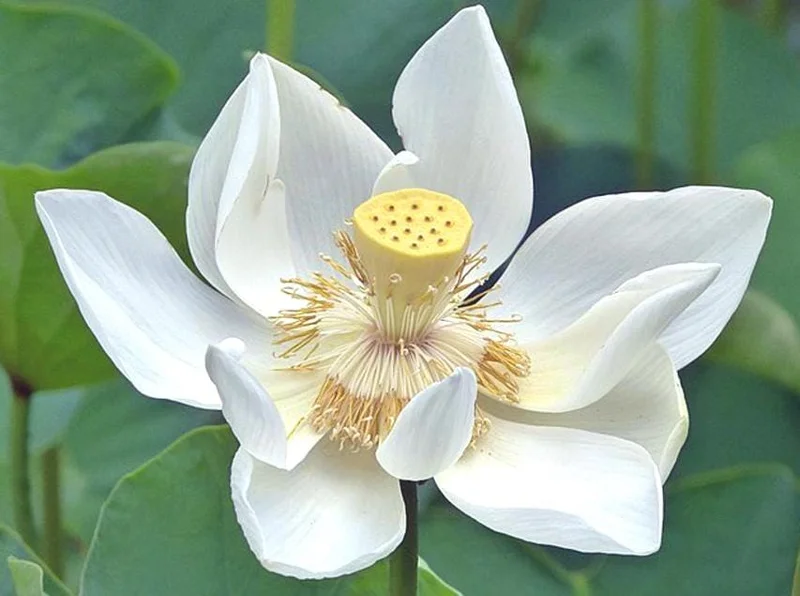
White Lotus Seeds – Nelumbo Nucifera Aquatic Pond Plant – 5 Seeds for Water Garden
Sold 50 products
Original price was: $29.00.$20.90Current price is: $20.90.RELATED posts
Awapuhi Wild Ginger Plant: Zones, Care, and Propagation
Learn which USDA zones suit awapuhi wild ginger, plus sunlight, water, planting, propagation, pests, size, [...]
Awapuhi Shampoo Ginger – Care, Growing Zones, and Differences
Learn how to grow awapuhi (shampoo) ginger, its USDA zones, watering schedule, propagation tips, and [...]
Awapuhi Shampoo Plant Buying Guide – Choose the Right Zingiber zerumbet
META: Learn which awapuhi (shampoo ginger) plant or rhizome pack gives the best natural shampoo, [...]
Awapuhi Plant for Sale: Complete Buying Guide
Find the right awapuhi (shampoo ginger) plant, size, price, soil mix, and online source. Practical [...]
Shampoo Ginger Plant for Sale – Buying Guide & Tips
Find the right shampoo ginger plant, size, price, and care tips. Quick guide for U.S. [...]
Shampoo Ginger Plant (Awapuhi) Care Guide
Learn how to grow, care for, and use shampoo ginger (Zingiber zerumbet), the tropical awapuhi [...]
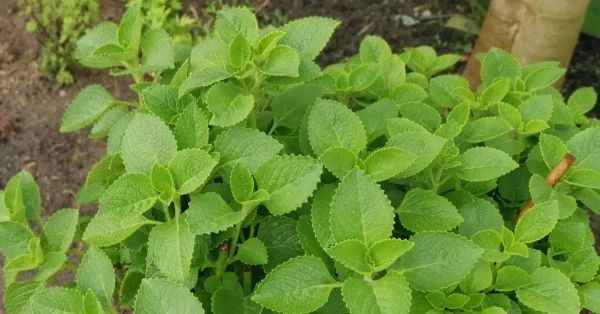
How to Grow Cuban Oregano Plants: A Complete Care Guide
If you’ve ever wanted a plant that combines the culinary punch of traditional oregano with [...]
Aug
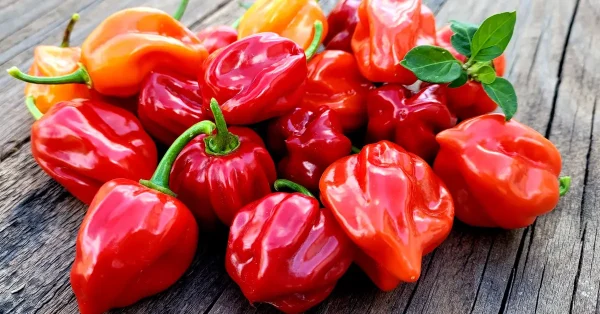
How to Grow Habanero Pepper Plants: A Step-by-Step Guide
Habanero pepper plants are prized for their vibrant colors, intense heat, and exceptional flavor, making [...]
Aug
Reviews
There are no reviews yet.